Side Dishes
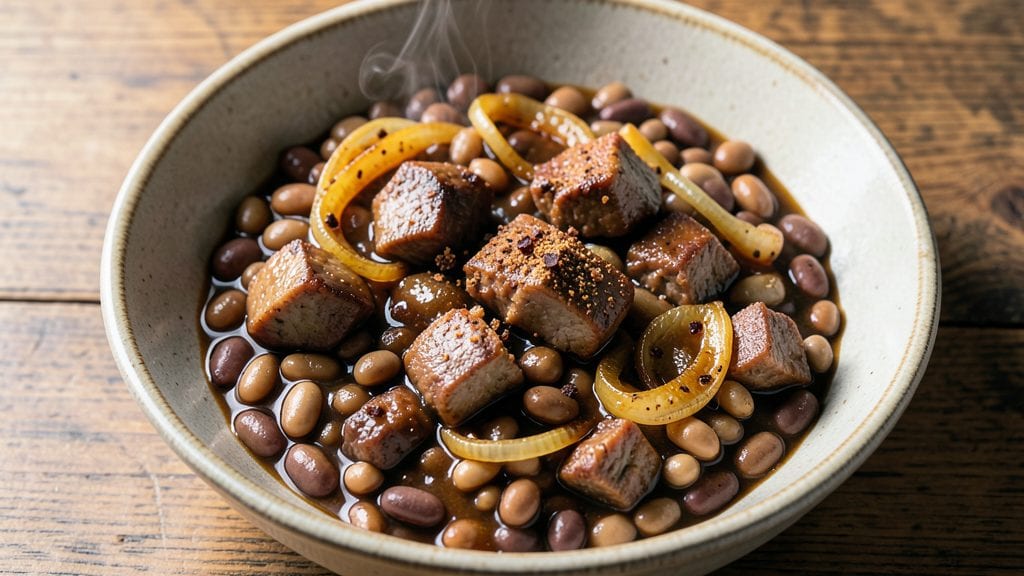
This better-than-Bush’s baked beans for canning recipe elevates the classic side with smoky molasses-kissed depth, transforming it into something extraordinary. This recipe delivers restaurant-quality flavor in a single pot, with techniques I've perfected over years of canning—ensuring rich, tender beans that stay moist and flavorful long after opening.
The secret lies in slow-cooked pork, caramelized onions, and a balance of spices that build complexity without overpowering the natural sweetness of the beans.
What sets this recipe apart is the molasses and smoked paprika combination, which creates that signature depth store-bought versions lack. Unlike canned beans that rely on preservatives, this method uses natural ingredients and proper canning techniques to preserve texture and flavor for months.
The result? Beans so tender they practically melt in your mouth, with a sauce that's rich, slightly sweet, and infused with smoky warmth—perfect for potlucks, barbecues, or meal prep.
Canning these beans at home isn't just about convenience—it's about control. You choose the quality of ingredients, the level of sweetness, and the intensity of spices, all while creating a product that's far superior to anything you'd find on a grocery shelf.
The process is straightforward once you understand the key steps: proper pressure canning, timing, and acidification to ensure safety without sacrificing flavor.
Whether you're canning for the first time or a seasoned pro, this recipe delivers professional results with minimal fuss.
The instructions walk you through every step—from selecting the right beans to mastering the canning process—so you can confidently fill your pantry with homemade baked beans that taste like they've been simmering all day. Let's get started on creating your own batch of superior canned beans.
Ingredients for better than bush's baked beans for canning
Sixteen ingredients, one pot, pantry-to-canned perfection with smoky depth.
| Ingredient | Amount | Notes |
|---|---|---|
| Dry Navy Beans 🌾 | 2 lbs | Picked over for stones |
| Pork Shoulder 🥓 | 2 lbs | Bone-in, cut into 1-inch cubes |
| Yellow Onions 🧅 | 3 whole | Medium size, peeled |
| Molasses 🍯 | ½ cup | Unsulphured preferred |
| Smoked Paprika 🌶️ | 2 tbsp | High-quality smoked variety |
| Brown Sugar 🍚 | ½ cup | Packed firmly |
| Tomato Paste 🍅 | ½ cup | No salt added |
| Apple Cider Vinegar 🍏 | ¼ cup | For acidification |
| Garlic Cloves 🧄 | 6 cloves | Minced finely |
| Bay Leaves 🍃 | 2 whole | Fresh preferred |
| Mustard 🥬 | 1 tbsp | Dijon style |
| Ground Black Pepper 🌶️ | 1 tsp | Freshly ground |
| Salt 🧂 | 2 tbsp | Kosher or sea salt |
| Water 💧 | 8 cups | Filtered preferred |
The pork shoulder is non-negotiable—it breaks down beautifully during the long cook, infusing the beans with rich, savory flavor. Look for bone-in cuts at Whole Foods or your local butcher shop, as they render more fat for moisture. If you're shopping at Costco, grab the pre-cut pork shoulder to save time. For the beans, navy beans hold their shape best during canning, but you can swap in pinto or great northern if that's what you have. Just make sure they're picked over for stones—no one wants a crunchy surprise in their jar.
No molasses? Maple syrup or dark corn syrup work in a pinch, but molasses gives that signature depth. The apple cider vinegar is crucial for acidification—don't skip it, even if you're canning in a pressure canner. Fresh bay leaves add complexity, but dried works too at half the amount. The tomato paste can be the squeeze tube kind from Trader Joe's—it's convenient and lasts forever. For the onions, caramelizing them until deep golden brown is worth the extra 10 minutes—it builds so much flavor. If you're short on time, sauté them until soft and move on, but the deeper color makes all the difference.
This recipe makes enough to fill 7-8 quart jars, perfect for canning. Store unopened jars in a cool, dark place for up to 18 months. Once opened, refrigerate and use within 5-7 days. The beans reheat beautifully—just warm them gently on the stove with a splash of water if they've thickened too much. I always make a double batch: one for canning, one to freeze for quick weeknight meals. The frozen version keeps for 6 months and tastes just as good as the canned stuff.
Why You'll Love This Recipe
- No-Soaking Needed: I’ll be real—soaking beans is a hassle. These navy beans soften beautifully overnight in the slow cooker with the pork and onions, no pre-soak required. By morning, they’re tender and ready to simmer into something rich.
- Deep, Smoky Richness: That molasses and smoked paprika combo? It’s where the magic happens. The pork shoulder melts into the beans, creating a sauce that’s sweet, savory, and just smoky enough to make you reach for seconds. (Yes, even on a Tuesday night.)
- Potluck Hero: This recipe doubles easily and tastes even better the next day. Bring it to a gathering, and watch it disappear—no one will believe it’s homemade over store-bought. Bonus: It’s hearty enough for a main dish or a side that steals the show.
- Budget-Friendly Pantry Staple: Dry beans and pork shoulder stretch into a massive batch, and the molasses adds depth without breaking the bank. Freeze extras for months, or can them for emergencies. My secret weapon for feeding a crowd without stress.
Step-by-step instructions for smoky molasses-kissed baked beans
Here's how to transform simple ingredients into restaurant-quality baked beans with deep, smoky sweetness.
Prepare the Beans and Meat for Maximum Flavor
Begin by rinsing the 2 lbs dry navy beans under cold water, then pick through them to remove any small stones or debris. Soak them overnight in a large bowl with the 8 cups water - this reduces cooking time and improves texture. The next day, drain and rinse the beans thoroughly before using.
While the beans soak, cut the 2 lbs pork shoulder into 1-inch cubes. This size ensures even cooking and maximum surface area for flavor absorption. Pat the meat dry with paper towels - removing moisture helps create a better sear later in the process. Keep the pork uncovered in the refrigerator until ready to use.
Build the Flavor Base in the Dutch Oven
Heat your Dutch oven over medium heat and add the pork shoulder cubes in a single layer. Let them brown undisturbed for 5-7 minutes until golden brown on all sides. This step develops deep meaty flavors that will infuse the entire dish. Remove the pork and set aside, leaving the rendered fat in the pot.
In the same pot, add the 3 whole yellow onions cut into large chunks and the 6 cloves minced garlic. Cook for 5-7 minutes until the onions soften and begin to caramelize slightly. This sweetening process forms the flavor foundation for your beans. Stir occasionally to prevent burning while building color and depth.
Create the Signature Molasses-Smoked Sauce
Reduce the heat to medium-low and add the 0.5 cup tomato paste, stirring to coat the onions and garlic. Cook for 2 minutes until the raw taste disappears. Then add the 2 tbsp smoked paprika, 0.5 cup brown sugar, 0.5 cup molasses, 0.25 cup apple cider vinegar, 1 tbsp mustard, 1 tsp ground black pepper, and 2 tbsp salt.
Stir vigorously to combine all ingredients, scraping up any browned bits from the bottom of the pot. These bits contain concentrated flavor that will make your beans taste like they simmered for hours. Let the mixture cook for 5 minutes until it begins to thicken slightly and the aromatic compounds meld together.
Combine and Simmer to Perfection
Return the browned pork shoulder to the pot and add the drained navy beans. Pour in enough water to cover everything by about 1 inch - typically around 4 cups additional water. Stir well to distribute all the flavors evenly throughout the mixture.
Bring the entire contents to a gentle boil, then reduce heat to maintain a low simmer. Add the 2 whole bay leaves and cover the pot. Simmer for 2-2.5 hours, stirring occasionally, until the beans are tender but still hold their shape. The pork should be fork-tender with no resistance when pierced.
Finish and Adjust for Optimal Texture
Remove the bay leaves and taste the beans. If they need more depth, add another tablespoon of molasses or a pinch more smoked paprika. For a thicker consistency, simmer uncovered for an additional 10-15 minutes to reduce the liquid. If you prefer a thinner sauce, add a splash of water or apple cider vinegar.
For best results, let the beans rest covered for 15 minutes off the heat before serving. This allows flavors to fully develop and the beans to absorb any remaining juices. Serve warm with crusty bread or as a hearty side dish - each bite will deliver that perfect balance of smoky, sweet, and savory flavors that makes these beans truly exceptional.
Pro Tips For Making Better Than Bush'S Baked Beans For Canning
- SOAK BEANS OVERNIGHT: I learned this the hard way—rushing soaks leads to tough beans. Toss dry navies in a bowl with cold water (about 3 cups per pound) and a pinch of salt, then let them sit 12+ hours. The longer they soak, the creamier the final texture, and you’ll skip the long simmer that drains flavor.
- SEAR PORK IN BATCHES: Crowding the pan steams the meat instead of browning it. Cut pork shoulder into 1-inch chunks and work in two batches over medium-high heat—this gives you that deep, caramelized crust that makes the beans taste homemade. Use a splash of water to deglaze between batches for extra flavor.
- CARAMELIZE ONIONS LOW: After burning three batches of onions, I finally figured out: patience wins. Cook sliced yellow onions on low heat for 20-25 minutes, stirring often, until they’re deep amber—not golden. The molasses needs something sweet and rich to pair with, and this is it.
- ADD MOLASSES LAST: Sounds weird, but it works: Stir in the molasses and smoked paprika only after the beans and pork have simmered for 45 minutes. The heat develops the molasses’ depth without turning it bitter, and the paprika’s smokiness stays vibrant. Skip this, and you’ll taste burnt sugar.
Storing and reheating this dish
Pressure Canning Essentials
For safe, long-term storage, pressure canning is non-negotiable. Use a weighted-gauge pressure canner (like the All American 921) and follow USDA guidelines for 10 pounds of pressure at 1,000 feet elevation.
Adjust pressure 1 pound per 1,000 feet above sea level. Process pint jars for 75 minutes and quart jars for 90 minutes—this ensures both safety and maximum flavor retention. 🌡️
Refrigerator Storage Tips
Unopened canned beans last 18 months in a cool, dark pantry. Once opened, transfer to an airtight container and refrigerate for up to 5-7 days. I always label jars with the date using a permanent marker.
For leftovers, reheat gently on the stovetop with 2 tbsp water to restore moisture if they thicken during storage.
Freezer Adaptations
Make a backup batch to freeze! Portion into freezer-safe bags (like Ziploc Gallon Freezer Bags) or airtight containers, leaving 1-inch headspace for expansion. These beans keep for 6 months and reheat beautifully—just thaw overnight in the fridge before warming.
For quick meals, microwave frozen portions at 50% power for 3-4 minutes, stirring halfway.
Reheating for Maximum Flavor
Stovetop reheating preserves texture best. Simmer on low heat for 10-15 minutes, stirring occasionally, until heated through. If the sauce thickens too much, add 1-2 tbsp apple cider vinegar or water.
For microwave reheating, cover with a damp paper towel and heat in 1-minute intervals at 50% power, stirring between each interval to prevent drying.
Shelf Life and Safety
Discard any canned beans that develop an off smell, mold, or bulging jars—these are signs of spoilage. The molasses and vinegar combination naturally preserves flavor, but always check for proper seal by pressing the lid center.
If it pops back, reprocess or discard. For extra peace of mind, I always can a test batch first to verify my pressure settings. ✨
Nutrition facts
Frequently asked questions
Why does this recipe use molasses instead of brown sugar?
Molasses adds a deeper, more complex sweetness that brown sugar can't match. The 0.5 cup creates that signature depth found in premium baked beans, while the smoked paprika adds warmth. Together, they mimic the caramelized flavor of slow-cooked beans without needing hours on the stove.
Can I substitute pork with another protein?
Yes! For a vegetarian version, use smoked tofu or mushrooms (like shiitake) for umami. Bacon works too—just reduce salt by 1 tsp. The key is maintaining the smoky-sweet balance. If using meat, 2 lbs of any well-seasoned protein (chicken, beef) will work, but pork delivers the best texture and flavor.
How do I know when the beans are fully tender?
Beans should be fork-tender with no resistance when pierced. For navy beans, this takes 2-2.5 hours of simmering. If they're still firm, add 1 cup water and cook another 30 minutes. Overcooking can make them mushy, so taste-test at 2 hours to adjust.
What’s the best way to prevent beans from splitting during canning?
Split beans happen when beans are overcooked before canning. Start with firm but tender beans (test at 2 hours), then process jars immediately. Use quart jars for better heat distribution. If you notice splits during cooking, reduce simmer time by 15 minutes next batch.
Can I adjust the sweetness level for kids?
Reduce the molasses to 0.25 cup and brown sugar to 0.25 cup. Add 1 extra tbsp apple cider vinegar for tanginess. For extra mildness, skip the smoked paprika and use 1 tsp regular paprika instead. Always taste-test before canning!