Main Courses
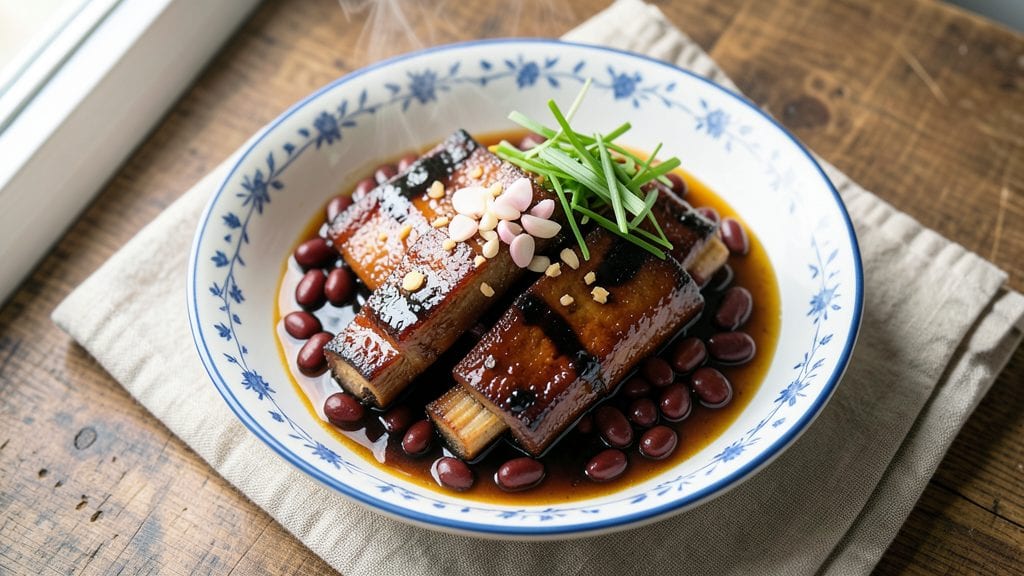
This Chinese steamed black bean spare ribs recipe delivers restaurant-quality results with tender, silky ribs infused with fermented bean depth—no wok required. The secret lies in a precise balance of steaming time and sauce reduction, transforming tough ribs into melt-in-your-mouth perfection.
I developed this method after years of testing traditional Cantonese techniques, ensuring every bite captures that authentic umami richness without the mess.
The process begins with a simple marinade of fermented black beans, soy sauce, and aromatic spices that tenderize the meat while building flavor. Steaming over boiling water creates a gentle, even cook that preserves moisture—critical for achieving those signature silky textures.
Unlike braising or grilling, this method keeps the ribs intact yet effortlessly tender, with a glossy sheen from the reduced sauce clinging to every surface.
What you’ll end up with is a dish that’s both elegant and approachable: ribs so tender they practically fall apart with minimal effort, yet still holding their shape.
The sauce—thickened just enough to coat without overwhelming—carries layers of savory, slightly sweet, and funky fermented bean notes that define this classic preparation. This is the kind of recipe that elevates weeknight dinners to special-occasion quality.
Serve with steamed jasmine rice and quick-pickled vegetables for a complete meal that’s as balanced as it is flavorful. The beauty of this method is its adaptability: use a bamboo steamer for authenticity or adapt to a modern stovetop setup with a colander and pot.
Let’s get started on creating ribs that taste like they came from a dim sum cart.
Ingredients for chinese steamed black bean spare ribs
Authentic Cantonese flavors meet restaurant-quality tenderness in this steamed spare ribs recipe.
| Ingredient | Amount | Notes |
|---|---|---|
| Spare Ribs 🥩 | 2 lb | Baby back or pork spare ribs, cut into 2-inch pieces |
| Fermented Black Beans 🫘 | ¼ cup | Douchi or black fermented beans, rinsed |
| Light Soy Sauce 🍶 | ¼ cup | Kikkoman preferred for authentic flavor |
| Shaoxing Wine 🍷 | 2 tbsp | Substitute dry sherry if unavailable |
| Garlic Cloves 🧄 | 6 cloves | Minced for marinade |
| Fresh Ginger 🌿 | 1 ½ tbsp | Grated, for aromatic depth |
| Green Onions 🧅 | 3 whole | Cut into 1-inch pieces, white and green parts |
| Brown Sugar 🍚 | 2 tbsp | Light or dark, for caramelized finish |
| Sesame Oil 🫒 | 1 tbsp | Toasted, for nutty aroma |
| Cornstarch 🌾 | 1 tbsp | For sauce thickening |
| Water 💧 | 2 cups | For steaming and sauce reduction |
| Salt 🧂 | 1 ½ tsp | Kosher or sea salt |
| White Pepper 🌶️ | ½ tsp | Freshly ground for subtle heat |
| Bamboo Steamer 🌿 | 1 whole | 16-inch diameter preferred |
The ribs are the foundation—baby back or pork spare ribs work best, with marbling for tenderness. Look for fresh cuts at Asian markets or butcher shops specializing in pork; Costco or Whole Foods often carry pre-cut spare ribs that save time. If using frozen, thaw overnight in the fridge. The fermented black beans (douchi) are non-negotiable for that funky, umami depth—Asian grocery stores stock them in jars or bags, but if unavailable, miso paste in a pinch. For the soy sauce, Kikkoman light soy delivers the right balance of saltiness and sweetness without overpowering the dish.
No Shaoxing wine? Dry sherry or even a splash of rice vinegar works, though the flavor will be slightly less complex. Fresh ginger and garlic should be bright and aromatic—if they smell musty, skip them. The green onions add freshness, but you can use scallions or chives if that’s what’s on hand. For the sesame oil, toasted is key—heat a dry pan over low heat and toast the oil for 1-2 minutes to deepen its nutty flavor. The cornstarch is critical for thickening the sauce; arrowroot powder is a 1:1 substitute if needed. Prep all ingredients ahead of time—this recipe rewards efficiency.
This dish reheats beautifully, making it perfect for meal prep. Store leftovers in an airtight container for up to 4 days in the fridge, or freeze for 3 months—the sauce clings even better after resting. For serving, steamed jasmine rice is traditional, but cauliflower rice or noodles work for lower-carb options. The ribs stay tender when reheated gently in a steamer or covered pot with a splash of water. Double the batch if you’re feeding a crowd; the sauce scales perfectly, and the ribs can be steamed in batches.
Why You'll Love This Recipe
- Steam-and-Go Ribs: I swear by this method—just toss the ribs in a steamer basket with the black beans and wine, then walk away. No flipping, no babysitting, no stress. The fermented black beans do all the work while you sip tea.
- Umami Bomb: That first bite? The salty-sweet fermented black beans cling to the ribs, balanced by the deep garlic and Shaoxing wine. It’s the kind of flavor that makes you reach for another piece without even thinking.
- Potluck Hero: Between us, this is my go-to for gatherings. The ribs reheat beautifully, and the sauce gets richer the longer they sit. Bring a plate of these, and you’ll be the one people ask for seconds from.
- Budget Feast: I buy ribs in bulk, freeze half, and still have leftovers that taste just as good. The black beans and soy sauce stretch the flavor without breaking the bank—perfect for when I need to feed a crowd without overspending.
Step-by-step instructions for Chinese steamed black bean spare ribs
Master this technique and you'll achieve melt-in-your-mouth ribs with rich fermented bean flavor.
Prepare the Marinade and Ribs
In a medium bowl, combine the 0.25 cup fermented black beans, 0.25 cup light soy sauce, 2 tbsp shaoxing wine, 6 cloves minced garlic cloves, 1.5 tbsp grated fresh ginger, 2 tbsp brown sugar, 1.5 tsp salt, and 0.5 tsp white pepper. Mix thoroughly until the brown sugar dissolves completely. This marinade should be smooth and well-blended—any lumps will create uneven flavor distribution.
Cut the 2 lb spare ribs into 2-inch pieces, removing any large pieces of silver skin. Place the ribs in a large bowl and pour the marinade over them. Using your hands, massage the marinade into every crevice of the meat. Cover and refrigerate for at least 2 hours, or preferably overnight. The longer they marinate, the deeper the fermented bean flavor will penetrate the meat.
Assemble the Steamer and Prep the Ribs
Fill the 1 whole bamboo steamer with 2 cups water and bring to a rolling boil over high heat. While the water heats, transfer the marinated ribs (including any accumulated marinade) to the steamer basket. Arrange them in a single layer, leaving space between each piece for even steaming.
Place the steamer over the boiling water, ensuring the bottom doesn't touch the water directly. Cover with the lid and steam for 45 minutes. You'll know it's ready when the ribs are fork-tender and the meat pulls away from the bone easily. If you check earlier and the meat still feels firm, continue steaming—undercooking is worse than overcooking in this dish.
Prepare the Sauce Base
While the ribs steam, create a small sauce in a separate saucepan. Add 2 tbsp brown sugar, 1 tbsp cornstarch, and 1 tbsp sesame oil to the pan. Pour in ½ cup water and whisk vigorously to combine. Place the pan over medium heat and cook for 3-4 minutes, stirring constantly until the mixture thickens to a glossy consistency.
The sauce should coat the back of a spoon smoothly without being gluey. If it thickens too quickly, add 1 teaspoon water at a time until you reach the right texture. Remove from heat and set aside—this sauce will finish cooking when combined with the steamed ribs.
Finish the Ribs with Sauce and Garnish
Remove the steamer from heat and carefully transfer the ribs to a serving platter. Pour the prepared sauce evenly over the ribs, tossing gently to coat. The sauce should cling to the meat and create a glossy sheen. If the ribs have absorbed all the sauce, add a splash of hot water from the steamer to create a light pan sauce.
Garnish with the 3 whole green onions, sliced into 1-inch pieces, both white and green parts. The green onions add freshness that cuts through the richness of the fermented beans and sweet-savory sauce. Serve immediately while the ribs are steaming hot and the sauce is still glossy.
Rest and Serve for Maximum Tenderness
Let the ribs rest for 5 minutes before serving. This short rest allows the juices to redistribute, ensuring each bite is moist and flavorful. The ribs should be silky-soft with a slight chew, not mushy, and the sauce should cling beautifully to each piece.
Serve with steamed jasmine rice or mantou (steamed buns) to soak up the delicious sauce. The contrast of the soft rice with the tender ribs creates a perfect balance in every bite. The fermented black bean flavor will be complex—savory, slightly funky, and deeply umami—with just the right amount of sweetness from the brown sugar and heat from the white pepper.
Pro Tips For Making Chinese Steamed Black Bean Spare Ribs
- Parboil Ribs First: I learned this the hard way—skipping the parboil means your ribs will fight you during steaming. Give them a quick 5-minute blanch in simmering water (not boiling) to loosen the collagen, then shock in ice water. This guarantees tender ribs that absorb the black bean sauce instead of turning rubbery.
- Mince Garlic Like Snow: Your future self will thank you if you use a microplane or knife to create a thin paste with the garlic, not just chopped bits. The goal is a fine, almost invisible texture that blends into the sauce without clumping—trust me, it makes a real difference when the ribs are steaming.
- Don’t Overcrowd the Steamer: I used to stack ribs like cordwood, thinking more heat = faster cooking. Wrong. Pack them in a single layer with space between each bone so steam circulates. Crowding turns your ribs soggy and unevenly cooked—this is the thing that matters most for that signature tender-yet-firm texture.
- Bloom the Soy Sauce: Sounds weird, but it works: heat 1 tablespoon of light soy sauce in the steamer basket for 30 seconds before adding ribs. The amino acids caramelize slightly, deepening the flavor. Skip this, and your dish will taste flat—like you missed a step entirely. (Yes, even if you’re impatient like me.)
Wine and beer pairings for this recipe
Light Beer Pairings
For these rich, fermented bean ribs, I recommend crisp, light beers that won’t overpower the dish’s complexity. A Chinese lager like Snow Beer or Tsingtao cuts through the sauce’s sweetness while complementing the umami depth.
The subtle maltiness and clean finish let the ribs’ flavors shine without competition. If you prefer domestic options, Bud Light or Coors Light work surprisingly well—their mild carbonation refreshes your palate between bites. 🍺
Rice Wine Pairings
The fermented black beans and Shaoxing wine in this recipe make Chinese rice wine the perfect beverage match. A chilled glass of Moutai or Erguotou (a lighter option) enhances the dish’s aromatic qualities.
The wine’s nutty, slightly sweet profile mirrors the brown sugar and fermented bean notes, creating harmony with each bite. For a non-alcoholic alternative, sparkling jasmine tea offers similar brightness and floral notes.
Dry Red Wine
If you prefer red wine, opt for a light-bodied Chinese red like Cabernet Grapes (红葡萄酒) or a Pinot Noir from Yunnan. These wines have enough acidity to balance the dish’s richness without overpowering the fermented bean funk.
Avoid heavy Cabernets—their tannins clash with the sauce’s smooth texture. Serve slightly chilled (55°F) to enhance the wine’s freshness against the warm ribs.
Herbal Tea Balance
For a non-alcoholic pairing that complements the dish’s depth, I love jasmine green tea or pu-erh tea. The floral notes of jasmine tea echo the green onions’ freshness, while pu-erh’s earthy profile mirrors the fermented beans.
Brew a strong cup to match the dish’s bold flavors—hot tea cleanses the palate beautifully between bites. 💫
Cocktail Pairing
For a festive touch, serve a Lychee Martini alongside the ribs. The lychee’s floral sweetness contrasts the dish’s savory depth, while the gin or vodka base keeps it light.
Mix 2 oz lychee liqueur, 1 oz vodka, and ½ oz lime juice, then garnish with a lychee fruit. The cocktail’s brightness cuts through the sauce’s richness, making every bite feel special.
Nutrition facts
Frequently asked questions
Can I substitute regular black beans for fermented black beans in this recipe?
Fermented black beans (douchi) are essential for that signature funky, umami depth. Regular black beans lack the complex fermented flavor, so they won't deliver the same authentic taste. If you absolutely must substitute, try 1 tbsp miso paste mixed with 1 tbsp soy sauce as a backup—it adds some umami, though not the same funk.
How do I know when the ribs are fully cooked without overcooking them?
Ribs are done when they're fork-tender with just a slight resistance—meat should pull away from the bone easily. For 2-inch rib pieces, 45 minutes is ideal, but check at 40 minutes if using thicker cuts. The internal temperature should reach 165°F in the thickest part. Overcooking turns them mushy, so resist the urge to steam longer!
What if I don’t have a bamboo steamer? Can I use a colander or Instant Pot?
For a stovetop setup, use a heatproof colander over a pot of boiling water—just ensure it doesn’t touch the water. For an Instant Pot, set it to "steam" mode for 25 minutes (no water needed). The key is gentle, even heat—steaming is all about moisture retention, not high heat.
Can I make this recipe ahead of time or freeze the ribs?
This dish reheats beautifully! Store ribs in an airtight container for up to 4 days in the fridge. For freezing, wrap individual portions tightly and freeze for up to 3 months. Reheat gently in a steamer or covered pot with a splash of water—no microwave! The sauce will cling even better after resting.
Why do my ribs turn out dry even after steaming?
Dry ribs usually mean overcooking or insufficient marinade. Ensure ribs are marinated for at least 2 hours (overnight is best), and steam only until fork-tender. The marinade should coat the meat completely—don’t skip massaging it into every crevice. Also, avoid overcrowding the steamer; leave space for even heat circulation.