Side Dishes
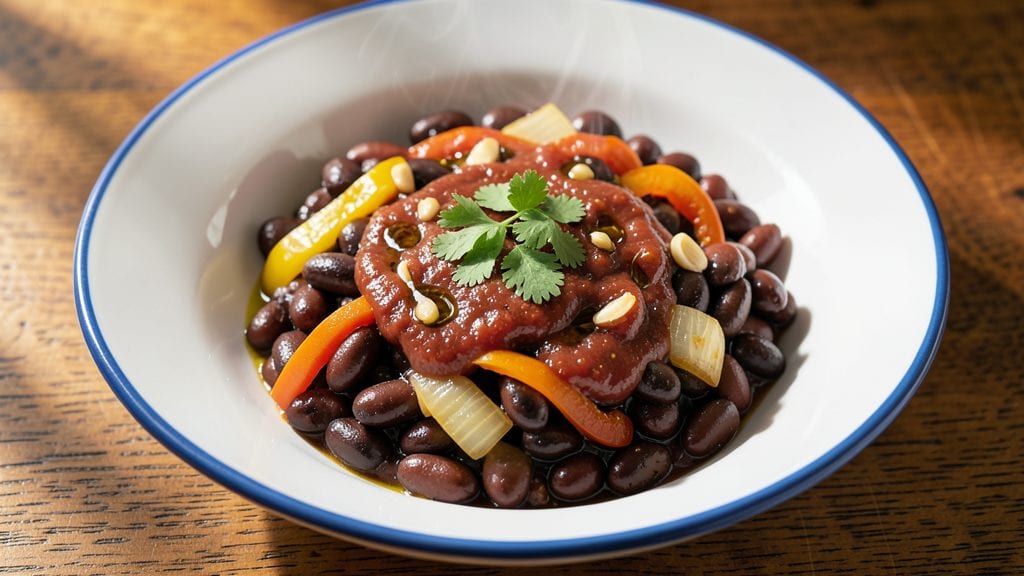
This Goya Cuban black beans recipe transforms simple ingredients into a smoky, savory masterpiece that captures the soul of Cuban home cooking. The secret lies in the sofrito—a fragrant blend of bell peppers, onions, and garlic—that infuses every spoonful with depth.
I first discovered this recipe while visiting a family in Havana, where the beans simmered for hours, absorbing flavors that turned a humble side into a centerpiece dish.
What makes these black beans special is their rich, complex taste—achieved through slow cooking with Goya brand products (like tomato sauce and sofrito), which add authentic Cuban flavor without compromise.
Unlike quick versions, this recipe requires patience: soaking the beans overnight and simmering them for at least 3 hours ensures tender texture and maximum flavor absorption. The result is a dish that’s hearty enough to stand alone but perfect alongside rice, tostones, or grilled meats.
The sofrito base is where the magic happens—caramelized peppers and onions create a sweet-savory foundation, while cumin, oregano, and bay leaves add warmth. Traditional Cuban recipes often include bacon or ham, but this version stays plant-based without sacrificing depth.
The beans develop a creamy, almost jam-like consistency, with each bite bursting with layers of smoky, tangy, and slightly sweet notes.
This recipe isn’t just about taste—it’s about cultural connection. Serving these beans at a family gathering or holiday meal brings a taste of Cuba to your table, proving that great food tells stories. Ready to make them? Here’s everything you’ll need to bring this Cuban classic to life.
Ingredients for goya cuban black beans
Authentic Cuban flavors start with these essential ingredients—Goya staples and fresh sofrito for deep, smoky richness.
| Ingredient | Amount | Notes |
|---|---|---|
| Dry Black Beans 🌱 | 2 cups | Unsoaked, rinsed thoroughly |
| Goya Tomato Sauce 🍅 | 14 ½ oz | Standard 14.5 oz can |
| Goya Sofrito 🧅 | 10 oz | Standard 10 oz jar |
| Yellow Bell Pepper 🌶️ | 1 whole | Fresh, diced into 1/4-inch pieces |
| Yellow Onion 🧅 | 1 whole | Medium size, diced finely |
| Garlic Cloves 🧄 | 6 cloves | Fresh, minced finely |
| Ground Cumin 🌿 | 1 tbsp | Freshly toasted preferred |
| Dried Oregano 🌿 | 1 tbsp | Mexican oregano if available |
| Bay Leaves 🌿 | 2 whole | Fresh preferred, dried acceptable |
| Vegetable Oil 🫒 | 2 tbsp | High smoke point preferred |
| Sea Salt 🧂 | 1 ½ tsp | Diamond Crystal preferred |
| Black Peppercorns 🌶️ | ½ tsp | Freshly cracked preferred |
| Fresh Cilantro 🌿 | ¼ cup | Chopped, for garnish |
| Lime 🍋 | 1 whole | Juiced, for finishing |
| Water 💧 | 6 cups | Filtered preferred |
The Goya brand products are non-negotiable for authentic Cuban flavor. Goya Tomato Sauce and Sofrito—available at most Latin markets or the international aisle of large supermarkets—bring that unmistakable depth. For the sofrito, look for the jarred version (not the packet), as it contains finely blended bell peppers, onions, and garlic already cooked down. If you can't find Goya, Herdez or La Costeña are solid alternatives. The black beans should be dry, not canned—this recipe relies on the slow-cooked texture. For the bell pepper and onion, buy fresh—frozen won't caramelize the same way, and pre-diced mixes often contain added salt.
No Goya products? Crush a 14.5 oz can of fire-roasted diced tomatoes (like Muir Glen) to mimic the sauce, and make your own sofrito by sautéing 1 diced bell pepper, 1 onion, and 6 garlic cloves in oil until soft. Mexican oregano is key—substitute with regular oregano at half the amount, but it won’t be the same. For the bay leaves, fresh is ideal (remove after 1 hour of cooking), but dried works in a pinch. The lime juice should be freshly squeezed—bottled won’t have the same bright acidity. If you’re short on time, soak the beans for 2 hours instead of overnight, but expect slightly firmer texture.
These beans taste better the next day—the flavors meld into a creamy, jam-like consistency that’s impossible to achieve with rushed cooking. Store leftovers in an airtight container in the fridge for up to 5 days, or freeze for 3 months. For meal prep, double the batch—they reheat beautifully and make an excellent base for tacos or bowls. The sofrito and tomato sauce can be stored in the pantry for 6-12 months, so buy extra if you’ll use them often. Garnish with fresh cilantro just before serving—it brightens the dish and adds a pop of color.
Why You'll Love This Recipe
- One-Pot Magic: I swear by this recipe because it’s literally dump-and-simmer. No fancy techniques—just beans, Goya’s tomato sauce, and sofrito simmering together until they’re tender. The bell pepper and onion caramelize right in the pot, so you’re not stuck with a sink full of dishes.
- Umami Bomb: That Goya sofrito? It’s the secret weapon—packed with garlic, cumin, and oregano that makes these beans ridiculously flavorful. The tomato sauce adds a tangy depth, and the black beans soak it all up like a sponge. Honestly, I’ve tried other bean recipes, but this one hits different.
- Meal Prep MVP: This recipe doubles easily, and the flavors get better over time. I make a big batch on Sundays, portion it out, and reheat it all week—whether it’s for lunch, a side for rice, or even stuffed into wraps. (Yes, even on a Tuesday night.)
- Budget-Friendly Staple: Dry black beans and Goya products are cheap, but they taste like you spent hours cooking. I feed my whole family for under $10, and the leftovers? They disappear faster than I can say “second helping.” Plus, it’s a pantry hero when fresh ingredients are pricier.
Step-by-step instructions for Goya Cuban black beans
Master the art of Cuban black beans with this method—where sofrito transforms into flavor.
Soak and Prepare the Dry Black Beans
Place the 2 cups dry black beans in a large bowl and cover with cold water by at least 2 inches. Let them soak for at least 4 hours or overnight in the refrigerator. This hydration step ensures even cooking and prevents the beans from remaining hard or splitting during the simmer.
After soaking, drain the beans thoroughly and rinse them under cold water. Discard any small stones or debris that may have risen to the surface. Transfer the rinsed beans to a large pot and add the 6 cups water. Bring to a gentle boil over medium heat, then immediately reduce to a simmer for 10 minutes to soften the skins slightly. This pre-cooking step prevents the beans from breaking apart during the longer cooking process.
Sauté the Aromatics with Vegetable Oil
While the beans simmer, heat the 2 tablespoons vegetable oil in a large Dutch oven or heavy pot over medium heat. Add the diced yellow onion and yellow bell pepper, cooking for 5-6 minutes until softened and slightly caramelized. The vegetables should release their moisture and reduce to a fragrant, translucent base.
Add the 6 minced garlic cloves and cook for an additional 30 seconds until fragrant—don't let them brown, or they'll turn bitter. Stir in the 1 tablespoon ground cumin and 1 tablespoon dried oregano, toasting for 10 seconds to release their essential oils. This aromatic foundation will carry through the entire dish, creating the signature Cuban depth of flavor.
Combine All Ingredients and Simmer
Drain the beans, reserving the cooking liquid, and add them to the pot with the sautéed vegetables. Pour in the 14.5 oz goya tomato sauce and 10 oz goya sofrito, stirring to combine. Add the 2 whole bay leaves, 1.5 teaspoons sea salt, and 0.5 teaspoon black peppercorns. The mixture should look rich and well-coated with the sofrito's vibrant red hue.
Bring the entire mixture to a boil, then immediately reduce heat to low. Cover the pot and let it simmer gently for 45-60 minutes, stirring occasionally to prevent sticking. The beans should become tender but still hold their shape, and the sauce should thicken into a velvety consistency. If the mixture becomes too thick, add reserved cooking liquid ½ cup at a time to maintain the perfect texture.
Finish and Garnish
Once the beans are tender and the sauce has thickened to your liking, remove the bay leaves. Stir in the juice of the 1 whole lime, brightening the flavors with a touch of acidity. Taste and adjust seasoning if needed—Cuban black beans should balance sweetness from the sofrito, saltiness from the beans, and a hint of smokiness from the spices.
Remove from heat and let the beans rest for 5 minutes to allow flavors to meld. Garnish with the 0.25 cup chopped fresh cilantro just before serving. The cilantro adds a fresh contrast to the deep, smoky sofrito flavors, completing this classic Cuban dish. Serve warm alongside rice, plantains, or grilled meats for an authentic Cuban meal.
Pro Tips For Making Goya Cuban Black Beans
- Soak Overnight (Not Just Hours): Black beans need real time—at least 8 hours, ideally overnight—to soften properly. I used to soak them for 4 hours and still had to cook them twice as long. Trust me, the extra patience makes the beans tender and reduces cooking time by half.
- Sauté Sofrito First: Don’t just dump Goya sofrito in cold—sauté it in a dry pot for 2-3 minutes until fragrant. This pulls out the flavors and makes the whole dish taste deeper. (Yes, it’s an extra step, but your beans will thank you.)
- Skip the Crowded Pot: If your beans are packed like sardines, they’ll steam instead of simmer. Use a wide pot and keep the liquid level at least 1 inch above the beans. I learned this the hard way when my first batch turned out mushy.
- Simmer Low and Slow: High heat makes beans tough. Once boiling, drop to a gentle simmer—you should see tiny bubbles, not a rolling boil. I was skeptical until I tried it; the texture is creamier, and the flavors meld better. (Patience pays off.)
Storing and reheating this goya cuban black beans
Fridge Storage Essentials
Transfer your Goya Cuban black beans to an airtight container (I recommend glass Pyrex with snap-on lids) once cooled to room temperature. Store them in the refrigerator at 40°F or below for up to 5 days.
The flavors actually deepen overnight as the spices meld together—this is why Cuban families often make extra for leftovers! 🌱
Freezer Magic
For long-term storage, portion the beans into freezer-safe containers or quart-sized silicone bags, leaving 1-inch headspace for expansion. Seal tightly to prevent freezer burn and label with the date.
These beans stay delicious for 3 months—perfect for lazy weeknights or holiday prep. Thaw overnight in the fridge before reheating.
Stovetop Revival
My preferred method for reheating is stovetop—it preserves that creamy, jam-like texture. Pour beans into a pot with ¼ cup water or reserved cooking liquid to prevent drying.
Heat over medium-low for 10-15 minutes, stirring occasionally. Taste and adjust salt—beans often need a pinch after reheating. The extra liquid helps restore the velvety consistency. 🔥
Microwave Shortcut
For quick meals, transfer a portion to a microwave-safe bowl, cover with a damp paper towel, and heat on 70% power for 2-3 minutes. Stir halfway, then continue in 30-second bursts until reaching 165°F.
Add a splash of water if the beans look dry—this prevents them from becoming gummy. Garnish with fresh cilantro after reheating for brightness.
Oven Refresh
Preheat oven to 350°F and transfer beans to an oven-safe dish. Cover tightly with foil and bake for 20 minutes, stirring once halfway. This method works well for large batches and keeps the beans warm for serving.
The oven's gentle heat prevents overcooking that can happen with microwave methods. Ideal for family gatherings where timing matters! ⏰
Flavor Boost Tips
Revive reheated beans with a squeeze of lime juice or a pinch of smoked paprika. If they've lost their creaminess, stir in 1 tablespoon of coconut milk or reserved cooking liquid.
For extra depth, add a ½ teaspoon of toasted cumin while reheating—this restores the smoky Cuban soul. Always taste before serving! 💫
Nutrition facts
Frequently asked questions
Why do Cuban black beans need such a long cooking time?
The extended simmering—at least 3 hours—is key to developing the dish's signature creamy, jam-like texture. This slow process allows the beans to absorb the smoky sofrito and tomato sauce flavors deeply, while the spices meld together. Traditional Cuban recipes often cook beans for 4+ hours to achieve that perfect balance of tenderness and richness. Patience is what transforms simple ingredients into a flavorful masterpiece!
Can I substitute Goya products with other brands?
While Goya's tomato sauce and sofrito are ideal for authentic flavor, you can use substitutes in a pinch. For the sauce, try fire-roasted diced tomatoes (like Muir Glen), crushed to mimic texture. Replace sofrito with a homemade blend of sautéed bell peppers, onions, and garlic. Just note that the flavor profile may differ slightly—Goya's products contain unique spice blends that define Cuban cooking.
What's the best way to make these beans vegan?
This recipe is already plant-based, but if you want extra richness, stir in 1 tablespoon of coconut milk during the final 15 minutes of cooking. For a smoky depth, add ½ teaspoon of liquid smoke or a pinch of smoked paprika. The traditional Cuban version often includes bacon or ham, but this version stays hearty and flavorful without meat. The sofrito and spices carry all the depth!
How do I fix beans that are too thick or too thin?
If your beans are too thick, stir in ½ cup of reserved cooking liquid or water while simmering. For a thinner consistency, add ¼ cup at a time until reaching your preferred texture. The key is to maintain a balance between the beans' natural creaminess and the sauce's velvety body. If they're too thin, simmer uncovered for 5-10 minutes to reduce the liquid naturally.
Can I make this recipe in a slow cooker or Instant Pot?
For a slow cooker, combine all ingredients (except lime and cilantro) and cook on low for 6-8 hours or high for 3-4 hours. For an Instant Pot, sauté the aromatics first, then add everything else and cook on high pressure for 20 minutes, followed by a 10-minute natural release. Both methods work well, but the stovetop version gives you more control over the texture. The Instant Pot version cooks fastest but may need extra liquid to prevent burning.