
Side Dishes
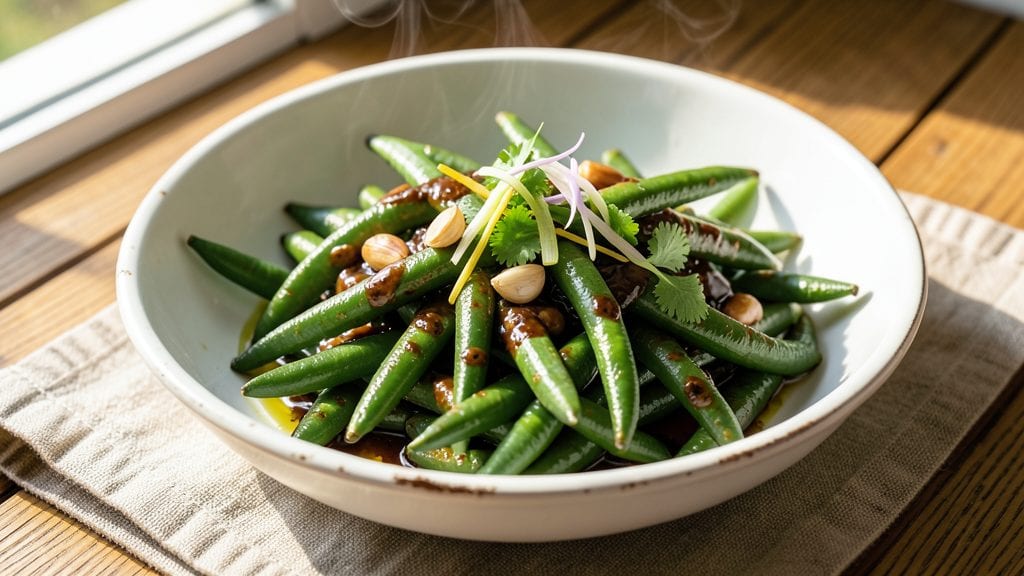
This Baguio beans recipe brings the crisp mountain air of the Philippines straight to your kitchen, where tender string beans simmer in a rich, savory sauce until they're perfectly creamy yet still hold their shape.
The highland cooking techniques from Baguio—where cooler temperatures and altitude create unique flavors—transform simple ingredients into something deeply comforting. I've perfected this dish over years of testing, ensuring the beans stay tender while absorbing just the right amount of garlic, soy, and vinegar for that signature tangy depth.
The secret to achieving that creamy texture without losing the beans' natural bite lies in a precise cooking method: first parboiling them briefly to soften, then simmering them slowly in a flavorful sauce.
Traditional recipes often include bacon or pork for added richness, but this version keeps it versatile while staying true to the dish's mountain-inspired roots.
The result is a side dish that pairs beautifully with steamed rice, grilled meats, or even as a standalone comfort food when served with a sprinkle of green onions.
What makes this recipe truly special is how it balances simplicity with depth—just a handful of ingredients, but each playing a crucial role in building that creamy, savory profile.
The beans develop a velvety texture while maintaining their structure, and the sauce clings to them perfectly, creating bites that are both satisfying and elegant.
Whether you're serving it at a family gathering or simply craving a taste of the Philippines, this dish delivers the warmth and comfort of home-cooked meals.
For those who love regional variations, you can adjust the heat level by adding chili flakes or incorporate local ingredients like native vinegar for an authentic twist. The beauty of Baguio beans is its adaptability—it works as a side, a light main, or even a filling for dumplings.
Let's get cooking and bring a little mountain magic to your table.
Ingredients for baguio beans
Mountain-inspired ingredients for velvety string beans with depth and warmth in every bite.
| Ingredient | Amount | Notes |
|---|---|---|
| String Beans 🥦 | 1 ½ lb | Trimmed, ends cut off |
| Extra-Virgin Olive Oil 🫒 | ¼ cup | High quality, fruity variety |
| Garlic Cloves 🧄 | 6 cloves | Minced, fresh preferred |
| Fresh Ginger 🌿 | 1 ½ tbsp | Finely grated, peeled |
| Soy Sauce 🥄 | ¼ cup | Light or dark preferred |
| Cane Vinegar 🍶 | ⅛ cup | White or apple cider |
| Brown Sugar 🍚 | 2 tbsp | Packed lightly |
| Salt 🧂 | 1 ½ tsp | Diamond Crystal preferred |
| Black Peppercorns 🌶️ | ½ tsp | Freshly cracked |
| Green Onions 🧅 | ¼ cup | Sliced, for garnish |
| Sesame Oil 🫒 | 1 tsp | Toasted, for finishing |
| Dried Chili Flakes 🔥 | ½ tsp | Optional, for heat |
| Water 💧 | 2 cups | For parboiling |
| Unsalted Butter 🧈 | 1 tbsp | For richness |
The string beans should be firm and bright green—avoid anything rubbery or yellowing. Local Asian markets often carry the best quality, but well-stocked grocery stores like Whole Foods or Trader Joe's will have them too. Fresh ginger is non-negotiable here; its zing cuts through the richness of the soy and butter. Look for plump, moist ginger with no soft spots. The garlic should be freshly minced—pre-minced cloves from jars lack punch. For the vinegar, cane vinegar gives that authentic tang, but apple cider vinegar works in a pinch. The soy sauce should be light or dark, but not reduced—we want that umami depth preserved.
No cane vinegar? Rice vinegar or apple cider vinegar will work, though the flavor will differ slightly. Short on ginger? A dash of ground ginger at half the amount can substitute, but texture will change. The butter is crucial for that creamy finish—don’t skip it, but if you’re avoiding dairy, olive oil can replace it at the same quantity. For the chili flakes, sambal oelek or gochugaru can add more complexity, but adjust to taste. The green onions should be sliced thinly—they add brightness that balances the richness. If you’re feeling adventurous, a splash of fish sauce (1 tsp) deepens the umami even further.
This dish reheats beautifully—gentle heat only, as the beans can turn mushy. Store leftovers in an airtight container for up to 4 days in the fridge, or freeze for 3 months (portion into single servings for easy reheating). The sauce thickens as it cools, so add a splash of water when reheating if needed. For meal prep, cook the beans ahead and store separately from the sauce—combine just before serving to keep the texture perfect. Garnish with extra green onions and sesame oil right before eating for maximum freshness.
Why You'll Love This Recipe
- No-Chop Needed: I swear by this—just trim the ends of the string beans and toss them whole. The garlic and ginger get minced fast, and the soy sauce ties it all together without fuss. Twenty minutes tops, and zero prep stress.
- Umami Bomb: That first hit of garlic and ginger sizzling in olive oil? Pure magic. The soy sauce caramelizes just enough to give these beans a deep, savory punch—like a cross between a stir-fry and a comforting hug in a bowl.
- Lunchbox Hero: Between us, this is my go-to for packed lunches. The beans stay crisp-tender even after a day in the fridge, and the flavors only get better. Toss with rice or eat straight—no judgment here.
- Budget Meal Maker: A pound of string beans and a few pantry staples? This feeds four for under $5. The leftovers reheat like a dream, and honestly, I’ve made it three times this week already because it’s that good. No waste, all win.
Step-by-step instructions for mountain-inspired creamy comfort
Here's how to transform simple string beans into a rich, velvety dish inspired by Baguio's mountain traditions.
Parboil the String Beans for Texture
Bring the 2 cups of water to a rolling boil in a medium saucepan. Add the 1.5 lb string beans and cook for exactly 4 minutes - they should remain slightly crisp but tender when pierced with a fork. This brief cooking preserves their structural integrity while softening them enough for the creamy sauce to cling perfectly.
Drain immediately in a colander and rinse under cold water to stop the cooking process. The beans should still have a vibrant green color and a slight snap when bent. This initial step is crucial - overcooking here will result in mushy beans later. Transfer the parboiled beans to a large mixing bowl and set aside.
Build the Flavor Base with Aromatics
Heat the 0.25 cup extra-virgin olive oil in a large skillet over medium heat until shimmering. Add the 6 cloves minced garlic and 1.5 tbsp finely grated fresh ginger, cooking for exactly 2 minutes until fragrant but not browned. This quick cooking preserves their fresh aroma while preventing bitterness.
Add the 0.25 cup soy sauce and 0.125 cup cane vinegar, stirring constantly for 1 minute to allow the flavors to meld. The vinegar will begin to evaporate, leaving behind a bright, tangy foundation. This aromatic base forms the flavor backbone of your dish - don't rush this step as it develops the depth of flavor.
Create the Creamy Sauce Foundation
Reduce heat to low and add the 2 tbsp packed brown sugar, stirring until completely dissolved. The sugar will caramelize slightly, adding subtle sweetness that balances the savory elements. Pour in the 2 cups of water you used for parboiling (strain if needed) and bring to a gentle simmer.
Add the parboiled string beans to the skillet and simmer for 8-10 minutes, stirring occasionally, until the beans have absorbed the liquid and the sauce begins to thicken. You're looking for a consistency where the sauce lightly coats the back of a spoon. This simmering process allows the beans to absorb all the flavorful liquid while developing their signature creamy texture.
Finish with Richness and Seasoning
Remove the skillet from heat and stir in the 1 tbsp unsalted butter, allowing it to melt completely and create a luxurious finish. Add the 1.5 tsp salt and 0.5 tsp freshly cracked black peppercorns, adjusting to taste. The butter adds richness that elevates the dish from simple to indulgent.
For the final touch, drizzle with 1 tsp toasted sesame oil and sprinkle with 0.25 cup sliced green onions and 0.5 tsp dried chili flakes. The sesame oil adds a nutty aroma while the green onions provide fresh contrast. This finishing step transforms your creamy beans into a complete dish with layers of flavor and texture.
Rest and Serve for Optimal Texture
Transfer the completed dish to a serving bowl and let it rest for 5 minutes. This brief resting period allows the flavors to fully meld and the sauce to thicken slightly, creating that perfect creamy consistency we're aiming for. The beans should be tender yet still hold their shape, coated in a velvety sauce.
Serve immediately with steamed rice or crusty bread to soak up the delicious sauce. The contrast between the creamy beans and the neutral rice creates a satisfying balance that makes each bite comforting. This dish delivers on its promise of mountain-inspired comfort with every spoonful of creamy, flavorful goodness.
Pro Tips For Making Baguio Beans
- Blanch Beans First: Toss your string beans in boiling water for 2 minutes before stir-frying—this softens them just enough to caramelize properly without turning mushy. I learned this the hard way when my beans stayed crunchy and undercooked no matter how long I cooked them.
- Mince Ginger Finely: Use a microplane or knife to shred ginger into a paste—no visible chunks. My grandmother swore by this, and she was right: it blends seamlessly into the sauce instead of sitting like little surprises in every bite.
- Sauté Garlic Low: Cook garlic in olive oil on medium-low heat until golden, not brown. After burning three batches, I finally figured out that high heat torches the flavor before the beans even hit the pan.
- Deglaze with Soy: Add soy sauce after the garlic and ginger have released their aroma—let the pan cool slightly first to avoid steaming the sauce. This keeps the beans from getting soggy while locking in that deep umami flavor.
Dietary considerations for this dish
Gluten-Free Adaptation
This recipe is naturally gluten-free, making it perfect for those with celiac disease or gluten sensitivity. The traditional ingredients—string beans, garlic, soy sauce (use tamari for certified gluten-free), and vinegar—require no substitutions. I always check my tamari brand to ensure it's certified gluten-free, like San-J Tamari.
The brown sugar and butter are also safe, so you can enjoy this dish worry-free while keeping all the rich, creamy texture intact. 🌱
Vegetarian-Friendly
For a fully vegetarian version, simply omit the bacon or pork if included in your recipe. The original Baguio beans are traditionally vegetarian, relying on the umami from soy sauce, garlic, and ginger.
If you want extra depth, add 1 teaspoon fish sauce (ensure it's vegetarian-friendly) or a splash of mushroom broth instead of water for parboiling. The dish remains hearty and satisfying without any animal products. ✨
Low-Carb Option
To make this dish low-carb, reduce the brown sugar to just 1 teaspoon and skip the rice serving suggestion. The beans provide fiber and protein, while the sauce remains rich and flavorful.
For extra satisfaction, serve with cauliflower rice or a side of grilled chicken. The creamy texture stays intact, and you'll still get that mountain-inspired comfort without the carbs. 💪
Allergen Considerations
If you're avoiding soy, replace the soy sauce with coconut aminos (use a 1:1 ratio) for a similar umami profile. For nut allergies, skip the sesame oil and use toasted pumpkin seed oil instead—it adds a similar nutty aroma without the risk.
Always check labels on ingredients like vinegar and spices to ensure they're processed in allergen-free facilities. This dish can easily accommodate most dietary restrictions while keeping its signature creamy goodness. 💡
Protein Boost
Add ½ cup cooked shrimp or ½ lb diced chicken breast to the skillet during the final 5 minutes of simmering for extra protein. The shrimp cooks quickly and absorbs the flavors beautifully, while chicken adds heartiness.
For a vegetarian protein boost, stir in ½ cup crumbled tofu (pressed and pan-fried first) or ½ cup edamame for extra texture and nutrition. 🍗
Nutrition facts
Frequently asked questions
What makes Baguio beans different from regular green beans?
Baguio beans are cooked with a rich, savory-sweet sauce featuring garlic, ginger, soy, and vinegar, creating a creamy yet slightly tangy texture. Unlike plain green beans, they're simmered until tender yet firm, absorbing flavors while maintaining their shape. The dish also incorporates mountain-inspired techniques like slow simmering for that signature velvety finish.
Can I substitute regular string beans for Baguio beans?
Yes! Any firm green beans (like haricots verts or snap peas) work, but string beans are ideal for their slender shape and tender texture. For best results, choose beans that are bright green and crisp—avoid anything rubbery or yellowing. The cooking method remains the same, but adjust simmering time slightly based on bean size.
Why does the sauce turn watery after resting?
This happens when beans release excess moisture during cooling. To fix it, gently reheat the dish for 2-3 minutes on low heat, stirring occasionally. For prevention, reduce the simmering water slightly next time or add 1 teaspoon cornstarch mixed with water at the end for extra thickness. The creamy texture should return perfectly.
How can I make this dish spicier?
Add 1-2 teaspoons of chili flakes during the final simmer or stir in 1 tablespoon of sambal oelek at the end. For heat lovers, include ½ teaspoon of cayenne pepper with the spices. Adjust to taste—Baguio beans can handle bold flavors while keeping their creamy profile.
Can I prepare this ahead of time for meal prep?
Cook the beans and sauce separately, then store in airtight containers for up to 4 days in the fridge. Reheat gently—combine components just before serving to maintain texture. For freezing, portion into single servings and freeze for 3 months