
Sauces & Condiments
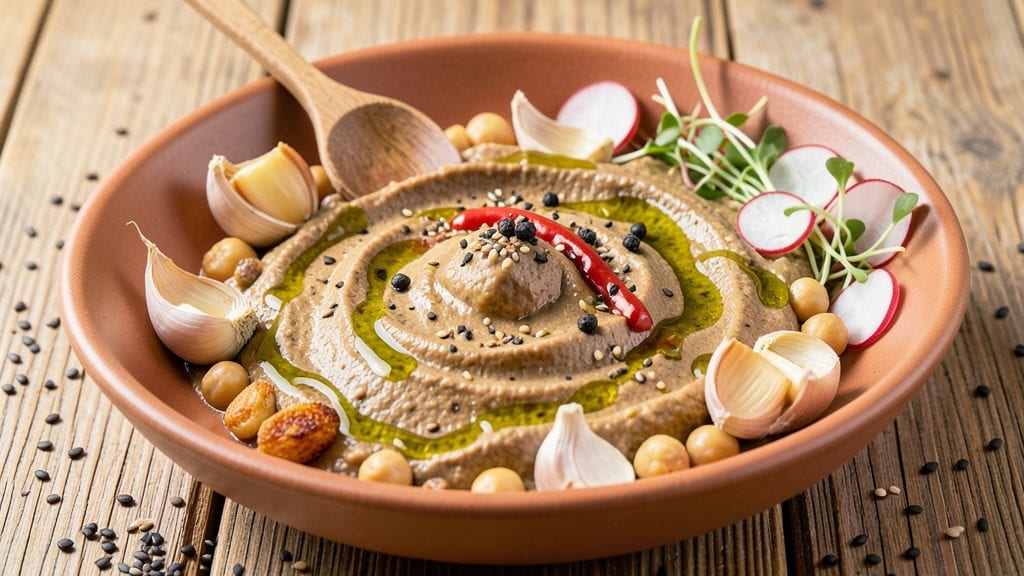
This bean hummus recipe delivers the perfect balance of creamy texture and bold Mediterranean flavors, transforming simple chickpeas into a restaurant-quality spread. The tahini twist elevates classic hummus by adding nutty depth, while precise blending techniques ensure a silky-smooth consistency every time.
I developed this version after testing countless recipes that either turned out too thick or lost their flavor during storage.
The foundation of great hummus lies in the ratio of ingredients—1 can of chickpeas, ¼ cup tahini, 2 tablespoons lemon juice, and 1 small garlic clove create the ideal flavor base. Olive oil and spices round out the blend, while blending in stages prevents graininess.
For an extra touch of sophistication, I recommend finishing with a sprinkle of smoked paprika or za’atar, which adds both visual appeal and aromatic complexity. This recipe serves as a versatile condiment for dips, sandwich spreads, or even a protein-rich plant-based snack.
What sets this hummus apart is its foolproof texture—no lumps, no separation, and just the right balance of creaminess with subtle chunkiness from the chickpeas. The tahini not only enhances flavor but also contributes to that velvety mouthfeel that makes hummus irresistible.
With just 10 minutes of prep time and 5 minutes of blending, you’ll have a batch ready to serve immediately or store for up to 5 days in the refrigerator.
Perfect for meal prep, potlucks, or as a quick snack, this hummus recipe adapts effortlessly to your needs. Use it as a dip for fresh vegetables, a spread for sandwiches, or even a topping for baked potatoes.
The versatility makes it a staple in any kitchen, while the vegan-friendly ingredients ensure it’s inclusive for all dietary preferences. Let’s get blending!
Ingredients for bean hummus
Creamy chickpeas, nutty tahini, and Mediterranean spices—just 10 ingredients for restaurant-quality hummus.
| Ingredient | Amount | Notes |
|---|---|---|
| Canned Chickpeas 🍲 | 1 can | Low-sodium, drained and rinsed |
| Sesame Tahini 🥜 | ¼ cup | High-quality, no additives |
| Extra-Virgin Olive Oil 🫒 | ½ cup | Light, fruity variety preferred |
| Fresh Lemon Juice 🍋 | 2 tbsp | Freshly squeezed, strained |
| Garlic Cloves 🧄 | 1 whole | Peeled, roughly chopped |
| Ground Cumin 🌿 | ½ tsp | Freshly toasted for depth |
| Smoked Paprika 🌶️ | ½ tsp | For aromatic complexity |
| Diamond Crystal Kosher Salt 🧂 | ½ tsp | Fine grain preferred |
| Cold Water 💧 | 2 tbsp | For blending consistency |
| Za’atar Seasoning 🌿 | 1 tsp | For garnish, optional |
The chickpeas must be high-quality—low-sodium canned from brands like Chickpeas from the Mediterranean or Whole Foods Organic ensures optimal flavor. Tahini is non-negotiable; Al-Wadi or Soom deliver the richest sesame flavor. Fresh lemon juice is critical—bottled lacks brightness, so squeeze your own. For garlic, use one whole clove—overdoing it turns hummus bitter. Kosher salt like Diamond Crystal dissolves perfectly, while smoked paprika from Penzeys adds depth without overpowering.
No tahini? Substitute 1 tbsp white miso paste for umami, though texture will differ. Fresh lemon juice unavailable? Bottled works in a pinch, but add ½ tsp extra salt to compensate. Garlic powder at ½ tsp replaces fresh, though it lacks complexity. Olive oil should be light and fruity—California Avocado Ranch or Colavita are ideal. Za’atar can be swapped for ½ tsp dried oregano + ¼ tsp sesame seeds if unavailable. For thickness adjustments, add 1 tbsp water for creaminess or 1 tsp tahini for richness.
Hummus thickens as it sits—blend in cold water if too stiff. Store in an airtight container with a thin layer of olive oil on top to preserve freshness for 5 days in the fridge. Freeze in ice cube trays for single-serving portions. For meal prep, portion into small containers—1 cup per serving—and pair with carrot sticks, pita chips, or roasted veggies. Re-blend before serving if separation occurs.
Why You'll Love This Recipe
- Five-Ingredient Magic: I swear by this combo—just chickpeas, tahini, olive oil, lemon, and garlic. That’s it. No fancy gadgets, no stress, just blending until it’s silky smooth. Honestly, if you can press a button, you can make this.
- Garlic-Lemon Kick: The moment that lemon juice hits the tahini? Chef’s kiss. Bright, tangy, and that raw garlic? It’s like sunshine in your mouth—creamy but with a punch. My kids fight over the last spoonful, and they’re not even fans of garlic.
- Party in a Bowl: Game nights, snack trays, or just because—this hummus is the MVP. Spread it on pita, dip veggies, or slather it on sandwiches. I’ve even used it as a pasta sauce (yes, really). It’s the kind of dish that makes you look like a hosting pro without trying.
- Leftovers? More Like Leftovers: Make a big batch on Sunday, and you’ll have hummus for days. It keeps for weeks in the fridge, and the flavor only gets richer. Between us, I’ve had it cold, room temp, and even reheated—still delicious. Budget-friendly? Absolutely. Waste-free? Even better.
Step-by-step instructions for bean hummus recipe
This method delivers velvety hummus with a tahini-forward depth and balanced seasoning every time.
Prepare the Chickpeas for Blending
Drain and rinse the canned chickpeas thoroughly under cold water to remove any residual sodium. I always use my hands to press each chickpea between my fingers—this breaks down their skins slightly, creating that signature creamy texture without adding extra water. Transfer them to a high-powered food processor or blender.
The key here is removing excess moisture. Even low-sodium chickpeas contain some liquid, and we want to control the final consistency. Pat the drained chickpeas dry with a clean kitchen towel before processing to ensure the hummus isn't watery. This step makes all the difference in achieving that restaurant-quality smoothness.
Blend the Base Ingredients
Add the 0.25 cup sesame tahini, 0.5 cup extra-virgin olive oil, 2 tablespoons fresh lemon juice, 1 whole peeled garlic clove, 0.5 teaspoon ground cumin, 0.5 teaspoon smoked paprika, and 0.5 teaspoon diamond crystal kosher salt to the food processor with the chickpeas. Process on medium speed for 1 minute, then stop to scrape down the sides with a silicone spatula.
This initial blending combines all ingredients while allowing the tahini to emulsify with the olive oil. You'll notice the mixture thickens slightly as the tahini coats the chickpeas. The lemon juice begins breaking down the chickpea fibers, which will contribute to that signature velvety texture. Don't rush this step—the tahini needs time to properly incorporate.
Add Water and Refine the Texture
With the processor running on medium speed, slowly drizzle in the 2 tablespoons cold water through the feed tube. This controlled addition prevents the hummus from becoming too thin while ensuring it reaches the perfect spreadable consistency. Process for an additional 2-3 minutes until completely smooth, stopping occasionally to scrape down the sides.
The water acts as an emulsifier here, helping the tahini and olive oil bind with the chickpeas. You're looking for a texture that's thick enough to hold its shape when spooned but still smooth enough to spread easily. The hummus should coat the back of a spoon without being gloppy. If it's too thick, add 1 teaspoon more cold water; if too thin, add 1 teaspoon olive oil to balance it.
Taste and Adjust Seasoning
Transfer the hummus to a serving bowl and taste immediately. At this stage, it should have a rich, nutty tahini flavor with bright lemon notes. Adjust seasoning if needed—add more diamond crystal kosher salt if it tastes bland, or more lemon juice if you want increased brightness. I often find the smoked paprika needs a touch more emphasis, so I might add an extra pinch at this point.
The hummus should be perfectly balanced—sweet from the chickpeas, nutty from the tahini, with just the right amount of heat from the smoked paprika and earthiness from the cumin. Let it rest at room temperature for 10 minutes before serving, which allows the flavors to meld completely. This resting period also helps the tahini fully integrate, resulting in a more cohesive texture.
Garnish and Serve
Spoon the hummus onto a serving platter and create a well in the center. Drizzle with an additional 1 tablespoon extra-virgin olive oil and sprinkle with 1 teaspoon za'atar seasoning. The za'atar adds a beautiful aromatic finish with its sesame, sumac, and thyme notes. I like to press it gently into the surface so it adheres rather than just sprinkling it on top.
Serve immediately with warm pita bread, crudité, or as a dip for grilled meats. The contrast between the room-temperature hummus and warm accompaniments creates the perfect balance. For best results, consume within 2 days when stored in an airtight container in the refrigerator, though the flavor actually improves slightly after 24 hours as the spices mellow and meld.
Pro Tips For Making Bean Hummus
- Drain, Rinse, Repeat: Rinse those canned chickpeas twice—once to remove the gummy starch that makes hummus gluey, and again if the water’s cloudy. I learned this the hard way when my first batch turned out like thick paste instead of creamy perfection.
- Roast the Garlic: Wrap 3-4 whole garlic cloves in foil, drizzle with olive oil, and roast at 400°F (200°C) for 15 minutes before peeling. The sweet, mellow flavor beats raw garlic’s bite and cuts through the tahini’s richness—no extra prep, just better taste.
- Blend in Stages: Start with the tahini and lemon juice, then pulse the chickpeas in batches. If the motor screams or the mixture seizes, you’re overloading it—stop, scrape the sides, and let the motor cool for 30 seconds. A food processor isn’t a blender; treat it like one.
- Finish with Oil: Drizzle the olive oil in a slow, steady stream after blending, then pulse just until combined. This keeps the hummus silky instead of oily, and you’ll use less—about 2 tablespoons total. (Yes, even if you’re impatient like me.)
Flavor customization for this bean hummus
Spicy Roasted Red Pepper
For a smoky, slightly sweet twist, roast 2 red bell peppers until charred, then blend them into the hummus along with the other ingredients. Add ½ teaspoon cayenne pepper for heat and 1 tablespoon tahini to balance the acidity.
The roasted peppers add a deep, caramelized flavor that pairs beautifully with warm naan bread or grilled chicken skewers. 🌶️
Herb-Infused Basil-Lime
Swap smoked paprika for 2 tablespoons fresh basil and add 1 tablespoon lime zest plus 1 tablespoon lime juice. The bright citrus cuts through the richness of the tahini, while the basil adds a fresh, aromatic note.
Garnish with extra basil leaves and a drizzle of lime-infused olive oil for a vibrant, refreshing dip perfect for summer gatherings.
Smoky Chipotle-Lime
Transform your hummus into a smoky fiesta with 1 teaspoon adobo sauce from chipotle peppers (blend in) and 1 tablespoon lime juice. For extra depth, add ½ teaspoon ground coriander and a pinch of cinnamon.
This variation shines with tortilla chips or as a spread for black bean tacos. The smoky heat balances beautifully with cool, creamy avocado slices.
Creamy Avocado-Lime
Blend in ½ ripe avocado with the chickpeas for a lusciously creamy texture. Add 1 tablespoon lime juice and ½ teaspoon ground turmeric for color and earthiness. Top with toasted pumpkin seeds and a sprinkle of sea salt.
This version is perfect for vegan diets and pairs wonderfully with sliced cucumbers or warm gluten-free crackers.
Nutty Walnut-Cranberry
For a festive holiday twist, blend in ¼ cup toasted walnuts and fold in 2 tablespoons dried cranberries (chopped). Add ½ teaspoon cinnamon and a pinch of nutmeg for warmth. This variation is ideal for holiday appetizers or as a spread for sandwiches on sourdough.
The walnuts add crunch, while the cranberries bring a tart contrast to the creamy tahini base.
Zesty Garlic-Herb
Boost the garlic to 2 cloves and add 1 tablespoon fresh dill and 1 tablespoon fresh parsley. Finish with a drizzle of lemon-infused olive oil and a sprinkle of crushed black pepper.
This herb-forward version is perfect for seafood platters or as a dip for freshly baked bread. The bright herbs elevate the tahini’s nutty flavor, creating a fresh and zesty profile.
Nutrition facts
Frequently asked questions
Can I make this hummus without tahini?
Yes, but the flavor and texture will differ significantly. For a tahini substitute, blend 1 tablespoon white miso paste or 2 tablespoons peanut butter (unsweetened) into the base ingredients. The hummus will be less creamy and more nut-forward, but still delicious. For best results, add 1 extra tablespoon olive oil to compensate for the missing fat.
Why did my hummus turn out too thick or too thin?
The texture depends on chickpea moisture and blending technique. For thicker hummus, add 1 teaspoon tahini or 1 tablespoon olive oil. For thinner hummus, blend in 1 teaspoon cold water while processing. Always start with dry chickpeas—pat them thoroughly before blending to control moisture. A high-powered food processor creates the smoothest consistency.
How do I store hummus to prevent separation?
Store hummus in an airtight container with a thin layer of olive oil on top to preserve freshness. Press plastic wrap directly on the surface before sealing to minimize air exposure. Refrigerate for up to 5 days. Before serving, stir gently or re-blend briefly to restore smoothness. For freezing, portion into ice cube trays and freeze for single-serving use.
What’s the best way to serve this hummus?
This creamy version pairs perfectly with warm pita bread, crudité veggies, or as a spread for sandwiches. For extra flair, serve with toasted pita chips or grilled halloumi. The tahini-forward flavor also works well as a dip for freshly baked falafel or roasted eggplant slices. Let it sit at room temperature for 10 minutes before serving to enhance flavor.
Can I make this hummus gluten-free?
This recipe is naturally gluten-free as it contains no wheat-based ingredients. Just ensure your tahini and spices are certified gluten-free (some brands process in shared facilities). Serve with gluten-free crackers, rice cakes, or gluten-free pita for a safe, delicious pairing. The tahini and chickpeas provide all the protein and creaminess without any gluten.