
Main Courses
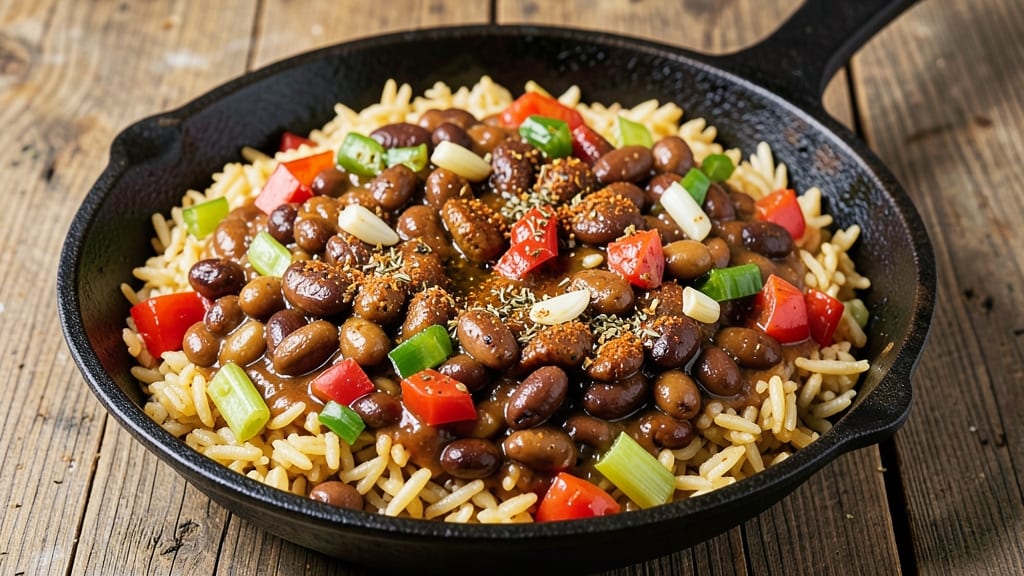
This vegetarian bean jambalaya recipe delivers all the smoky, spice-packed flavor of a classic Creole dish—without any meat. The secret lies in building layers of flavor through slow simmering, where the holy trinity of onions, bell peppers, and celery forms the aromatic base for cayenne, paprika, and thyme.
I perfected this one-pot version after years of testing, ensuring every bite delivers that perfect balance of heat, depth, and hearty texture.
The beauty of this recipe is its simplicity: one pot, minimal prep, and a 30-minute cook time that transforms basic ingredients into a restaurant-worthy meal. The beans absorb the rich, smoky broth while the rice cooks through, creating a dish that's both satisfying and adaptable.
Whether you're feeding a crowd or meal prepping for the week, this jambalaya holds up beautifully—just reheat with a splash of broth to restore its creamy texture.
By the time you serve it, you’ll have a smoky, spice-packed one-pot feast with tender beans, perfectly cooked rice, and a sauce that’s rich enough to stand alone.
Garnish with fresh green onions or a drizzle of hot sauce for an extra kick, and serve with crusty bread to soak up every last drop. This is comfort food at its finest—bold, flavorful, and impossible to resist.
Best of all, this version works year-round, though it’s especially welcome during cooler months when hearty, warming meals are most appreciated. The flavors only deepen as it sits, making it perfect for leftovers. Let’s get cooking!
Ingredients for bean jambalaya
One-pot magic with bold Creole flavors—no meat needed. Just 15 simple ingredients transform into smoky, spice-packed perfection.
| Ingredient | Amount | Notes |
|---|---|---|
| Long-Grain White Rice 🍚 | 2 cups | Uncooked, medium-grain preferred |
| Dried Brown Beans 🌱 | 1 ½ cups | Soaked overnight or quick-soaked |
| Yellow Onion 🧅 | 1 ½ whole | Diced small, part of holy trinity |
| Green Bell Pepper 🌶️ | 1 whole | Diced small, part of holy trinity |
| Celery Stalk 🥬 | 3 whole | Diced small, part of holy trinity |
| Garlic Cloves 🧄 | 4 cloves | Minced fine for depth of flavor |
| Smoked Paprika 🌶️ | 2 tbsp | Key for authentic smoky flavor |
| Dried Thyme 🌿 | 1 tbsp | Or 1 tbsp fresh thyme leaves |
| Ground Cayenne Pepper 🔥 | 1 tsp | Adjust for heat preference |
| Vegetable Broth 💧 | 3 cups | Low-sodium preferred, homemade best |
| Tomato Paste 🍅 | 2 tbsp | High-quality for richness |
| Extra-Virgin Olive Oil 🫒 | ½ cup | For sautéing and richness |
| Lemon Juice 🍋 | 1 tbsp | Brightens flavors at the end |
| Salt 🧂 | 1 ½ tsp | Kosher or sea salt preferred |
| Black Pepper 🌶️ | ½ tsp | Freshly ground for best flavor |
The holy trinity—yellow onion, green bell pepper, and celery—is non-negotiable for that classic jambalaya base. Grab them fresh from the produce section—Trader Joe's or Whole Foods have the best selection. For the beans, dried brown beans (not canned) give the best texture, but canned black beans work in a pinch if you're short on time. The smoked paprika is where the magic happens—Penzeys or Gourmet Spice Shop sell the best quality, but any good grocery store brand will do. Toast your spices lightly in the pot before adding liquids—this wakes up their flavors and makes everything taste deeper.
No smoked paprika? Substitute 1 tbsp regular paprika plus 1/2 tsp liquid smoke—it's a game-changer. Fresh thyme is ideal, but if you only have dried, use half the amount listed. The tomato paste can be skipped if you dislike its intensity, but I promise it adds richness. For the broth, homemade vegetable broth is best, but low-sodium store-bought works fine. Need to adjust heat? Taste as you go—cayenne packs serious heat, so start small. The lemon juice at the end is essential—it brightens everything up and balances the smokiness. Pro tip: Use a squeeze bottle for the lemon juice to avoid mess.
This dish tastes even better the next day as the flavors meld. Store leftovers in an airtight container in the fridge for up to 5 days. For meal prep, portion into containers with a splash of broth—reheat with extra broth to restore creaminess. Freezes beautifully for 3 months, though the rice texture might get slightly softer. Garnish with fresh green onions or hot sauce before serving—hot sauce adds a fresh kick that cuts through the richness. Serve with crusty bread to soak up every last drop of that smoky, spice-packed goodness.
Why You'll Love This Recipe
- One-Pot Magic: I swear by this—just brown the beans, toss in the onions, peppers, and celery (that classic "holy trinity" combo), then let the rice soak up the broth. No extra pans, no fuss. My hands stay clean while the flavors meld together.
- Smoky Bean Hug: Between the dried brown beans and the slow simmer, this dish gets this deep, earthy richness that’s ridiculously satisfying. The bell pepper adds a bright kick, but it’s the beans that steal the show—tender, flavorful, and packed with that smoky depth.
- Meal Prep MVP: Make a double batch on Sunday, and you’ve got lunch for the week. The rice stays fluffy, the beans hold their shape, and the flavors only get better as it sits. I pack it in containers with a sprinkle of green onions—zero effort, maximum taste.
- Budget-Friendly Powerhouse: Dried beans and long-grain rice? Check. Onions, peppers, and celery? Pantry staples. This feeds four for under $10 and still feels like a special meal. Plus, leftovers taste just as good reheated—proof that simple ingredients can be a game-changer.
Step-by-step instructions for smoky spice-packed one-pot feast
This jambalaya comes together in one pot with layers of smoky, spicy goodness that'll have everyone asking for seconds.
🍳 Step 1: Sauté the Holy Trinity and Build the Flavor Base
Heat the 0.5 cup extra-virgin olive oil in a large Dutch oven over medium-high heat. Add the 1.5 whole yellow onion, 1 whole green bell pepper, and 3 whole celery stalks, all diced small. Cook for 8-10 minutes until the vegetables soften and begin to caramelize at the edges—that's when you know the sweetness will develop.
Real talk: Don't rush this step. The deeper the caramelization, the more complex your jambalaya will taste. I stir occasionally but let those vegetables get some good browning time. When they're tender and the onions are translucent, add the 4 cloves minced garlic cloves and cook for another 30 seconds until fragrant. That garlic aroma is the foundation of everything that comes next.
🍳 Step 2: Toast the Spices and Add the Beans
Lower the heat to medium and add the 2 tbsp smoked paprika, 1 tbsp dried thyme, and 1 tsp ground cayenne pepper. Stir constantly for 1 minute to toast the spices and release their essential oils—this is what gives jambalaya its signature smoky depth. You'll smell that earthy, spicy aroma filling your kitchen, and that's exactly what you want.
Next, add the 1.5 cups dried brown beans (if using quick-soaked beans) and stir to coat them evenly with the spices. Pour in the 3 cups vegetable broth and bring everything to a gentle boil. Once boiling, reduce heat to low, cover, and let the beans simmer for 20 minutes. This pre-cooking ensures they'll be tender by the end without turning mushy.
🍳 Step 3: Stir in Rice and Tomato Paste
After the beans have simmered, add the 2 cups long-grain white rice and the 2 tbsp tomato paste. Stir everything together gently but thoroughly to distribute the rice evenly. The tomato paste will add a rich, umami depth that balances the smoky spices. Increase heat to medium-high and bring the mixture to a boil again.
Here's the thing—once it boils, immediately reduce heat to low, cover tightly, and let it cook undisturbed for 20 minutes. I know it seems counterintuitive to walk away, but this steaming time is crucial. It allows the rice to absorb liquid evenly and develop that perfect texture. Just resist the urge to peek or stir—trust the process.
⏰ Step 4: Simmer and Develop the Flavor
After the initial 20 minutes, uncover the pot and stir gently once. Add the 1.5 tsp salt and 0.5 tsp black pepper, then increase heat to medium-low. Let it simmer uncovered for another 15-20 minutes, stirring occasionally, until the liquid has mostly evaporated and the rice is tender but still slightly firm in the center.
You'll know it's ready when the top layer of rice looks dry and the sides of the pot are lightly crusting—this indicates the starches have gelled properly. If it's still too wet after 20 minutes, cover and let it steam for another 5 minutes. The beans should be tender but not falling apart, and the flavors should be deeply integrated.
🍋 Step 5: Finish with Lemon Juice and Rest
Once the rice is perfectly cooked, remove from heat and stir in the 1 tbsp lemon juice. This bright citrus note cuts through the richness and adds a fresh finish that makes the whole dish sing. Let the jambalaya rest, covered, for 10 minutes—this resting period allows the flavors to meld completely and the rice to finish absorbing any remaining liquid.
Serve immediately with crusty bread or over steamed greens. The jambalaya should have a rich, smoky aroma with layers of spice and sweetness from the caramelized vegetables. Each bite should deliver tender beans, perfectly cooked rice, and that complex spice blend working together in harmony. And remember, the longer it sits, the better it tastes—this dish only gets more flavorful as it cools.
Pro Tips For Making Bean Jambalaya
- Soak Beans Overnight: I learned this the hard way—skipping the soak leaves you with beans that stay stubbornly firm. Toss dried brown beans in water for at least 12 hours, then drain and rinse before cooking. Your jambalaya will thank you with a creamy, tender texture that blends right into the dish.
- Sauté the Holy Trinity: Don’t just chop the onion, bell pepper, and celery—cook them properly. Sauté until the onion turns translucent and the celery softens (about 8-10 minutes on medium heat). This builds flavor that raw veggies can’t match, and it prevents a mushy final dish.
- Use a 1:2 Rice Ratio: Jambalaya isn’t a rice pilaf—it’s a hearty stew where rice absorbs liquid while staying separate. For every cup of rice, use 2 cups of broth or liquid. Too much rice? It’ll turn gluey. Too little? You’ll regret it later.
- Simmer, Don’t Boil: After adding the rice and beans, keep the heat low and let it bubble gently. Boiling burns the rice and makes it grainy. A slow simmer (about 15-20 minutes) ensures fluffy, individual grains that soak up all that rich jambalaya flavor.
Serving suggestions for this dish
Crusty Bread Pairing
Serve this jambalaya with crusty French bread or sourdough to soak up every last drop of that smoky, spice-packed sauce. I recommend Baguette from Trader Joe’s—its crispy crust contrasts perfectly with the soft, flavorful jambalaya. For extra indulgence, toast slices and rub with a garlic clove before serving. 🍞
Cornbread Comfort
A classic Southern pairing, sweet cornbread adds a buttery, slightly sweet contrast to the spicy jambalaya. I love using Jiffy cornbread mix for convenience, but homemade with stone-ground cornmeal and honey takes it to the next level. Serve warm with a pat of butter melting on top.
Fresh Greens Balance
Lighten the meal with a side of steamed collard greens or kale tossed with lemon juice and red pepper flakes. The bitterness of the greens cuts through the richness, while the lemon brightens the dish. For extra protein, add grilled tofu or white beans to the greens.
Hot Sauce Garnish
Finish each serving with a drizzle of hot sauce—I recommend Crystal or Louisiana-style for that authentic kick. A sprinkle of chopped green onions adds freshness, while crumbled feta cheese brings a tangy contrast. For a smoky touch, top with crumbled smoked paprika right before serving. 🌶️
Creamy Avocado Twist
Add a creamy avocado slice or guacamole for a refreshing, cool contrast. Mash ½ avocado with lime juice, cilantro, and salt for a quick topping. The healthy fats balance the spice, making each bite more satisfying. This works especially well for a lighter lunch option.
Leftovers Reinvention
Transform leftover jambalaya into tacos or quesadillas the next day. Spread on corn tortillas with shredded cheese and sour cream, or stuff into flour tortillas with avocado for a hearty breakfast. The flavors only deepen overnight, making this dish even more versatile. ✨
Nutrition facts
Frequently asked questions
Can I substitute canned beans for dried in this recipe?
Yes! Use 2 (15-oz) cans of black beans or pinto beans, drained and rinsed, in place of the dried brown beans. For best texture, add them with the broth and simmer for 10 minutes to let them absorb the flavors. Canned beans work perfectly but won’t develop the same deep flavor as dried.
How do I adjust the heat level in this jambalaya?
Start with the 1 tsp cayenne pepper as written, then adjust to taste. For milder heat, reduce to ½ tsp or swap for ½ tsp smoked paprika only. For extra spice, add ½ tsp red pepper flakes or a dash of hot sauce at the end. Always taste before serving!
Why did my jambalaya turn out mushy?
Mushy jambalaya usually means the rice absorbed too much liquid or was overcooked. Ensure you reduce heat to low after the rice boils, cover tightly, and cook undisturbed. If it’s still too wet after 20 minutes, uncover and simmer 5 more minutes to evaporate excess liquid. For next time, use 1:1.5 rice-to-broth ratio (2 cups rice to 3 cups broth).
Can I make this jambalaya in a slow cooker?
Sauté the holy trinity and spices in a skillet first, then transfer everything to a 6-quart slow cooker. Cook on LOW for 4-5 hours or HIGH for 2-3 hours, stirring once halfway. Add ½ cup broth if needed to reach desired consistency. The slow cooker deepens the flavors even more!
What’s the best way to reheat leftover jambalaya?
Reheat in a pot over medium-low heat, stirring occasionally and adding 2-3 tbsp broth or water to restore creaminess. For microwave reheating, cover with a damp paper towel and heat in 1-minute intervals, stirring between each. Never reheat dry—it’ll turn rubbery!