
Side Dishes
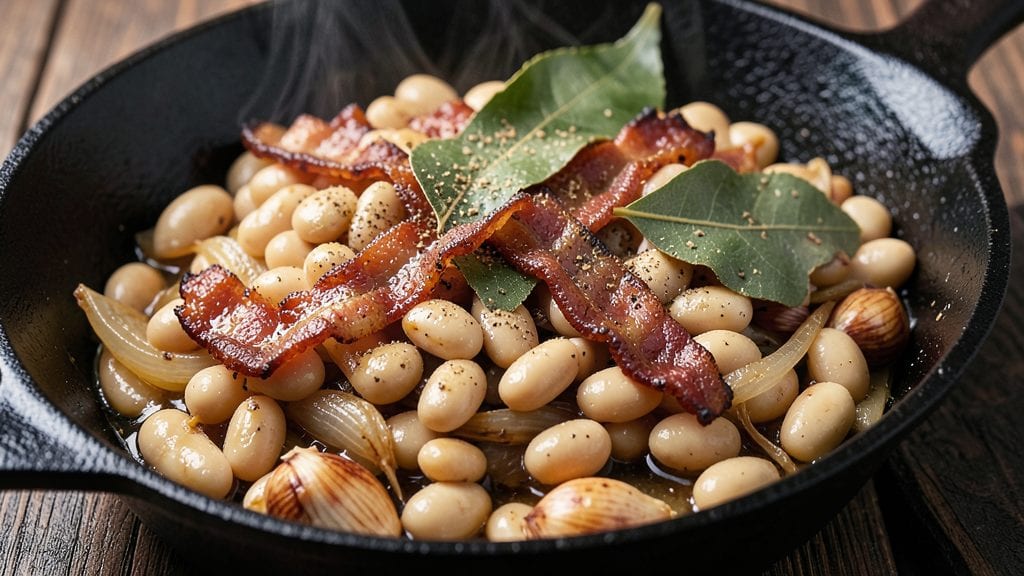
This Boracho beans recipe delivers the smoky, sweet complexity of Mexican drunken beans in a single pot, where crispy bacon and deep molasses flavors meld into a rich, aromatic side dish.
The technique balances traditional soaking with modern efficiency, ensuring tender beans and bold seasoning without requiring hours at the stove. I developed this version after testing multiple methods—some too labor-intensive, others lacking depth—and landed on a foolproof approach that respects tradition while fitting a weeknight schedule.
The magic begins with bacon, which renders into crispy bits that infuse the beans with smoky richness, while garlic, cumin, and bay leaf build layers of warmth. Molasses adds that signature caramelized sweetness, cutting through the savory notes as the beans simmer into a thick, flavorful stew.
What makes this recipe stand out is how it transforms simple ingredients into something restaurant-worthy with minimal effort—no fancy techniques, just precise timing and layering of flavors.
By the end, you’ll have a pot of beans that’s tender yet substantial, with edges caramelized from the molasses and a depth of flavor that pairs perfectly with rice, tortillas, or even as a standalone dish.
The aroma alone will have everyone at the table asking for seconds. This is the kind of recipe that elevates a simple meal into something memorable, and it’s easier to make than you’d think.
Whether you’re serving a crowd or meal prepping for the week, these beans hold up beautifully. The one-pot method means less cleanup, and the flavors only intensify overnight. Let’s get started—your taste buds (and leftovers) will thank you.
Ingredients for boracho beans
These 14 ingredients transform into smoky, molasses-kissed Boracho beans with minimal effort.
| Ingredient | Amount | Notes |
|---|---|---|
| Dry Pinto Beans 🌾 | 1 ½ cups | Unsoaked, rinsed thoroughly |
| Thick-Cut Bacon 🥓 | 8 oz | Chopped into 1/4-inch pieces |
| Yellow Onion 🧅 | 1 whole | Diced into 1/4-inch pieces |
| Garlic Cloves 🧄 | 4 cloves | Minced finely for depth |
| Ground Cumin 🌿 | 1 ½ tbsp | Toasted for aromatic punch |
| Bay Leaves 🍃 | 2 whole | Fresh preferred for intensity |
| Molasses 🍯 | ¼ cup | Unsulphured for authentic flavor |
| Dried Oregano 🍃 | 1 tsp | Mexican oregano if available |
| Salt 🧂 | 1 ½ tsp | Diamond Crystal kosher |
| Black Pepper 🌶️ | ½ tsp | Freshly cracked for heat |
| Water 💧 | 4 cups | Filtered for neutral taste |
| Chicken Broth 🍲 | 1 cup | Low-sodium for flavor control |
| Lime Juice 🍋 | 2 tbsp | Freshly squeezed for brightness |
| Extra-Virgin Olive Oil 🫒 | 1 tbsp | For finishing drizzle |
The bacon is non-negotiable here—thick-cut pieces render into crispy, aromatic bits that infuse the beans with smoky depth. Costco or Whole Foods carry high-quality thick-cut bacon, but any good deli section will have it. For the beans, dry pinto beans work best (no canned shortcuts), and they must be rinsed thoroughly to remove any dust or debris that could cloud the broth. The molasses should be unsulphured—check the label, as sulphured molasses has a harsh aftertaste. If you can't find it, reduce the amount slightly and add a pinch of baking soda to mimic the depth.
No thick-cut bacon? Regular bacon chopped into smaller pieces will work, but it won't crisp as dramatically. Substituting molasses? Dark brown sugar at half the amount adds caramel notes, though it lacks the molasses' liquid depth. Short on cumin? Smoked paprika at one-third the amount provides a similar smokiness. For the broth, low-sodium is critical—you'll be adding salt later, and high-sodium broth can make the beans taste flat. Fresh bay leaves are ideal, but if you're using dried, reduce to one-half the amount—they're more concentrated.
These beans improve overnight, so make a double batch if you're meal prepping. Store in an airtight container in the fridge for 5-6 days, or freeze for up to 3 months—they reheat beautifully. For serving, a drizzle of extra-virgin olive oil and a squeeze of lime juice just before eating brings out the molasses' sweetness. The aroma alone will draw everyone to the table—trust me, this is the kind of dish that tastes even better the second day.
Why You'll Love This Recipe
- No-Soaking Needed: I’ll admit, I used to dread soaking beans—until I discovered you can just simmer these pintos straight from the bag. The bacon renders its fat into the pot, and by the time the beans are tender, the whole kitchen smells like a Tex-Mex dream. (Yes, even on a Tuesday night.)
- Smoky-Spiced Magic: That crispy bacon crumbles into the beans like little flavor bombs, while the cumin and garlic cloves turn them into something dangerously addictive. Honestly, the first bite makes you wonder why you ever bought canned beans.
- Leftovers That Shine: These beans taste better the next day—seriously. I pack them for lunches, toss them into tacos, or just reheat them with a splash of water. The bacon fat keeps them rich, so they never get dry or sad.
- Budget-Friendly Feast: A pound of dry beans and a pack of bacon stretch this recipe to feed four (or five if you’re like my husband). Here’s what sold me—it’s cheaper than takeout, but way more satisfying. Plus, the onions caramelize into sweet little nuggets without extra effort.
Step-by-step instructions for boracho beans recipe
This one-pot method delivers deep, smoky flavors without complicated techniques.
Render the Bacon and Sauté Aromatics
Place the 8 oz thick-cut bacon in a large Dutch oven over medium heat. Let it render undisturbed for 5-6 minutes until the fat is golden and the edges begin to crisp. This process creates the rich, smoky foundation for your beans.
Once the bacon is halfway cooked, use a slotted spoon to remove it from the pot, leaving the rendered fat behind. Add the 1 whole yellow onion diced into ¼-inch pieces to the fat and cook for 4-5 minutes until softened but not browned. Stir in the 4 cloves garlic cloves that have been minced finely and cook for 30 seconds until fragrant.
Return the bacon to the pot and stir to combine. This step ensures every bite carries that unmistakable bacon flavor throughout the beans. The onions should be translucent with no brown spots, and the garlic should smell intensely aromatic.
Toast Spices and Add Molasses
Add the 1.5 tbsp ground cumin and 1 tsp dried oregano to the pot, stirring constantly for 30 seconds to toast the spices. This step develops their aromatic compounds, which will infuse the beans with depth. You'll notice the spices darken slightly and release their warm, earthy aroma.
Pour in the 0.25 cup molasses and stir to combine with the bacon mixture. The molasses will darken immediately, creating a rich, caramelized base. Let it cook for 1-2 minutes until the mixture thickens slightly and becomes glossy. This is where the signature sweet-savory balance begins to form.
Add the 2 whole bay leaves, 1.5 tsp salt, and 0.5 tsp black pepper. Stir everything together to ensure even distribution of the seasonings. The bay leaves will add subtle herbal notes that complement the smoky bacon and sweet molasses.
Combine Beans and Liquids
Add the 1.5 cups dry pinto beans to the pot, stirring to coat them evenly with the bacon mixture. Pour in the 4 cups water and 1 cup chicken broth, ensuring all the beans are submerged. Bring the mixture to a boil over medium-high heat, then reduce the heat to low and cover the pot.
Let the beans simmer for 30 minutes, stirring occasionally to prevent sticking. This initial cooking period allows the beans to begin softening while absorbing the rich flavors from the bacon and spices. You'll see a gradual reduction in liquid as the beans hydrate and begin to break down.
After 30 minutes, remove the lid and stir in the 2 tbsp lime juice. The acidity from the lime juice brightens the flavors and cuts through the richness of the bacon and molasses. This is also a good time to check the liquid level—if it's too low, add a little more water or broth to keep the beans submerged.
Simmer to Perfect Texture
Return the pot to a simmer, cover, and cook for an additional 45-60 minutes, or until the beans are tender but still hold their shape. They should be fork-tender with a slight bite, not mushy. The cooking time may vary depending on the age and quality of your beans, so taste-test occasionally after the 45-minute mark.
During the final 15 minutes of cooking, check the beans every 10 minutes. If the liquid reduces too much and the beans begin to stick, add a splash of water or broth to maintain the proper consistency. The beans should be swimming in a flavorful sauce, not drying out.
Once the beans reach the desired tenderness, stir in the 1 tbsp extra-virgin olive oil. This final drizzle adds a silky texture and enhances the overall richness of the dish. The oil should be fully incorporated, creating a glossy finish that ties all the flavors together.
Rest and Serve
Remove the pot from heat and let the beans rest for 10 minutes, covered. This resting period allows the flavors to meld and the beans to absorb any remaining liquid, resulting in a more cohesive and flavorful dish. The beans will continue to soften slightly during this time.
Before serving, taste and adjust the seasoning if needed. You may need to add a pinch more salt or a splash of lime juice to balance the flavors. Remove the bay leaves before serving, as they can be slightly bitter when chewed.
Serve the boracho beans hot, either as a standalone dish or alongside cornbread, rice, or warm tortillas. The combination of smoky bacon, sweet molasses, and bright lime juice creates a complex flavor profile that is both comforting and vibrant. Enjoy immediately while the flavors are at their peak.
Pro Tips For Making Boracho Beans
- CRISPY BACON FIRST: Cook the thick-cut bacon until it’s deep golden and just shy of crisp—about 8-10 minutes on medium-low. I learned this the hard way: rushing it makes the fat too greasy, drowning the beans later. Save the bacon fat; it’s the foundation for flavor.
- SOAK BEANS OVERNIGHT: Skip the quick-soak shortcut—let dry Pinto beans sit in cold water for 12+ hours. My grandmother swore by this, and she was right: the texture stays creamy, not mealy, and they cook faster. Drain right before simmering to avoid dilution.
- LOW-SIMMER, DON’T BOIL: Once the beans hit the pot, keep the heat at a gentle bubble—just small ripples breaking the surface. I used to crank it up, and the skins split, turning the dish into mush. A lid helps, but check water levels often.
- TOAST THE CUMIN DRY: Bloom the ground cumin in the bacon fat for 30 seconds until fragrant—before adding onions. Sounds weird, but it works: the heat wakes up the spices, making the whole dish taste deeper. Skip this, and you’re just sprinkling flavor powder.
Common mistakes when making perfect results
Skipping the Soak
I see beginners tempted to skip soaking beans to save time, but this is a big mistake. Dry pinto beans need proper hydration to soften evenly and avoid that mushy, split-open texture.
If you're short on time, use 1 cup hot water per ½ cup beans and let them soak for at least 2 hours—never skip this step. The molasses and bacon flavors won’t penetrate properly in unsoaked beans, leaving them bland and tough. 🌱
Overcrowding the Pot
Packing too many beans into your Dutch oven forces them to compete for heat, resulting in uneven cooking and gummy textures. For 1.5 cups dry beans, use a 6-quart Dutch oven—any smaller and you’ll struggle.
If your pot is too small, cook the beans in batches or use a larger pot. Overcrowding also causes the beans to absorb too much liquid, diluting the bacon and molasses flavors. Trust me, this is one of the most common rookie errors!
Burning the Molasses
The molasses is the soul of boracho beans, but it’s easy to scorch if you’re not careful. Never let it sit unattended while cooking—stir constantly for those 1-2 minutes after adding it. If it darkens too quickly, reduce the heat to low and let it simmer gently.
Burnt molasses tastes bitter and overpowering, ruining the sweet-savory balance. A wooden spoon works best for stirring without scratching your pot.
Underseasoning Early
Many cooks add all the salt upfront, but this is a flavor crime. Salt draws out moisture from beans, making them tough and watery. Instead, add only ½ tsp salt with the spices initially, then adjust to taste at the end.
The molasses and lime juice will also affect seasoning—taste as you go! I’ve ruined batches by over-salting early, so patience here is key. 🧂
Ignoring the Resting Time
Skipping the 10-minute rest after cooking is a rookie move. This step lets the beans absorb the sauce and flavors fully. Without it, you’ll end up with a watery, uneven dish. Cover the pot and let it sit—this is when the magic happens!
I’ve seen people serve beans right after cooking, and they’re always less flavorful. The rest is non-negotiable for that restaurant-quality texture.
Using Low-Quality Bacon
Not all bacon is created equal. Thin, pre-cooked bacon lacks the smoky depth needed for boracho beans. Invest in thick-cut bacon (like Applewood-smoked or hickory from Costco or Whole Foods). The fat renders beautifully, and the crispy edges add texture.
Thin bacon burns quickly and doesn’t infuse the beans properly. This is where the dish’s signature flavor comes from—don’t cut corners here! 🥓
Nutrition facts
Frequently asked questions
Can I use canned beans instead of dry?
While not traditional, you can use 2 (15-oz) cans of drained pinto beans to save time. Just reduce the cooking time to 20-25 minutes after adding them to the pot, and omit the initial 30-minute simmer. The texture will be slightly softer, but the flavors remain rich. For best results, use low-sodium canned beans and add extra salt at the end.
How do I make these beans vegetarian?
Replace the bacon with 8 oz smoked paprika-rubbed tempeh or crispy fried tofu for a meaty texture. Use 1 tbsp liquid smoke to mimic the smoky depth, and add 1 extra tbsp molasses to compensate for the missing fat. The beans will still be hearty and flavorful, just without the bacon’s richness.
Why do my beans turn out mushy?
Overcooking or skipping the soak causes mushy beans. Always soak dry beans for at least 2 hours (or overnight), then simmer gently for 1.5-2 hours total. If using a pressure cooker, cook for 30-40 minutes on high pressure. Check beans frequently—they should be tender but still hold their shape. Adding a splash of water or broth if the pot dries out also helps maintain texture.
Can I make boracho beans in a slow cooker?
Brown the bacon and sauté aromatics in a skillet first, then transfer everything to a 6-quart slow cooker. Add the beans, liquids, and spices, then cook on LOW for 6-8 hours or HIGH for 3-4 hours. Stir in lime juice and olive oil at the end. The slow cooker’s gentle heat ensures even cooking without overcrowding. The flavors deepen over time, making it perfect for meal prep!
What’s the best way to reheat leftovers?
Reheat in a pot over medium-low heat with 2-3 tbsp water or broth to prevent drying. Stir frequently and simmer for 5-7 minutes until heated through. For microwave reheating, cover with a damp paper towel and heat in 1-minute intervals, stirring between each. Add a splash of lime juice or olive oil after reheating to revive the flavors. These beans taste even better the next day!