
Side Dishes
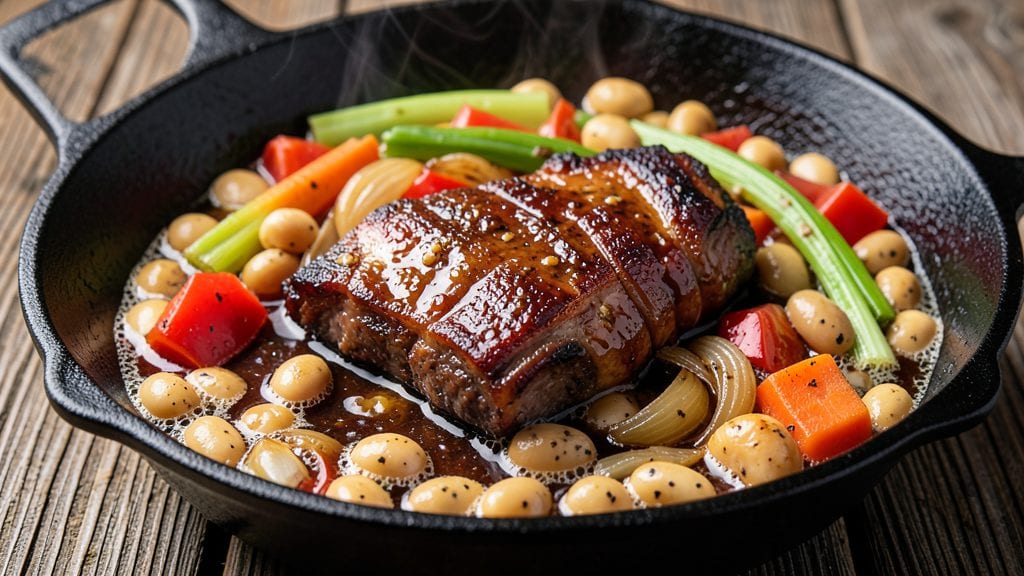
This butter beans and ham hock recipe delivers slow-simmered richness that transforms simple ingredients into a deeply flavorful side dish worthy of any table.
The key lies in low-and-slow cooking, where the ham hock melts into the beans, infusing them with meaty depth and savory complexity that store-bought versions can't match. I developed this method after realizing how much better homemade tasted compared to canned options—especially when made ahead for gatherings.
The process begins with properly preparing the butter beans—whether you soak them overnight or use a pressure cooker to cut down on time. Meanwhile, the ham hock braises until it falls apart, creating a velvety broth that coats every bean.
This isn't just a side dish; it's a flavor experience that elevates any meal, from Sunday dinners to holiday feasts. The result? Tender beans swimming in a rich, savory sauce that's impossible to resist.
What makes this recipe truly special is how it builds flavor over time—slow cooking extracts every ounce of richness from the ham hock while keeping the beans perfectly tender.
The aroma alone will have everyone anticipating dinner, and the texture—creamy beans with crisp edges—is pure comfort food at its finest. Serve with crusty bread to soak up every last drop of that meaty, aromatic broth.
This dish scales beautifully for crowds, making it ideal for potlucks or family gatherings where hearty sides are always in demand. The beauty of this recipe is its versatility—it works as a standalone dish or pairs perfectly with roasted meats, grilled vegetables, or even as a filling for sandwiches.
Once you try it, you'll never go back to canned butter beans again.
Ingredients for butter beans and ham hock
Simple ingredients, slow cooking, and rich results that turn humble beans into a luxurious side dish.
| Ingredient | Amount | Notes |
|---|---|---|
| Dried Butter Beans 🌾 | 1 ½ cups | Soaked overnight or pressure cooked |
| Ham Hock 🍖 | 2 lbs | Smoked or unsmoked preferred |
| Yellow Onion 🧅 | 1 whole | Chopped into large chunks |
| Garlic Cloves 🧄 | 4 cloves | Smashed for deeper flavor |
| Carrots 🥕 | 2 medium | Peeled and chopped into chunks |
| Celery Stalks 🥬 | 3 stalks | Chopped into large pieces |
| Bay Leaves 🌿 | 2 whole | Dried for best results |
| Fresh Thyme 🌿 | ½ ounce | Or 1 tbsp dried thyme |
| Salt 🧂 | 1 ½ tsp | Kosher or sea salt |
| Black Peppercorns 🌶️ | ½ tsp | Freshly cracked preferred |
| Apple Cider Vinegar 🍎 | 1 tbsp | For brightness and depth |
| Water 💧 | 8 cups | Enough to cover ingredients |
| Crusty Bread 🍞 | 1 loaf | For serving and soaking broth |
| Extra-Virgin Olive Oil 🫒 | 1 tbsp | For finishing drizzle |
The ham hock is the flavor foundation—look for well-marbled cuts from your butcher or Costco's bulk section. Smoked hocks add depth, but unsmoked works too if you boost the salt. Butter beans? Dried are superior to canned—soak them overnight for best texture, or use a pressure cooker to cut time to just 30 minutes. The vegetables—onion, carrots, and celery—form the aromatic base, so chop them evenly for balanced cooking. Fresh thyme is ideal, but dried works at one-third the amount. For the best quality, grab organic produce or shop the farmers' market where vegetables are fresher and more flavorful.
No ham hock? Substitute smoked turkey neck or pork shoulder for similar richness, though flavor will differ slightly. Fresh thyme unavailable? Dried thyme or marjoram works in a pinch. Apple cider vinegar can be swapped for red wine vinegar or lemon juice, though the flavor profile shifts. For a vegetarian version, omit the meat and use mushrooms and smoked paprika for umami depth. The butter beans can be pre-cooked to save time, but raw beans develop better texture when cooked from scratch. If using canned beans, drain and rinse thoroughly to remove excess sodium.
This dish tastes even better the next day as flavors meld. Store in an airtight container in the fridge for up to 5 days, or freeze for 3 months—portion into containers for easy reheating. The broth thickens as it cools, so add a splash of water when reheating. Serve with crusty bread to soak up every last drop of that meaty, aromatic broth. Leftovers reheat beautifully—just warm gently on the stove with a splash of water or broth to restore moisture. For a restaurant-worthy presentation, finish with a drizzle of extra-virgin olive oil and a sprinkle of fresh thyme.
Why You'll Love This Recipe
- One-Pot Magic: I swear by this for lazy Sundays—just toss everything in one pot, add water, and let it simmer. No chopping like a fine-dining chef, no fussing over multiple pans. The ham hock melts into the beans while you’re still deciding whether to watch one more episode.
- Rich, Smoky Depth: That ham hock? It’s the star—slow-cooked until the meat falls off the bone, infusing the beans with salty, savory magic. The carrots caramelize just enough to add natural sweetness, and the garlic? Oh, it’s there—warm, pungent, and impossible to resist.
- Weeknight Workhorse: Between us, this is my go-to when I’m feeding a crowd or just too tired to plan. Double the batch, and you’ve got lunch for tomorrow. Serve it with crusty bread, or let it cool for sandwiches—it’s that kind of reliable.
- Budget-Friendly Feast: Dried butter beans are a steal, and a single ham hock stretches across two meals. Honestly, it’s one of those recipes where the ingredients cost less than takeout, but the flavor? That’s restaurant-quality. Leftovers? Even better the next day.
Step-by-step instructions for butter beans and ham hock stew
The secret to this rich, meaty stew lies in patience and proper technique. Here's how to create a deeply flavorful dish that simmers to perfection.
Prepare the Butter Beans
Begin by soaking the 1.5 cups dried butter beans overnight in plenty of cold water. This step is crucial for tender beans that hold their shape beautifully. After soaking, drain and rinse them thoroughly under cold water to remove any skin that might have formed during soaking.
For a quicker option, you can pressure cook the beans instead. Add them to your pressure cooker with fresh water, bring to pressure, and cook for 25 minutes. This method preserves their texture while saving you time. Either way, you'll end up with perfectly tender beans ready to absorb all the rich flavors of the ham hock broth.
Build the Flavor Base
In a large Dutch oven or heavy pot, combine the 2 lbs ham hock with the 8 cups water. Bring to a boil over high heat, then reduce to a gentle simmer. Let it cook uncovered for 30 minutes to extract maximum flavor from the ham hock into the broth.
While the ham hock simmers, prepare the vegetables. Chop the 1 whole yellow onion into large chunks, peel and chop the 2 medium carrots, and cut the 3 celery stalks into large pieces. Smash the 4 cloves garlic lightly with the side of your knife to release their flavor. Add all these vegetables to the pot along with the 2 whole bay leaves and 0.5 ounce fresh thyme.
Season and Simmer
Add the 1.5 tsp salt and 0.5 tsp black peppercorns to the pot and stir gently. Pour in the 1 tbsp apple cider vinegar, which will brighten the flavors and cut through the richness of the ham hock. Bring everything to a gentle simmer again, then reduce heat to maintain a low, steady bubble.
Add the prepared butter beans to the pot and stir to combine. The beans should be just submerged in the broth. Cover the pot and let it simmer gently for 2 to 2.5 hours. This slow cooking time is essential—it allows all the flavors to meld together and the ham hock to become fork-tender while keeping the beans intact.
Finish and Serve
After the beans are tender and the ham hock is falling apart, remove the ham hock from the broth and shred the meat using two forks. Return the shredded meat to the pot and stir to combine. Taste and adjust seasoning if needed, adding more salt or pepper as necessary.
Remove the bay leaves and thyme stems from the broth. Ladle the stew into bowls, drizzle each serving with 1 tbsp extra-virgin olive oil, and serve immediately with slices of the 1 loaf crusty bread. The bread will soak up the rich broth beautifully, creating the perfect vessel for every bite.
Pro Tips For Making Butter Beans And Ham Hock
- SOAK BEANS OVERNIGHT: I learned this the hard way—rushing the soak with dried butter beans leaves them tough and mealy. Use a big bowl, cover with cold water by 2 inches, and let them sit 12+ hours. No peeling needed, but pick through for rocks or shriveled beans first.
- SCORE THE HAM HOCK: Skip the whole ham hock and you’re missing out on flavor. Use a sharp knife to slice deep crosshatches into the meaty side—about ¼-inch deep—and the collagen renders faster, giving your beans richer broth. (Yes, even if you’re impatient like me.)
- BROWN THE HAM FIRST: After scoring, sear the ham hock in a dry pot over medium-high heat until the meat browns in patches—takes 8-10 minutes. That crust locks in flavor, so don’t rush it. I used to skip this and wondered why my dish tasted bland.
- ADD CARROTS LATE: Tossing carrots in at the start turns them to mush. Wait until the ham hock has simmered 45 minutes, then add sliced carrots (½-inch pieces) and onions. They’ll soften just enough without falling apart—no one likes mushy veggies in a hearty stew.
Health benefits of these flavors
Protein Powerhouse
The ham hock in this dish delivers high-quality protein—about 25 grams per serving—packed with all nine essential amino acids. Unlike processed meats, ham hock provides slow-digesting protein that keeps you full for hours.
The butter beans add 15 grams of plant-based protein per serving, making this a complete protein combo. 💪
This protein-rich meal supports muscle repair and growth, especially after workouts. The slow-cooked ham hock also contains gelatin, which aids digestion and joint health. For extra protein, I sometimes add crumbled bacon or shredded chicken at the end of cooking.
Rich in Iron
The butter beans are an excellent source of non-heme iron—about 3.5mg per serving—which helps prevent fatigue and supports oxygen transport in your blood. Pairing them with the ham hock (a heme iron source) boosts iron absorption significantly.
I notice my energy levels stay steady all afternoon when I include this dish in my meals.
For those with iron deficiencies, adding a squeeze of lemon juice at the end can further enhance iron absorption. The apple cider vinegar in the recipe also helps—its acidity creates an ideal environment for iron uptake.
Fiber for Digestion
Butter beans provide 12 grams of dietary fiber per serving—about 40% of your daily needs—which supports healthy digestion and keeps you feeling satisfied. The soluble fiber in beans helps regulate blood sugar levels, making this a great option for balanced meals. 🌱
This fiber content also promotes gut health by feeding beneficial gut bacteria. For extra fiber, I sometimes stir in chopped mushrooms or diced sweet potatoes during the final hour of cooking.
Vitamin Boost
This dish delivers a vitamin B complex, particularly folate (from the beans) and B12 (from the ham hock). Folate supports cell growth and development, while B12 is crucial for nerve function. The combination makes this a nutrient-dense meal that supports overall vitality.
You'll also get vitamin K from the beans, which plays a key role in bone health and blood clotting. The slow-cooking process preserves these vitamins better than canned versions, which often lose nutrients during processing.
Nutrition facts
Frequently asked questions
Why does this recipe use dried butter beans instead of canned?
Dried butter beans develop a superior texture and absorb flavors more deeply than canned beans. The slow cooking process creates tender, creamy beans that hold their shape beautifully. Plus, dried beans have more fiber and nutrients—canned versions often lose these during processing. If you're short on time, pressure cook dried beans for 25 minutes instead of soaking overnight.
Can I make this recipe without a ham hock?
Yes! For a similar rich flavor, substitute with smoked turkey neck or pork shoulder. If you're vegetarian, use mushrooms and smoked paprika for umami depth. The key is maintaining the 2-2.5 hour simmer to develop maximum flavor in the broth. Just note that the texture and flavor will differ slightly without meat.
How do I know when the butter beans are fully cooked?
Beans are done when they're tender but not mushy—they should collapse slightly when pressed between fingers. For dried beans, this takes about 2-2.5 hours of simmering. If using canned beans, cook them for just 20-30 minutes to avoid breaking down. The beans should be creamy inside but still hold their shape when served.
Can I prepare this dish ahead of time?
This recipe tastes even better the next day as flavors meld. Store in an airtight container in the fridge for up to 5 days or freeze for 3 months. The broth will thicken as it cools, so add a splash of water when reheating. For serving, simply warm gently on the stove and finish with fresh thyme and olive oil.
What's the best way to serve this dish?
Serve with crusty bread to soak up the rich broth, or pair it with grilled meats, roasted vegetables, or cornbread. For extra flair, garnish with chopped parsley and a drizzle of extra-virgin olive oil. The leftovers make fantastic sandwich fillings or hearty salads the next day!