
Side Dishes
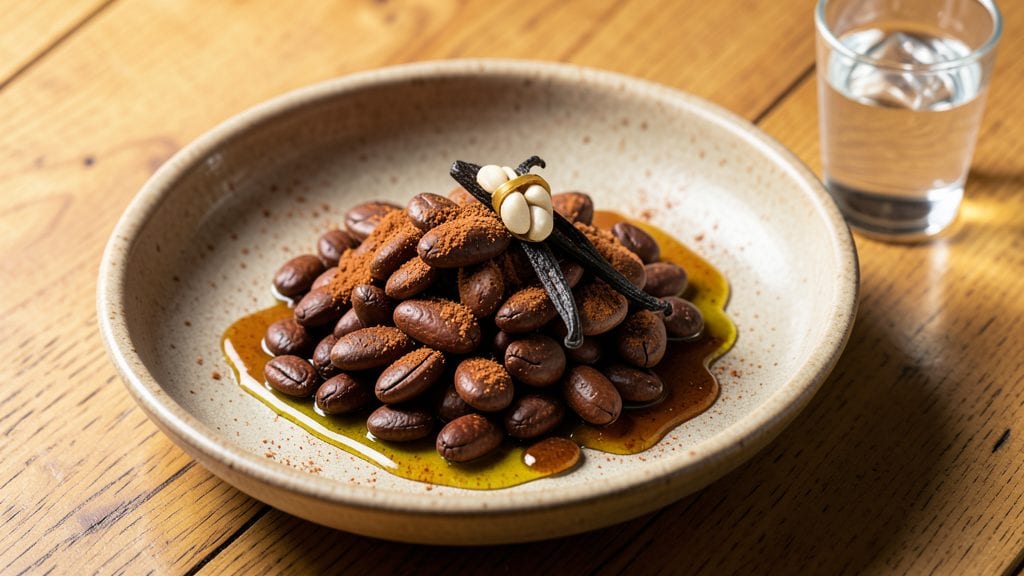
Transforming raw cacao beans into a velvety chocolate sauce reveals the depth of chocolate's natural complexity—far beyond what store-bought versions can offer.
This process starts with carefully selecting high-quality cacao beans, then roasting and grinding them to create a rich, aromatic paste that forms the base of a luxurious vegan sauce.
What makes this recipe special is the control over flavor intensity and texture, allowing you to adjust sweetness and spice to your preference.
The method begins with roasting the beans until they develop deep, toasty notes, then grinding them into a fine paste. This paste serves as the foundation for a sauce that's naturally bitter yet balanced, perfect for enhancing desserts or creating a decadent hot chocolate.
The beauty of working with whole beans lies in their versatility—you can incorporate vanilla, cinnamon, or even a pinch of sea salt to elevate the flavor profile.
By the end of this process, you'll have a smooth, rich chocolate sauce with a depth of flavor that's impossible to replicate with processed chocolate. The result is a velvety, aromatic sauce that can be used in desserts, drizzled over fruits, or enjoyed as a luxurious hot beverage.
This recipe transforms raw cacao into a finished product that showcases its full potential.
Safety is important when handling raw cacao beans—always wear gloves and ensure your workspace is clean. The roasting and grinding process unlocks the beans' natural oils, creating a sauce that's both indulgent and health-conscious. Whether you're making a dessert or a comforting drink, this method delivers professional-quality results at home.
Ingredients for cacao beans
High-quality cacao beans and simple pantry staples create velvety chocolate sauce with restaurant-quality depth.
| Ingredient | Amount | Notes |
|---|---|---|
| Raw Cacao Beans 🍫 | ½ lb | High-quality, organic preferred |
| Extra-Virgin Olive Oil 🫒 | ¼ cup | Cold-pressed, fruity variety |
| Filtered Water 💧 | 1 cup | Room temperature preferred |
| Pure Maple Syrup 🍁 | ¼ cup | Grade B for depth of flavor |
| Vanilla Bean 🌿 | 1 whole | Split lengthwise for seeds |
| Ground Cinnamon 🍃 | 1 tsp | Freshly ground preferred |
| Fine Sea Salt 🧂 | ½ tsp | Diamond Crystal preferred |
| Unsweetened Coconut Milk 🥥 | ½ cup | Full-fat for creaminess |
| Cayenne Pepper 🔥 | ¼ tsp | Adjust for heat preference |
| Dark Brown Sugar 🍚 | ⅛ cup | Packed, for caramel notes |
| Fresh Orange Zest 🍊 | 1 tbsp | Bright citrus contrast |
The cacao beans are your foundation. Look for organic, fair-trade beans—they have more complex flavor profiles than conventional ones. Navitas Organics or Alter Eco are solid brands, but check your local specialty grocer for bulk bins. The beans should be plump, dark, and free of mold or off smells. Roasting them low and slow (around 250°F) for 20-25 minutes unlocks their natural oils without burning. If you can't find raw cacao beans, high-quality cacao nibs work in a pinch, but they lack the same depth. The olive oil here isn't just for cooking—it carries the chocolate flavor through the sauce, so use a good one (like California Olive Ranch).
No vanilla bean? Pure vanilla extract at half the amount works, but you'll lose that beautiful fleck of seed. The cinnamon can be swapped for cinnamon sticks toasted in the oil first—infuses deeper flavor. Short on maple syrup? Agave nectar or date syrup are good swaps, though maple has that caramel undertone. The coconut milk adds richness, but if you're avoiding dairy alternatives, cashew cream blended from soaked cashews is a great substitute. For the orange zest, if you don't have fresh, a pinch of orange extract (not the imitation kind) can mimic the brightness. The cayenne is optional but adds a subtle kick that balances the sweetness—skip it if you prefer pure chocolate flavor.
This sauce keeps beautifully. Store it in an airtight jar in the fridge for up to 2 weeks, though it tastes best within the first week. For longer storage, freeze it in ice cube trays—perfect for single-serving portions. The sauce thickens as it cools, so reheat gently with a splash of water or milk if it gets too stiff. I love drizzling it over fruit, folding it into vegan ice cream, or using it as a glaze for roasted veggies. The leftovers make an incredible hot chocolate—just heat with some coconut milk and a pinch of salt.
Why You'll Love This Recipe
- No-Fuss Infusion: I swear by this recipe because it’s about as simple as it gets—just toast the cacao beans in olive oil until they’re fragrant, then steep them in water and maple syrup. No blender, no fancy tools, just pure, rich flavor with minimal effort.
- Rich Chocolate Soul: The moment those toasted cacao beans hit the warm syrup and vanilla, it’s like unlocking a secret—deep, earthy, and sweet without being cloying. Honestly, I’ve tried store-bought chocolate drinks, but this? It’s real chocolate, not processed powder.
- Everyday Luxury: Between us, this is my go-to for quick energy boosts, dessert toppings, or even a fancy hot chocolate when company drops by. The leftovers? Perfect for drizzling over yogurt or mixing into smoothies—no waste, just versatility.
- Budget-Friendly Magic: Raw cacao beans last forever in the pantry, and a little goes a long way. I’ve made gallons of this syrup for under $10, and it’s way better than anything in a bottle. Plus, the vanilla bean adds that extra touch without breaking the bank.
Step-by-step instructions for homemade cacao sauce
Transforming whole cacao beans into velvety sauce is simpler than you'd think—just follow these precise steps.
Toast and Grind the Raw Cacao Beans
Preheat your oven to 300°F. Spread the 0.5 lb raw cacao beans on a baking sheet in a single layer, ensuring they don't touch. Toast for 15-20 minutes until they release an intense chocolate aroma and develop a deep mahogany color. You'll see the skins begin to crack slightly—that's your cue they're ready.
Transfer the toasted beans to a clean kitchen towel and rub vigorously to remove any loose skins. Then, pulse them in a food processor until you achieve a fine, gritty texture resembling coarse cocoa powder. This step unlocks the beans' rich, complex flavors—don't rush it, or you'll end up with bitter notes. The resulting cacao nibs should smell like chocolate heaven.
Create the Chocolate Base
In a heavy-bottomed saucepan, combine the ground cacao with the 0.25 cup extra-virgin olive oil and 1 cup filtered water. Stir constantly over medium-low heat for 10-12 minutes until the mixture thickens into a smooth paste. You're looking for a texture similar to thick pudding, where the oil and water fully incorporate with the cacao.
This is where the magic happens—the olive oil carries the cacao's fat content, creating a luxurious mouthfeel. If you notice any lumps, use a silicone spatula to break them down completely. The mixture should coat the back of a spoon when you lift it from the pan. Remove from heat immediately to prevent burning.
Build the Flavor Layers
Return the saucepan to low heat and whisk in the 0.25 cup pure maple syrup, 0.125 cup dark brown sugar, and 1 tbsp fresh orange zest. Add the scraped seeds from the 1 whole vanilla bean and let the mixture simmer gently for 5 minutes, stirring occasionally. The sauce should begin to bubble softly, and you'll catch that wonderful vanilla-orange aroma.
Here's where it gets interesting—stir in the 1 tsp ground cinnamon, 0.5 tsp fine sea salt, and 0.25 tsp cayenne pepper. The cayenne might seem bold, but it actually enhances the chocolate's depth rather than overpowering it. Taste and adjust the sweetness or heat to your preference—this is your chance to customize the sauce to your exact taste.
Finish with Creamy Richness
Remove the saucepan from heat and stir in the 0.5 cup unsweetened coconut milk. The mixture will become noticeably thicker and more luxurious. Return to low heat for just 1-2 minutes, stirring constantly until the coconut milk is fully incorporated and the sauce reaches a velvety consistency.
Strain the sauce through a fine-mesh sieve into a clean bowl to remove any remaining vanilla bean fragments and achieve ultra-smooth texture. The finished sauce should coat the back of a spoon and have a glossy sheen. Let it cool to room temperature—it will thicken slightly as it cools, becoming even more decadent. Store in an airtight container in the refrigerator for up to 2 weeks.
Pro Tips For Making Cacao Beans
- Toast Beans Slowly: Low and steady heat wins—crank your oven to 250°F (120°C) and spread beans in a single layer on a tray. Rushing to 350°F burns them before they release their deep, nutty aroma. I learned this the hard way after a batch tasted bitter.
- Split Vanilla Properly: Scrape every last bit of vanilla bean—slice it lengthwise, then scrape the seeds with a knife. Skip this, and you’re leaving behind 30% of the flavor. Save the scraped pod for future recipes; it’s still potent.
- Simmer, Don’t Boil: After adding water, keep the heat at a gentle simmer—tiny bubbles, not rolling. Boiling turns the liquid cloudy and dulls the cacao’s richness. Cover the pot and let it whisper, not shout.
- Sweeten Last: Stir in maple syrup only at the very end, when the beans are just done. Adding it earlier caramelizes the sugar too soon, making the final drink taste cloying instead of balanced. A splash of cold water thins it perfectly afterward.
Flavor customization for these flavors
Spiced Chocolate Depth
For a warm, aromatic twist, toast ½ tsp cardamom pods in the olive oil before adding the cacao. The earthy, floral notes complement chocolate beautifully—just crush the pods lightly with a mortar and pestle before whisking them into the sauce.
Alternatively, add ¼ tsp ground nutmeg during the final simmer for a cozy, holiday-inspired flavor. I find cardamom works best with a touch of extra maple syrup to balance its intensity.
Citrus Brightness
Elevate the sauce with 1 tsp lemon or lime zest (instead of orange) for a tangier profile. The acidity cuts through the richness, making it perfect for drizzling over strawberries or coconut yogurt.
For a tropical twist, add ½ tsp grated ginger alongside the orange zest—it adds a subtle warmth that pairs surprisingly well with chocolate. Always use fresh zest; bottled versions lack the bright, aromatic punch.
Smoky Char Depth
Infuse the sauce with smoky depth by adding ½ tsp smoked paprika (preferably Penzeys Smoked Paprika) during the final simmer. For an even bolder effect, lightly char 1 small shallot in a dry pan until blackened, then blend it into the sauce.
This technique mimics the complexity of single-origin dark chocolate. The smokiness shines in spiced hot chocolate or as a glaze for roasted nuts.
Herbal Complexity
Introduce herbal notes by stirring in 1 tsp chopped fresh rosemary (finely minced) or ½ tsp dried thyme during the last 2 minutes of cooking. The piney aroma of rosemary adds an unexpected sophistication, while thyme brings a subtle earthiness.
I recommend using organic herbs to avoid bitterness. These pair exceptionally well with dark chocolate desserts or as a drizzle over warm spiced apples.
Salted Caramel Twist
For a sweet-salty contrast, replace half the maple syrup with ¼ cup caramelized sugar (made by melting ¼ cup brown sugar with 1 tbsp water until amber). Finish with an extra ¼ tsp flaky sea salt (like Maldon) on top.
This variation works beautifully as a dipping sauce for fruit tarts or a topping for vanilla ice cream. The salt enhances the chocolate’s natural sweetness without overpowering it.
Espresso Intensity
Boost the sauce’s boldness by whisking in 1 tbsp finely ground espresso powder (or ½ tsp instant espresso granules) during the final simmer. This adds a mocha-like depth that’s perfect for coffee lovers.
For an even stronger effect, steep 1 tsp used coffee grounds in the warm sauce for 5 minutes, then strain. This works exceptionally well in hot chocolate or as a glaze for chocolate-dipped strawberries. 💫
Nutrition facts
Frequently asked questions
What’s the best way to store homemade cacao sauce?
Keep your sauce fresh by storing it in an airtight container in the fridge for up to 2 weeks. For longer storage, freeze it in ice cube trays—perfect for single servings! The sauce thickens as it cools, so reheat gently with a splash of water or coconut milk if needed. Always cool it completely before storing to prevent condensation.
Can I use cacao nibs instead of whole beans?
Yes! Cacao nibs work well, but they’re already pre-roasted and ground, so skip the toasting and grinding steps. Start by heating 0.5 cup nibs with the olive oil and water to create the base. You’ll get a slightly different texture—more granular—but still rich and flavorful. For a smoother sauce, blend the nibs into a fine powder first.
Why does my cacao sauce taste bitter?
Over-roasting the beans or using too much cacao can make the sauce bitter. Try reducing the cacao by 1-2 tablespoons and adding more maple syrup or coconut milk to balance the flavor. Also, ensure you’re toasting the beans at 300°F for no more than 20 minutes—any longer can burn them. A pinch of salt or a splash of vanilla can also help mask bitterness.
How can I make this sauce vegan-friendly?
This recipe is already fully vegan! The base uses coconut milk and maple syrup instead of dairy or honey. For extra richness, swap coconut milk for a blend of cashew cream (soaked cashews blended with water). Always check labels on spices and vanilla to ensure they’re plant-based. The sauce’s natural depth comes from the cacao itself—no animal products needed!
What’s the best way to use leftover cacao paste?
Leftover paste is incredibly versatile! Stir it into smoothies for a chocolatey boost, mix it into oatmeal or yogurt, or use it as a base for homemade energy balls. For a quick treat, blend it with coffee or espresso and a touch of sweetener for an instant mocha. The paste also makes a fantastic glaze for roasted nuts or fruits—just thin it with water and brush lightly before baking.