
Sauces & Condiments
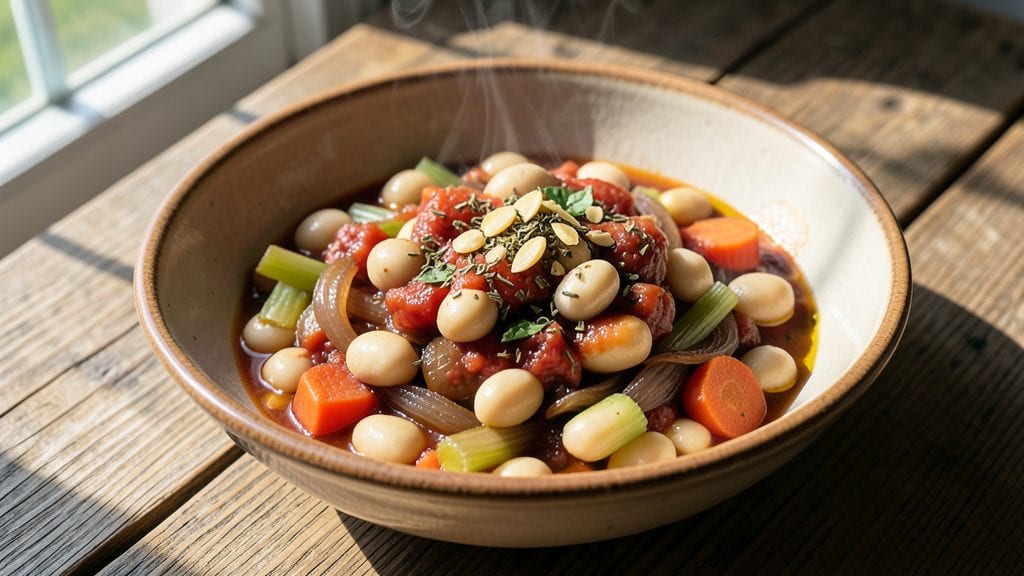
This simple canned beans in tomato sauce recipe turns basic pantry staples into a deeply savory Italian stew—no fuss, just bold flavors and a simmering pot of comfort.
This recipe builds on pantry staples to create a hearty meal where tender beans simmer in a deeply aromatic tomato sauce until every bite feels like a taste of Italy. The beauty lies in its simplicity: no soaking, no fancy techniques, just layers of flavor developed through slow cooking.
What makes this dish special is how it elevates basic ingredients through technique—specifically, the way garlic and herbs bloom in olive oil before the beans and tomatoes join the pot.
The result is a sauce that clings to the beans, infusing them with smoky, herby depth while keeping the texture tender. With just 15 minutes of prep and 30 minutes of simmering, you'll have a restaurant-quality meal that's ready when you are.
The magic happens in the balance: the acidity of the tomatoes brightens the beans, while the garlic and herbs add complexity that turns this into something far more exciting than a simple side. The dish delivers restaurant-quality satisfaction with minimal effort, making it perfect for weeknight dinners or meal prep.
Serve it over crusty bread or with a sprinkle of fresh basil for that final touch of freshness.
This recipe adapts beautifully to dietary needs—vegetarian by nature, easily made vegan by using vegetable broth, and customizable with protein additions like sausage or chicken if desired. The one-pot approach means less cleanup and more time enjoying the meal you've created. Let's get cooking!
Ingredients for canned beans in tomato sauce
Pantry staples meet Italian flavors in this simple, hearty canned bean stew.
| Ingredient | Amount | Notes |
|---|---|---|
| Canned White Beans 🌱 | 2 cans | 15 oz each, drained and rinsed |
| Canned Crushed Tomatoes 🍅 | 2 cans | 28 oz each, San Marzano preferred |
| Extra-Virgin Olive Oil 🫒 | ¼ cup | High-quality, fruity variety |
| Garlic Cloves 🧄 | 4 cloves | Freshly minced for aroma |
| Dried Oregano 🌿 | 1 tbsp | Italian or Mediterranean blend |
| Dried Basil 🌿 | 1 tsp | Or 2 tbsp fresh basil leaves |
| Vegetable Broth 💧 | 1 ½ cups | Low-sodium preferred |
| Onion 🧅 | 1 whole | Medium yellow, finely diced |
| Carrots 🥕 | 2 whole | Medium, peeled and sliced |
| Celery Stalks 🥬 | 2 whole | Trimmed and finely chopped |
| Tomato Paste 🍅 | 2 tbsp | Squeeze tube or canned |
| Sea Salt 🧂 | 1 tsp | Kosher or fine grain |
| Black Pepper 🌶️ | ½ tsp | Freshly ground preferred |
| Red Wine Vinegar 🍷 | 1 tbsp | For brightness |
| Fresh Basil Leaves 🌿 | ¼ cup | Chopped, for garnish |
The tomatoes and beans form the heart of this dish, so quality matters. San Marzano crushed tomatoes deliver the most authentic sweetness and depth—Trader Joe's or Whole Foods carry them reliably. For the beans, stick with white or cannellini—their mild flavor absorbs the sauce beautifully. No-soak beans save time, but if you prefer texture, rinse them well to remove excess sodium. The garlic and herbs are where the magic happens: fresh garlic (not pre-minced) releases its full aroma when bloomed in olive oil. For the dried herbs, Penzeys or the bulk section at Costco offer the freshest options. Don't skip the vegetable broth—it deepens the sauce without overpowering the tomatoes.
No San Marzano tomatoes? High-quality crushed tomatoes work fine—just look for brands with minimal additives. Short on fresh basil? Dried basil at one-third the amount gets you close, but fresh is ideal. The tomato paste can be swapped for extra tomato sauce (2 tbsp) if you're out. For the vegetable broth, low-sodium is key—otherwise, you'll need to adjust the added salt. The red wine vinegar adds brightness; if you don't have it, lemon juice works in a pinch. The carrots and celery can be swapped for frozen chopped vegetables (thawed and drained) for convenience. For a smokier flavor, add 1/2 tsp smoked paprika or a dash of liquid smoke.
This stew tastes even better the next day as flavors meld. Store in an airtight container in the fridge for up to 5 days, or freeze portions for 3 months. For meal prep, double the recipe and freeze half—just thaw overnight in the fridge before reheating. The sauce thickens as it cools, so add a splash of broth or water when reheating if it's too stiff. Garnish with fresh basil just before serving—it wilts fast, so add it last. Serve with crusty bread or over pasta to soak up every last bit of that rich tomato sauce.
Why You'll Love This Recipe
- No-Chop Nightmare: I swear by this recipe because it’s the only time I’ve ever cooked with zero prep. Just drain those beans, crush tomatoes straight from the can, and toss in the garlic—no peeling, no dicing, no stress. My lazy-but-hungry self approves.
- Garlic Bomb Joy: That first sizzle of minced garlic in olive oil? Instant flavor explosion. The crushed tomatoes soak it up like a sponge, and the oregano ties it all together with that earthy, sun-dried kick. Honestly, I’ve made this five times this month and still reach for it first.
- Lunchbox Hero: Between us, this sauce is my go-to for meal prep. Slather it on toast for a quick lunch, mix it into rice for a bowl, or pack it with greens for a salad—it’s the one thing my kids actually eat without complaining. (Yes, even on a Tuesday.)
- Pantry Goldmine: I keep a can of beans and tomatoes on hand just for this. It’s my budget-friendly secret weapon when I’m broke but still want flavor. Plus, leftovers reheat like a dream—no weird textures, just rich, saucy goodness waiting to be devoured.
Step-by-step instructions for canned beans in tomato sauce
This one-pot method transforms simple pantry staples into a rich, flavorful dish with minimal effort.
Sauté the Aromatic Vegetables
Heat the 0.25 cup extra-virgin olive oil in a large Dutch oven or heavy pot over medium heat. Add the 1 whole onion, 2 whole carrots, and 2 whole celery stalks, all finely chopped. Cook for 8-10 minutes, stirring occasionally, until the vegetables soften and the onion becomes translucent.
This foundational step builds flavor through caramelization. The vegetables should release moisture and begin to stick slightly to the bottom of the pot—this is where the magic happens. If the vegetables aren't browning enough, reduce heat slightly and cook for another 2-3 minutes. Never rush this step; proper browning ensures depth of flavor in your sauce.
Add Garlic and Spices
Stir in the 4 cloves minced garlic cloves and cook for 30 seconds until fragrant. Immediately add the 1 tbsp dried oregano, 1 tsp dried basil, 1 tsp sea salt, and 0.5 tsp black pepper, stirring to combine. The spices should bloom and fill your kitchen with an aromatic punch.
Watch the garlic closely—it burns quickly. When the raw garlic smell disappears and you detect a sweet, nutty aroma, you're golden. This is the moment that matters: properly bloomed spices create the flavor backbone of your dish. If you notice the garlic turning dark, remove the pot from heat for 10 seconds to cool it down before continuing.
Build the Tomato Base
Pour in the 2 tbsp tomato paste and stir vigorously to distribute evenly. Cook for 1 minute until the paste darkens slightly. Add the 2 cans canned crushed tomatoes and 1.5 cups vegetable broth, scraping up any browned bits from the bottom of the pot with a wooden spoon. This deglazing captures all the flavor you've built so far.
The mixture should begin to simmer almost immediately. If it doesn't, increase heat to medium-high and let it bubble for 2-3 minutes until the raw tomato smell dissipates. This step transforms your simple ingredients into a complex, flavorful base. The sauce should be slightly thick but still liquid enough to coat the back of a spoon.
Simmer with Beans
Add the 2 cans drained and rinsed canned white beans and stir gently to combine. Bring the mixture to a gentle boil, then reduce heat to low. Cover the pot and let it simmer for 20-25 minutes, stirring occasionally, until the vegetables are tender and the flavors have melded together.
Real talk: this is where patience pays off. The beans should be heated through but not mushy, and the sauce should thicken slightly as it reduces. If the sauce gets too thick before the beans are done, add 2-3 tablespoons of water or broth. The perfect consistency should be thick enough to coat the back of a spoon but still spoonable. Your kitchen should smell like a warm Italian countryside by this point.
Finish and Serve
Remove the pot from heat and stir in the 1 tbsp red wine vinegar. This brightens the flavors and cuts through the richness of the tomatoes and beans. Taste and adjust seasoning if needed—you might want to add a pinch more salt or pepper, depending on your preference.
Ladle the steaming hot bean mixture into bowls and garnish each serving with 0.25 cup chopped fresh basil leaves. The fresh basil adds a vibrant contrast to the rich tomato sauce. Serve immediately with crusty bread or over pasta for a complete meal. The beans should be warm throughout, the sauce clinging beautifully to each bite, and the flavors perfectly balanced between sweet, savory, and slightly tangy.
Pro Tips For Making Canned Beans In Tomato Sauce
- Sauté Garlic Low and Slow: After burning three batches, I finally figured out that high heat turns garlic bitter. Use medium-low and let those cloves cook until they’re golden but not brown—about 3-4 minutes. The crushed tomatoes will thank you later.
- Rinse Beans Only If Needed: Unless your canned beans are swimming in saltwater, skip the rinse. Draining and rinsing strips away the natural starch that helps thicken the sauce. Just drain them well and toss in the pot.
- Simmer, Don’t Boil: This isn’t soup—you’re making a sauce. A rolling boil will break down the tomatoes into mush. Keep it at a gentle simmer (tiny bubbles, occasional swirls) for 15-20 minutes, and the texture stays intact.
- Toast Oregano First: Sounds weird, but it works: Bloom the dried oregano in the olive oil for 30 seconds before adding tomatoes. It releases the flavor directly into the oil, making the whole dish smell like a sun-drenched Italian kitchen. (Yes, even if you’re impatient like me.)
Essential equipment for perfect results
Dutch Oven Essentials
A heavy-bottomed Dutch oven is my go-to for this recipe—it distributes heat evenly and prevents scorching while building deep flavors. I recommend a 5-6 quart enameled cast iron like the Le Creuset Signature or Lodge Pre-Seasoned for durability and heat retention.
The enameled coating makes cleanup easier, while cast iron ensures consistent temperature control during the long simmer. 🔥
Wooden Spoon Must-Have
Never use metal utensils when stirring this sauce—it can scratch the pot and release iron, altering flavors. A long-handled wooden spoon (I use OXO Good Grips) is perfect for scraping up those flavorful browned bits from the bottom.
The natural material also helps prevent sticking as the sauce thickens. Keep one handy in your kitchen for all tomato-based dishes.
Immersion Blender Option
For a smoother sauce without losing texture, an immersion blender (like the Ninja Foodi 1000) lets you blend directly in the pot. Pulse for 10-15 seconds after simmering to achieve a velvety consistency while keeping the beans intact.
This is especially useful if you prefer a more refined sauce but still want hearty texture. 💫
Fine-Mesh Strainer
A fine-mesh strainer (I prefer OXO Good Grips) is essential for rinsing canned beans thoroughly—it removes excess sodium and starches that can make the sauce gummy.
Rinse beans under cold water for 30 seconds before adding them to the pot. This small step makes a big difference in texture and flavor clarity.
Measuring Spoons Set
Precision matters with spices and liquids in this recipe. A stainless steel measuring spoon set (like West Bend 18-Piece) ensures accurate measurements for the 1 tbsp oregano, ½ tsp black pepper, and 1 tbsp red wine vinegar.
Dried herbs can vary in potency, so measure carefully—too much can overpower the delicate tomato flavor. Keep your set near your stove for easy access.
Nutrition facts
Frequently asked questions
Can I use other types of canned beans instead of white beans?
Cannellini, kidney, or black beans all work beautifully in this recipe. For a creamier texture, try great northern or butter beans. Just adjust cooking time slightly—kidney beans may need 5-10 extra minutes to soften fully. The key is rinsing them well first to remove excess sodium and starches.
How can I make this recipe vegan?
Simply swap the vegetable broth for vegan vegetable broth and ensure your tomato sauce contains no animal-derived additives. The original recipe is already vegan-friendly, but always check labels on canned tomatoes and tomato paste. For extra richness, stir in 1 tbsp nutritional yeast at the end.
Why did my sauce turn out too thin?
This usually happens when the beans release too much liquid during cooking. Try simmering uncovered for the last 5-10 minutes to reduce the sauce naturally. For a quicker fix, mix 1 tbsp tomato paste with 2 tbsp water and stir in, or use a cornstarch slurry (1 tsp cornstarch + 1 tbsp water).
Can I make this ahead of time?
Yes! This dish tastes even better the next day as flavors meld. Store in an airtight container in the fridge for up to 5 days. Reheat gently on the stove with a splash of broth or water to restore the perfect consistency. For freezing, portion into containers and freeze for up to 3 months—thaw overnight in the fridge.
What's the best way to serve this dish?
This hearty bean stew pairs perfectly with crusty bread, polenta, or over pasta like spaghetti. For extra flair, top with grated Parmesan, fresh basil, or a drizzle of high-quality olive oil. It also makes a fantastic filling for stuffed peppers or baked potatoes.