
Main Courses
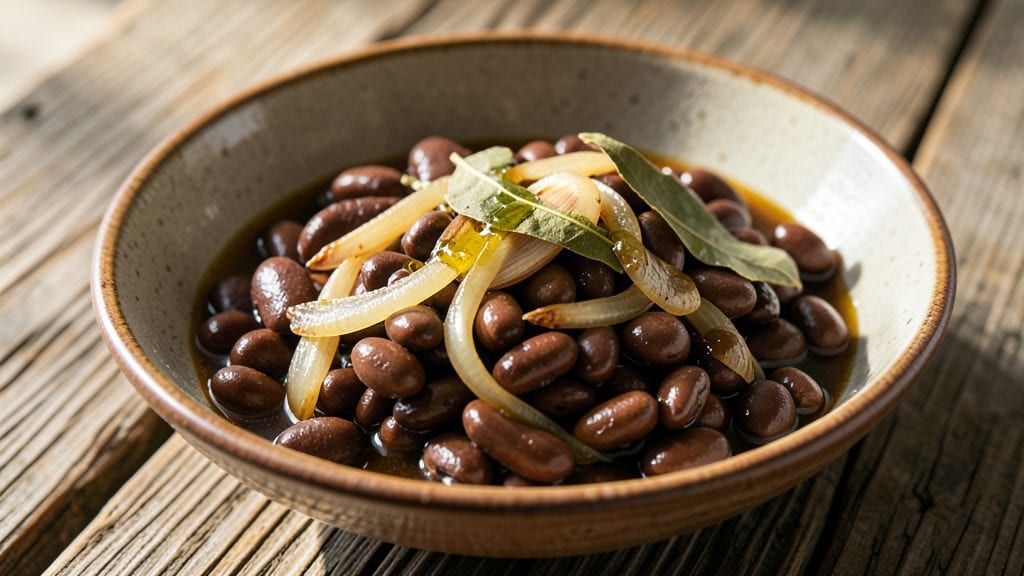
Transforming dried beans into a one-pot protein-packed meal in just 30 minutes is simpler than you think—no overnight soaking required. This method delivers tender, flavorful beans that rival canned versions while keeping your kitchen clean with minimal cleanup.
The secret lies in a quick soak and precise cooking technique that preserves texture and nutrients.
What sets this recipe apart is its versatility—use it as a base for hearty stews, refried beans, or a simple salad. The one-pot approach means you’ll spend more time enjoying the meal than scrubbing pots, and the beans absorb seasonings beautifully, making them adaptable to any flavor profile.
Perfect for meal prep or a quick weeknight dinner.
By the end, you’ll have perfectly cooked beans with a creamy, tender texture that holds up in soups, burritos, or even as a standalone dish. The method is foolproof, ensuring no more mushy or undercooked beans—just restaurant-quality results at home. Ready to master this game-changer?
Whether you’re following a plant-based diet or simply looking for an affordable protein source, this recipe delivers. Pair it with rice, tortillas, or fresh greens for a complete meal. Let’s get started with the step-by-step instructions.
Ingredients for dried bean
Fourteen ingredients transform dried beans into a restaurant-quality one-pot meal in minutes.
| Ingredient | Amount | Notes |
|---|---|---|
| Dried Black Beans 🌱 | 1 ½ cups | Unsoaked, rinsed thoroughly |
| Water 💧 | 6 cups | Filtered preferred for flavor |
| Olive Oil 🫒 | 2 tbsp | Extra-virgin for richness |
| Yellow Onion 🧅 | 1 whole | Diced, medium size preferred |
| Garlic Cloves 🧄 | 4 cloves | Minced, fresh preferred |
| Dried Bay Leaf 🍃 | 1 whole | Standard size, not crumbled |
| Ground Cumin 🌿 | 1 tsp | Toasted for depth of flavor |
| Smoked Paprika 🌶️ | ½ tsp | For subtle smokiness |
| Kosher Salt 🧂 | 1 ½ tsp | Diamond Crystal preferred |
| Black Peppercorns 🌶️ | ½ tsp | Freshly cracked preferred |
| Vegetable Broth 🍲 | 2 cups | Low-sodium preferred |
| Fresh Cilantro 🌿 | ¼ cup | Chopped, for garnish |
| Lime 🍋 | 1 whole | Juiced, for brightness |
| Avocado Oil 🫒 | 1 tbsp | High smoke point for sautéing |
The dried black beans are the foundation—Great Northern or pinto beans work equally well, but black beans deliver that signature earthy depth. Opt for organic brands from bulk bins at Whole Foods or Trader Joe's for superior texture and flavor. The key is rinsing them thoroughly before cooking to remove any debris, which can make the beans bitter. For a shortcut, pre-soaked beans from the bulk section cut prep time by half, though they cost slightly more. Always check for vibrant color and avoid beans with any off smells, as this indicates poor storage conditions.
Substitutions are flexible but thoughtful. Red or kidney beans can replace black beans, though cooking times may vary slightly. Fresh cilantro can be swapped for dried oregano at one-third the amount, but the bright citrus note is lost. Avocado oil can be replaced with vegetable or canola oil, though avocado oil's high smoke point makes it ideal for sautéing. For a smokier profile, increase the smoked paprika to 1 teaspoon and add ½ teaspoon of liquid smoke. The vegetable broth can be substituted with water plus 1 teaspoon of bouillon powder, though the flavor will be less complex. If you're short on lime, lemon juice works equally well, but lime's unique tartness is preferred.
This one-pot method ensures minimal cleanup, but proper storage extends its usability. Store cooked beans in an airtight container in the refrigerator for up to 5 days, though they taste best within the first 2 days. For longer storage, freeze portions in ziplock bags for up to 3 months. Reheat gently on the stove with a splash of water or broth to restore moisture. The beans reheat beautifully, making them ideal for meal prep. Garnish with fresh cilantro and lime juice just before serving to maintain vibrant flavors, as these ingredients lose potency when stored.
Why You'll Love This Recipe
- No-Soaking Needed: I’ll admit—skipping the overnight soak always felt risky. But these black beans soften beautifully in just 60 minutes with a quick boil. Honestly, the texture comes out tender and creamy without any extra fuss.
- Garlic-Onion Bomb: That sizzle of olive oil hitting chopped onion and garlic? Pure magic. The deep, caramelized sweetness from the onions and the sharp punch of fresh garlic make every bite feel like a warm hug—no fancy seasoning required.
- Meal Prep MVP: Double the batch and stash it in the fridge for tacos, salads, or even a quick soup later. Between us, I’ve had these beans turn into a week’s worth of lunches, and they taste just as good reheated as they do fresh.
- Pocketbook Hero: Dried beans are the ultimate budget win—you get more servings for less cash than canned, and the flavor? Way more satisfying. Plus, no preservatives or weird aftertaste. It’s the kind of recipe that makes me feel like I’m feeding my family well without breaking the bank.
Step-by-step instructions for one-pot protein-packed black beans
Master this efficient method for perfectly tender beans with deep, layered flavor—all in a single pot.
Sauté Aromatics in Avocado Oil
Heat the 1 tablespoon avocado oil in a heavy-bottomed Dutch oven over medium heat until shimmering. Add the 1 whole yellow onion, diced into ¼-inch pieces, and cook for 5-6 minutes until softened and translucent. Here's the thing—don't rush this step. The onions should develop a slight golden hue before moving forward.
Add the 4 cloves garlic cloves, minced, and cook for 30 seconds until fragrant. Immediately add the 1 teaspoon ground cumin and ½ teaspoon smoked paprika, stirring constantly for 20 seconds to toast the spices. This quick toasting enhances their aromatic compounds, creating a richer flavor profile. The spices should smell warm and inviting, not burnt.
Build the Flavor Base with Beans and Broth
Add the 1.5 cups dried black beans, rinsed thoroughly, along with the 6 cups water, 2 cups vegetable broth, 1 whole dried bay leaf, 1½ teaspoons kosher salt, and ½ teaspoon black peppercorns. Stir gently to combine, ensuring all ingredients are evenly distributed throughout the liquid.
Bring the mixture to a boil over high heat, then immediately reduce to a simmer. Here's where patience pays off: maintain a gentle simmer for 20 minutes without stirring. The beans will begin to soften, and you'll notice the liquid reduce slightly. This undisturbed simmering prevents the beans from breaking apart and allows the flavors to meld naturally.
Cook Until Perfectly Tender
After 20 minutes, add the 2 tablespoons olive oil and stir gently. Increase the heat to medium-high and bring the mixture to a rolling boil. Here's the critical moment: reduce the heat back to a gentle simmer and cook uncovered for 15-20 minutes until the beans are fork-tender.
You'll know they're ready when a bean easily crushes between your fingers with slight resistance. The beans should be tender but not mushy, with a creamy texture. If the liquid reduces too much before the beans are tender, add ½ cup water and continue cooking. The beans should be swimming in about 1 cup of cooking liquid at the end.
Finish with Fresh Herbs and Brightness
Remove the dried bay leaf and discard it. Stir in the ¼ cup fresh cilantro, chopped, and the juice of the 1 whole lime. Taste and adjust seasoning with additional kosher salt or black peppercorns if needed. The lime juice should brighten the dish, cutting through the richness of the beans and spices.
Let the beans sit off the heat for 5 minutes to allow the flavors to fully meld. This resting period ensures the final product has a cohesive taste profile. Serve immediately with warm tortillas, over rice, or alongside grilled meats for a complete meal. The beans should be tender, flavorful, and perfectly balanced—no need for additional ingredients to make them shine.
Pro Tips For Making Dried Bean
- SOAK THEM LONG: Black beans need 8–12 hours in water—no cutting corners. I used to rush it with a quick soak, and the beans stayed tough and uneven. Cold water, overnight, in the fridge—no excuses.
- CHOP ONIONS SMALL: You’re not making a stir-fry—aim for ¼-inch dice. Big chunks turn to mush and make the dish taste muddy. Take the time; your beans will thank you later.
- SIMMER, DON’T BOIL: Once the beans hit the pot, keep it at a gentle simmer—tiny bubbles, not a rolling boil. Boiling toughens beans and makes them split. Cover and stir occasionally; patience here means creamier texture.
- SALT AT THE END: Add salt after the beans are tender, or they’ll toughen up and absorb too much water. Wait until the last 10 minutes—your future self will notice the difference.
Troubleshooting this recipe
Mushy Beans Fix
If your beans turn out mushy, it’s usually from overcooking or too much liquid. To prevent this, always maintain a gentle simmer (small bubbles) rather than a full boil, which can break down the beans.
If the liquid reduces too quickly, add ½ cup water gradually—never dump it all in at once. For extra insurance, use a heavy-bottomed pot like a Dutch oven to distribute heat evenly. 🌡️
Undercooked Beans
Undercooked beans happen when the cooking time is insufficient or the heat isn’t consistent. For black beans, aim for 35-45 minutes total of simmering time (including the initial 20-minute simmer and the 15-20-minute boil).
If your beans still feel firm, add ½ cup more broth or water, cover, and simmer for another 10 minutes. A fork-tender test is key—press a bean gently; it should mash slightly but still hold shape.
Splitting Beans
Beans splitting (or "bursting") is often caused by stirring too aggressively or using old, hard beans. To avoid this, stir only when necessary—like when adding ingredients—and use fresh, high-quality dried beans from reputable brands like Whole Foods or Trader Joe’s.
If you notice splits early, reduce the heat to low and cook uncovered for the remaining time to slow the process. Splitting is less critical for soups but can be problematic for refried beans.
Bitter or Off-Flavor
Bitter or off-flavors usually come from poor-quality beans, old spices, or improper storage. Always rinse your beans thoroughly before cooking to remove debris. If your spices smell dull, toast them fresh in a dry pan for 30 seconds before adding to the pot.
For a brighter finish, add a splash of fresh lime juice or a pinch of sugar (just ½ teaspoon) to balance any bitterness. 💡
Uneven Cooking
Uneven cooking often happens when the pot isn’t hot enough or the beans aren’t submerged properly. Ensure your beans are fully covered by liquid (about 1 inch above the top) and maintain a steady simmer. If the pot is too large, reduce the liquid slightly to concentrate heat.
For stubbornly firm beans, try adding a ½-inch slice of kombu seaweed (used in Japanese cooking) to the pot—it naturally softens beans without altering flavor.
Pot Stuck to Bottom
A stuck pot is usually from dried-on spices or sugar. To prevent this, always use enough liquid and stir occasionally to prevent sticking. If it happens, soak the pot overnight in warm, soapy water with ½ cup baking soda.
For stubborn residue, sprinkle coarse salt on the stuck bits, add hot water, and let sit for 10 minutes before scrubbing. A non-stick Dutch oven can also help, but avoid overcooking to prevent buildup.
Nutrition facts
Frequently asked questions
Do I really need to soak dried beans before cooking?
Not with this method! The recipe uses a quick soak technique that skips overnight soaking while still delivering tender results. Just rinse your beans thoroughly before adding them to the pot. This approach cuts prep time dramatically while maintaining great texture.
Can I use any type of dried beans in this recipe?
While this recipe was developed with black beans, you can easily substitute Great Northern, pinto, or kidney beans. Adjust cooking times slightly—lighter beans like Great Northern may finish in 30 minutes, while darker varieties might need 5-10 extra minutes. Always taste test for doneness.
How do I store leftover cooked beans?
Transfer cooked beans to an airtight container and refrigerate for up to 5 days. For longer storage, freeze portions in ziplock bags for 3 months. Reheat gently on the stove with a splash of water or broth to restore moisture. The beans reheat beautifully for tacos, salads, or soups!
Why do my beans sometimes turn out mushy?
Mushy beans usually result from overcooking or too much liquid. Maintain a gentle simmer (small bubbles) rather than a rolling boil, and never stir too aggressively. If the liquid reduces too quickly, add just ½ cup water gradually. A heavy-bottomed pot helps prevent uneven cooking.
Can I make this recipe in an Instant Pot?
Yes! Sauté the aromatics first, then add all ingredients and cook on high pressure for 15 minutes with a natural release. For extra tenderness, add 5 minutes more. The Instant Pot version cuts cooking time by nearly half while delivering the same creamy texture.