
Side Dishes
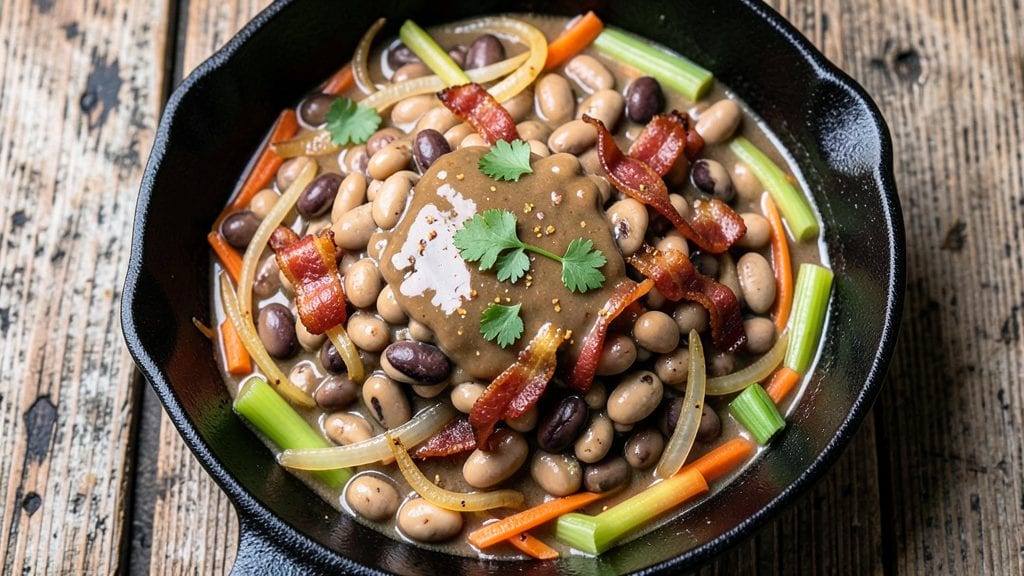
This funeral beans recipe delivers the soul-warming comfort of a Southern kitchen, where smoky bacon and tender beans create a dish steeped in tradition. The name comes from its historic role at gatherings—both joyful and solemn—where its rich, hearty flavor brought people together.
What makes this version special is the crispy bacon crust that forms on top, adding a satisfying crunch to every spoonful.
Cooking funeral beans is all about patience and layering flavors. You'll start with dried navy beans simmered for hours until they're tender, then build depth with smoked bacon, onions, and a blend of spices that includes bay leaves, thyme, and a touch of cayenne for warmth.
The secret lies in the slow cooking process, which develops a rich, caramelized broth that makes these beans irresistibly comforting.
The result is a one-pot masterpiece that tastes even better the next day—perfect for family gatherings, potlucks, or any meal needing that extra touch of home. These beans pair beautifully with cornbread, grilled meats, or even on their own as a satisfying centerpiece.
The smoky bacon adds a savory depth that elevates simple ingredients into something truly special.
This recipe honors tradition while keeping it approachable, making it ideal for both seasoned cooks and those new to Southern cuisine. The long simmering time transforms tough beans into fork-tender bites, while the bacon crust adds a restaurant-quality finish.
Ready to create a dish that carries the warmth of Southern hospitality?
Ingredients for funeral beans
These soulful ingredients transform simple pantry staples into Southern comfort with smoky depth and tender texture.
| Ingredient | Amount | Notes |
|---|---|---|
| Dried Navy Beans 🥔 | 2 cups | Rinsed before soaking |
| Smoked Bacon 🥓 | 1 lb | Thick-cut preferred |
| Yellow Onion 🧅 | 1 whole | Diced, medium size |
| Celery Stalks 🥬 | 3 whole | Diced, fresh preferred |
| Carrot 🥕 | 2 whole | Diced, medium size |
| Garlic Cloves 🧄 | 4 cloves | Minced, fresh preferred |
| Bay Leaves 🍃 | 2 whole | Fresh or dried |
| Dried Thyme 🌿 | 1 tbsp | Or 1 tsp fresh thyme |
| Cayenne Pepper 🔥 | ½ tsp | Adjust for heat preference |
| Ground Black Pepper 🌶️ | 1 tsp | Freshly ground preferred |
| Kosher Salt 🧂 | 1 ½ tbsp | Adjust to taste |
| Vegetable Oil 🫒 | 2 tbsp | For initial cooking |
| Chicken Broth 💧 | 4 cups | Low-sodium preferred |
| Apple Cider Vinegar 🍏 | 1 tbsp | For brightness |
The dried navy beans are the heart of this dish—soaking overnight ensures even cooking, but the slow simmer develops their signature creamy texture. For the smoked bacon, thick-cut slices create that coveted crispy crust, while thin-cut works in a pinch. Costco or Trader Joe's carry excellent pre-packaged options, but check the smoker's label for authenticity. The onion, celery, and carrot trio (the 'holy trinity') should be fresh—wilting or discolored veggies will make the broth taste dull. If you're short on time, frozen chopped vegetables work, but fresh delivers superior flavor. The garlic should be pungent, not musty, and the bay leaves can be fresh (remove after cooking) or dried (leave in).
No smoked bacon? Regular bacon smoked in a pan with a little liquid smoke (½ tsp) mimics the depth, though purists may notice the difference. Swap dried thyme for fresh at a 1:3 ratio, but fresh has a brighter aroma. Cayenne can be omitted entirely or replaced with red pepper flakes for a milder heat. The chicken broth should be low-sodium—homemade or high-quality store-bought like Swanson or Pacific Foods elevates the dish. For extra richness, substitute half the broth with beef broth. The apple cider vinegar adds a subtle tang that balances the smokiness—white vinegar works in a bind, but it's less nuanced.
These beans taste even better the next day as flavors meld. Store in an airtight container in the fridge for 4-5 days, or freeze for up to 3 months. The bacon crust hardens when chilled, so reheat covered with a splash of broth or water to restore moisture. For large gatherings, double the recipe—just ensure your pot is big enough for even cooking. The crispy bacon bits on top make great garnishes for cornbread or salads too.
Why You'll Love This Recipe
- No-Soak Magic: I swear, those dried navy beans don’t need pre-soaking—just toss them in boiling water with a bay leaf and let them simmer. Twenty minutes later, you’ve got tender, creamy beans without the fuss of overnight preparation. (Yes, even on a Tuesday night.)
- Smoky Umami Bomb: That crispy bacon isn’t just for flavor—it’s the star. The smoky, salty crunch melts into the beans while you chop onions and celery, creating a depth that turns simple vegetables into something ridiculously good. Honestly, the first bite makes you question why you ever skipped bacon in your beans.
- Potluck Proven: Between us, this is the dish that gets passed around at every gathering. It’s hearty enough for a family dinner but still travels well—no one complains about the texture, and the bacon bits disappear fast. (My cousin’s kids always ask for seconds, and that’s the real test.)
- Budget-Friendly Pantry Staple: Dried beans and smoked bacon stretch this recipe into meals for days. A single batch feeds four, and leftovers taste just as good cold in sandwiches or reheated with a splash of broth. I’ll be real: it’s my secret weapon for stretching grocery money without sacrificing taste.
Step-by-step instructions for smoky bacon-crusted comfort in one pot
Here's how to transform simple ingredients into a hearty, comforting dish that delivers deep smoky flavor and tender beans.
Prepare the Beans for Maximum Tenderness
Start by rinsing the 2 cups dried navy beans under cold water in a colander to remove any debris. This step prevents cloudy water and ensures cleaner flavor. Place them in a large bowl and cover with plenty of cold water—at least 8 cups—by about 2 inches. Let them soak for 8 to 12 hours at room temperature. I like to do this overnight in the refrigerator for even better texture.
After soaking, drain the beans and place them in a large Dutch oven or heavy pot. Add the 1 lb smoked bacon and the 2 tbsp vegetable oil. The bacon will render its fat as it cooks, creating a flavorful base for the beans. Cook over medium heat for 5 minutes, stirring occasionally, until the bacon begins to brown and crisp slightly. This step builds the smoky foundation that makes funeral beans so comforting.
Build the Flavor Base with Aromatics
Add the diced 1 whole yellow onion, 3 whole celery stalks, and 2 whole carrots to the pot. Stir everything together and cook for 8 to 10 minutes over medium heat, until the vegetables begin to soften and the onions turn translucent. This process develops their natural sweetness and prepares them to absorb the smoky flavors.
Next, add the 4 minced garlic cloves, 2 whole bay leaves, 1 tbsp dried thyme, 0.5 tsp cayenne pepper, 1 tsp ground black pepper, and 1.5 tbsp kosher salt. Stir well to combine all the ingredients with the bacon fat and vegetables. Cook for another 2 minutes, until the garlic becomes fragrant and the spices are evenly distributed. The kitchen should fill with an inviting, aromatic steam—this is when the dish truly starts to come together.
Simmer the Beans Until Perfectly Tender
Pour in the 4 cups chicken broth, making sure to scrape up any browned bits from the bottom of the pot. These bits contain concentrated flavor that will deepen the taste of your beans. Bring the mixture to a boil over high heat, then reduce the heat to low, cover the pot, and let it simmer gently for 1 to 1.5 hours. You'll know the beans are done when they're fork-tender with just a slight bite remaining.
During this time, check occasionally to ensure there's enough liquid in the pot. If the beans look dry before they're fully tender, add a little hot water or broth as needed. The beans should be swimming in their cooking liquid, which helps them absorb flavor and become creamy. This low-and-slow cooking method is what creates the comforting, hearty texture that makes funeral beans so beloved.
Finish with Brightness and Rest
Once the beans are tender, stir in the 1 tbsp apple cider vinegar. This final addition brightens the dish, cutting through the richness of the bacon and adding a subtle tang that enhances all the other flavors. Taste and adjust the seasoning if needed—you might want to add a bit more salt or cayenne pepper to suit your preference.
Remove the pot from heat and let the beans rest for 10 minutes before serving. This resting period allows the flavors to meld and the beans to absorb any remaining cooking liquid. Serve the beans hot, straight from the pot, with crusty bread to soak up every last drop of that smoky, comforting sauce. The combination of tender beans, crispy bacon bits, and aromatic vegetables creates a dish that's perfect for sharing and savoring.
Pro Tips For Making Funeral Beans
- CRISPY BACON FIRST: DESCRIPTION: Cook the smoked bacon until it’s deep golden—almost black in spots—before pulling it out. That extra crisp adds texture and flavor the simmered beans desperately need. (Yes, it’ll make your kitchen smell like heaven, but save some for the top later.)
- SOAK BEANS OVERNIGHT: DESCRIPTION: Skip the quick-soak if you can—just toss dried navy beans in water the night before. They’ll soften evenly and split fewer skins during cooking, giving you that classic creamy texture. (I learned this the hard way after mashing beans into soup by accident.)
- SAUTÉ VEGETABLES LOW: DESCRIPTION: Once onions, celery, and carrots hit the pot, keep the heat low after the initial sear. High heat burns them before the beans even join the party, and you’ll end up with bitter, charred bits instead of sweet, mellow flavor.
- TASTE BEFORE SIMMERING: DESCRIPTION: After adding broth and beans, taste the raw mixture—before you simmer for hours. Adjust salt now (you’ll need more than you think) and add a splash of vinegar or a pinch of sugar if the bacon’s smokiness feels overwhelming. (Your future self will curse you if you don’t.)
Regional styles of this dish
Southern Soul Roots
Funeral beans trace their roots to African American communities in the American South, where they became a staple at gatherings—both joyous and solemn. The name reflects their historical role as a comforting dish served during funerals, church potlucks, and family reunions.
In Georgia and the Carolinas, these beans often included smoked meats like ham hocks or pork shoulders, while Texas versions leaned heavier on bacon for that signature smoky crunch. 🌶️
The dish embodies the resourcefulness of Southern cooking, transforming simple ingredients into something deeply flavorful. Early recipes relied on dried beans, smoked meats, and pantry staples like onions and celery—ingredients that were affordable and long-lasting.
Over time, regional variations emerged, but the core technique of slow-simmering remained constant, creating that unmistakable creamy texture and rich broth.
Texas-Style Twist
In Texas, funeral beans often feature a bacon-heavy approach, with thick-cut smoked bacon forming a crispy crust on top. The Lone Star State’s love for bold flavors means these beans aren’t shy on cayenne or black pepper, giving them a spicier kick than their Northern counterparts.
I’ve found that Texans also like to add a splash of hot sauce at the table for extra heat—think Cholula or Tabasco for that authentic touch.
Another Texas hallmark is the use of diced tomatoes (about ½ cup) in the final stages of cooking. This adds a bright acidity that cuts through the richness of the bacon and beans.
For an extra layer of flavor, some cooks stir in a dash of liquid smoke (about ½ teaspoon) to deepen the smokiness without overpowering the dish.
Carolina Comfort
The Carolinas—both North and South—favor a lighter, brothier version of funeral beans, often incorporating pork shoulder or ham hocks instead of bacon. The result is a dish that’s less greasy but equally comforting, with a broth so rich it’s almost a soup.
In South Carolina, you’ll find a tradition of adding collard greens (about 2 cups, chopped) to the pot during the last 30 minutes of cooking, creating a hybrid dish that’s both bean and green in one.
North Carolinians, meanwhile, often skip the vinegar and rely on apple cider (about ¼ cup) for brightness instead. They also tend to double the thyme (to 2 tablespoons) and add a pinch of nutmeg for warmth.
The slower, more delicate approach reflects the region’s love for balanced, aromatic flavors—less about heat, more about depth.
Midwest Homestyle
When funeral beans migrated north to the Midwest, they took on a hearty, all-day-simmer style that mirrored the region’s love for slow-cooked stews.
Here, kielbasa or smoked sausage often replaces bacon, and the beans are cooked with a mix of beef and chicken broth (about 2 cups each) for extra richness.
The Midwest version also tends to be sweeter, with a touch of brown sugar (about 1 teaspoon) added during the final 15 minutes of cooking.
In Ohio and Michigan, funeral beans are a Sunday supper staple, often served with mashed potatoes or cornbread to soak up the broth. The key difference? Midwest cooks don’t rush the simmer—expect a full 2-hour cook time to ensure the beans are fall-apart tender.
The result is a dish that’s almost like a bean stew, with a thicker, heartier consistency.
Modern Adaptations
Today’s funeral beans have evolved beyond their traditional roots, with vegetarian and vegan versions gaining popularity. Swap smoked bacon for mushroom bacon (about ½ lb) or smoked tofu, and use vegetable broth instead of chicken.
For umami depth, add 1 teaspoon soy sauce or 1 tablespoon miso paste to the broth. The texture remains creamy, and the smoky flavor is just as satisfying—perfect for modern palates. 💫
Another contemporary twist is the slow-cooker or Instant Pot method, which cuts cooking time to 4-6 hours on low heat. For an Instant Pot, sauté the bacon and aromatics first, then add everything else and cook on high pressure for 20 minutes, followed by a 10-minute natural release**.
The result is just as tender and flavorful, with less hands-on effort. This adaptation keeps the dish relevant for busy families while preserving its soulful essence.
Nutrition facts
Frequently asked questions
Why are these called "funeral beans" if they're not just for funerals?
These beans earned their name from their traditional role in African American Southern cuisine, where they were often served at funerals and other community gatherings. The dish became a symbol of comfort and togetherness, but today it's enjoyed at all kinds of gatherings—potlucks, family reunions, and even holiday meals. The name reflects their historical significance rather than their modern versatility.
Can I use canned beans instead of dried for this recipe?
While you can use canned navy beans, the texture and flavor won't be the same. Dried beans develop a creamier, more complex flavor through the long simmering process. If you're short on time, use canned beans, but reduce the cooking time to 30-45 minutes and add ½ cup extra broth to maintain moisture. The dish will still be delicious, though!
How do I make the bacon crust extra crispy?
For maximum crispiness, use thick-cut smoked bacon and cook it uncovered for the last 5-10 minutes of simmering. Increase the heat to medium-high and stir occasionally to crisp the edges. Another trick is to sprinkle the top with 1 tablespoon cornstarch before the final crisping phase—this creates a golden, crunchy layer that's irresistible.
What's the best way to reheat funeral beans?
Reheat in a pot over medium-low heat, adding 2-3 tablespoons of broth or water to prevent drying. Cover and simmer for 10-15 minutes, stirring occasionally. For microwave reheating, cover with a damp paper towel and heat in 1-minute intervals, stirring between each. The bacon crust may soften slightly, but the flavors remain rich and comforting.
Can I make funeral beans in a slow cooker or Instant Pot?
For a slow cooker, sauté the bacon and aromatics first, then add everything else and cook on low for 6-8 hours or high for 3-4 hours. For an Instant Pot, sauté the bacon and veggies, then add all ingredients and cook on high pressure for 20 minutes, followed by a 10-minute natural release. Both methods preserve the dish's soulful flavors while saving time.