Side Dishes
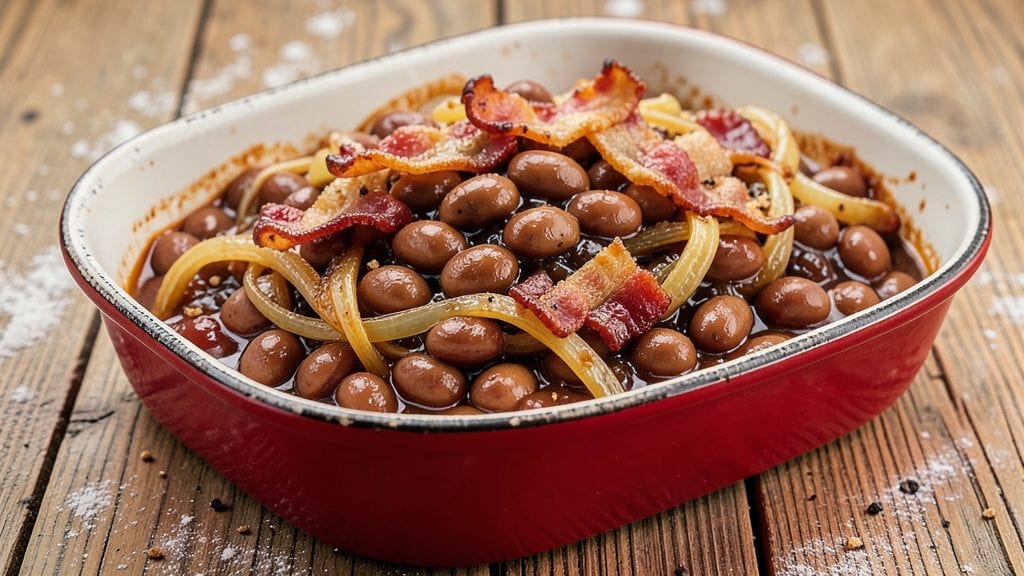
Grandma Brown's home baked beans recipe is the kind of dish that transforms a simple side into the heart of any meal. The slow-simmered smokiness from bacon and molasses creates a flavor so rich, it turns every bite into comfort.
I remember the first time I tasted hers—still warm from the oven, with that perfect balance of sweet, smoky, and savory. This recipe captures that magic in your own kitchen.
What makes these baked beans special is the combination of traditional techniques and simple ingredients. You'll start with dried navy beans soaked overnight for maximum tenderness, then simmer them for hours with bacon, onions, and a touch of molasses.
The slow cooking process develops deep, complex flavors that can't be rushed. This method ensures every spoonful delivers that satisfying texture and rich taste that makes them unforgettable.
The result is a pot of baked beans with crispy bacon bits on top and a thick, velvety sauce that clings to each bean. The sweetness from the molasses and brown sugar balances perfectly with the smoky bacon and savory broth.
These beans are hearty enough to stand alone but always welcome as a side dish. They'll have everyone at the table asking for seconds.
Perfect for family gatherings, holiday meals, or a cozy weeknight dinner, these baked beans are a classic for a reason. The recipe is flexible enough to adapt to your preferences while staying true to Grandma Brown's original.
Let's get started on creating this timeless dish that brings warmth and flavor to every meal.
Ingredients for grandma brown's home baked beans
Simple pantry staples transform into Grandma Brown's legendary slow-simmered baked beans.
| Ingredient | Amount | Notes |
|---|---|---|
| Dried Navy Beans 🌾 | 2 cups | Unsoaked, dried beans preferred |
| Bacon 🥓 | 1.2 lb | Thick-cut, smoked variety |
| Yellow Onions 🧅 | 1 whole | Medium size, chopped fine |
| Molasses 🍯 | ½ cup | Unsulphured preferred |
| Brown Sugar 🍬 | ½ cup | Light or dark variety |
| Ketchup 🍅 | ½ cup | Heinz preferred for consistency |
| Tomato Paste 🍅 | ¼ cup | Canned, no salt added |
| Apple Cider Vinegar 🍎 | ¼ cup | For tangy depth |
| Garlic Cloves 🧄 | 4 cloves | Minced for even distribution |
| Bay Leaves 🍃 | 2 whole | Dried, standard size |
| Black Peppercorns 🌶️ | 1 tsp | Freshly cracked preferred |
| Salt 🧂 | 2 tsp | Kosher or sea salt |
| Mustard 🍯 | 1 tbsp | Dijon style preferred |
| Water 💧 | 6 cups | Filtered preferred |
The bacon is non-negotiable—thick-cut smoked bacon from Costco or local butchers delivers the best flavor. Look for pieces with good marbling, not the lean, pre-cooked kind. The navy beans should be the dried variety—canned beans lack that classic texture. Bob's Red Mill or Great Northern brands are reliable. Onions? Yellow onions work best here—they caramelize beautifully during the long simmer. If you're short on time, Trader Joe's sells pre-chopped onions in convenient bags, but fresh is always better. The molasses needs to be unsulphured—sulphured versions can make the beans taste bitter. Goya or Whole Foods carry good options.
No molasses? Maple syrup at half the amount works in a pinch, though purists will notice the difference. Running out of ketchup? Tomato sauce plus a pinch of sugar mimics the tang. The tomato paste can be swapped for crushed tomatoes, but you'll need about 1 cup instead of a quarter cup. For the vinegar, white vinegar or apple juice both work, but cider vinegar gives that authentic tang. The mustard? Dijon is essential—regular yellow mustard won't cut it. If you must substitute, Dijon powder mixed with water gets you close. The garlic can be garlic powder at one-third the amount, but fresh minced is worth the effort. Bay leaves should be removed before serving—they're for flavor during cooking only.
Beans need overnight soaking—don't skip this step. Drain and rinse before adding to the pot. The bacon should be cooked until crispy, then removed and set aside—those fat bits are flavor gold. This recipe tastes even better the next day as flavors meld. Store leftovers in the fridge for 5-6 days or freeze for up to 3 months. I always make double batches—half for dinner, half for lunches. The sauce thickens as it cools, so add a splash of water if it gets too stiff when reheating. Serve with crispy bacon on top for that classic crunch.
Why You'll Love This Recipe
- No-Soaking Needed: I’ll be real—soaking beans is a hassle. These navy beans? Just an overnight soak in water, then a quick rinse before simmering. No peeling, no fuss, just dump-and-go.
- Sweet-Savory Magic: That molasses and brown sugar combo? It’s where the recipe gets good. The bacon adds smoky depth, while the onions caramelize into something almost candy-like—rich, sticky, and impossible to stop eating.
- Potluck Star: Between us, this is the dish that gets asked for at every gathering. It’s hearty enough for a BBQ side, sweet enough for a dessert table, and always disappears first. (Yes, even on a Tuesday night.)
- Budget Feeds Five: A pound of dried beans, a few slices of bacon, and basic pantry staples stretch to feed my whole family—plus leftovers that taste just as good reheated. Honestly, I make a double batch just to have for lazy days.
Step-by-step instructions for grandma brown's home baked beans
Here's the exact method that delivers tender beans with rich, smoky-sweet sauce and crispy bacon.
Prepare the Beans and Render the Bacon
In a large Dutch oven, add the 2 cups dried navy beans and cover with the 6 cups water. Bring to a boil over high heat, then immediately reduce to a simmer and cook uncovered for 2 minutes. This quick soak helps remove any impurities.
Drain the beans and rinse thoroughly under cold water. Meanwhile, in a separate skillet, cook the 1.2 lb bacon over medium heat until crispy, about 10-12 minutes. Remove the bacon with a slotted spoon and set aside on paper towels, leaving the rendered fat in the skillet. This bacon fat will form the flavor base for your beans.
Once the beans are drained, return them to the clean Dutch oven. Add the chopped 1 whole yellow onion, minced 4 cloves garlic, and the 2 whole bay leaves. This aromatic trio will infuse the beans with deep flavor during the long cook.
Build the Sweet-Savory Sauce
Pour the bacon fat from the skillet into the Dutch oven with the beans. Stir in the 0.5 cup molasses, 0.5 cup brown sugar, 0.5 cup ketchup, 0.25 cup tomato paste, and 0.25 cup apple cider vinegar. The molasses and brown sugar will create that signature sweet depth while the vinegar adds tangy brightness.
Add the 1 tbsp Dijon mustard, 2 tsp salt, and 1 tsp freshly cracked black peppercorns. Stir everything together until the sauce thickens slightly and coats the beans. The mixture should look glossy and well-combined, with no dry spots remaining.
Taste the mixture at this stage—the balance of sweet, tangy, and savory should be developing. If you find it needs more acidity, add a splash of water (up to 2 tablespoons) to adjust the flavor profile before proceeding.
Simmer Until Tender and Flavorful
Place the Dutch oven over medium-low heat and bring the mixture to a gentle simmer. Cover partially with a lid (leave about a 1-inch gap) and cook for 2 hours, stirring occasionally. The beans should soften gradually while absorbing the rich flavors.
After 2 hours, check the beans for tenderness. They should be soft enough to crush between your fingers but still hold their shape. If they need more time, continue cooking for another 30 minutes, adding 1-2 tablespoons of water if the mixture becomes too dry.
Here's the thing—don't rush this step. The slow simmer allows all the flavors to meld together perfectly. The beans should be fork-tender with a velvety texture, and the sauce should coat the back of a spoon with a thick, glossy consistency.
Finish with Crispy Bacon and Rest
Remove the 2 bay leaves and discard them. Crumble the reserved bacon into the bean mixture and stir gently to distribute. The crispy bacon will add a delightful crunch that contrasts beautifully with the tender beans.
Continue cooking uncovered for another 15-20 minutes to allow the flavors to meld and the sauce to thicken further. The beans are done when the sauce has reduced to a thick, syrupy consistency that clings beautifully to each bean.
Let the beans rest for 10 minutes before serving. This resting period allows the flavors to settle and the sauce to thicken slightly, ensuring each spoonful delivers perfect texture and taste. Serve warm with cornbread or crusty bread to soak up every last bit of that rich, smoky-sweet sauce.
Pro Tips For Making Grandma Brown'S Home Baked Beans
- SOAK BEANS OVERNIGHT: I learned this the hard way—rushing the soak means tough, mealy beans. Dried navies need at least 8 hours in cool water (or a quick 2-hour soak in hot water, but overnight is foolproof). Drain and rinse before cooking to cut down on foam and excess starch—your beans will absorb flavors better.
- CRISP THE BACON LOW: Bacon fat is liquid gold here, but don’t rush it. Cook the strips on medium-low heat until just crispy—high heat burns the edges and makes the beans greasy. Render the fat first, then pull the bacon out, leaving those crispy bits in the pot to bloom flavor. (Yes, even if you’re impatient like me.)
- SWEEAT ONIONS SLOW: Onions should melt into the beans, not turn to mush. Cook them on low heat with a splash of water or broth, stirring often, until they’re translucent but still hold shape—about 10 minutes. Overcooking them turns the beans into a gluey mess. (Your future self will thank you.)
- STIR IN MOLASSES LAST: Molasses is bitter when raw, so add it after the beans have simmered for at least 45 minutes—this lets the sweetness mellow. Stir it in with the brown sugar and let the whole pot bubble together for another 15 minutes. Skipping this step leaves a harsh, medicinal taste. (I know, I know—you’ll taste the difference.)
Serving suggestions for this grandma brown's home baked beans
Classic Pairings
These baked beans shine alongside cornbread—the slightly sweet, crumbly texture soaks up the rich sauce perfectly. I always serve Grandma Brown's with a warm, buttery batch of cornbread made with Jiffy mix or a homemade recipe using Stone Ground Grits.
For a heartier option, pair with crusty sourdough or Texas toast—the crusty exterior contrasts beautifully with the tender beans. 🥖
Meat Companions
The smoky-sweet flavor of these beans makes them an ideal side for pulled pork or smoked brisket. I often serve them at the same time, letting guests mix the beans with the pulled pork for extra richness.
For a lighter option, pair with grilled chicken thighs or baked ham—the beans' depth complements the savory meat without overpowering it.
Cheese Board Addition
Transform your baked beans into a cheese board centerpiece by serving them warm in a cast-iron skillet alongside sharp cheddar, smoked gouda, and creamy brie.
Add apple slices for a touch of freshness and crackers for crunch. The beans' sweetness balances the sharpness of the cheeses beautifully, creating a crowd-pleasing spread. 🧀
Breakfast Twist
Who says baked beans are just for dinner? Serve them warm for breakfast alongside scrambled eggs, crispy hash browns, and crispy bacon. The sweet and smoky flavors wake up your taste buds perfectly.
I like to add a sprinkle of fresh chives on top for a pop of color and brightness. This combo is a game-changer for lazy weekend mornings. 🍳
Holiday Centerpiece
These beans are a holiday table staple—especially for Thanksgiving or Christmas dinner. Serve them in a slow cooker or Dutch oven at the center of the table, letting guests ladle them onto their plates.
The rich, smoky aroma fills the room, making the whole meal feel cozy and inviting. Add a sprinkle of fresh parsley on top for a festive touch. 🎄
Leftovers Reinvented
Turn leftover baked beans into bean dip by blending them with a splash of sour cream and serving with tortilla chips or pretzel sticks. For a heartier option, mix them into sloppy joe filling or use as a topping for baked potatoes.
The beans' rich flavor elevates even the simplest dishes, making leftovers feel like a gourmet meal. 🍟
Nutrition facts
Frequently asked questions
Why do I need to soak the beans overnight?
Soaking removes anti-nutrients that make beans hard to digest and speeds up cooking time. The overnight soak (8+ hours) ensures your beans become fork-tender with that classic creamy texture. For a quicker method, you can do a 2-minute boil followed by 1-hour soaking, but overnight yields the best results.
Can I substitute the bacon for another type of meat?
Yes, but the flavor will change. For similar richness, try smoked sausage or ham hocks. If using chicken, add an extra 1/2 tsp smoked paprika to mimic the smokiness. The bacon fat is key for that signature flavor—don't skip it entirely unless you're making a vegetarian version.
How do I fix beans that are too mushy?
If your beans turn out mushy, it's likely from overcooking. Next time, check tenderness after 2 hours and reduce cooking time by 15-20 minutes. For immediate fixes, stir in 1-2 tbsp tomato paste or a pinch of salt to help thicken the sauce. Serve with cornbread to soak up excess liquid.
Can I make these beans in a slow cooker?
Follow the same steps but add everything to your slow cooker after the initial 2-minute boil. Cook on low for 6-7 hours or high for 3-4 hours, then finish with the crispy bacon. The slow cooker method actually enhances the flavors even more by keeping everything warm and tender.
What's the secret to the perfect sauce consistency?
The sauce thickens as it cools, so don't worry if it looks thin while cooking. For immediate thickness, simmer uncovered for the last 15 minutes to reduce the liquid. If it's still too thin, stir in 1 tbsp cornstarch mixed with 2 tbsp water. The molasses and tomato paste naturally help create that glossy, clingy sauce.