
Side Dishes
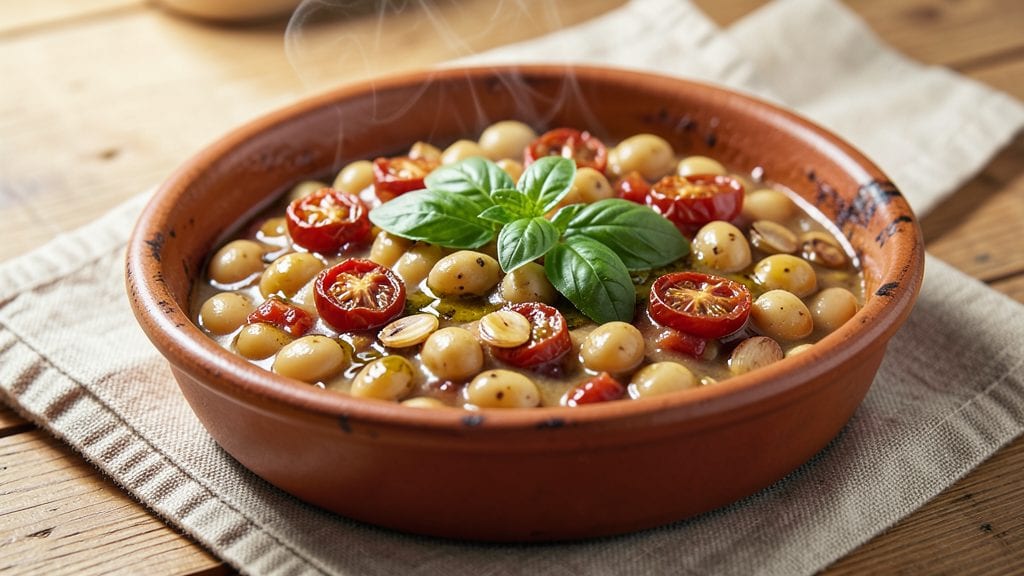
This garlicky tomato-braised Italian beans recipe transforms simple cannellini beans into a rich, hearty dish that tastes like a taste of Italy. The secret lies in slow-cooking the beans with aromatic garlic, sun-dried tomatoes, and a splash of white wine—creating a sauce so flavorful it clings to every bean.
I developed this recipe after years of testing traditional Italian techniques, and it’s now a staple in my kitchen for quick yet satisfying meals.
The beauty of this dish is its versatility and simplicity. You’ll need just 15 minutes of prep and 45 minutes of simmering to achieve a pot of beans that’s tender, deeply flavorful, and packed with umami.
The key is letting the garlic and tomatoes caramelize gently, building layers of flavor without overpowering the natural taste of the beans. This isn’t just a side dish—it’s a complete meal, especially when paired with crusty bread or a sprinkle of Parmesan cheese for extra richness.
By the end, you’ll have a hearty, restaurant-quality stew that’s creamy from the beans themselves, tangy from the tomatoes, and aromatic from the garlic and herbs. The texture is perfect—beans that are tender but still hold their shape, swimming in a sauce that’s thick enough to coat a spoon.
It’s the kind of dish that tastes even better the next day, making it ideal for meal prep or a comforting weeknight dinner.
Serve it as a standalone dish, alongside grilled meats, or even as a pasta sauce base. The possibilities are endless, but the method remains foolproof—no fancy techniques required. Let’s get started on this Italian classic that’s sure to become a family favorite.
Ingredients for italian beans
Pantry staples meet Italian tradition—just 14 ingredients for a dish that tastes like home.
| Ingredient | Amount | Notes |
|---|---|---|
| Cannellini Beans 🍲 | 1 ½ cups | Dried, soaked overnight or canned, drained |
| Garlic Cloves 🧄 | 6 cloves | Fresh, thinly sliced for even cooking |
| Sun-Dried Tomatoes 🍅 | ½ cup | Oil-packed, chopped into small pieces |
| Dry White Wine 🍷 | ½ cup | Sauvignon Blanc or Pinot Grigio preferred |
| Crushed Tomatoes 🍅 | 1 cup | San Marzano preferred for sweetness |
| Vegetable Broth 💧 | 1 ½ cups | Low-sodium, homemade or quality store-bought |
| Extra-Virgin Olive Oil 🫒 | ¼ cup | For sautéing garlic and tomatoes |
| Fresh Rosemary 🌿 | ¼ cup | Chopped, or 1 tbsp dried |
| Fresh Thyme 🌿 | 1 tbsp | Leaves only, or 1 tsp dried |
| Parmesan Cheese 🧀 | ¼ cup | Freshly grated, for finishing |
| Kosher Salt 🧂 | 1 ½ tsp | Diamond Crystal preferred for balance |
| Black Pepper 🌶️ | ½ tsp | Freshly cracked for best flavor |
| Bay Leaf 🍃 | 1 whole | For deep flavor infusion |
| Red Pepper Flakes 🔥 | ½ tsp | Optional, for heat |
The beans are the foundation, so cannellini is non-negotiable here—their creamy texture holds up beautifully to the rich sauce. I always use dried beans for better texture, but canned in a pinch works too (just rinse them well). For the garlic, fresh is a must—the flavor difference is night and day compared to powder. Sun-dried tomatoes should be oil-packed (not dried), and Trader Joe's or Whole Foods carry the best quality. The white wine? Don’t grab the cheap stuff—look for something dry and crisp like a Sauvignon Blanc or Pinot Grigio from Italy if you can find it.
No white wine? Substitute extra vegetable broth—just reduce the amount by 0.25 cup. Fresh herbs are ideal, but dried works at one-third the amount if that’s all you’ve got. The Parmesan should be real Parmigiano-Reggiano—none of that pre-grated stuff that tastes like sawdust. For the tomatoes, San Marzano is the gold standard, but any high-quality crushed tomatoes will do. If you’re short on time, a blend of tomato paste and broth works in a bind (start with 1 tbsp tomato paste + 0.75 cup broth). The bay leaf might seem small, but it adds a deep, earthy note—don’t skip it!
This dish tastes even better the next day, so make extra if you can. Store in an airtight container in the fridge for up to 5 days, or freeze for 3 months. I like to portion it into meal-prep containers with a sprinkle of Parmesan on top—just reheat with a splash of broth or water to revive the sauce. The beans will soften further, so keep an eye on them if you’re reheating from dried. For serving, a crusty baguette or grilled cheese sandwich takes this to the next level.
Why You'll Love This Recipe
- Minimal Chopping Required: I swear by this—just dice the garlic, tear those sun-dried tomatoes, and dump the rest. No dicing cans of tomatoes, no fancy prep. The cannellini beans? Straight from the can, drained. That’s it. I’ve made this while scrolling through emails.
- Sun-Dried Tomato Magic: Honestly, the sun-dried tomatoes here aren’t just garnish—they’re the star. Their chewy, briny bite cuts through the creamy beans and balances the acidity from the white wine. A handful of them makes this dish taste like you slaved for hours (but you didn’t).
- Lunchbox Hero: Between us, this is my go-to for meal prep. The flavors only get better after a day in the fridge—perfect for packing in jars or containers. Toss it over toast for breakfast, or let it cool and serve it cold with crusty bread. My kids fight over the leftovers.
- Budget-Friendly Powerhouse: Cannellini beans are cheap, and they stretch into a meal that feels special. A bottle of wine, a jar of tomatoes, and a few cloves of garlic—this feeds four for under $10. I’ll be real: I’ve made it with pantry staples only, and it still hits the spot. No excuses for takeout.
Step-by-step instructions for garlicky tomato-braised Italian beans
This method transforms simple cannellini beans into a rich, aromatic centerpiece that pairs perfectly with crusty bread or polenta.
Sauté Garlic and Sun-Dried Tomatoes in Olive Oil
Heat the 0.25 cup extra-virgin olive oil in a large Dutch oven over medium heat until shimmering but not smoking. Add the 6 cloves thinly sliced garlic cloves and sauté for 1-2 minutes until they turn golden and fragrant—this prevents burning while building flavor. Immediately add the 0.5 cup chopped sun-dried tomatoes and cook for another 30 seconds until they soften slightly. The oil should smell like a Mediterranean market at this point.
Here's the thing—don't rush this step. The garlic should sizzle gently without browning too dark, or you'll taste bitterness. I like to press down gently on the garlic with a wooden spoon to help it release its oils. This aromatic base is the foundation of your dish, so take your time.
Deglaze with White Wine and Add Tomatoes
Pour in the 0.5 cup dry white wine and let it simmer for 2-3 minutes until reduced by half, scraping up any browned bits from the bottom with a wooden spoon. This deglazing step captures all the garlic flavor that would otherwise stick to the pot. Then add the 1 cup crushed tomatoes, 1.5 tsp kosher salt, and 0.5 tsp black pepper, stirring well to combine.
Simmer this mixture for 5 minutes until the tomatoes break down and the sauce thickens slightly. You'll notice the colors deepen from a bright red to a rich, rustic hue. This is when the tomatoes release their natural sweetness and meld with the garlic and wine. If you're using red pepper flakes, add them now and stir to distribute evenly.
Build the Flavor with Herbs and Broth
Add the 0.25 cup chopped fresh rosemary, 1 tbsp fresh thyme leaves, and 1 whole bay leaf to the pot. Stir everything together and let the herbs infuse for 1 minute until you can smell their earthy aromas wafting through the kitchen. Then pour in the 1.5 cups vegetable broth, bringing the mixture to a gentle simmer. The broth should just cover the ingredients—you want enough liquid to create a sauce but not so much that it dilutes the flavors.
This is the moment that matters: let the mixture simmer uncovered for 10 minutes to allow the herbs to steep and the flavors to develop. The broth will reduce slightly, intensifying the tomato and garlic flavors. If you notice the mixture getting too thick before the 10 minutes are up, add a splash of water to maintain the right consistency.
Braise the Cannellini Beans
Add the 1.5 cups cannellini beans (drained if using canned) to the pot and stir gently to coat them in the flavorful sauce. The beans should be mostly submerged, but a little exposure to the air helps create that beautiful caramelized crust on top. Bring the mixture to a gentle simmer, then reduce the heat to low and cover the pot with a lid.
Simmer for 20-25 minutes until the beans are tender but still hold their shape. You'll know they're ready when they're easily pierced with a fork but still have a slight bite to them. The sauce should have thickened into a rich, velvety consistency that clings to the beans. If you notice the sauce is too thin, uncover the pot and simmer for another 5 minutes to reduce it further.
Finish with Parmesan and Rest
Remove the pot from heat and stir in the 0.25 cup freshly grated parmesan cheese until it melts smoothly into the sauce. The cheese adds a salty, umami depth that balances the acidity of the tomatoes and wine. Let the mixture rest off the heat for 5 minutes to allow the flavors to meld together. This resting period is crucial—it lets the beans absorb the sauce and the cheese fully incorporate.
Before serving, taste and adjust the seasoning if needed. You might want to add a pinch more salt or a splash of lemon juice to brighten the flavors. This dish tastes even better the next day as the flavors continue to develop, so it's perfect for making ahead. Serve with crusty bread to soak up every last bit of that garlicky, tomato-infused sauce.
Pro Tips For Making Italian Beans
- SOAK BEANS OVERNIGHT: I learned this the hard way—rushing cannellini beans with a quick soak leaves them gummy. Skip the pressure cooker shortcut here: soak them in cold water for 12+ hours, then rinse. The texture stays firm and creamy, not mushy, especially when simmering with tomatoes and wine.
- SMASH GARLIC FIRST: Whole cloves burn before they release flavor in this dish. Peel and smash them flat with the side of your knife before adding to the pan—no need to mince. They’ll soften fast and infuse the oil without turning bitter.
- DEGLAZE WITH WINE IMMEDIATELY: After searing garlic and sun-dried tomatoes, pour in that white wine right away while the pan’s still hot. Let it bubble for 30 seconds to lift all the browned bits (that’s flavor gold). Skipping this step means missing out on the dish’s depth.
- SIMMER LOW AND LONG: Cannellini beans need gentle heat to absorb flavors without breaking. After adding crushed tomatoes and wine, reduce to a barely simmer—think tiny bubbles, not rolling—and cook uncovered for 20-25 minutes. The sauce thickens naturally, and the beans stay intact.
Troubleshooting this recipe
Garlic Overpowering
If your beans taste too garlicky, you likely cooked the garlic too long or added too much. For a balanced flavor, sauté 6 cloves for just 1-2 minutes until golden—no darker.
If it’s already overpowering, add 1-2 tbsp tomato paste or a splash of lemon juice to cut through the intensity. A pinch of sugar (½ tsp) can also help mellow harsh garlic notes while enhancing sweetness. 🌶️
Sauce Too Thin
A watery sauce usually means too much liquid was added. Simmer uncovered for 5-10 minutes to reduce the sauce naturally. If it’s still thin, remove the lid and let it cook on medium-low heat for another 5 minutes.
For an instant fix, mix 1 tbsp cornstarch with 2 tbsp cold water, stir into the sauce, and simmer for 2 minutes until thickened. Avoid adding flour directly—it can make the sauce cloudy.
Beans Too Soft
Overcooked beans turn mushy, losing their texture. The key is timing: 20-25 minutes of simmering is ideal for cannellini beans.
If they’re already too soft, drain ½ cup of the liquid and replace it with ½ cup fresh vegetable broth, then simmer for 5 minutes to reabsorb moisture without overcooking. For dried beans, reduce simmering time by 5 minutes—they’ll soften further off the heat.
Herbs Not Infusing
If your rosemary or thyme lacks flavor, they weren’t steeped long enough. Add herbs 10 minutes before beans and simmer uncovered to let their oils release. For extra potency, crush the rosemary sprigs with your fingers before adding.
If using dried herbs, double the amount (e.g., 2 tsp dried thyme instead of 1 tbsp fresh) and add them with the broth. Strain the herbs out before serving if you prefer a cleaner texture. 🌿
Tomatoes Too Acidic
Bright, acidic tomatoes can overpower the dish. Balance them by adding ½ tsp sugar or 1 tsp balsamic vinegar to round out flavors. For a richer taste, stir in 2 tbsp tomato paste and simmer for 3 minutes to deepen the umami.
If using canned tomatoes, opt for San Marzano (sweeter) or add a pinch of salt to enhance natural sweetness.
Liquid Splattering
Sudden boiling or splattering happens when liquid heats too quickly. Always bring the pot to a gentle simmer (small bubbles, not a rolling boil) and stir occasionally to prevent hot spots. If it starts splattering, reduce heat to low and add a bay leaf or lid to diffuse steam.
For future cooks, use a wide, shallow pot (like a Dutch oven) to minimize splatter. 🔥
Nutrition facts
Frequently asked questions
What type of beans work best for this Italian recipe?
Cannellini beans are ideal for this dish—they hold their shape beautifully while soaking up the rich tomato-garlic sauce. For a creamier texture, use great northern beans or white kidney beans. Avoid black beans or pinto beans, as their earthy flavors don’t pair as well with the delicate herbs and wine in this recipe.
Can I make this recipe without white wine?
Replace the 0.5 cup white wine with an equal amount of vegetable broth or apple cider vinegar for acidity. For depth, add 1 tsp lemon juice to mimic the wine’s brightness. The dish will still taste delicious—just slightly less complex.
How do I store leftovers to keep them tasting fresh?
Store in an airtight container in the fridge for up to 5 days, or freeze for 3 months. Reheat gently on the stove with a splash of broth or water to revive the sauce. For best texture, avoid microwaving—it makes the beans rubbery.
Why does my sauce turn out watery?
This usually happens when too much liquid is added or the sauce isn’t reduced enough. Simmer uncovered for 5-10 minutes to thicken naturally, or stir in 1 tbsp cornstarch mixed with 2 tbsp cold water for an instant fix. Avoid adding flour directly—it can make the sauce cloudy.
Can I add meat to this dish?
Yes! Brown 4 oz pancetta or Italian sausage first, then remove and set aside. Use the rendered fat to sauté the garlic and tomatoes. Add the meat back in with the beans for extra heartiness. For a lighter option, try crumbled feta or shredded rotisserie chicken at the end.