
Side Dishes
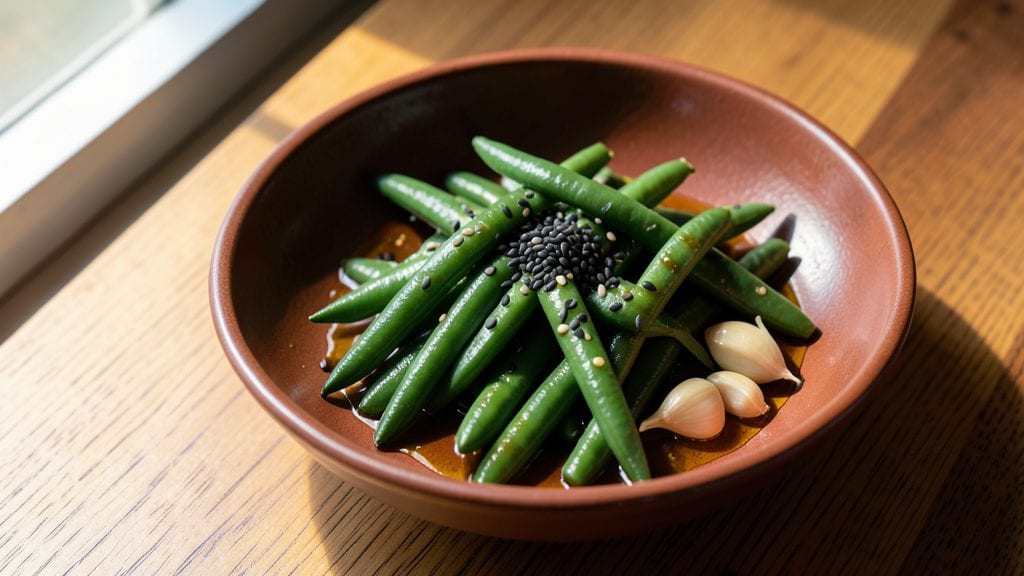
This Japanese green bean recipe transforms simple green beans into a crisp-tender side dish with aromatic sesame and bright ginger flavors—perfect for elevating any meal in just 15 minutes.
The secret lies in a quick stir-fry technique that preserves texture while infusing bold umami notes through soy sauce, mirin, and a touch of dashi. I developed this method after realizing how often store-bought versions missed the delicate balance of Japanese home cooking.
What makes this recipe stand out is its vegetarian-friendly foundation while delivering restaurant-quality depth. Fresh ginger and toasted sesame seeds add layers of complexity that go beyond basic salt-and-pepper seasoning. The beans maintain their natural crunch while absorbing just enough sauce to create a satisfying bite.
This dish pairs beautifully with rice bowls, grilled fish, or even as a standalone appetizer—its bright flavors cut through richer dishes effortlessly.
The process couldn't be simpler: blanch the beans for crispness, then stir-fry with garlic, ginger, and soy sauce until just tender. A final toss with toasted sesame seeds and a drizzle of mirin creates that signature Japanese crunch.
The result is a dish that looks as impressive as it tastes—golden edges, vibrant green centers, and a fragrant aroma that fills your kitchen instantly. For an extra kick, add red pepper flakes or minced garlic to the sauce.
This recipe scales perfectly for gatherings or meal prep—just adjust the quantity while keeping the same ratios. The beans hold up well when stored in the fridge for up to 3 days, making them an ideal make-ahead side.
Whether you're serving it at a dinner party or keeping it for weeknight dinners, this sesame-ginger green bean dish delivers authentic Japanese flavor with minimal effort. Let's get cooking!
Ingredients for japanese green bean
Fresh green beans meet aromatic sesame and bright ginger for a crisp-tender side dish bursting with authentic Japanese flavor.
| Ingredient | Amount | Notes |
|---|---|---|
| Fresh Green Beans 🥦 | 1 ½ lb | Trimmed, cut into 2-inch pieces |
| Sesame Seeds 🥜 | 2 tbsp | Toasted, for garnish and crunch |
| Fresh Ginger 🌿 | 1 tbsp | Finely grated, aromatic |
| Garlic Cloves 🧄 | 3 cloves | Minced, for aromatic base |
| White Sesame Oil 🫒 | 1 tbsp | For authentic Japanese aroma |
| Light Soy Sauce 🍶 | 2 tbsp | Kikkoman preferred for balance |
| Mirin 🍶 | 1 tbsp | Sweet rice wine for depth |
| Dashi Powder 🍵 | 1 tsp | Vegetarian-friendly umami base |
| Vegetable Oil 🫒 | 1 tbsp | High smoke point for stir-fry |
| Salt 🧂 | ½ tsp | Kosher or sea salt |
| Black Pepper 🌶️ | ¼ tsp | Freshly ground for heat |
| Red Pepper Flakes 🌶️ | ¼ tsp | Optional for extra kick |
| Rice Vinegar 🍶 | 1 tsp | Brightens flavors slightly |
| Sugar 🍬 | ½ tsp | Balances acidity in sauce |
The green beans are the foundation—look for bright green, firm pods at the grocery store. Whole Foods or local Asian markets often carry the best quality, but any fresh green beans will work. Trim the ends carefully, and cut into uniform 2-inch pieces for even cooking. Fresh ginger is non-negotiable here; pre-grated ginger loses its punch. Toast the sesame seeds in a dry pan for 2-3 minutes until golden—this brings out their nutty aroma. For dashi, Hondashi brand is vegetarian-friendly and widely available at Asian grocery stores.
No sesame oil? Toasted sesame seeds plus a splash of neutral oil works in a pinch, though the flavor won't be identical. Substitute mirin with a mix of 1 tsp sugar + 1 tsp water, but you'll lose some depth. For extra umami without dashi, add 1 tsp mushroom powder or 1 tbsp soy sauce. Fresh ginger can be swapped for 1/2 tsp ground ginger, but texture and aroma won't match. The red pepper flakes are optional—add them if you love heat, but traditional versions often skip this. Store-bought soy sauce works, but Kikkoman or Yamasa brands have the perfect balance for this dish.
Blanched beans keep for 3 days in the fridge if stored in an airtight container with a paper towel to absorb moisture. The sauce components (soy, mirin, vinegar) can be pre-mixed and stored for 1 week. For meal prep, blanch the beans ahead and store separately—toss with the sauce just before serving to maintain crispness. Toasted sesame seeds stay fresh for 2 weeks in a sealed jar away from light. This dish reheats beautifully—just warm through in a skillet with a splash of water to revive the crunch.
Why You'll Love This Recipe
- No-Chop Nightmare: I swear by this recipe on days when I’m too tired to slice anything. Trim the ends, snap the beans in half—done. The ginger and garlic get minced in seconds, and the sesame oil ties it all together without fuss.
- Umami Magic: That crisp-tender snap of the green beans with the nutty toast from sesame seeds? Chef’s kiss. The white sesame oil adds this deep, almost earthy richness that makes it taste like you slaved over it for hours—even though it’s not.
- Office Lunch Hero: Between us, this is my go-to for meal prep. Toss them in a container, and they hold up for days. Sprinkle with extra sesame seeds before packing, and suddenly your sad desk lunch feels like a Michelin-star side.
- Pantry Stash Winner: Ginger and garlic last forever, sesame oil is a one-time buy, and green beans are dirt cheap. I make a big batch when they’re on sale, store it in the fridge, and pull it out whenever I need a fast, flavorful side that won’t break the bank.
Step-by-step instructions for Japanese green beans with sesame-ginger crunch
Here's how to transform fresh green beans into a restaurant-quality Japanese dish in record time.
Prepare the Green Beans for Perfect Texture
Start by trimming the ends of the 1.5 lb fresh green beans using a sharp knife, cutting off about ½ inch from each end. Rinse them briefly under cold water and pat completely dry with paper towels. This ensures crisp texture rather than soggy beans.
Cut the beans into 2-inch pieces, working quickly to maintain freshness. Spread them on a clean kitchen towel and toss gently to remove any remaining moisture. This step is crucial—wet beans will steam instead of crisp up during cooking. Keep the prepared beans within easy reach for the next step.
Build the Flavor Base with Aromatics
Heat the 1 tablespoon vegetable oil in a large skillet over medium-high heat until shimmering. Add the 3 minced garlic cloves and stir constantly for 30 seconds until they become fragrant but don't brown. Immediately add the 1 tablespoon finely grated fresh ginger and cook for another 30 seconds, stirring frequently.
Watch the pan carefully—ginger burns quickly. You want the aromatics to perfume the oil without coloring. Add the 1 teaspoon dashi powder and stir for 10 seconds to bloom its umami flavor. This aromatic base forms the flavor foundation for your dish.
Stir-Fry the Green Beans to Crisp Perfection
Add the prepared green beans to the skillet in a single layer. Stir-fry for 3-4 minutes over medium-high heat, tossing frequently with tongs, until they turn bright green and develop slight blistering on the edges. The beans should remain crisp with just a hint of tenderness.
Don't overcrowd the pan—work in batches if needed. You want the beans to develop a golden sheen from the vegetable oil. When they're nearly done, add the 2 tablespoons light soy sauce, 1 tablespoon mirin, 1 teaspoon rice vinegar, and 0.5 teaspoon sugar. Toss everything together for 1 minute until the beans are evenly coated.
Finish with Crunch and Balance Flavors
Reduce heat to medium-low and drizzle in the 1 tablespoon white sesame oil. Immediately add the 0.5 teaspoon salt, 0.25 teaspoon black pepper, and 0.25 teaspoon red pepper flakes (if using). Toss gently for 30 seconds until the oil is evenly distributed and the beans are well-seasoned.
Remove the skillet from heat and let the beans rest for 1 minute. This allows the flavors to meld while maintaining their crisp texture. Transfer the green beans to a serving platter and immediately sprinkle with the 2 tablespoons toasted sesame seeds. Serve while still hot for maximum crunch and flavor impact.
Garnish and Serve for Authentic Presentation
Arrange the sesame-ginger green beans on a warm platter, sprinkling any remaining sesame seeds on top. The contrast of crisp beans with nutty sesame seeds creates both texture and visual appeal. Serve immediately with steamed rice or as a side dish for grilled proteins.
For an extra touch, drizzle a few drops of additional white sesame oil over the top just before serving. This enhances the nutty aroma and ties all the flavors together. The dish should deliver a perfect balance of sweet, savory, umami, and subtle heat in every bite.
Pro Tips For Making Japanese Green Bean
- Trim and Snap Properly: Use a sharp knife to slice off the ends at a 45-degree angle—this keeps the beans looking neat and prevents them from curling while cooking. Snap the tough ends off only if they’re thick; thin stems can be left on for extra texture (just trim the very tips).
- Toast Sesame Seeds Low: Spread sesame seeds on a dry pan over low heat and stir constantly—high heat burns them before they brown. Two minutes max, until they smell nutty and turn a warm golden color. Overcooking turns them bitter, and no one wants that.
- Blister Garlic First: Before mincing, add whole garlic cloves to the pan with a splash of oil and let them sizzle until the edges blacken slightly. This deepens their flavor without turning the whole dish bitter. Crush them right in the pan—no need to remove.
- Finish with Oil Off Heat: Drizzle white sesame oil after removing the pan from heat—it burns instantly if you add it while cooking. Let the beans cool for 30 seconds first, then toss gently. The aroma will hit you like a flavor bomb, and the oil won’t turn acrid.
Flavor customization for this dish
Spicy Sesame Kick
For a bold twist, add 1 tsp gochujang (Korean chili paste) to the stir-fry sauce along with the soy sauce and mirin. This brings deep umami heat that pairs perfectly with the sesame notes.
I like to balance it with an extra ½ tsp sugar to prevent overpowering bitterness. Garnish with chopped scallions and a sprinkle of toasted sesame seeds for contrast. 🌶️
Citrusy Yuzu Zing
Swap the rice vinegar for 1 tbsp yuzu juice (or sub with ½ tsp lemon juice + ½ tsp orange zest). The bright citrus cuts through the richness of the soy sauce while adding a refreshing Japanese twist.
Toast 1 tsp white sesame seeds separately in the pan for 30 seconds until golden, then sprinkle over finished beans. This variation works especially well with grilled fish or sushi rice bowls. 🍋
Smoky Miso Glaze
Replace the dashi powder with 1 tbsp white miso paste mixed with 1 tsp mirin and ½ tsp sugar. Simmer this mixture in a small saucepan for 2 minutes until smooth, then toss with the cooked beans.
Finish with crushed black sesame seeds for a nutty depth. The miso adds fermented complexity that pairs beautifully with the crisp green beans. 💫
Garlic-Ginger Bomb
Double the garlic to 6 cloves and add 1 tbsp minced shallots to the aromatic base. After stir-frying the beans, add 1 tsp toasted sesame oil and ½ tsp grated lemon zest for brightness.
The extra garlic creates a punchy, aromatic profile that stands up to bold flavors like teriyaki or spicy ramen. Keep the sesame seeds toasted separately for maximum crunch. 🧄
Sweet Soy Glaze
Create a glossy finish by adding 1 tbsp honey or agave syrup along with the mirin and rice vinegar. After tossing the beans, reduce heat to low and let the sauce caramelize slightly for 1 minute.
Finish with crushed peanuts and fresh cilantro for texture contrast. This sweeter variation works perfectly as a side for grilled meats or as a standalone appetizer. 🍯
Umami Mushroom Boost
Add ½ cup finely chopped shiitake mushrooms to the stir-fry along with the green beans. Their meaty texture and earthy flavor complement the sesame perfectly. After cooking, sprinkle with toasted sesame seeds and a pinch of furikake seasoning for extra depth.
This vegetarian version feels heartier while maintaining the dish's signature crunch. 🍄
Nutrition facts
Frequently asked questions
Can I use frozen green beans instead of fresh?
Fresh green beans are ideal for this recipe as they maintain the best texture and flavor. However, if you must use frozen, thaw them completely first and pat them very dry to prevent sogginess. For best results, blanch the thawed beans for 2 minutes in boiling water before stir-frying to restore some crispness.
How do I make this recipe vegetarian?
This recipe is already vegetarian-friendly! The dashi powder used should be a vegetarian version (like Hondashi), and the dish contains no animal products. For extra umami, consider adding shiitake mushrooms or a splash of vegetable dashi instead of fish-based dashi.
Why do my green beans turn mushy?
Overcooking or using wet beans are the most common causes. Always pat beans completely dry before cooking and stir-fry them for only 3-4 minutes over medium-high heat. Work in batches if needed to avoid crowding the pan, which steams instead of sears.
Can I prepare this ahead of time?
Yes! Blanch the green beans and store them separately in the fridge for up to 3 days. Toss with the sauce just before serving to maintain crispness. The toasted sesame seeds should be added fresh for maximum crunch. For meal prep, store sauce components separately and mix when ready to cook.
What's the best way to serve these green beans?
This dish pairs beautifully with steamed rice, grilled fish, or as a side for teriyaki chicken. For a complete Japanese meal, serve with miso soup and pickled vegetables. The sesame-ginger flavor also complements spicy ramen or sushi bowls perfectly.