
Sauces & Condiments
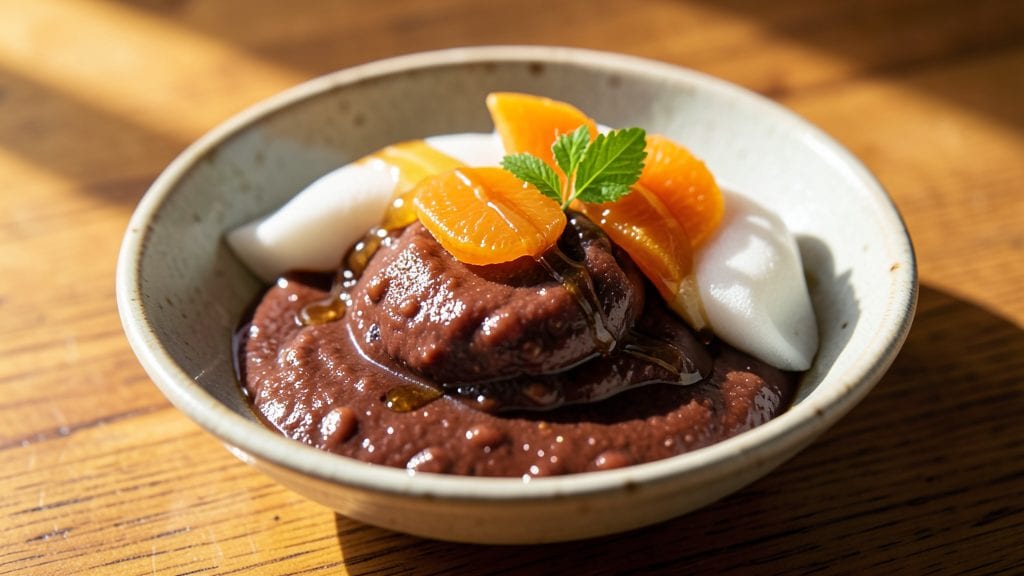
This Japanese red bean paste recipe transforms humble azuki beans into a silky-smooth, versatile spread that elevates desserts and drinks alike. 💛 The process—soaking, simmering, and blending—requires patience, but the result is worth every minute of effort.
I first discovered anko while studying traditional Japanese sweets, and its rich, nutty-sweet flavor became an instant obsession.
The foundation of great red bean paste lies in using high-quality azuki beans and balancing sweetness with just the right amount of sugar. Traditional recipes call for slow cooking to break down the beans into a velvety consistency, while modern versions often use pressure cookers for efficiency.
Whether you're making it for wagashi (Japanese sweets) or topping matcha ice cream, the texture should be smooth yet slightly rustic.
What you'll end up with is a spread that's richly aromatic, naturally sweet, and endlessly adaptable—perfect for filling mochi, drizzling over pancakes, or even mixing into lattes.
The process involves multiple steps, but each one builds toward that perfect, velvety finish. Let's get started on creating your own batch of this beloved Japanese condiment.
Once you've mastered the basic recipe, you can experiment with variations like adding sesame paste for nuttiness or reducing the sugar for a more savory version. Proper storage in an airtight container will keep your anko fresh for weeks, making it a pantry staple for all your sweet treats.
The possibilities are endless once you have this foundational recipe down.
Ingredients for japanese red bean paste
Eight simple ingredients transform into this velvety-sweet Japanese spread perfect for desserts and drinks.
| Ingredient | Amount | Notes |
|---|---|---|
| Azuki Beans 🌾 | 1 ½ cups | Dry, rinsed thoroughly |
| Granulated Sugar 🍚 | 1 cup | White or brown preferred |
| Water 💧 | 3 cups | Filtered preferred |
| Kombu Seaweed 🍃 | 1 piece | 1-inch square, for depth |
| Mirin 🍶 | 2 tbsp | Vegan mirin preferred |
| Soy Sauce 🥢 | 1 tbsp | Coconut aminos for vegan |
| Sesame Seeds 🥜 | 1 tbsp | Toasted for nuttiness |
| Extra-Virgin Olive Oil 🫒 | 1 tbsp | For finishing, optional |
Azuki beans are the heart of this recipe—look for vibrant red beans at Asian markets or well-stocked grocery stores like Whole Foods. The sugar should be fine grain for even dissolving, and organic cane sugar adds subtle depth. Kombu seaweed might sound unusual, but it infuses that unmistakable umami that makes traditional anko special. Japanese specialty stores often carry it dried, or you can find it online. For mirin, Hosho or Kikkoman are reliable vegan options—just double-check labels. The sesame seeds? Toast them lightly in a dry pan before adding to bring out their aroma.
No mirin? Substitute 1 tbsp rice vinegar plus 1 tsp sugar—it won't be identical, but close. Running short on kombu? Dashi powder at half the amount works in a pinch. The sesame seeds can be skipped if you're allergic, but the toasted flavor is worth it. For a smoother texture, blend the cooked beans with a splash of water before straining. Want more richness? Add 1 tbsp maple syrup to the sugar. And if you're making this for wagashi, reduce the sugar slightly—traditional versions are less sweet than Western adaptations.
Store your finished anko in an airtight container in the fridge for up to 2 weeks. For longer storage, freeze in ice cube trays—perfect for single-use portions. The flavor actually improves over time, developing deeper complexity. I like to portion mine into small jars so I can grab exactly what I need for mochi filling or latte drizzles. If it thickens too much, just stir in a teaspoon of water to loosen it up.
Why You'll Love This Recipe
- No-Fuss Simmer: I’ll be real—this recipe is ridiculously hands-off. Soak the azuki beans overnight, toss them in a pot with kombu and water, and let them bubble away while you do your thing. The kombu adds depth without a single extra step, and the sugar dissolves into that velvety paste all on its own.
- Sweet-Savory Magic: That first spoonful? Dangerously addictive. The mirin brightens the deep, caramelized sweetness of the beans, while the kombu leaves this subtle umami whisper—like a secret ingredient your taste buds didn’t know they needed. It’s the kind of flavor that makes you pause mid-bite.
- Year-Round Staple: Honestly, this paste is my go-to for everything: dolloped into steamed buns for breakfast, stirred into mochi for a snack, or even slathered on toast when I’m craving something cozy. It keeps for months in the fridge, so I always have a pantry shortcut ready—no last-minute grocery runs needed.
- Budget Winner: Azuki beans and sugar are cheap, and a single batch stretches into dozens of uses. I make a big batch in January, and by summer, I’m still pulling it out for desserts or even savory rice bowls. Plus, the kombu and mirin stretch the flavor further—no waste, just pure efficiency.
Step-by-step instructions for Japanese red bean paste
This silky-smooth paste comes together with simple techniques and patience—worth every minute.
🍳 Step 1: Soak and Simmer the Azuki Beans
Rinse the 1.5 cups of azuki beans thoroughly under cold water, then soak them in fresh 3 cups of water for at least 4 hours (or overnight). This softens them perfectly and prevents splitting during cooking.
Drain and transfer the soaked beans to a pot with fresh 3 cups of water. Add the 1-inch square of kombu seaweed (this adds umami depth). Bring to a boil over medium-high heat, then reduce to a gentle simmer. Partially cover and cook for 1 to 1.5 hours until the beans are fork-tender but still hold their shape. You'll know they're ready when they're soft inside but not mushy—like al dente pasta.
Real talk: Don't skip the kombu. It infuses subtle oceanic notes that elevate the whole dish. If you're short on time, pressure cooking reduces this step to 20-25 minutes, but simmering gives the best texture.
🍳 Step 2: Sweeten and Reduce to Paste
Once the beans are tender, drain them and return to the pot. Add the 1 cup of granulated sugar and 2 tbsp of mirin, stirring to combine. The sugar will dissolve quickly—the mirin adds brightness that balances the earthy beans.
Cook over low heat for 30-45 minutes, stirring frequently with a wooden spoon. You're looking for a thick, jam-like consistency where the mixture coats the back of the spoon. If it gets too dry, add 1-2 tablespoons of water at a time. The paste should be smooth but still slightly grainy—this is normal and gives it that classic texture.
Here's the thing—patience is key. Rushing this step means gummy paste. Keep stirring and let it reduce naturally. The color will deepen to a rich, reddish-brown as the sugars caramelize slightly.
👨🍳 Step 3: Season and Finish
Remove the kombu seaweed piece (you can compost it—it's done its job). Stir in the 1 tbsp of soy sauce and 1 tbsp of toasted sesame seeds. The soy sauce adds another layer of umami, while the sesame seeds bring nutty crunch. Taste and adjust—you might want to add a pinch more sugar if it's too savory.
For extra richness, drizzle in the 1 tbsp of extra-virgin olive oil while the mixture is still warm. This isn't traditional but adds a luxurious finish that pairs beautifully with both sweet and savory applications. Let the paste cool completely—it will thicken as it sits.
Pro tip: If you're making this ahead, store it in an airtight container in the fridge for up to 2 weeks. The flavors actually deepen over time. When ready to use, warm it gently in a saucepan with a splash of water to loosen it back to spreadable consistency.
Pro Tips For Making Japanese Red Bean Paste
- SOAK BEANS 4+ HOURS: I learned this the hard way—skipping the soak means the beans split like overripe fruit, turning your paste into a mushy mess. Use cold water, cover, and let them sit overnight (or at least 4 hours) for beans that hold their shape and soften evenly.
- STIR CONSTANTLY AFTER BOIL: Once the beans hit a rolling boil, don’t walk away—stir every 30 seconds with a wooden spoon. The kombu releases umami, but it burns fast; constant stirring keeps the flavor balanced and prevents a bitter aftertaste.
- USE LESS SUGAR FIRST: Taste the beans before dumping in all the sugar. Start with half the recipe’s sugar, simmer until thick, then add the rest. Too much upfront makes the paste cloyingly sweet and harder to blend smooth.
- SIMMER LOW AND SLOW: After the initial boil, drop the heat to a whisper and let the beans cook uncovered. Sounds weird, but it works: gentle evaporation concentrates the flavor and prevents the paste from turning gummy. Aim for 2-3 hours, stirring occasionally.
Perfect pairings for this dish
Wagashi Pairings
Anko is the star of traditional Japanese sweets like dango (skewered rice dumplings) and mochi. For dango, stuff steamed rice dough balls with about ½ teaspoon of anko per piece, then skewer and simmer in mirin-sweetened syrup.
For mochi, spread 1-2 teaspoons between two mochi sheets before folding—this is my go-to for New Year celebrations. The contrast of chewy mochi and creamy anko is pure magic. 💫
Matcha Lattes
Elevate your morning ritual by swirling 1 teaspoon of anko into hot matcha before adding steamed milk. The deep red swirls create a stunning visual, while the nutty-sweet paste balances matcha's earthiness.
I like to use Ippodo Tea matcha powder for the best results—it's worth the splurge. For extra richness, top with whipped cream and a sprinkle of toasted black sesame seeds.
Ice Cream Toppings
Drizzle warm anko over vanilla bean ice cream or green tea ice cream for a restaurant-worthy finish. Start with 1 tablespoon per scoop and let it melt slightly for a silky-smooth drizzle.
The temperature contrast makes it feel like a special treat. For a fun twist, pipe chilled anko into decorative patterns using a pastry bag with a star tip—kids love this presentation.
Pancake Spread
Spread a generous layer of anko between two fluffy Japanese-style pancakes (like those made with King Arthur flour) for breakfast or dessert. The sweetness cuts through the pancakes' richness beautifully.
I also add a dollop of whipped mascarpone cheese for extra decadence. This combo is perfect for weekend brunch—just don't skip the fresh berries on the side.
Savory Adaptations
For a unique twist, reduce the sugar to ½ cup and add 1 tablespoon of miso paste instead of soy sauce. This savory version works wonderfully as a glaze for grilled tofu or as a dip for edamame.
The umami depth makes it a fantastic alternative to peanut sauce. I've even used it as a filling for gyoza—the contrast with the pork is unexpected but delicious.
Drink Garnishes
Drop a small spoonful of anko into hot black tea or hojicha for a comforting drink. The paste dissolves slightly, infusing the tea with its nutty sweetness.
For a festive touch, freeze anko in ice cube trays and use them as garnishes in cocktails like lychee martinis or sake spritzers. The vibrant red cubes add a pop of color and unexpected flavor.
Nutrition facts
Frequently asked questions
Can I make Japanese red bean paste without kombu?
Yes, but you'll miss the signature umami depth. Substitute with ½ teaspoon of dashi powder or 1 tablespoon of soy sauce for a similar savory note. For a completely vegan alternative, use ½ teaspoon of mushroom powder (like shiitake or kombu powder). The flavor won't be identical, but it'll still taste delicious.
How do I fix gummy red bean paste?
If your paste turns out too thick or gummy, don't panic! Warm it gently with 1-2 tablespoons of water while stirring constantly until smooth. For extra insurance, blend it briefly with an immersion blender. If it's still too thick after reheating, add a tiny bit more water—just enough to reach a spreadable consistency.
What's the difference between sweet and savory anko?
The main difference is sugar content and seasoning. Traditional sweet anko uses 1 cup of sugar and mirin for brightness, while savory versions reduce sugar to ½ cup and add miso paste instead of soy sauce. The texture remains similar, but the flavor profile shifts dramatically—sweet is perfect for desserts, while savory works beautifully with tofu or grilled proteins.
Can I make red bean paste in a pressure cooker?
Pressure cooking cuts the cooking time dramatically. After soaking, cook the beans with kombu for 20-25 minutes on high pressure, then proceed with the sweetening and reducing steps as directed. The beans will be perfectly tender without splitting, and you'll save hours of simmering time. Just be careful when releasing the pressure.
How long does homemade anko keep?
Properly stored in an airtight container in the fridge, homemade anko stays fresh for 2-3 weeks. For longer storage, freeze in ice cube trays—these portions thaw beautifully when needed. The flavor actually improves over time, developing deeper complexity. If it thickens too much, just stir in a teaspoon of water to restore its spreadable consistency.