
Side Dishes
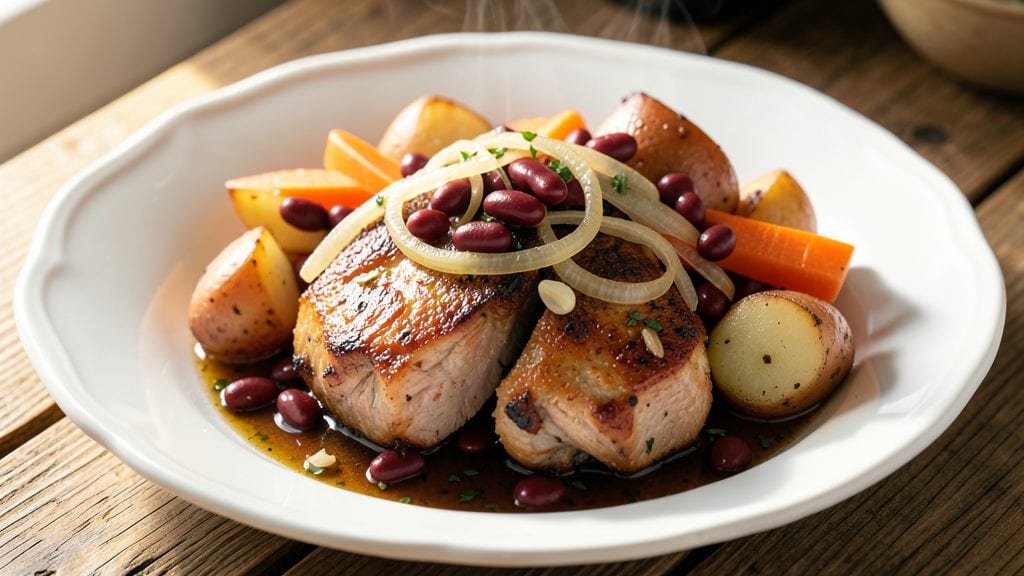
This one-pot monggo beans recipe transforms simple ingredients into a rich, caramelized Filipino classic that brings comfort to any table. The secret lies in slow simmering—where monggo beans develop their signature tender texture and deep, savory flavor.
I first made this during a busy week when I needed a hearty side that required minimal effort but maximum flavor, and it became an instant family favorite.
The beauty of this dish is its versatility—pork or beef adds depth, but it works beautifully as a vegetarian option too. Potatoes and carrots soak up the caramelized glaze, creating a harmonious blend of textures and flavors.
The key is patience; letting the mixture simmer until the beans are tender and the sauce thickens transforms this into a dish that feels like a hug in every bite.
What you’ll end up with is a one-pot wonder—golden, aromatic, and packed with the kind of savory richness that makes it perfect for weeknight dinners or special gatherings. The caramelized glaze adds a touch of sweetness that balances the earthy monggo beans, while the spices create layers of warmth.
This recipe is a testament to how simple ingredients can come together to create something truly special.
Whether you’re serving it alongside grilled meats or as a standalone dish, this monggo beans recipe delivers restaurant-quality results with minimal cleanup. Let’s get cooking—your taste buds will thank you.
Ingredients for monggo beans
Simple ingredients for a rich, caramelized Filipino comfort dish that feels like a hug in one pot.
| Ingredient | Amount | Notes |
|---|---|---|
| Monggo Beans (Mung Beans) 🌱 | 1 ½ cups | Dried, rinsed and soaked overnight |
| Russet Potatoes 🥔 | 2 medium | Peeled and cut into chunks |
| Carrots 🥕 | 2 medium | Peeled and cut into chunks |
| Pork Shoulder 🍖 | 1 lb | Cut into bite-sized pieces |
| Onion 🧅 | 1 whole | Thinly sliced |
| Garlic Cloves 🧄 | 6 cloves | Minced |
| Tomatoes 🍅 | 2 medium | Diced |
| Coconut Milk 🥥 | 1 can | Full-fat, 13.5 oz can |
| Olive Oil 🫒 | 2 tbsp | Extra-virgin for richness |
| Salt 🧂 | 1 ½ tsp | Kosher or sea salt |
| Black Pepper 🌶️ | ½ tsp | Freshly ground |
| Bay Leaves 🌿 | 2 whole | Fresh if possible |
| Ground Black Peppercorns 🌶️ | ½ tsp | For finishing |
| Sugar 🍯 | 1 tbsp | White granulated |
The monggo beans are the star—soak them overnight to cut cooking time dramatically. I grab mine from Filipino markets or the bulk section at Whole Foods; they’re usually labeled as mung beans. For the pork, shoulder is ideal—it stays tender while adding rich flavor. If you’re vegetarian, swap the pork for extra mushrooms or firm tofu. The potatoes and carrots should be similar sizes so they cook evenly. Russets hold up best to the slow simmer, but Yukon Golds work too if you prefer creamier texture.
No pork? Chicken thighs or beef chuck work just as well—just adjust cooking time. The coconut milk can be swapped for light coconut milk or even evaporated milk if you’re watching calories, but full-fat gives the best caramelized glaze. Fresh bay leaves add depth, but dried at half the amount works in a pinch. The sugar balances the savory flavors—brown sugar adds a hint of molasses if you’re feeling fancy. For the tomatoes, San Marzano if you can find them, but regular tomatoes work fine.
This dish tastes even better the next day—double the batch and save half for lunches. Store in an airtight container for 5 days in the fridge or freeze for 3 months. I like to portion mine into individual containers so I can reheat just what I need. The glaze thickens as it cools, so add a splash of water if it seems too thick when reheating. Garnish with extra black pepper before serving for a little kick.
Why You'll Love This Recipe
- One-Pot Magic: I swear by this recipe—just toss everything in a Dutch oven, add water, and let it simmer. No chopping boards to wash, no extra pots, just pure, hands-off cooking while you sip your coffee.
- Rich Umami Bomb: That pork shoulder? It melts into the broth, turning the monggo beans into this deep, savory stew with just the right bite. The carrots caramelize slightly, and the potatoes soak up all that flavor—like a hug in a bowl.
- Leftovers That Win: This dish actually tastes better the next day. I make a double batch on Sundays because reheating it for lunch is my lazy-day hero move. Plus, it’s the kind of meal your partner will text you to ask for seconds of.
- Budget-Friendly Feast: Pork shoulder stretches across multiple servings, and monggo beans are cheaper than you’d think. I’ve fed six people for under $15 with this—no fancy ingredients, just honest, filling comfort food that doesn’t skimp on taste.
Step-by-step instructions for monggo beans with caramelized glaze
This one-pot creation delivers rich flavors and tender textures without complicated techniques.
Sear the Pork Shoulder and Aromatics
Heat the 2 tablespoons olive oil in a large, heavy pot over medium-high heat until shimmering. Add the 1 lb pork shoulder cut into bite-sized pieces and sear for 5-6 minutes, stirring occasionally, until the meat develops a golden-brown crust. This step builds deep flavor through the Maillard reaction.
Remove the pork and set aside. In the same pot, add the 1 whole onion sliced thin and cook for 3-4 minutes until softened and translucent. Add the 6 cloves garlic cloves minced and cook for another 30 seconds until fragrant. You'll notice the aroma intensify—this is your cue that the garlic is ready. Keep the pork fat in the pot; it'll help create the caramelized glaze later.
Build the One-Pot Foundation
Add the 2 medium russet potatoes cut into chunks and 2 medium carrots cut into chunks to the pot. Stir to coat them in the onion-garlic mixture. Pour in 3 cups of water (enough to cover the vegetables by about 1 inch) and bring to a boil over high heat. Once boiling, reduce heat to medium-low and add the 1.5 cups monggo beans (mung beans) that have been soaked overnight and drained.
Add the 1.5 teaspoons salt, 0.5 teaspoon black pepper, and 2 whole bay leaves. The water should return to a gentle simmer. Cover the pot and let it cook for 30 minutes, stirring occasionally to prevent sticking. You'll see the potatoes and carrots begin to soften and the beans start to absorb the liquid.
Add Tomatoes and Pork for Depth
After 30 minutes, stir in the 2 medium tomatoes diced and the reserved pork shoulder. Add the 1 can coconut milk and 1 tablespoon sugar. The sugar will help caramelize the flavors as everything simmers together. Increase heat to medium and let the mixture cook uncovered for 20-25 minutes, stirring occasionally, until the liquid reduces slightly and the pork is tender.
You'll notice the sauce thicken and develop a rich, golden hue from the caramelization. The beans should be tender but still hold their shape. If the mixture looks too dry, add ½ cup water to maintain the right consistency. The pork should pull apart easily when pierced with a fork.
Finish with Aromatics and Rest
Remove the 2 whole bay leaves and stir in the 0.5 teaspoon ground black peppercorns for a subtle, finishing touch. Taste and adjust seasoning with additional salt or black pepper if needed. Let the monggo beans sit off the heat for 5 minutes to allow the flavors to meld completely.
This resting period is crucial—it lets the pork juices redistribute and the sauce thicken further. The final dish should have a velvety texture with a caramelized glaze that coats every ingredient. Serve hot, and you'll be rewarded with a harmonious blend of savory pork, tender beans, and sweet caramelized notes.
Pro Tips For Making Monggo Beans
- SOAK BEANS 4 HOURS MINIMUM: Skipping this step turns monggo into a mushy mess—trust me, I’ve learned the hard way. Use a colander and cold water, then swap the water twice if you’re short on time. The goal is soft but intact beans, not a bean puree.
- CUT POTATOES UNIFORMLY: Big chunks stay tough; tiny bits dissolve. Aim for 2-inch pieces that’ll break down evenly but still hold shape. A chef’s knife and steady hand make this faster than a food processor—no one wants mushy potatoes in their monggo.
- BROWN THE PORK FIRST: That crispy crust on the pork shoulder is where all the flavor hides. Sear it in batches over medium-high heat until deeply golden—don’t rush it, even if it means waiting a few extra minutes. The rest of the dish will taste flat if you skip this.
- STIR THE POTATOES: I used to let them sit at the bottom, and they’d turn to glue. Every 10-15 minutes, give them a gentle stir so they cook through evenly. The monggo sauce will coat them perfectly, and no one will complain about dry spuds.
Perfect pairings for this monggo beans
Filipino Rice Pairing
This monggo beans dish is a natural match for steamed Filipino rice—the slightly sticky, medium-grain texture soaks up the rich caramelized sauce beautifully.
I always serve it with jasmine rice cooked with a pinch of salt and a splash of coconut milk (just 1 tablespoon per cup of water) for extra aroma.
For presentation, arrange the rice in a mound and spoon the monggo beans directly on top, letting the sauce cascade over the rice. 🌱
Grilled Meats Contrast
For a complete Filipino feast, pair your monggo beans with grilled pork skewers or chicken inasal. The smoky charred flavors of grilled meats contrast perfectly with the sweet-savory caramelized glaze. I recommend lechon kawali (crispy fried pork belly) or adobo chicken for a classic combination.
The acidity from the adobo sauce also cuts through the richness of the monggo beans, balancing the dish beautifully.
Fresh Vegetable Garnish
Brighten the plate with a simple green papaya salad or shredded cabbage slaw. The crisp, tangy notes of the salad provide a refreshing counterpoint to the hearty monggo beans.
For a quick version, toss 2 cups shredded cabbage with 1 tablespoon rice vinegar, 1 teaspoon sugar, and a pinch of salt. Add thinly sliced radishes and green onions for extra crunch and color. 🥬
Coconut Milk Drink
Complement the dish with a ginger-coconut drink made by blending 1 cup coconut milk, 1 tablespoon grated ginger, 1 teaspoon honey, and a pinch of black pepper.
Serve it chilled over ice for a refreshing contrast to the warm, savory monggo beans. This drink also enhances the coconut flavors in the dish, creating a cohesive dining experience.
Spicy Dipping Sauce
For those who love heat, prepare a quick sambal oelek sauce by mixing 2 tablespoons sambal oelek with 1 tablespoon lime juice and a drizzle of olive oil. Serve it on the side for dipping or drizzle lightly over the monggo beans before serving.
The spicy kick adds a fun dimension to the dish, especially for those who enjoy a bit of fire with their meals. 🌶️
Sweet Ending Note
Finish the meal with a simple halo-halo-inspired fruit platter featuring ripe mango slices, jackfruit, and lychee. The sweet, tropical flavors cleanse the palate and provide a satisfying contrast to the savory monggo beans.
This pairing is especially popular during Filipino celebrations and adds a festive touch to any meal.
Nutrition facts
Frequently asked questions
Why do I need to soak monggo beans overnight?
Soaking reduces cooking time by 30-40 minutes and prevents the beans from becoming mushy. The overnight soak also helps remove any impurities, resulting in a cleaner, more flavorful dish. For quick prep, soak for at least 4 hours, but overnight gives the best texture.
Can I make this recipe without pork?
Swap the pork for chicken thighs, beef chuck, or extra mushrooms/tofu for a vegetarian version. The cooking time may vary slightly, but the one-pot method remains the same. The caramelized glaze will still develop beautifully with these alternatives.
What if my monggo beans are too mushy?
Overcooking is the most common cause. Once the beans reach tender-but-firm texture (about 30-40 minutes of simmering), remove them from heat immediately. If they're already too soft, stir in 1 tablespoon cornstarch mixed with 2 tablespoons water to thicken the sauce.
How can I make this dish spicier?
Add 1-2 tablespoons of minced chili peppers or ½ teaspoon ground chili to the pot during the final 10 minutes of cooking. For heat without dryness, stir in 1 tablespoon tomato paste first to help distribute the spices evenly. Garnish with extra chili flakes before serving.
Can I use canned monggo beans instead of dried?
Yes, but adjust the cooking time. Canned beans are pre-cooked, so add them during the last 10 minutes of simmering. Reduce the water by 1 cup since canned beans contain liquid. The texture will be slightly softer, but the caramelized glaze will still develop beautifully.