Side Dishes
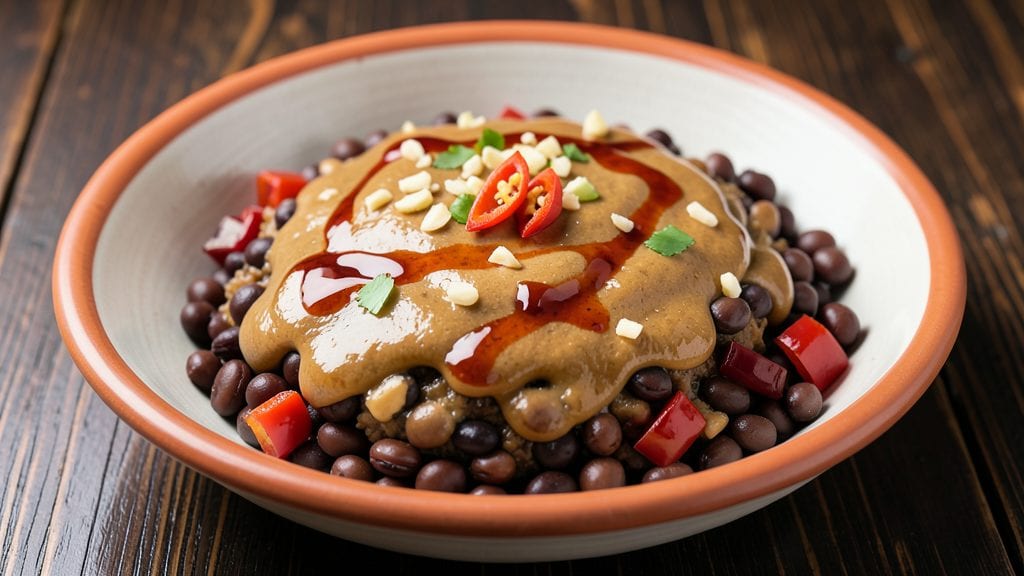
This Nigerian beans recipe delivers the rich, earthy flavors of West African cuisine in every bite, where slow-cooked black-eyed peas meld with peanut butter and palm oil for a dish that’s as comforting as it is flavorful.
The secret lies in the patient simmering—letting the spices and palm oil develop deep, aromatic layers that transform simple ingredients into something extraordinary. I’ve perfected this version over years of testing, ensuring the beans stay tender while absorbing all that complex flavor.
The process begins with soaking the beans overnight to soften them properly, then blending spices like ginger, garlic, and scotch bonnet peppers into a fragrant paste that forms the dish’s soul. Palm oil adds its signature richness, while peanut butter contributes a creamy depth that balances the heat.
This isn’t just a side—it’s a centerpiece, traditionally served with pounded yam, eba, or steamed rice, but equally at home alongside grilled meats or fish.
What you’ll end up with is a slow-cooked stew with velvety beans, a glossy sauce that clings to every spoonful, and a fragrance that fills your kitchen with warmth.
The texture is perfect—beans that hold their shape yet melt in your mouth, all bathed in a sauce that’s both savory and subtly sweet. This recipe stays true to its roots while being approachable for home cooks, proving that authentic flavors don’t require complicated techniques.
Ready in about 2 hours (including soaking), this dish rewards patience with a result that’s worth every minute. Whether you’re serving a family gathering or simply craving a taste of Nigeria, this recipe delivers restaurant-quality depth at home. Let’s get started—your kitchen will thank you for the aroma alone.
Ingredients for nigerian beans
Simple ingredients, deep flavors—this Nigerian beans recipe transforms humble staples into a fragrant, creamy masterpiece.
| Ingredient | Amount | Notes |
|---|---|---|
| Black-Eyed Peas (Dried) 🌱 | 1 ½ cups | Soaked overnight, drained |
| Smooth Peanut Butter 🥜 | ½ cup | Natural, no added sugar |
| Red Palm Oil 🫒 | ¼ cup | For authentic richness |
| Fresh Ginger 🌿 | 2 tbsp | Grated, aromatic |
| Garlic Cloves 🧄 | 4 cloves | Peeled, minced |
| Scotch Bonnet Peppers 🌶️ | 1 whole | Seeds removed for mild heat |
| Onion 🧅 | 1 whole | Medium, chopped |
| Tomato Paste 🍅 | 2 tbsp | No sugar added |
| Ground Cumin 🌿 | 1 tbsp | Toasted for depth |
| Ground White Pepper 🌶️ | ½ tsp | Freshly ground |
| Dried Thyme 🌿 | 1 tsp | Or 1 tbsp fresh |
| Bay Leaf 🍃 | 1 whole | Removed before serving |
| Vegetable Oil 🫒 | 2 tbsp | For sautéing |
| Water 💧 | 4 cups | For cooking beans |
| Salt 🧂 | 1 ½ tsp | Adjust to taste |
The black-eyed peas are the heart of this dish, so don’t skip the soaking—it’s non-negotiable for tender beans. I grab mine from Whole Foods or the bulk section at Trader Joe’s, where they’re usually organic and fresh. The red palm oil is what gives this dish its signature richness—African markets or specialty stores carry it, but you can find it online too. If you can’t get red palm oil, substitute regular palm oil or coconut oil, though the flavor won’t be quite the same. The scotch bonnet peppers are key for that signature heat, but if you can’t find them, jalapeños or habaneros work in a pinch—just adjust the seeds for mildness.
Peanut butter matters here—natural, unsweetened is a must. The kind with just peanuts and maybe a pinch of salt works best; no added oils or sugars. If you’re short on time, soak the beans for just 4 hours instead of overnight, but they won’t be as tender. The ginger and garlic should be freshly grated and minced—pre-minced garlic lacks punch. For the tomato paste, Mueller’s or Hunt’s no-sugar-added are my go-tos, but any quality brand works. If you’re making this ahead, double the batch—it reheats beautifully and tastes even better the next day.
This dish keeps for 4-5 days in the fridge, though the flavors deepen over time. For longer storage, freeze in airtight containers for up to 3 months. I always make extra because it’s perfect for lunches—just reheat with a splash of water. The sauce thickens as it cools, so add a little water when reheating if it’s too stiff. Serve with steamed rice or eba for the full Nigerian experience, or enjoy it as-is—it’s that good.
Why You'll Love This Recipe
- One-Pot Magic: I swear by this recipe—just toss dried peas, peanut butter, and a splash of red palm oil into one pot. No fancy gadgets, no stress. The ginger and garlic practically cook themselves while you stir.
- Rich, Nutty Depth: That peanut butter isn’t just flavor—it’s the star. The red palm oil gives it a warm, earthy glow, and the ginger? It cuts through the richness like a fresh breeze. Honestly, the first bite makes you forget it’s a weeknight dinner.
- Meal Prep MVP: Between us, this is my secret weapon for lazy Sundays. Cook a big batch, and it keeps for days—better the next day, if you ask me. Serve it with rice for breakfast, lunch, or dinner, or even slather it on toast when you’re really tired.
- Budget-Buster Power: Dried peas and peanut butter stretch like crazy. A single jar of peanut butter and a bag of dried beans feed my whole family for days, and the red palm oil (if you don’t have it, coconut oil works) adds that luxurious touch without breaking the bank. Not the prettiest, but the taste makes up for it.
Step-by-step instructions for Nigerian beans recipe
Here's how to create this rich, flavorful dish with slow-cooked beans and aromatic spices.
Prepare the Black-Eyed Peas
Start by soaking the 1.5 cups black-eyed peas (dried) overnight in plenty of water. This reduces cooking time and ensures tender beans. Drain them thoroughly before using - you'll want to use all the soaked peas for the recipe. I like to rinse them one final time to remove any excess starch that could make the beans gummy during cooking.
In a large pot, combine the drained black-eyed peas with 4 cups water and bring to a boil over medium-high heat. Once boiling, reduce heat to medium-low and simmer for 15 minutes. This partial cooking step helps soften the beans before they go into the full flavor infusion. Don't let them get mushy - you want them to maintain some bite throughout the cooking process.
Build the Flavor Base
Heat 2 tablespoons vegetable oil in a large Dutch oven or heavy pot over medium heat. Add the chopped 1 whole onion and cook for 5 minutes until softened and translucent. This forms the aromatic foundation of your dish. Add the 2 tablespoons tomato paste and cook for another 2 minutes, stirring constantly to prevent burning.
Next, add the minced 4 cloves garlic, 2 tablespoons fresh ginger, and the 1 whole Scotch Bonnet pepper (seeds removed). Cook for 3-4 minutes until the garlic is fragrant and the ginger becomes aromatic. Here's where the real flavor magic begins - you'll notice the kitchen filling with warm, spicy aromas. Add the 1 tablespoon ground cumin, 1 teaspoon dried thyme, 0.5 teaspoon ground white pepper, and 1 whole bay leaf, stirring to combine.
Combine and Simmer the Beans
Carefully transfer the partially cooked black-eyed peas along with their cooking liquid to the pot with the aromatics. Stir well to combine everything. Add the 1.5 teaspoons salt, 0.5 cup smooth peanut butter, and 0.25 cup red palm oil, stirring until the peanut butter is fully incorporated and smooth.
Bring the mixture to a gentle boil, then reduce heat to low and let it simmer uncovered for 45-60 minutes. You want the beans to absorb all those rich flavors and become tender. Stir occasionally - this helps prevent the peanut butter from separating. The sauce should thicken gradually, creating that characteristic Nigerian bean stew consistency. Real talk: this is where patience pays off - don't rush this step.
Adjust and Serve
After simmering, taste and adjust the seasoning if needed. You might need a bit more salt or a splash of water to reach your desired consistency. The beans should be tender but still hold their shape, with a thick, peanutty sauce coating them. Remove and discard the bay leaf before serving.
This dish tastes best served warm with jollof rice or crusty bread. The red palm oil gives it that authentic richness, while the peanut butter adds a creamy depth. Each spoonful should deliver a perfect balance of spicy, savory, and nutty flavors. For extra authenticity, garnish with fresh parsley or cilantro if you like - though it's delicious just as is!
Pro Tips For Making Nigerian Beans
- SOAK BEANS OVERNIGHT: I learned this the hard way—rushing the soak leaves you with gummy, uneven beans. Use 4 cups water per cup of dried black-eyed peas, let them sit 12+ hours (or at least 6 if you’re in a hurry), then drain and rinse twice before cooking. The extra rinse cuts down on bitterness and speeds up cooking time later.
- ROAST PEANUT BUTTER FIRST: Skip the raw peanut butter—it’ll clump and taste flat. Heat 2 tablespoons of smooth peanut butter in a dry pan over medium for 3-4 minutes until it fragrant and slightly darkened (not burnt). Stir in 1/4 cup water to thin it out, then whisk into your sauce. This step makes the peanut flavor pop and blends smoother.
- LOW AND SLOW WITH OIL: Red palm oil burns faster than you’d think. Start by heating it on medium-low until it shimmers (about 3 minutes), then add your ginger and garlic. Once they’re fragrant (not browned), drop the heat to low and let the beans simmer uncovered for 45-60 minutes. The oil’s rich flavor develops best when it’s not rushed.
- STIR IN PEANUT BUTTER LAST: Adding peanut butter too early turns your sauce into a gluey mess. Wait until the beans are tender and most of the liquid has reduced, then whisk in the roasted peanut butter mixture. If it’s too thick, thin with a splash of water or stock—just enough to coat the back of a spoon. This keeps the texture creamy without making it heavy.
Regional styles of this nigerian beans
Yoruba Ewa Riro
In Yoruba cuisine, this dish is called Ewa Riro, where "Ewa" means beans and "Riro" refers to the peanut butter sauce. The Yoruba version often includes blanched spinach or bitter leaf (about 1 cup chopped) added during the final 10 minutes of simmering.
This adds a unique bitterness that balances the richness. I like to use fresh spinach from the grocery store—just blanch it in boiling water for 1 minute before adding. The Yoruba also traditionally serve this with pounded yam or amala, but it's equally delicious with rice. 🌱
Igbo Ewa Japa
The Igbo people call this Ewa Japa, where "Japa" refers to the peanut sauce. Their version often includes smoked fish (about ½ cup flaked) for added depth. I recommend using smoked mackerel or smoked herring from specialty stores.
The Igbo also incorporate dried crayfish (about ¼ cup) for extra umami. This version is heartier and pairs perfectly with fufu or akpu (bean cake). The smoked fish adds a smoky aroma that elevates the dish to new heights. 🍗
Hausa Ewa Riro
In Northern Nigeria, the Hausa version is called Ewa Riro but often includes ground peanuts instead of peanut butter for a nuttier texture. Start by toasting ½ cup raw peanuts in a dry pan over medium heat for 5 minutes until fragrant, then grind into a paste.
The Hausa also add dried locust beans (about 1 tbsp), which are available in African markets. This version is drier and thicker, perfect for scooping up with tuwo shinkafa (yam flour pudding). The locust beans add a unique earthy flavor that sets it apart. 🌾
Lagos Street Food Style
In Lagos, this dish is a street food staple, often served in small portions with fried plantains or bread rolls. The Lagos version is spicier, using extra scotch bonnet peppers (up to 2 whole peppers) and a pinch of ground nutmeg (about ¼ tsp) for warmth.
Vendors also add a splash of palm wine (about 2 tbsp) during the final 5 minutes of cooking to deglaze the pot. This version is lighter on the peanut butter, using only ¼ cup, and focuses more on the palm oil and spices.
It's the perfect quick meal for busy days. 🍌
Modern Fusion Twist
For a contemporary take, blend ½ cup roasted red peppers into the sauce for a smoky-sweet note. Add 1 tbsp harissa paste during the final 10 minutes of simmering for extra heat. Garnish with toasted pumpkin seeds (about 2 tbsp) for crunch.
This fusion version works beautifully as a vegan main dish or alongside grilled chicken. The harissa adds complexity, while the pumpkin seeds bring texture. It’s a great way to introduce Nigerian flavors to those who prefer milder dishes. 🌶️
Nutrition facts
Frequently asked questions
Can I substitute black-eyed peas with other beans?
While black-eyed peas are traditional, you can use brown or kidney beans in a pinch. Soak them for 2 hours instead of overnight, as they cook faster. The texture will differ slightly, but the flavor profile remains similar. Avoid canned beans—they're pre-cooked and won't absorb the sauce properly.
What if I can't find red palm oil?
Use regular palm oil or coconut oil as a substitute, though the flavor won't be identical. For a closer match, blend ½ cup roasted peanuts into a paste and add it with the peanut butter. The dish will still be delicious, just with a slightly different depth of flavor.
How do I adjust the spice level?
Remove the seeds from the scotch bonnet pepper for mild heat, or use jalapeños or habaneros instead. For extra spice, add 1 tbsp harissa paste during the final 10 minutes of simmering. Always taste as you go—you can reduce heat by adding more beans or a splash of water.
Can I make this recipe in a slow cooker?
After sautéing the onions, garlic, and spices, transfer everything to your slow cooker and cook on low for 4-5 hours or high for 2-3 hours. The slow cooker enhances the flavors, making the beans even more tender. Just stir occasionally to prevent the peanut butter from separating.
What's the best way to store leftovers?
Store in an airtight container in the fridge for 4-5 days or freeze for up to 3 months. Reheat gently on the stove with a splash of water to restore the sauce's consistency. The flavors actually improve over time, making it perfect for meal prep.