
Side Dishes
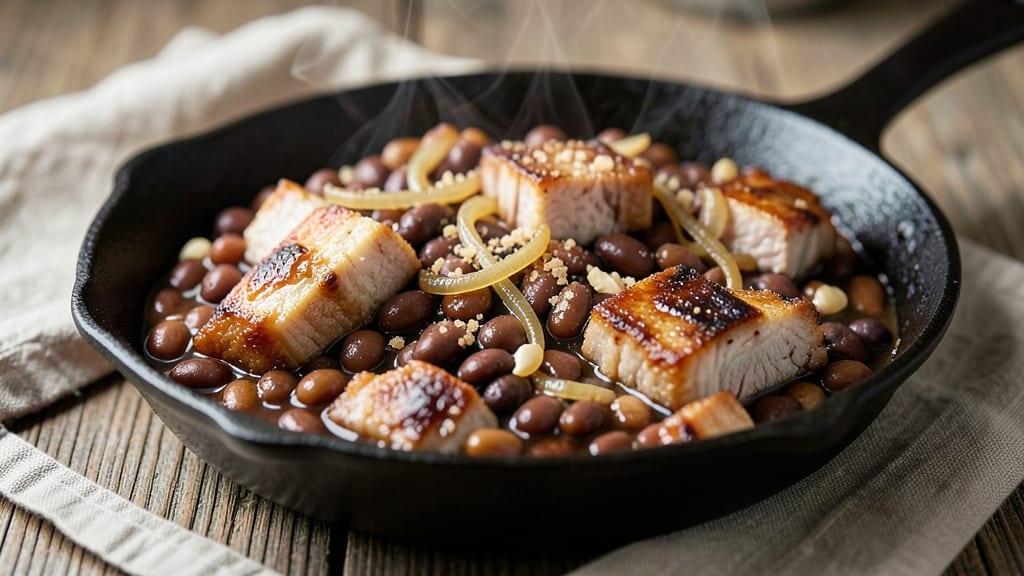
This old-fashioned Grandma Browns baked beans recipe delivers the soul-warming comfort of a Sunday dinner, where molasses and brown sugar create that signature caramelized crust. The slow-cooked method transforms simple ingredients into a dish so rich and flavorful, it becomes the heart of any meal.
I first tasted these beans at my grandmother's table, where the scent of simmering pork and spices filled the kitchen—now I'm sharing the recipe that's been passed down for generations.
The secret to authentic Grandma Browns beans lies in the balance of sweet and smoky flavors, achieved through careful layering of molasses, brown sugar, and spices. Pork shoulder (or a vegetarian substitute) adds depth as it braises for hours, while the beans soften into a tender, saucy consistency.
This isn't just a side dish—it's a centerpiece that brings families together, just like it did for my grandmother's gatherings.
What makes these beans truly special is that crispy, molasses-kissed crust on top—a result of the slow reduction that creates a caramelized glaze. The sauce clings to every bean, offering bursts of sweetness with every bite, while the spices add warmth that lingers long after the last spoonful.
This recipe delivers restaurant-quality comfort food with a homestyle touch that feels like coming home.
Perfect for holiday meals, potlucks, or lazy Sundays, these baked beans pair beautifully with cornbread, ham, or even as a standalone dish. The method is straightforward, but the results are anything but ordinary—this is the kind of recipe that gets handed down through families. Let's get cooking!
Ingredients for old fashioned grandma browns baked beans
Sixteen simple ingredients transform into the legendary molasses-kissed crust of Grandma Browns beans.
| Ingredient | Amount | Notes |
|---|---|---|
| Navy Beans 🌾 | 2 cups | Dried, soaked overnight |
| Pork Shoulder 🥓 | 1 ½ lb | Bone-in, cut into chunks |
| Molasses 🍯 | ½ cup | Unsulphured, dark variety |
| Light Brown Sugar 🍚 | 1 cup | Packed, not granulated |
| Onion 🧅 | 1 whole | Yellow, diced medium |
| Garlic Cloves 🧄 | 4 cloves | Fresh, minced |
| Mustard 🍯 | 2 tbsp | Yellow, prepared |
| Apple Cider Vinegar 🍎 | 2 tbsp | Raw, unfiltered |
| Ground Black Pepper 🌶️ | ½ tsp | Freshly cracked |
| Ground Cloves 🌿 | ¼ tsp | Whole, toasted |
| Ground Allspice 🌶️ | ¼ tsp | Freshly toasted |
| Salt 🧂 | 1 ½ tsp | Diamond Crystal kosher |
| Water 💧 | 3 cups | Filtered or spring |
| Bacon 🥓 | 6 oz | Thick-cut, chopped |
The pork shoulder is non-negotiable for authentic flavor—its fat renders down to create a rich, savory base that no substitute can fully replicate. Look for bone-in cuts at your butcher shop or the meat department, as the marrow adds depth. If you're pressed for time, Costco's pre-cut pork shoulder works beautifully, but trim any excess fat to avoid greasiness. For vegetarians, smoked tofu or tempeh can mimic the texture when cubed and marinated in soy sauce and liquid smoke. The molasses should be unsulphured and dark—Goya or Brer Rabbit are reliable brands that deliver that deep, caramelized richness. Store it in a cool, dark place, as light degrades its quality over time.
No molasses? A mix of maple syrup and brown sugar (1:1 ratio) works in a pinch, though it lacks the signature smokiness. The bacon can be swapped for smoked sausage or ham hocks for a different but equally satisfying depth. Mustard powder at half the amount replaces prepared mustard if you're avoiding additives. For the spices, Penzeys or McCormick offer high-quality ground cloves and allspice, but toast your own spices in a dry skillet for 30 seconds to intensify their aroma. The onion and garlic should be freshly diced—no shortcuts here, as their sweetness balances the molasses perfectly. If you're short on time, frozen chopped onions work, but they lack the same depth of flavor.
This recipe rewards patience—the longer it simmers, the deeper the flavor. The beans keep well in the refrigerator for up to 5 days in an airtight container, though the crust hardens slightly after the first day. For a crispier top, broil for 2-3 minutes at the end. Freezes beautifully for up to 3 months, making it ideal for holiday prep. Portion into individual ramekins before freezing for easy reheating. The bacon can be cooked ahead and stored separately, adding a smoky aroma when reheated. Leftovers taste even better the next day as the flavors meld further.
Why You'll Love This Recipe
- One-Pot Magic: Honestly, I dump everything in the same pot—beans, pork, onions—and let it slow-cook. No chopping, no fuss, just hands-off richness that smells like Sunday dinner by the time it’s done.
- Molasses-Kissed Depth: That molasses and brown sugar combo? It’s not just sweet—it’s got this deep, almost caramelized edge that sticks to your ribs. The pork shoulder melts into the beans, turning them into something dangerously tender.
- Tailgate to Thanksgiving: Between us, these are my go-to for football games (they’re hearty enough for a crowd) and my secret weapon when I need to stretch a meal for guests. Serve them with cornbread, and suddenly you’ve got a full spread without the stress.
- Budget Feast: A pound of pork shoulder and a can of beans stretch into four servings, and the molasses adds luxury for pennies. Make a double batch—leftovers reheat like a dream, and I’ve got backup for lazy mornings or late-night cravings.
Step-by-step instructions for old-fashioned Grandma Browns baked beans
Here's the method that delivers that signature molasses-kissed crunch and deep, smoky-sweet flavor—just like Grandma's.
Prepare the Beans and Pork Shoulder
Begin by draining and rinsing the soaked 2 cups navy beans thoroughly under cold water. This removes excess starch that could make your beans gummy. In a large Dutch oven, combine the beans with the 1.5 lb pork shoulder chunks, 3 cups water, and 1.5 tsp salt. Bring to a boil over high heat, then immediately reduce to a simmer. Cover and cook for 1 hour, stirring occasionally to prevent sticking. The pork should begin to tenderize and the beans should start softening but not yet fully cooked.
While the beans simmer, dice the 1 whole onion into medium pieces—about ¼-inch cubes. This size ensures even cooking and good flavor distribution. The onions will mellow and caramelize beautifully during the baking process, adding depth to the beans. Keep them nearby so you can add them later without interrupting the cooking.
Cook the Bacon and Build the Sweet-Savory Base
In a separate skillet, cook the 6 oz chopped bacon over medium heat until crispy, about 8-10 minutes. Use a slotted spoon to transfer the bacon to paper towels to drain excess fat, reserving 2 tablespoons of the rendered bacon fat in the skillet. This fat is pure flavor—don't discard it. Add the diced onion to the skillet with the bacon fat and cook for 5-6 minutes until softened and lightly golden. You're building layers of flavor here that will carry through the entire dish.
To the skillet, add the 4 minced garlic cloves and cook for 30 seconds until fragrant. This quick cooking prevents the garlic from burning, which would make the entire dish bitter. Immediately transfer the onion and garlic mixture to the Dutch oven with the beans and pork. Stir everything together, then add the 0.5 cup molasses, 1 cup packed light brown sugar, 2 tbsp mustard, 2 tbsp apple cider vinegar, 0.5 tsp ground black pepper, 0.25 tsp ground cloves, and 0.25 tsp ground allspice. Stir well to combine all ingredients thoroughly.
Bake Until Tender and Caramelized
Transfer the Dutch oven to a preheated 325°F oven. Bake uncovered for 3-3.5 hours, stirring every 45 minutes. This stirring is crucial—it prevents the top from burning while allowing the liquid to reduce and the flavors to meld. You'll notice the mixture thickens gradually as the liquid evaporates and the beans absorb all that rich, sweet-savory sauce. The pork should become fork-tender, falling apart easily when pierced with a fork.
About 30 minutes before the beans are done, sprinkle the reserved crispy bacon evenly over the top. This creates that signature crunch and adds another layer of smoky flavor. The beans are finished when they're tender but still hold their shape slightly, and the sauce has thickened to a glossy, molasses-rich consistency. The pork should be falling apart, and the onions should be caramelized with a deep golden color.
Rest and Serve with Confidence
Remove the Dutch oven from the oven and let the beans rest for 15-20 minutes before serving. This resting period allows the juices to redistribute throughout the beans and pork, ensuring each bite is moist and flavorful. The beans will continue to thicken slightly as they rest, so don't be tempted to serve them immediately—they'll be too runny.
Serve the beans hot, straight from the Dutch oven, with the crispy bacon on top. The contrast of the crunchy bacon against the tender, sweet-savory beans is what makes this dish so special. Each spoonful delivers a perfect balance of smoky pork, molasses sweetness, and the deep, complex flavors of the slow-cooked ingredients. This is comfort food at its finest—just like Grandma used to make.
Pro Tips For Making Old Fashioned Grandma Browns Baked Beans
- Sear the Pork First: Don’t skip browning the pork shoulder—cut it into chunks, pat them almost dry (just a little dampness left), and sear in a hot Dutch oven until deep brown on all sides. I learned this the hard way after making mushy beans; the crust from the sear carries through the slow cook and adds real depth to the molasses-sweetened sauce.
- Soak Beans Overnight: Skip the quick-soak—Navy beans need at least 8 hours in cold water to soften properly. Drain and rinse them before adding to the pot, or you’ll end up with a watery, under-flavored mess. (Yes, even if you’re impatient like me.)
- Stir the Molasses Early: Whisk the molasses into the cooking liquid within the first 30 minutes—not at the end. If you add it too late, it’ll clump and make the beans taste bitter. A splash of vinegar or lemon juice first helps it blend smoothly.
- Cover Tightly, Then Crack the Lid: Seal the pot with a tight lid for the first 2 hours to build steam, then prop it open slightly (use a wooden spoon) for the last hour. This lets the beans thicken and develop that glossy, caramelized crust without boiling over. (Your future self will thank you.)
Regional styles of this recipe
Southern Comfort Roots
Grandma Browns baked beans trace their roots to the American South, where molasses and pork became staples during the Great Depression. My grandmother's recipe was passed down from her mother, who learned it during the 1930s when families stretched ingredients to feed large gatherings.
The dish became a centerpiece at church potlucks and family reunions, where the slow-cooked beans fed dozens with minimal cost. 🌶️
The name "Grandma Browns" likely originated from Browns Valley, Texas, where early settlers adapted European molasses recipes with local ingredients like pork shoulder and navy beans. The dish evolved to include apple cider vinegar and mustard, giving it that signature tangy-sweet balance.
My grandmother always said the longer they cooked, the better they tasted—she'd let them simmer for 4-5 hours on Sundays.
Midwest Homestyle Twist
In the Midwest, particularly Ohio and Michigan, families added brown sugar and ground cloves to create a thicker, spicier version. My uncle's recipe from Detroit included hot dogs (a nod to the region's love of sausages) and a crispier crust achieved by baking in cast iron.
The beans became a staple at Thanksgiving dinners, where they paired perfectly with cornbread and mashed potatoes.
One key difference is the liquid reduction—Midwestern cooks often used less water and more tomato paste for a deeper color. I remember my aunt's beans had a glossier finish, almost like a caramelized glaze.
The secret? She'd stir them every 30 minutes during the last hour of cooking to prevent burning while building that rich sauce.
New England Sweet Variation
Up north, maple syrup sometimes replaced molasses in Vermont and Maine, creating a lighter, slightly sweeter version. My cousin's grandmother from Portland, Maine, used maple-baked beans as a holiday centerpiece, often serving them with roasted turkey or lobster rolls.
The dish became a symbol of New England hospitality, where guests were always offered seconds.
The crust in New England versions tends to be lighter and cracklier, achieved by broiling the beans for 2-3 minutes at the end. They also added cinnamon (a nod to the region's baking traditions) and a splash of bourbon for depth.
I first tried this version at a harvest festival and was surprised by how well the maple balanced the smokiness.
Modern Adaptations
Today, many families adapt the recipe for vegetarian diets using smoked tofu or mushrooms in place of pork. I've seen versions with balsamic vinegar instead of apple cider for a fruitier tang, or even chipotle powder for heat.
My friend in Austin, Texas, swaps molasses for chocolate molasses—trust me, it works and adds a deep, rich complexity.
For a quick version, some cooks use a slow cooker on low for 6-8 hours, though purists argue it lacks the oven's caramelization. I prefer the Dutch oven method—it delivers that unmatched depth of flavor that makes these beans legendary.
The key is patience; rushing never replicates Grandma's magic.
Nutrition facts
Frequently asked questions
Why do these beans need to simmer for so long?
The extended cooking time—3-3.5 hours—is what creates that signature molasses-kissed crust and deep, complex flavor. The slow reduction allows the pork to become fork-tender while the beans absorb all the sweet-savory sauce. This method builds layers of flavor that can't be achieved quickly, turning simple ingredients into a restaurant-quality dish.
Can I make these beans vegetarian?
Replace the pork shoulder with smoked tofu (marinated in soy sauce and liquid smoke) or mushrooms for umami depth. Use vegetable broth instead of water and add 1 tbsp soy sauce to mimic the pork's savory notes. The molasses and spices will still deliver that classic sweet-savory profile.
How do I get that perfect crispy crust on top?
The crust forms from the caramelized molasses and brown sugar during the final stages of baking. For extra crispiness, stir the beans every 45 minutes to prevent burning, then broil for 2-3 minutes at the end. Sprinkle the reserved crispy bacon on top 30 minutes before serving—this adds both texture and smoky flavor.
Can I make these beans in a slow cooker?
Yes, but expect different results. Cook on low for 6-8 hours to tenderize the beans and pork, then transfer to a baking dish and broil for 5 minutes to develop the crust. The slow cooker method lacks the caramelization of oven-baking, but it's a great shortcut for weeknight meals. For best results, stick with the Dutch oven method.
What's the best way to store leftovers?
Store in an airtight container in the fridge for up to 5 days. The beans will thicken slightly as they cool, so add a splash of water or broth when reheating. For freezing, portion into individual containers and freeze for up to 3 months. Thaw overnight in the fridge—never microwave directly from frozen.