
Side Dishes
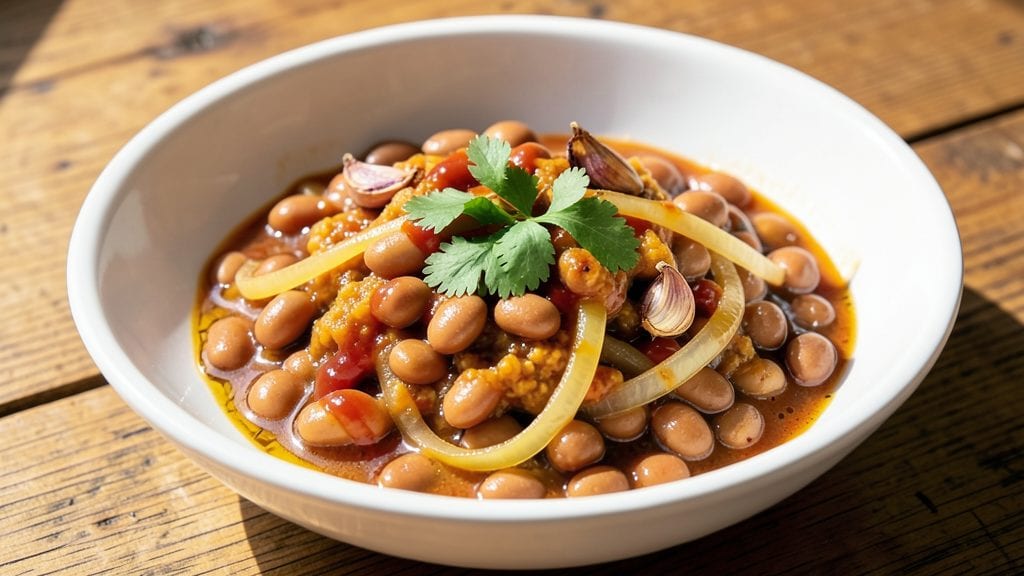
This Peru beans recipe transforms simple ingredients into a deeply flavorful one-pot dish that captures the heart of Peruvian home cooking. The secret lies in slow-simmered beans infused with toasted cumin, garlic, and a bright citrus finish that balances rich, earthy spices.
After years of perfecting this recipe, I can confidently say it delivers restaurant-quality results with minimal effort—just one pot and about an hour of hands-off time.
The magic begins with soaking the beans overnight, which ensures tender texture and even cooking. Toasting the spices in the same pot where the beans simmer creates a fragrant base that builds flavor layer by layer.
Traditional Peruvian techniques like blending a portion of the beans into the sauce add depth without requiring extra ingredients. This dish is more than just a side—it's a flavor experience that pairs beautifully with grilled meats or stands alone as a satisfying meal.
What you'll end up with is a pot of velvety beans with caramelized edges, aromatic spices, and a tangy brightness from lime and ají. The texture is perfectly tender yet substantial, while the flavors are complex enough to hold their own as a main dish.
Every bite carries the warmth of Peruvian home cooking, made simple enough for weeknight dinners but impressive enough for guests.
Serve these beans alongside grilled chicken, fish, or as part of a festive spread with rice and fresh salad. The recipe scales easily for larger gatherings, and leftovers reheat beautifully—just add a splash of water to keep them moist.
Let's bring the flavors of Peru to your kitchen with this foolproof one-pot method.
Ingredients for peru beans
Simple pantry staples meet Peruvian tradition in this aromatic one-pot bean dish.
| Ingredient | Amount | Notes |
|---|---|---|
| Great Northern Beans 🌾 | 1 ½ cups | Dried, soaked overnight |
| Ground Cumin 🌿 | 2 tbsp | Toasted for depth |
| Garlic Cloves 🧄 | 6 cloves | Peeled, minced |
| Yellow Onion 🧅 | 1 whole | Diced, medium size |
| Tomato Paste 🍅 | 2 tbsp | Smooth, not chunky |
| Ají Amarillo Paste 🌶️ | 1 tbsp | Or substitute 1 tsp cayenne |
| Lime Juice 🍋 | ½ cup | Freshly squeezed |
| Olive Oil 🫒 | ¼ cup | Extra-virgin preferred |
| Bay Leaves 🍃 | 2 whole | Dried, standard size |
| Salt 🧂 | 1 ½ tsp | Kosher or sea |
| Black Peppercorns 🌶️ | ½ tsp | Freshly cracked |
| Fresh Cilantro 🌿 | ¼ cup | Chopped, for garnish |
| Red Wine Vinegar 🍷 | 1 tbsp | For brightness |
| Water 💧 | 6 cups | Filtered preferred |
The beans are the foundation, so Great Northern delivers the perfect texture—soak them overnight for tender results. Penzeys Spices or bulk bins at Whole Foods are ideal for cumin, but any quality ground cumin works. Toasting the spices in the pot before adding liquid unlocks their full aroma, creating that signature Peruvian depth. For the ají amarillo paste, Latin markets often carry it, but cayenne pepper makes a suitable substitute if you can't find it. The tomato paste? Trader Joe's has the best squeeze tubes—no waste, and it keeps for months in the pantry.
No ají amarillo? Cayenne or smoked paprika adds heat, while sun-dried tomato paste deepens the umami. Fresh lime juice is non-negotiable for brightness, but lemon juice works in a pinch—just add a pinch more salt to balance. The red wine vinegar can be swapped for apple cider vinegar if needed. For a vegetarian twist, add 1 cup frozen corn during the last 15 minutes of cooking. The garlic and onion can be pre-minced to save time, but toasting them whole in the olive oil creates more complex flavors.
This dish tastes even better the next day as flavors meld. Store in an airtight container in the fridge for up to 5 days, or freeze portions for 3 months. To reheat, add a splash of water and simmer for 5 minutes. The beans hold up beautifully—double the batch and freeze half for lazy weeknights. Garnish with fresh cilantro just before serving (it wilts fast, so add it last).
Why You'll Love This Recipe
- One-Pot Magic: I swear by this recipe when I’m too tired to wash dishes. The beans simmer right in the pot with the onions and garlic—no extra pans, no fuss. Just stir, let it bubble, and boom—done.
- Earthy Depth: That cumin and tomato paste combo? It’s where the real magic happens. The beans soak up the warm, smoky flavor like a sponge, giving you that rich, satisfying taste without needing fancy ingredients.
- Meal Prep MVP: Between us, this is my go-to for lunches all week. The flavors only get better after a day or two in the fridge—perfect for tossing into salads, slathering on toast, or just eating straight from the jar.
- Budget-Friendly Staple: Great Northern beans are cheap, and they stretch forever. A single batch feeds my family for days, and I’ve never once regretted buying a big bag. Plus, the pantry staples (cumin, onion, garlic) mean I’m not scrambling for obscure ingredients.
Step-by-step instructions for cumin-spiced, garlic-kissed Peru beans
This one-pot method transforms simple ingredients into vibrant, aromatic Peru beans with layers of flavor.
Sauté Aromatics Until Fragrant
Heat the 0.25 cup olive oil in a large Dutch oven or heavy pot over medium heat. Add the 1 whole yellow onion and 6 cloves garlic cloves, cooking for 5-6 minutes until the onion softens and the garlic turns golden. You'll smell that sweet, nutty aroma—this is your foundation.
Next, add the 2 tbsp ground cumin and 1 tbsp ají amarillo paste, stirring constantly for 1 minute until the spices bloom and fill the kitchen with their warm, earthy scent. This step develops the complex flavor profile that defines Peru beans. If using cayenne as a substitute, add it now along with the cumin.
Build the Base with Tomato and Spices
Reduce heat to medium-low and stir in the 2 tbsp tomato paste, cooking for 2-3 minutes until it darkens slightly and becomes fully incorporated. This creates a rich, concentrated base that prevents the beans from becoming mushy later in the cooking process.
Add the 2 whole bay leaves, 1.5 tsp salt, and 0.5 tsp black peppercorns, stirring to combine. The bay leaves will infuse subtle herbal notes, while the peppercorns add a subtle heat that balances the dish. Keep the heat at medium-low—you want to develop flavors without browning the spices.
Combine and Simmer the Beans
Pour in the 6 cups water and bring the mixture to a gentle boil. Add the 1.5 cups soaked great northern beans, stirring to ensure they're fully submerged. Return to a simmer and cook uncovered for 45-50 minutes, stirring occasionally, until the beans are tender but still hold their shape.
Real talk: The beans should be fork-tender with a slight bite—overcooking turns them mushy. If the liquid reduces too much before the beans are done, add ½ cup water at a time as needed. The goal is a thick, flavorful stew with beans that hold together when sliced.
Finish with Bright Acid and Fresh Herbs
Once the beans are tender, stir in the 0.5 cup lime juice and 1 tbsp red wine vinegar. The acidity brightens all the flavors and cuts through the richness of the cumin and olive oil. Taste and adjust seasoning—you may need an additional ½ tsp salt depending on your beans.
Remove the pot from heat and stir in the 0.25 cup chopped fresh cilantro. Let the beans sit covered for 10 minutes to allow the flavors to meld completely. The cilantro adds freshness that balances the earthy spices, while the resting period ensures every bite is cohesive.
Pro Tips For Making Peru Beans
- Bloom the Cumin: DESCRIPTION: Toast the ground cumin in a dry pan for 30 seconds until it smells like a spice market—just until it’s fragrant, not brown. I used to skip this, and the flavor was always flat. That quick step wakes up the earthy notes so they sing in the beans.
- Sweat, Don’t Burn: DESCRIPTION: Cook the onions low and slow until they’re translucent and just starting to soften—about 8 minutes. After burning three batches, I finally figured out that rushing this step turns the onions bitter and muddies the whole dish. Patience here pays off.
- Crush the Garlic: DESCRIPTION: Mince the garlic cloves into tiny pieces—think rice grains, not slices. Whole cloves won’t break down properly, and you’ll end up with a few stubborn chunks in your beans. (Yes, even if you’re impatient like me.)
- Stir the Paste: DESCRIPTION: Whisk the tomato paste with a splash of water or broth before adding it to the pot—this prevents clumping and ensures it dissolves smoothly. I skip this when I’m lazy, but the dish is noticeably better when I don’t.
Troubleshooting this dish
Beans Too Hard
If your beans remain tough after simmering, they likely need more time or weren’t soaked properly. First, check your soaking method—beans should soak in 3 cups water for at least 8 hours (or overnight).
If they’re still hard after 50 minutes of simmering, add 1 cup fresh water, cover, and cook another 20-30 minutes on low heat. The beans should be fork-tender but not mushy. 🌱
Mushy Texture
Overcooking or insufficient liquid control causes mushy beans. If your pot reduces too much, add ½ cup water gradually to maintain a gentle simmer. Avoid high heat—keep it at medium-low to prevent breaking down the beans.
For extra insurance, reserve ½ cup cooking liquid before blending (if using the traditional technique) to adjust consistency later.
Flat or Bland Flavor
Bland beans usually mean underdeveloped spices or insufficient acidity. Toast your cumin and ají amarillo in the pot for 1-2 minutes before adding liquids to deepen their aroma. Boost brightness with an extra 1 tbsp lime juice or ½ tsp red wine vinegar at the end.
A pinch of smoked paprika or chili powder can also add complexity if needed.
Skin Still On Beans
If skins remain intact, your beans weren’t soaked long enough. Soak them for 12 hours next time or use the quick-soak method: boil beans for 2 minutes**, then let them sit off heat for 1 hour before cooking.
For stubborn skins, add ½ tsp baking soda to the cooking water—it helps soften them naturally. 💡
Burnt or Bitterness
Burnt flavors come from overheating the spices or tomato paste. Keep your heat at medium-low when sautéing aromatics and never let the pot dry out. If bitterness develops, stir in 1 tbsp honey or maple syrup to balance it. The key is patience—rush the process, and you’ll risk burnt edges.
Sauce Too Thin
A watery sauce happens when beans release too much starch. Simmer uncovered to reduce liquid naturally, or blend ½ cup beans with ¼ cup cooking liquid and stir it back in to thicken.
For a quicker fix, mash 2-3 beans directly in the pot to release starch. Always taste as you go—adjust gradually to avoid over-thickening.
Nutrition facts
Frequently asked questions
Can I use canned beans instead of dried for this recipe?
Yes, but with adjustments! Use 2 (15 oz) cans of Great Northern beans, drained and rinsed. Skip the soaking step, but add ½ cup extra water to the pot since canned beans have less starch. Simmer for 20-25 minutes instead of 45-50 to avoid mushiness. For best flavor, try low-sodium beans and add extra salt at the end.
What makes these beans different from regular black beans?
This recipe captures Peruvian-inspired flavors with key differences: cumin and ají amarillo (or cayenne) create warm, slightly spicy depth, while lime and vinegar add bright acidity. Traditional Peruvian techniques like toasting spices and blending some beans into the sauce create a richer, more complex texture than simple black bean dishes.
How can I make this recipe vegetarian or vegan?
It's already vegetarian! For vegan, simply replace the olive oil with vegetable oil and ensure your tomato paste is vegan (some contain anchovies). Add 1 cup frozen corn during the last 15 minutes of cooking for extra texture. The dish maintains its rich, spiced profile without any animal products.
Can I prepare this ahead of time for meal prep?
These beans taste even better the next day as flavors meld. Store in an airtight container in the fridge for up to 5 days or freeze portions for 3 months. Reheat gently with 2 tbsp water per serving to restore moisture. The texture holds up perfectly—ideal for busy weeknights or meal prep Sundays!
What's the best way to serve these flavorful beans?
These beans shine as a main dish with steamed rice and a simple salad, or as a side with grilled meats like chicken or fish. For extra flair, top with avocado slices, lime wedges, and extra cilantro. They also make a hearty filling for tacos or burrito bowls—just warm through with a splash of water.