
Side Dishes
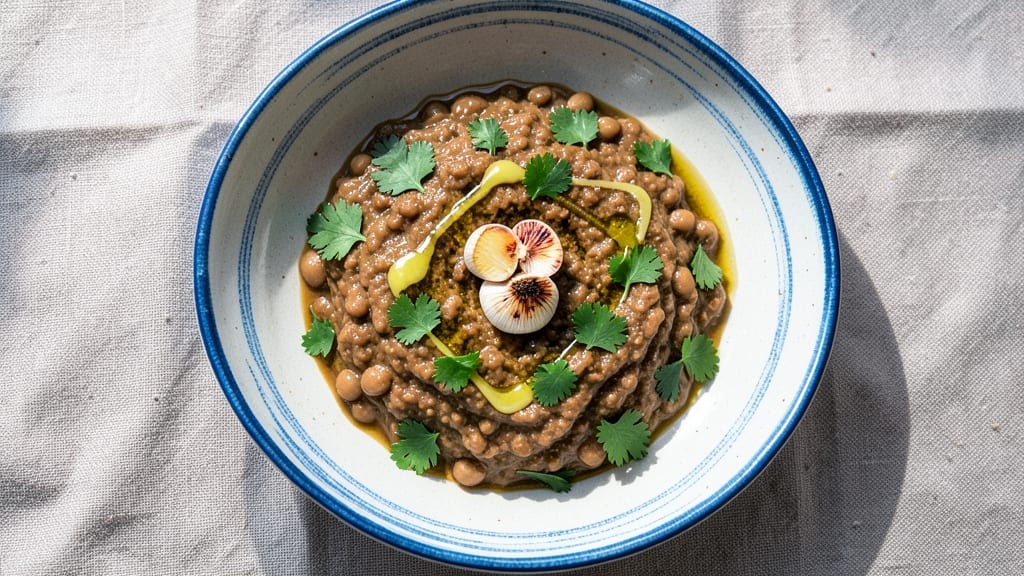
This Portuguese fava bean recipe brings the soul-warming flavors of Lisbon straight to your kitchen table, where earthy beans simmer in aromatic olive oil until tender and infused with garlic and herbs.
The traditional method transforms simple ingredients into a dish that feels like a warm embrace—perfect for pairing with crusty bread or fresh greens. What makes this recipe special is its ability to deliver restaurant-quality depth with minimal effort, using just a few pantry staples and 30 minutes of active time.
The secret to authentic Portuguese fava beans lies in the slow simmering process, which allows the flavors to meld together beautifully. Garlic and fresh herbs like parsley or cilantro add layers of brightness, while a splash of lemon juice at the end brightens the dish.
This recipe stays true to tradition while offering flexibility—vegetarian adaptations are simple, and the dish reheats beautifully for leftovers.
By the time you serve these fava beans, you'll have a side dish that's rich in flavor and texture—creamy yet slightly firm, with a fragrant broth that clings to every bite.
The aroma alone will transport you to a cozy Portuguese taverna, where this dish is a staple alongside grilled meats or fresh seafood. The best part? It's a dish that feels special without requiring any special ingredients.
Whether you're serving this as a side for a family dinner or as a vegetarian main with crusty bread, the versatility of this recipe makes it a go-to for any meal. Let's get started on creating this comforting classic that's been cherished for generations.
Ingredients for portuguese fava bean
Simple pantry staples and fresh herbs transform into Portugal's comforting fava bean classic.
| Ingredient | Amount | Notes |
|---|---|---|
| Dried Fava Beans 🌾 | 1 ½ cups | Picked over for stones, soaked overnight |
| Extra-Virgin Olive Oil 🫒 | ½ cup | High-quality, fruity variety preferred |
| Garlic Cloves 🧄 | 6 cloves | Fresh, peeled, lightly crushed |
| Fresh Parsley 🌿 | ¼ cup | Chopped, stems removed |
| Fresh Cilantro 🌿 | ¼ cup | Chopped, optional for brightness |
| Lemon Juice 🍋 | 2 tbsp | Freshly squeezed, for acidity |
| Vegetable Broth 💧 | 2 cups | Low-sodium preferred |
| Bay Leaves 🍃 | 2 whole | Dried, for aromatic depth |
| Salt 🧂 | 1 ½ tsp | Kosher or sea salt, adjust to taste |
| Black Peppercorns 🌶️ | ½ tsp | Freshly cracked for texture |
| Crusty Bread 🍞 | 4 slices | For serving, optional |
| Freshly Grated Pecorino Romano 🧀 | ¼ cup | For garnish, optional |
The fava beans are the heart of this dish, so quality matters. Look for dried beans at Whole Foods or Trader Joe's—their bulk bins often carry organic varieties with better texture. Soaking overnight reduces cooking time and prevents a gritty bite. The olive oil should be extra-virgin, with a fruity, peppery finish—California Olive Ranch or Colavita are reliable choices. Fresh herbs like parsley and cilantro add brightness, but if you're short on time, dried oregano at half the amount works in a pinch.
No fresh parsley? Fresh basil or marjoram can substitute, though the flavor will differ slightly. Short on vegetable broth? Water with an extra pinch of salt suffices, but the umami depth is worth the effort. The garlic should be freshly crushed—pre-minced garlic lacks the aromatic oils that develop during cooking. For a quicker version, use canned fava beans, but they lack the rustic texture of dried. The bay leaves infuse subtle earthiness, so don't skip them—they're a key part of the Portuguese tradition.
Fava beans reheat beautifully, so this dish tastes even better the next day as flavors meld. Store leftovers in an airtight container in the fridge for up to 5 days. For longer storage, freeze portions in ice cube trays—perfect for quick meals later. The broth thickens as it cools, so add a splash of water when reheating. Serve with warm crusty bread to soak up every last bit of that fragrant liquid gold.
Why You'll Love This Recipe
- Here’s what sold me: these beans stay fresh for days, and they’re perfect for meal prep. Pack them cold in a jar with a drizzle of olive oil, and suddenly you’ve got a lunch that’s hearty, protein-packed, and way more exciting than a sad sandwich.
- Soak-and-Skip Magic: I swear by these dried fava beans—just toss them in water overnight, and they’re ready. No fancy soaking tricks, no peeling hassle, and honestly? That first bite after simmering in olive oil and garlic feels like a reward for doing almost nothing.
- Garlic-Herb Bomb: Between us, this isn’t your average bean dish. The moment those fava beans hit the pan with crushed garlic and fresh parsley, the kitchen smells like a Portuguese café. That bright cilantro finish? It’s the secret weapon—crisp, zesty, and impossible to resist.
- Lunchbox Hero: Here’s what sold me: these beans stay fresh for days, and they’re perfect for meal prep. Pack them cold in a jar with a drizzle of olive oil, and suddenly you’ve got a lunch that’s hearty, protein-packed, and way more exciting than a sad sandwich.
Step-by-step instructions for Portuguese fava beans
Transform simple ingredients into a hearty, comforting dish with this traditional Portuguese method.
Prepare the Fava Beans for Cooking
Begin by rinsing the 1.5 cups dried fava beans thoroughly under cold water to remove any debris. Soak them in a large bowl of water overnight—this ensures they cook evenly and become tender. In the morning, drain and rinse them again before transferring to a large pot. Cover with fresh cold water by about 2 inches and bring to a boil over medium-high heat. Once boiling, reduce the heat to low and simmer for 1.5 hours, stirring occasionally to prevent sticking. The beans are ready when they're fork-tender, with no hard centers remaining.
Here's the thing—fava beans take patience. If they're not soft enough after 1.5 hours, add more water and continue cooking. The goal is a creamy, almost mashed texture that forms the base of your dish. You'll know it's perfect when the beans break down easily but still hold some shape.
Build the Flavor Base
Once the beans are tender, drain them, reserving 1 cup of the cooking liquid. In a large skillet, heat the 0.5 cup extra-virgin olive oil over medium heat. Add the 6 cloves garlic cloves, lightly crushed, and sauté for 1-2 minutes until they're fragrant but not browned. Be careful not to let them burn—garlic turns bitter quickly.
Add the drained fava beans to the skillet, along with the 2 whole bay leaves and 1.5 teaspoons salt. Stir well to combine, then pour in the 2 cups vegetable broth and the reserved 1 cup bean cooking liquid. Bring to a gentle simmer and cook for 10 minutes, stirring occasionally. The broth should reduce slightly, creating a rich, velvety consistency. You're aiming for a thick, spreadable texture—almost like a rustic hummus.
Finish with Fresh Herbs and Acid
Reduce the heat to low and stir in the 0.25 cup chopped fresh parsley and 0.25 cup chopped fresh cilantro. These herbs add brightness and contrast to the earthy beans. Add the 2 tablespoons lemon juice and the 0.5 teaspoon black peppercorns, freshly cracked. Taste and adjust the seasoning—you might need a pinch more salt or lemon to balance the flavors.
The lemon juice is key here. It cuts through the richness of the beans and olive oil, adding a freshness that makes the dish feel vibrant. Let the mixture simmer for another 5 minutes so the flavors meld together. The final texture should be smooth but still have a slight graininess from the beans themselves. If it's too thick, add a splash of warm water or broth to loosen it.
Serve with Crusty Bread and Cheese
Transfer the fava bean mixture to a serving bowl and let it cool slightly. While it rests, toast the 4 slices crusty bread until golden and crisp. Serve the fava beans warm or at room temperature, accompanied by the toasted bread. For an extra touch, sprinkle each serving with 0.25 cup freshly grated pecorino romano—this adds a salty, tangy contrast that elevates the dish.
This is where the comfort comes in. The creamy beans, the crisp bread, and the sharp cheese create a simple yet satisfying meal that feels like a hug in bowl form. The dish keeps well in the refrigerator for 2-3 days, making it perfect for meal prep. Enjoy it as a light lunch, a side dish, or even a spread for crackers—it's that versatile.
Pro Tips For Making Portuguese Fava Bean
- SOAK BEANS OVERNIGHT: Dried favas need 12+ hours in water—yes, even if the recipe says "quick soak." I learned this the hard way when my beans turned to mush. Use a big bowl, cover with 2 inches of water, and add a pinch of salt to prevent bloating.
- CRUSH GARLIC COARSELY: Minced garlic burns fast in olive oil. Instead, smash 3-4 cloves with the flat side of your knife—just enough to break the skin. This keeps the flavor intact while letting it infuse gently into the beans.
- Skim the Foam: The first 10 minutes of cooking will produce a scummy foam—don’t ignore it. Lift it off with a spoon; otherwise, it’ll make your dish taste bitter. (Yes, even if you’re impatient like me.)
- Finish with Acid: Add a splash of lemon juice or vinegar at the end—just 1 tablespoon. It brightens the flavors and cuts through the heaviness of the beans. (Your future self will notice the difference.)
Flavor customization for this dish
Spicy Portuguese Twist
Transform your fava beans into a fiery Portuguese-inspired dish by adding 1 teaspoon smoked paprika and ½ teaspoon cayenne pepper when sautéing the garlic. For extra heat, stir in 1 tablespoon of Portuguese hot sauce (like Piri-Piri) at the end.
This variation works beautifully with chorizo or linguica sausage on the side for a hearty meal. 🌶️
Creamy Garlic-Infused Version
Elevate the dish with a luxurious touch by stirring in ¼ cup Greek yogurt or crème fraîche at the end for a silky texture. Add 1 extra minced garlic clove and ½ teaspoon ground cumin for depth.
This version pairs perfectly with grilled portuguese chicken (frango piri-piri) or as a vibrant vegetarian spread. 💛
Herb-Forward Mediterranean Style
Swap the cilantro for ½ cup chopped fresh dill and 1 tablespoon chopped fresh mint for a Mediterranean-inspired twist. Add 1 teaspoon dried oregano and a pinch of ground coriander while simmering.
This version shines with grilled vegetables or as a dip for pita bread. The herbs brighten the earthy beans beautifully. ✨
Smoky Chipotle Adaptation
For a smoky, slightly sweet variation, add 1 chipotle pepper in adobo sauce (minced) and ½ teaspoon ground cinnamon when sautéing the garlic. Finish with 1 tablespoon honey to balance the heat. This version pairs wonderfully with grilled shrimp or as a filling for portuguese pastries. 🔥
Citrusy Lemon-Pepper Finish
Boost the brightness by doubling the lemon juice to 4 tablespoons and adding 1 teaspoon freshly grated lemon zest. Finish with an extra ½ teaspoon cracked black pepper and a sprinkle of flaky sea salt.
This version is lighter and more refreshing, perfect for summer meals or as a side for grilled fish. 🍋
Smoky Bacon & Onion Topping
For a meaty twist, top individual servings with crispy crumbled bacon and caramelized onions. Cook 4 slices bacon until crispy, then sauté 1 cup thinly sliced onions in the bacon fat until golden.
Spoon over the fava beans and garnish with extra parsley. This adds a savory depth that’s irresistible. 💪
Nutrition facts
Frequently asked questions
Why do Portuguese fava beans need soaking?
Soaking overnight softens the beans' tough outer skins and dramatically reduces cooking time from 3+ hours to just 1.5 hours. It also prevents a gritty texture by breaking down natural enzyme inhibitors. Pro tip: Use a large bowl to prevent the beans from floating too high and absorbing less water.
Can I use canned fava beans instead of dried?
Yes, but the texture will be less rustic. Drain and rinse 2 (15 oz) cans of fava beans, then simmer them with the garlic and broth for 15-20 minutes to develop flavor. For creaminess, mash some beans with a fork. The dish will be quicker but miss the traditional heartiness of dried beans.
What's the secret to making these taste authentic?
Three things: low-and-slow simmering, fresh herbs at the end, and high-quality olive oil. The Portuguese method relies on gentle cooking to develop deep flavor, not high heat. Adding herbs last preserves their brightness, while fruity olive oil adds that signature Portuguese richness.
How do I fix fava beans that taste too bitter?
Overcooked beans develop bitterness. If yours taste off, stir in 1 extra tablespoon lemon juice and ½ teaspoon sugar to balance. For prevention, never boil vigorously after adding broth—keep it at a gentle simmer. The beans should be tender but still hold shape, not mushy.
What's the best way to serve these as a main dish?
Transform them into a complete meal by serving with grilled sardines or linguica sausage, plus a simple green salad with Portuguese vinaigrette. For a vegetarian option, top with crumbled feta and toasted pine nuts. The creamy texture makes it satisfying enough to stand alone when paired with crusty bread.