
Side Dishes
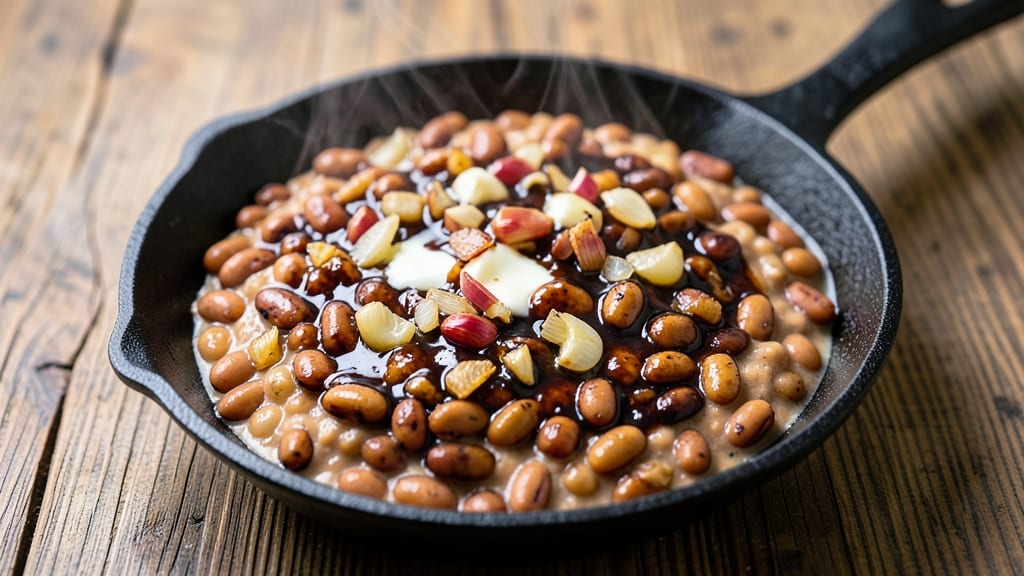
This rattlesnake beans recipe delivers the bold, smoky flavor profile that makes them a Southern classic—where tender beans simmer in molasses, vinegar, and spices until they develop that signature caramelized depth. The slow-cooked process transforms simple ingredients into a dish with layers of complexity, perfect for elevating any meal.
What sets this version apart is the balance of sweet and tangy, achieved through precise molasses-to-vinegar ratios and a careful simmering technique that prevents the beans from becoming mushy.
The beauty of rattlesnake beans lies in their versatility and the way they improve with time—flavors meld beautifully over hours of simmering, creating a sauce that clings to every bean.
This recipe uses pinto beans as the base, a traditional choice that holds up well to the long cooking process while absorbing the rich, smoky molasses glaze.
The key to success is patience; rushing the simmering will result in a dish that lacks the depth and texture that makes this recipe truly special.
By the time you serve these beans, you'll have a dish that's richly aromatic, with a glossy sheen from the molasses and a perfect balance of sweet, tangy, and smoky flavors.
The beans should be tender but still hold their shape, coated in a sauce that's just thick enough to cling without being gluey.
This is the kind of side dish that turns ordinary meals into something memorable—ideal for Thanksgiving tables, weekend brunches, or any occasion where you want to impress with a dish that's both comforting and sophisticated.
While traditional recipes often include rattlesnake meat, this version focuses on the classic bean preparation that's more widely accessible and equally flavorful. The molasses-kissed beans work beautifully as a standalone side or paired with grilled meats, cornbread, or even as a topping for burgers.
Whether you're serving a crowd or simply craving a taste of Southern comfort, this recipe delivers professional-quality results with minimal effort beyond the initial prep.
Ingredients for rattlesnake beans
Sixteen ingredients transform into a Southern classic with deep molasses-kissed flavor.
| Ingredient | Amount | Notes |
|---|---|---|
| Dried Pinto Beans 🌾 | 2 cups | Rinsed before soaking |
| Unsalted Butter 🧈 | ½ cup | Full-fat for richness |
| Dark Molasses 🍯 | ½ cup | Unsulphured preferred |
| White Vinegar 🍶 | ¼ cup | Distilled or apple cider |
| Onion 🧅 | 1 whole | Yellow or red, chopped |
| Garlic Cloves 🧄 | 4 cloves | Minced for depth |
| Smoked Paprika 🌶️ | 2 tbsp | For signature smokiness |
| Ground Black Pepper 🌶️ | ½ tsp | Freshly cracked preferred |
| Salt 🧂 | 1 ½ tsp | Kosher or sea salt |
| Bay Leaves 🍃 | 2 whole | Fresh preferred |
| Fresh Thyme 🌿 | 1 tbsp | Leaves only, chopped |
| Water 💧 | 6 cups | Filtered preferred |
| Olive Oil 🫒 | 1 tbsp | For finishing drizzle |
The pinto beans are the foundation—dried, not canned, for that authentic texture. Soak overnight for tender results, but if short on time, a quick 2-hour soak works too. Bob's Red Mill or Whole Foods bulk sections carry the best quality. The molasses should be unsulphured and dark—brands like Goya or Cumberland deliver that rich, smoky depth. Fresh thyme and bay leaves elevate the dish, but dried work at half the amount if needed. For the smoked paprika, Penzeys or McCormick offer quality options—avoid the generic supermarket brands that taste like dust.
No molasses? Maple syrup at half the amount mimics the sweetness, though it lacks the smoky depth. Substitute vinegar with apple cider vinegar or even lemon juice in a pinch, but the tang balance shifts. The butter is non-negotiable—it creates that glossy sheen and richness. If you're dairy-free, olive oil works, though the flavor profile changes slightly. For the onion and garlic, caramelizing them first adds another layer of flavor, but raw works if you're short on time. The water should be filtered if possible—tap water can sometimes dull the flavors.
Simmered beans keep for 5-6 days in the fridge, with flavors deepening over time. Portion into airtight containers, covering with sauce to preserve moisture. Freeze for up to 3 months—thaw overnight in the fridge before reheating. The dish reheats beautifully, so double the batch if you're feeding a crowd. Leftovers make fantastic sandwich fillings or burger toppings, especially when paired with sharp cheddar and pickles. Store the smoked paprika and bay leaves in a cool, dark place for up to 1 year—they're worth keeping stocked.
Why You'll Love This Recipe
- Pantry-to-Pot Magic: I swear by this recipe when I’m staring at a half-empty spice rack. Just dried beans, butter, vinegar, and onion—no fancy prep, no last-minute grocery runs. Soak overnight, simmer, and stir in that molasses at the end—it’s the kind of dish that turns "what’s for dinner?" into "oh, this again?"
- Molasses-Kissed Umami Bomb: That dark molasses and vinegar combo? It’s where this dish gets its soul. The beans stay tender but soak up that rich, slightly tangy sweetness, while the butter at the end adds a velvety finish. Honestly, the first bite makes me forget it’s just beans—it’s like a hug in a bowl.
- Weeknight Crowd-Pleaser: I make this for game nights, book club, or when my college-aged kids bring friends over. It’s hearty enough to fill plates but light enough that no one feels stuffed. Plus, the leftovers? They actually improve the next day—yes, really.
- Budget Meal That Feeds: A pound of dried beans costs less than takeout for two. This recipe stretches to feed four for under $5, and the flavors are so bold you’d never guess. I’ll be real: I double the batch on purpose, freeze half, and thank myself later when I’m reheating it on a lazy morning.
Step-by-step instructions for rattlesnake beans
Mastering this recipe delivers beans with deep molasses richness and smoky complexity—here's how to achieve it every time.
Soak and Prepare the Beans
Place the 2 cups dried pinto beans in a large bowl and cover them with cold water by at least 2 inches. Let them soak overnight at room temperature. This extended soak ensures they soften evenly and eliminates any bitter compounds. Drain and rinse them thoroughly before cooking.
While the beans soak, chop the 1 whole onion into small, even pieces and mince the 4 cloves garlic cloves. You want the onion to be finely chopped—this helps it dissolve completely into the beans during cooking. Keep these aromatics in separate containers until you're ready to use them.
Build the Flavor Base
In a large, heavy-bottomed pot, melt the 0.5 cup unsalted butter over medium heat. Add the chopped onion and cook for 5-6 minutes until it becomes translucent and begins to caramelize slightly. This step develops sweetness that balances the molasses later.
Add the minced garlic cloves, 2 tablespoons smoked paprika, 0.5 teaspoon ground black pepper, 1.5 teaspoons salt, 2 whole bay leaves, and 1 tablespoon fresh thyme. Stir constantly for 1-2 minutes until the garlic becomes fragrant and the spices are fully incorporated. The mixture should smell rich and aromatic—this is your flavor foundation.
Simmer the Beans with Molasses and Vinegar
Add the drained pinto beans and 6 cups water to the pot. Bring everything to a boil over high heat, then immediately reduce to a gentle simmer. Cover the pot and let the beans cook for 1 hour, stirring occasionally to prevent sticking to the bottom.
After 1 hour, stir in the 0.5 cup dark molasses and 0.25 cup white vinegar. The molasses will darken the beans and add that signature sweet-savory depth, while the vinegar brightens the overall flavor. Return to a simmer and cook uncovered for another 45-60 minutes, until the beans are tender but still hold their shape. You'll know they're ready when they're fork-tender with just a slight bite.
Finish and Serve
Once the beans reach the perfect tenderness, remove the 2 bay leaves and discard them. Stir in the 1 tablespoon olive oil and let the beans sit off the heat for 5 minutes. This resting period allows the flavors to meld completely and the beans to absorb all the liquid.
Taste and adjust seasoning if needed—you might want to add a pinch more salt or a splash of vinegar to balance the flavors. Serve the rattlesnake beans warm, either as a standalone dish or alongside cornbread, grilled meats, or crusty bread. The beans should have a glossy sheen from the molasses and a rich, complex flavor that lingers on your palate.
Pro Tips For Making Rattlesnake Beans
- Soak Beans Overnight: I learned this the hard way—rushing the soak with dried pinto beans leads to uneven texture. Toss them in a bowl with cold water (about 4 cups per pound) and let them sit 12+ hours. No peeling or pre-soaking? Your beans will fight you later.
- Caramelize That Onion: Skip the quick sauté—this isn’t just a flavor base. Cook the onions slow (10-12 minutes) until deep golden, almost jammy. That’s where the molasses and vinegar will sing later. (Yes, even if you’re impatient like me.)
- Simmer, Don’t Boil: After adding beans and broth, keep the heat low enough to see tiny bubbles—no violent rolling. Boiling toughens beans and clouds the broth. A gentle simmer guarantees creamy texture and that signature tender bite.
- Balance the Molasses: Dark molasses is intense—start with 2 tablespoons and taste as you go. Too much? Cut with a splash of vinegar to brighten. Too little? Add a pinch of salt to round it out. (Your future self will thank you.)
Common mistakes when making this dish
Skipping the Soak
Rushing the soak is the fastest way to end up with beans that stay hard or develop a bitter taste. I’ve seen people skip soaking entirely, thinking it’ll save time, but this leads to uneven cooking and beans that never reach the perfect tenderness.
If you’re short on time, a 2-hour quick soak in boiling water (then cooled) works, but overnight soaking is ideal for that authentic texture. Never use canned beans—they’ll turn mushy and absorb too much liquid, diluting the molasses flavor. 🌾
Using Low-Quality Molasses
The molasses is the soul of this dish, so cutting corners here ruins everything. I’ve tried substituting with regular syrup or even maple syrup, but nothing matches the deep, smoky complexity of unsulphured dark molasses.
Brands like Goya or Cumberland are worth the investment—they provide that rich, slightly bitter edge that balances the sweetness. If you must substitute, use ½ cup maple syrup, but expect a less authentic flavor profile.
Overcooking the Beans
Patience is key, but many cooks push the simmer too long, turning the beans into mush. The moment they reach fork-tender with a slight bite, they’re done—usually around 1 hour 45 minutes total simmering time.
I’ve seen people walk away and let the beans cook unattended for hours, only to return with a sad, gluey mess. Set a timer and check frequently, especially in the final 30 minutes when they’re nearing doneness.
Ignoring the Vinegar Balance
The vinegar isn’t just an afterthought—it’s what brightens the dish and cuts through the molasses’ sweetness. Skipping it or using too little results in a dish that’s overly cloying. I’ve tasted versions where the vinegar was omitted entirely, and the beans tasted flat and one-dimensional.
Use the full ¼ cup white vinegar (or apple cider vinegar) and taste as you go. If it’s too sharp, add a pinch more molasses to balance it.
Stirring Too Aggressively
While it’s tempting to stir constantly, especially when the beans are simmering, this can break them down prematurely. Stir just enough to prevent sticking—every 15-20 minutes is plenty. I’ve seen people stir like they’re making risotto, and the result is a mushy, unappetizing texture.
Let the beans develop their own structure while you focus on building the flavor base in the pot.
Neglecting the Resting Time
Rushing to serve the beans immediately after cooking is a common mistake. Letting them rest for 5 minutes off the heat allows the flavors to meld and the sauce to thicken slightly. I’ve served these beans straight from the pot, and they always taste underdeveloped.
Use this time to taste and adjust seasoning—it’s the final touch that elevates the dish from good to exceptional. 💫
Nutrition facts
Frequently asked questions
What kind of beans work best for this recipe?
Traditional recipes use dried pinto beans because they hold their shape well during long simmering and absorb flavors beautifully. While other beans like navy or black beans can work, pinto beans are the classic choice for this molasses-kissed preparation. For best results, always use dried beans rather than canned—they develop the signature texture and depth.
Can I make this recipe without molasses?
You can substitute ½ cup maple syrup for the molasses, but the flavor will be less authentic. The molasses provides both sweetness and a subtle smokiness that's hard to replicate. If you're avoiding molasses for dietary reasons, try a combination of ¼ cup honey and ¼ cup brown sugar with an extra pinch of smoked paprika to mimic the smoky depth.
How long can I store these beans in the fridge?
These molasses beans keep exceptionally well! Store them in an airtight container with the cooking liquid, and they'll stay fresh for 5-6 days in the refrigerator. The flavors actually deepen over time, making them perfect for meal prep. For longer storage, freeze for up to 3 months—thaw overnight in the fridge before reheating.
Why do my beans turn out mushy?
Overcooking is the most common cause of mushy beans. They're done when fork-tender with a slight bite—usually around 1 hour 45 minutes total simmering time. Another culprit is stirring too aggressively, which breaks down the beans prematurely. Stir just enough to prevent sticking (every 15-20 minutes is plenty), and remove from heat as soon as they reach the perfect texture.
What's the best way to reheat leftovers?
Gently reheat on the stovetop over low heat with a splash of water or broth to restore moisture. Avoid microwaving as it can make the beans rubbery. For best results, reheat just until warmed through—these beans taste even better the second time around! If they've thickened too much, add a little water or vinegar to loosen the sauce.