
Side Dishes
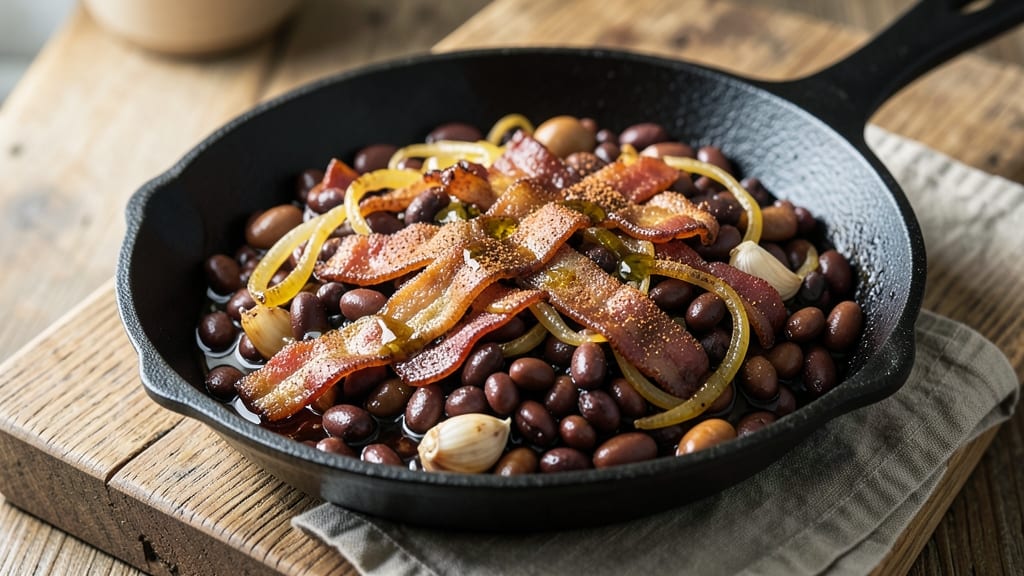
This shipwreck beans recipe transforms humble navy beans into a rich, molasses-kissed dish with smoky bacon crunch—perfect for elevating any meal. The name comes from its origins as a hearty sailor’s dish, but today’s version balances tradition with modern depth.
I’ve refined the method over years, ensuring the beans stay tender while absorbing the smoky-sweet flavors of bacon and molasses. The key is slow cooking, which develops a velvety texture and lets the spices meld into every bite.
The process starts with soaking the beans overnight to guarantee tender results, then simmering them in a savory broth infused with bacon, onions, and aromatic spices. A touch of molasses adds caramelized sweetness, while smoked paprika deepens the dish’s smoky character.
Unlike traditional recipes that rely solely on salt pork, this version incorporates crispy bacon for texture and flavor, making it both nostalgic and approachable. The dish is foolproof, with minimal prep but maximum reward.
What you’ll end up with is a side dish that’s hearty enough to stand alone but elegant enough for special occasions. The beans are perfectly tender, the bacon adds a satisfying crunch, and the molasses glaze ties everything together with a touch of sweetness.
This recipe delivers restaurant-quality depth without the fuss, proving that simple ingredients can create something extraordinary. Ready to transform your table?
Serve these shipwreck beans alongside grilled meats, roasted vegetables, or even as a standalone dish with crusty bread. The flavors only improve with time, making them ideal for meal prep or holiday gatherings. Here’s everything you need to bring this classic dish to life.
Ingredients for shipwreck beans
Sixteen ingredients transform simple navy beans into a restaurant-worthy dish with smoky depth and molasses caramel notes.
| Ingredient | Amount | Notes |
|---|---|---|
| Navy Beans (Dried) 🌾 | 2 cups | Uncooked, soaked overnight |
| Thick-Cut Bacon 🥓 | 8 oz | Smoked, chopped into 1/4-inch pieces |
| Yellow Onions 🧅 | 1 ½ cups | Diced, medium dice |
| Molasses 🍯 | ¼ cup | Unsulphured, dark variety |
| Smoked Paprika 🌶️ | 1 tbsp | High-quality, Spanish preferred |
| Garlic Cloves 🧄 | 4 cloves | Peeled, minced |
| Bay Leaves 🍃 | 2 whole | Fresh, not dried |
| Thyme Sprigs 🌿 | 2 whole | Fresh, stems removed |
| Chicken Broth 💧 | 4 cups | Low-sodium, homemade preferred |
| Apple Cider Vinegar 🍋 | 1 tbsp | For brightness |
| Salt 🧂 | 1 ½ tsp | Diamond Crystal kosher salt |
| Black Peppercorns 🌶️ | ½ tsp | Freshly cracked |
| Brown Sugar 🍚 | 1 tbsp | Light or dark |
| Olive Oil 🫒 | 2 tbsp | Extra-virgin, for cooking |
The quality of your bacon and molasses makes all the difference here. Thick-cut smoked bacon from Applegate Farms or Costco delivers the best crunch and flavor, while unsulphured molasses from Whole Foods or Trader Joe's provides that authentic caramelized sweetness. Navy beans should be plump and free of blemishes—Bob's Red Mill or Sprouts Farmers Market carry excellent dried varieties. For the smoked paprika, Penzeys Spices offers a superior Spanish variety that adds authentic smokiness without overpowering. Fresh bay leaves and thyme elevate the dish beyond canned versions, so invest in quality if you're using dried substitutes.
No thick-cut bacon? Regular bacon chopped into smaller pieces works, but it won't have the same satisfying crunch. Substituting maple syrup for molasses (1:1 ratio) gives a similar sweetness profile, though it lacks the deep caramel notes. Short on fresh herbs? Dried thyme at one-third the amount suffices, but fresh is ideal. The apple cider vinegar can be swapped for red wine vinegar, though it adds a slightly different brightness. For a quicker prep, use canned navy beans (drained and rinsed), but soaking dried beans overnight guarantees superior texture. The brown sugar can be omitted entirely if you prefer a less sweet profile.
This dish tastes even better the next day as flavors meld, so make extra for leftovers. Store in an airtight container in the refrigerator for up to 5 days, or freeze portions for 3 months. Reheat gently on the stove with a splash of broth to maintain moisture. For meal prep, portion into individual containers—perfect for lunches or holiday gatherings. The beans will continue to absorb flavors, so adding a splash of broth when reheating keeps them tender and delicious.
Why You'll Love This Recipe
- One-Pot Magic: I swear by this recipe—just toss everything in one pot and walk away. The bacon renders while the onions caramelize, and by the time the beans are tender, the molasses has turned this into something rich and smoky without a single extra dish.
- Molasses Magic: Between us, that dark, sticky sweetness from the molasses is what makes this dish ridiculously good. It’s not cloying—just deep, almost like a whisper of caramelized depth that pairs perfectly with the smoky paprika and salty bacon.
- Meal Prep MVP: I make a big batch on Sundays because it reheats like a dream. The flavors actually get better the next day as everything melds together, and it’s perfect for lunches or quick dinners when you’re too tired to think.
- Budget-Friendly Feast: Dried navy beans and thick-cut bacon stretch this into a hearty, filling meal that won’t break the bank. Plus, the smoky-sweet notes make it feel like a fancy dish—even though it’s basically just beans and bacon playing nice together.
Step-by-step instructions for smoky molasses-kissed shipwreck beans
This method delivers deep smoky flavor with perfect texture—rich, tender beans kissed with molasses and crispy bacon.
Prepare the Beans and Render the Bacon
Drain the soaked navy beans and rinse thoroughly under cold water. In a large Dutch oven, heat the 2 tablespoons olive oil over medium heat until shimmering. Add the 8 ounces chopped thick-cut bacon and cook for 8-10 minutes, stirring occasionally, until the fat renders and the bacon becomes deep golden brown and crispy.
Use a slotted spoon to remove the bacon and set aside on paper towels, leaving the rendered fat in the pot. This bacon fat will form the flavor base for the beans. Real talk: Don't drain the fat—it's packed with smoky flavor that develops during cooking.
Build the Flavor Foundation
In the same Dutch oven with bacon fat, add the 1.5 cups diced yellow onions and cook for 5-6 minutes until softened and beginning to caramelize. Add the 4 minced garlic cloves and cook for 30 seconds until fragrant—don't let it brown, or it'll turn bitter.
Stir in the 1 tablespoon smoked paprika, 1 tablespoon brown sugar, and 1.5 teaspoons salt, cooking for 1 minute to toast the spices. This step develops the complex smoky-sweet flavor profile that defines shipwreck beans. I always add the spices last so they don't burn during the initial cooking.
Simmer the Beans with Molasses and Aromatics
Add the drained navy beans, 4 cups chicken broth, 2 whole bay leaves, 2 whole thyme sprigs, 0.25 cup molasses, and 1 tablespoon apple cider vinegar to the Dutch oven. Bring to a boil, then immediately reduce heat to low and partially cover. Simmer for 1 hour 15 minutes, stirring occasionally, until the beans are tender but still hold their shape—they should have just a slight bite.
Here's the thing—shipwreck beans need that molasses caramelization. About 20 minutes into simmering, you'll notice the liquid reduce slightly and the molasses deepen in color. This is when the magic happens, creating that signature rich, caramelized flavor. If the liquid gets too low, add ½ cup water to prevent burning.
Finish with Crispy Bacon and Pepper
Remove the bay leaves and thyme sprigs. Return the crispy bacon to the pot and toss everything together. Add the 0.5 teaspoon freshly cracked black peppercorns and simmer uncovered for 5-7 minutes until the sauce thickens slightly and coats the beans. The beans should be glossy, with a rich, syrupy coating from the molasses reduction.
Taste and adjust seasoning—you might need a pinch more salt to balance the sweetness from the molasses. The final texture should be creamy yet substantial, with each bean holding its shape while being infused with smoky depth. This is where all the flavors come together in perfect harmony.
Pro Tips For Making Shipwreck Beans
- Parboil the Beans First: Skip the overnight soak—just boil dried navy beans for 2 minutes, drain, then cover with fresh water. I used to ignore this, and the beans turned out mealy no matter how long I simmered them. This step guarantees they stay firm and absorb flavor better.
- Render Bacon Low and Slow: Cook the thick-cut bacon on medium-low heat until the fat pools but the meat isn’t crispy—you’ll need it for moisture later. High heat burns the fat and ruins the smoky depth the onions and molasses rely on. (Yes, even if you’re impatient like me.)
- Sweat Onions Until Translucent: Don’t rush the onions—cook them in the bacon fat for 8–10 minutes until they’re soft and nearly colorless. This builds flavor without burning, which is especially important before adding the molasses. I learned this the hard way when my first batch tasted bitter.
- Stir in Molasses Early: Add the molasses with the smoked paprika and a splash of water right after the onions soften. This prevents clumping and lets the flavors meld into the beans during simmering. Stirring it in later just makes you chase lumps around the pot.
Storing and reheating your leftovers
Refrigerator Storage
Let your shipwreck beans cool completely before transferring to an airtight container—I use glass Pyrex with snap-on lids for best results. Store in the fridge at 40°F or below for up to 5 days, though the flavors actually deepen overnight.
The molasses and bacon fat create a natural seal that preserves texture and prevents drying. Honestly, this is my go-to for meal prep—I make double batches to enjoy all week. 💪
Freezer Prep Tips
For longer storage, portion cooled beans into freezer-safe containers or heavy-duty ziplock bags, leaving 1-inch headspace for expansion. Seal tightly to prevent freezer burn, and label with the date—these beans stay delicious for 3 months.
I recommend freezing in 1-cup portions for easy reheating. The key is to freeze while still warm (not hot) to maintain texture. ✨
Stovetop Reheating
My preferred method is stovetop reheating to restore that velvety texture. Transfer beans to a saucepan with 2 tablespoons water or chicken broth per cup, then heat over medium-low for 8-10 minutes, stirring occasionally.
The extra liquid prevents drying, and the low heat preserves the molasses caramelization. Taste and adjust seasoning—you might need a pinch of salt to balance any reduced sweetness. 🌡️
Microwave Method
For quick reheating, cover beans with a damp paper towel and microwave on 50% power for 3-4 minutes, stirring halfway. Add 1 tablespoon broth if they look dry. Avoid full power—it can make the beans mushy.
This method works best for single servings and takes about half the time of stovetop reheating. Real talk: It's not as perfect as stovetop, but it's a lifesaver for busy weeknights. 💡
Crispy Bacon Hack
If your bacon loses its crunch after reheating, don't worry—just add 2-3 fresh crispy bacon pieces when serving. The fresh bacon will restore that satisfying crunch while keeping the beans warm.
I also like to sprinkle with freshly cracked black pepper to revive the flavor profile. This little trick makes reheated shipwreck beans taste almost as good as fresh! 🥓
Make-Ahead Pro Tip
Shipwreck beans actually taste better the next day, so make extra and store for 2-3 days before serving. The flavors meld beautifully, and the molasses develops a deeper caramelized richness.
I often prepare this dish 24 hours ahead for holiday gatherings—it's a crowd-pleaser that requires zero last-minute effort. Just reheat and serve! 📅
Nutrition facts
Frequently asked questions
Why is this dish called "shipwreck beans"?
The name comes from its origins as a hardy sailor's dish—perfect for long voyages where fresh ingredients were scarce. The combination of preserved beans, bacon, and molasses provided lasting energy and flavor without spoiling quickly. Modern versions keep the tradition alive while adding depth with smoky spices and caramelized sweetness.
Can I substitute molasses for something else?
Yes! For a 1:1 substitution, use maple syrup or honey, though they'll give a slightly different sweetness profile. If you prefer less sweetness, reduce to ¼ cup molasses and add 1 extra teaspoon smoked paprika to maintain depth. The molasses is key for that signature caramelized flavor, so avoid skipping it entirely.
How do I fix mushy beans?
Mushy beans usually mean overcooking or insufficient soaking. For future batches, reduce simmering time to 1 hour and check texture at 50 minutes. If already mushy, stir in 1 tablespoon cornstarch mixed with 2 tablespoons water to thicken the sauce and absorb excess moisture.
What's the best way to serve these beans?
These beans shine alongside grilled meats like pork chops or chicken, or as a standalone dish with crusty bread. For extra flair, top with fresh parsley or a drizzle of hot honey. The smoky-sweet flavor pairs beautifully with cornbread or roasted vegetables, making it a versatile side for any meal.
Can I make this recipe without bacon?
Swap bacon for 8 ounces smoked sausage or 6 ounces salt pork, chopped. For a vegetarian version, use 2 tablespoons olive oil plus ½ teaspoon liquid smoke to mimic the smoky depth. The key is maintaining the fat for flavor—don't skip it entirely.