Sauces & Condiments
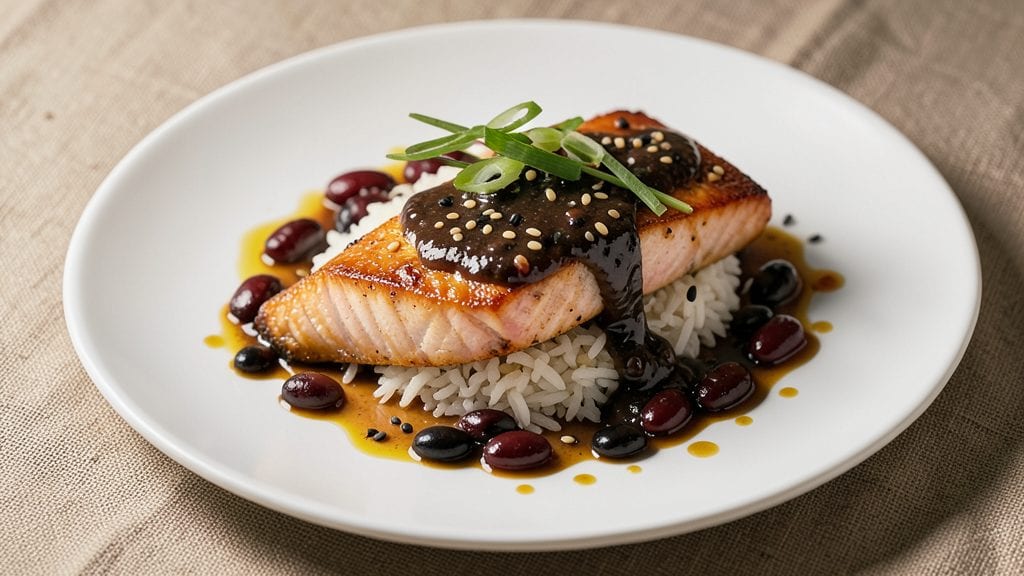
This steamed salmon with black bean sauce delivers a perfect balance of delicate fish and rich, umami-packed sauce—every bite is a harmony of textures and flavors.
The secret lies in steaming the salmon just until it flakes effortlessly, then pairing it with a velvety black bean sauce that's quick to make yet packed with depth. I developed this recipe after years of testing restaurant-style techniques at home, and it never fails to impress.
The black bean sauce transforms simple pantry ingredients into something restaurant-worthy, with just the right thickness to coat each flake of salmon. While the fish steams gently, the sauce simmers on the stovetop, developing layers of flavor from garlic, ginger, and a touch of soy sauce.
The result is a dish that's elegant enough for dinner guests but simple enough for weeknight cooking.
What you'll achieve is perfectly flaky salmon with a golden sheen, served over steamed rice or alongside fresh greens, all blanketed in that irresistible black bean sauce. The sauce's silky texture clings to every bite, while the salmon remains moist and tender.
This recipe proves that healthy eating can be both nutritious and indulgent—no compromises needed.
Serve with steamed jasmine rice and quick-pickled vegetables for a complete meal that's balanced and satisfying. The sauce also works beautifully with other proteins like shrimp or tofu, making this a versatile addition to your recipe collection. Let's create this dish together—it's simpler than you think.
Ingredients for steamed salmon black bean sauce
Simple ingredients transform into restaurant-quality harmony of flaky salmon and velvety black bean sauce.
| Ingredient | Amount | Notes |
|---|---|---|
| Center-Cut Salmon Fillets 🐟 | 2 whole | Skin-on, 6-8 oz each |
| Black Beans 🫘 | 1 cup | Canned, drained and rinsed |
| Garlic Cloves 🧄 | 4 cloves | Fresh, minced finely |
| Fresh Ginger 🌿 | 1 tbsp | Finely grated, aromatic |
| Low-Sodium Soy Sauce 🍶 | 2 tbsp | For umami depth |
| Sesame Oil 🫒 | 1 tbsp | Toasted, for aroma |
| Rice Vinegar 🍶 | 1 tbsp | For brightness |
| Honey 🍯 | 1 tbsp | For subtle sweetness |
| Vegetable Oil 🫒 | 1 tbsp | For sauce simmering |
| Jasmine Rice 🍚 | 1 ½ cups | Uncooked, for serving |
| Green Onions 🧅 | 3 whole | Thinly sliced, for garnish |
| Sesame Seeds 🌾 | 1 tbsp | Toasted, for crunch |
| Sea Salt 🧂 | 1 tsp | Kosher, for seasoning |
| Black Pepper 🌶️ | ½ tsp | Freshly cracked |
The salmon is where precision matters most. Center-cut fillets with skin steam more evenly and develop that golden sheen. Look for fillets with firm, translucent flesh and no brown edges—this indicates freshness. Whole Foods and Trader Joe's carry excellent pre-portioned fillets, but if buying whole, ask your fishmonger to cut them for you. The skin acts as a natural barrier, keeping the fish moist during steaming. For best results, pat the fillets dry with paper towels before seasoning—this ensures a better sear and prevents the sauce from turning watery.
No sesame oil? Toasted peanut oil works in a pinch, though it has a stronger flavor. Substituting black beans with lentils or chickpeas changes the texture slightly but keeps the umami profile. The ginger can be swapped for 1/2 teaspoon ground ginger, though fresh is preferred for that bright zing. For extra depth, add a dash of fish sauce to the sauce—it's a common restaurant trick. If you're short on time, pre-minced garlic from the jar works fine, though fresh always tastes better. The honey can be omitted if you prefer a savory-only sauce, but it helps balance the acidity from the rice vinegar.
The sauce keeps well in the fridge for 4-5 days, though it's best enjoyed fresh. Store it in an airtight container with a thin layer of olive oil on top to preserve the color. The steamed salmon reheats beautifully—just warm it gently in a skillet with a splash of water to maintain moisture. For meal prep, portion the sauce and rice separately, then assemble when ready to eat. The sesame seeds and green onions can be toasted and stored in a small jar for up to 1 week, ready to garnish whenever you need that fresh crunch.
Why You'll Love This Recipe
- No Chopping Chaos: The only prep is mincing garlic and ginger—two cloves each—while the salmon steams itself. I keep pre-chopped ginger in the freezer just for this, because honestly, the last thing I want after work is a cutting board battle.
- Umami Bomb: That black bean sauce? It’s where the magic happens—salty-sweet from the soy, deep and earthy from the beans, with garlic and ginger cutting through the richness. The salmon stays moist but gets just enough bite from the steam, so it’s never dry or fishy.
- Lunchbox Hero: Pack this cold or at room temp—it holds up perfectly. I make a double batch on Sundays and swap in rice or noodles for lunch all week. (Yes, even on a Tuesday night when I’m too tired to think.)
- Budget Win: Black beans and salmon fillets stretch further than you’d think. I buy frozen salmon to save cash, and the sauce’s bold flavors mean I can use less fish per serving without sacrificing taste. Leftovers reheat like a dream too—no soggy fish here.
Step-by-step instructions for steamed salmon with black bean sauce
Here's how to achieve perfectly flaky salmon paired with a rich black bean sauce using your exact ingredients.
Prepare the Jasmine Rice
Rinse the 1.5 cups jasmine rice thoroughly under cold water until the water runs clear. This removes excess starch that can make the rice gummy. Combine the rice with 3 cups water in a pot and bring to a boil over medium-high heat. Once boiling, reduce heat to low, cover tightly, and simmer for 15 minutes. Turn off the heat and let it steam, undisturbed, for 10 minutes. This resting period ensures perfectly fluffy grains ready to serve alongside your salmon.
While the rice cooks, slice the 3 whole green onions into ¼-inch rings, separating the white and green parts. Set aside the white portions for the sauce and reserve the greens for garnish. The rice should absorb all the water and have a light, fluffy texture when done.
Create the Black Bean Sauce
In a small saucepan, heat the 1 tablespoon vegetable oil over medium heat. Add the 4 cloves minced garlic cloves and 1 tablespoon finely grated fresh ginger, cooking for 30 seconds until fragrant. Add the 1 cup black beans, 2 tablespoons low-sodium soy sauce, 1 tablespoon rice vinegar, and 1 tablespoon honey. Stir well and bring to a gentle simmer.
Reduce heat to low and let the sauce thicken slightly, stirring occasionally for 5-7 minutes. The sauce should coat the back of a spoon but remain smooth. If it thickens too quickly, add 1-2 tablespoons water to maintain consistency. Remove from heat and stir in the 1 tablespoon toasted sesame oil just before serving to enhance aroma.
Steam the Salmon to Flaky Perfection
Pat the 2 whole center-cut salmon fillets dry with paper towels and season both sides generously with 1 teaspoon sea salt and ½ teaspoon freshly cracked black pepper. Place each fillet skin-side down on a heatproof plate. Set this plate over a pot of boiling water, ensuring the bottom doesn't touch the water. Cover tightly with foil and steam for 10-12 minutes, depending on thickness.
You'll know it's done when the salmon flakes easily with a fork and the center reaches 145°F internally. The skin should be opaque and slightly crisp. Remove from the steamer and let rest for 3-5 minutes before serving. This resting period prevents the fish from overcooking as it sits.
Assemble and Garnish
Divide the cooked jasmine rice among serving plates. Place each steamed salmon fillet on top, skin-side up. Spoon the warm black bean sauce evenly over the salmon and rice. Garnish with the reserved green onion tops and sprinkle with 1 tablespoon toasted sesame seeds for texture and visual appeal.
The combination of flaky salmon, silky black bean sauce, and fragrant rice creates a balanced dish where each component enhances the others. Serve immediately while the salmon remains warm and tender, ensuring every bite delivers perfect harmony between textures and flavors.
Pro Tips For Making Steamed Salmon Black Bean Sauce
- Pat the Salmon Dry: Wipe those fillets with paper towels until they gleam—moisture is the enemy of steam. I learned this the hard way when my salmon turned out soggy instead of tender, no matter how long I steamed it.
- Mash the Black Beans: Skip the whole beans unless you’re going for texture. Mash them slightly with a fork—this thickens the sauce naturally and makes the dish feel more cohesive. (Yes, even if you’re impatient like me.)
- Bloom the Ginger First: Toss the sliced ginger into the pan before the garlic. It releases its oils faster, so the whole sauce gets that warm, spicy depth without burning. I was skeptical until I tried it—now it’s non-negotiable.
- Don’t Overcrowd the Steamer: Give the salmon space—stacking them or piling beans on top traps steam and turns your fillets into a sad, uneven mess. A single layer with room to breathe guarantees even cooking. (Your future self will thank you.)
Storing and reheating this steamed salmon black bean sauce
Sauce Storage Secrets
The black bean sauce keeps beautifully in an airtight container for 4-5 days in the refrigerator. I recommend pressing plastic wrap directly onto the sauce's surface before sealing to prevent that unsightly gray film from forming.
For longer storage, freeze the sauce in 1-cup portions—it reheats perfectly in the microwave or stovetop. Just thaw overnight in the fridge before using. 💫
Salmon Reheating Hacks
Steamed salmon reheats best gently to prevent drying out. Place fillets in a lightly oiled skillet over low heat for 2-3 minutes per side, adding 1 tablespoon water to create steam.
Alternatively, microwave on 50% power for 30-45 seconds—just until warmed through. Never reheat above 120°F to preserve that delicate flakiness. 🔥
Make-Ahead Components
Prep the sauce and rice separately for easy assembly later. Cook the rice and store it in a sealed container for up to 3 days.
Toast the sesame seeds and chop green onions ahead of time—they'll stay fresh in the fridge for 5-7 days if stored in a small glass jar. The salmon is best served fresh, but you can steam it up to 2 days ahead and reheat gently. ✨
Freezer-Friendly Tips
For a complete freezer meal, assemble the dish (without garnishes) and freeze in a single-layer tray before transferring to a ziplock bag. Thaw overnight in the fridge, then reheat the sauce separately in a saucepan for 3-5 minutes while warming the salmon in the skillet.
The texture remains surprisingly fresh! Label bags with dates—this sauce stays good for 3 months in the freezer. ❄️
Garnish Refreshers
Toasted sesame seeds and green onions lose their crunch over time, but you can revive them with a quick 30-second dry toast in a skillet over medium heat.
For extra freshness, store these garnishes in separate small containers in the fridge. Add them just before serving to maintain that restaurant-quality presentation. 🌿
Reheating Leftovers
When reheating the full dish, start with the sauce on medium-low heat for 2-3 minutes to warm through without breaking down. Add the salmon last, covering the skillet for 1 minute to trap steam.
The residual heat will gently warm the fish without overcooking it. Always taste and adjust seasoning—reheated dishes often need a pinch more salt. 💡
Nutrition facts
Frequently asked questions
Can I use canned salmon instead of fresh fillets?
The recipe calls for fresh center-cut salmon fillets because they steam perfectly with that delicate flakiness. Canned salmon would work in a pinch, but the texture and moisture level differ significantly. If you must substitute, look for high-quality canned salmon (like wild-caught) and drain it thoroughly before using. The sauce will still taste great, but the overall texture won't be identical.
How do I adjust the sauce for a thicker or thinner consistency?
The black bean sauce should coat the back of a spoon but remain smooth. If it thickens too quickly, add 1-2 tablespoons water while simmering. For extra thickness, mash half the black beans before adding them to the saucepan. The sauce naturally thickens as it cools, so adjust while warm. Pro tip: A splash of cornstarch slurry (1 tsp cornstarch + 1 tbsp water) works wonders for quick thickening.
What are good side dishes to serve with this recipe?
This dish pairs beautifully with steamed bok choy, quick-pickled cucumbers, or a simple sesame green salad. For extra heartiness, serve with miso-glazed eggplant or stir-fried shiitake mushrooms. The light acidity of pickled veggies cuts through the richness of the sauce, while greens add freshness. Don't forget the classic jasmine rice—it's the perfect foundation!
Can I make this recipe without sesame oil?
If you don't have sesame oil, substitute with toasted peanut oil (1 tbsp) or even a drop of toasted sesame seed paste for aroma. For a neutral option, use light olive oil, but add the oil at the very end to preserve its flavor. The sauce will still taste delicious—it just loses that signature nutty depth.
Why did my salmon turn out dry?
Overcooking is the most common cause. Salmon should reach 145°F internally and flake easily with a fork—this usually takes 10-12 minutes steaming. If your fillets were thicker than 1-inch, extend the time by 2-3 minutes. Also, patting the salmon dry before seasoning and letting it rest for 3-5 minutes after cooking helps retain moisture. Never skip the resting step!