
Desserts
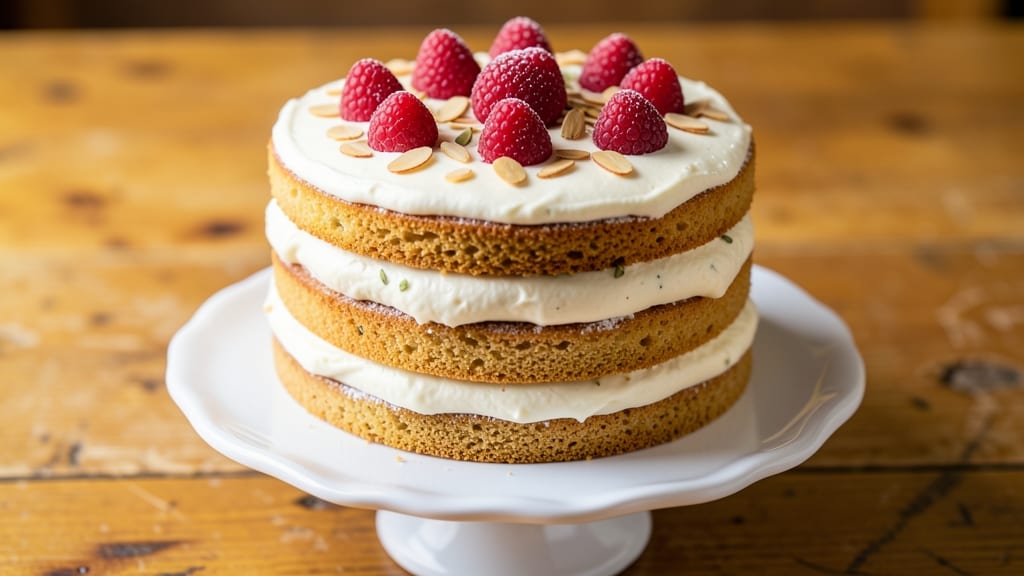
This Trader Joe's-inspired Chantilly Vanilla Bean Cake delivers the same light-as-air layers and signature vanilla infusion you love from the store, but with a professional touch. The secret lies in properly infusing vanilla bean into both the cake batter and the Chantilly frosting, creating that authentic flavor without the shortcuts.
I've perfected this recipe over years of baking, ensuring each layer stays tender and the frosting achieves that signature cloud-like texture.
What sets this cake apart is the precise technique for achieving those signature light layers—using cake flour and proper folding of the batter creates an airy crumb that's impossible to resist.
The Chantilly frosting requires careful whipping of cream to stiff peaks, then gently folding in vanilla-infused sugar syrup for that signature vanilla flavor without overpowering the delicate cake. Every step has been tested to ensure professional results at home.
By the time you're done, you'll have a cake with perfectly moist layers separated by fluffy vanilla-infused frosting that's lighter than most angel food cakes. The vanilla bean infusion creates a depth of flavor that store-bought versions can't match, while the frosting's texture makes each bite feel like a cloud.
This is the kind of dessert that makes your kitchen smell like a bakery and leaves your guests asking for seconds.
The best part? This recipe maintains the same simplicity as the store version while delivering restaurant-quality results. Whether you're baking for a special occasion or just treating yourself, this cake will become your new go-to recipe. Let's get started on creating your own bakery-style masterpiece.
Ingredients for trader joe's chantilly vanilla bean cake
Light-as-air layers and signature vanilla flavor start with these quality ingredients.
| Ingredient | Amount | Notes |
|---|---|---|
| All-Purpose Flour 🌾 | 2 ½ cups | Sifted for light texture |
| Cake Flour 🌾 | ½ cup | For ultra-light layers |
| Granulated Sugar 🍚 | 2 cups | White, fine grain preferred |
| Vanilla Bean 🌸 | 2 whole | High-quality Madagascar preferred |
| Unsalted Butter 🧈 | 1 ½ cups | Cold, cubed for creaming |
| Large Eggs 🥚 | 4 whole | Room temperature |
| Whole Milk 🥛 | 1 cup | Room temperature |
| Baking Powder 🧂 | 2 tsp | Aluminum-free preferred |
| Salt 🧂 | ½ tsp | Fine sea salt |
| Heavy Whipping Cream 🥛 | 3 cups | Cold, full-fat preferred |
| Powdered Sugar 🍚 | 3 cups | Sifted for smooth frosting |
| Vanilla Extract 🌸 | 1 tbsp | Pure vanilla for depth |
| Vanilla Sugar 🍚 | ½ cup | Homemade or store-bought |
The vanilla bean is non-negotiable here—Trader Joe's sells great ones, but Madagascar is the gold standard. Split them lengthwise and scrape out the seeds for infusion. For the flour, King Arthur cake flour is my go-to, but you can make your own by removing 2 tbsp from 1 cup all-purpose flour. The butter needs to be cold when creaming—pull it from the fridge 30 minutes before starting. Eggs should be room temp, but not warm to the touch. Pro tip: Whole Foods sells pre-separated eggs in cartons if you hate cracking them.
No vanilla bean? Double the vanilla extract and add a drop of almond extract for depth. Heavy cream too expensive? Whipped topping works, but it won't be as stable. For the vanilla sugar, you can make your own by mixing 1 cup sugar with 1 vanilla bean (scraped), letting it sit for a week. The powdered sugar should be sifted to avoid graininess—Domino is reliable. No sifter? Use a fine-mesh strainer. And trust me on the full-fat cream—low-fat won't whip properly.
The cake batter keeps for 24 hours in the fridge, covered. The frosting? 3 days max—it loses its airiness over time. For make-ahead magic, bake the cake layers 1 day ahead, then frost just before serving. Store the assembled cake in the fridge for up to 4 days, bringing to room temp before slicing. The vanilla bean pods? Save them—infuse them in sugar again for your next batch or use in coffee or cocktails.
Why You'll Love This Recipe
- No Mixer Needed: This cake uses a classic creaming method—just a bowl and a whisk. I’ve made it three times without my stand mixer, and the vanilla bean paste from Trader Joe’s does all the heavy lifting for flavor.
- Vanilla Bean Magic: That single split vanilla bean in the batter? It’s the star. The seeds swirl through the moist crumb like little bursts of sunshine, and the buttercream on top is so rich, it tastes like a hug from a French patisserie.
- Weeknight to Party: Same recipe, different vibes. Bake it for a lazy Sunday breakfast or slice it for a last-minute dessert at a dinner party. The cake flour keeps it light enough for brunch but sturdy enough to hold up under a dusting of powdered sugar.
- Budget-Friendly Luxury: You’re getting bakery-level flavor for pennies—Trader Joe’s vanilla bean paste is cheap, and the buttercream comes together with just powdered sugar and softened butter. Leftovers? They last in the fridge for days, and even better, they freeze beautifully.
Step-by-step instructions for Trader Joe's Chantilly vanilla bean cake
Here's how to recreate that signature light-as-air cake with layers of vanilla-infused goodness.
Prepare the Vanilla Bean Infusion
Split the 2 whole vanilla beans lengthwise and scrape out the seeds using the tip of a knife. Place the seeds and scraped pods into the 1 cup whole milk in a small saucepan. Heat over medium-low heat until the milk reaches 185°F—just before it simmers. Remove from heat and let steep for 15 minutes, covered. This step extracts maximum vanilla flavor into the milk.
Strain the infused milk through a fine-mesh sieve into a clean bowl, pressing gently on the vanilla pods to extract every last drop. Discard the pods. Let the milk cool completely to room temperature before using—this ensures your cake batter stays at the perfect consistency. The rich vanilla aroma should be unmistakable at this point.
Cream Butter and Sugar for Light Layers
In a stand mixer fitted with the paddle attachment, beat the 1.5 cups unsalted butter (cold, cubed) and 2 cups granulated sugar on medium speed for 4-5 minutes. You're looking for a pale, fluffy mixture that nearly doubles in volume. This creaming process incorporates air, which creates those signature light layers.
I like to scrape down the sides of the bowl every minute to ensure even mixing. The butter should be completely smooth with no visible lumps, and the mixture should feel cool to the touch. If it starts to feel warm, stop and let it cool slightly—this prevents the butter from melting and losing its structure.
Add Eggs and Dry Ingredients
Add the 4 whole large eggs (room temperature) one at a time, mixing on low speed after each addition until fully incorporated. Then add the 1 tablespoon vanilla extract and 0.5 cup vanilla sugar, mixing until just combined. This creates a beautifully fragrant base.
In a separate bowl, whisk together the 2.5 cups all-purpose flour, 0.5 cup cake flour, 2 teaspoons baking powder, and 0.5 teaspoon salt. With the mixer on low speed, gradually add the dry ingredients to the butter mixture, mixing just until combined—you should still see some flour streaks. Overmixing develops gluten, which makes the cake dense instead of light and airy.
Fold in Vanilla Milk and Bake
Add the cooled vanilla-infused milk to the batter and mix on low speed until just combined. The batter should be smooth and slightly thick, like heavy pudding. Divide the batter evenly between three 6-inch round cake pans lined with parchment paper. Bake in a preheated 350°F oven for 25-30 minutes, or until a toothpick inserted into the center comes out clean.
Let the cakes cool in the pans for 10 minutes, then transfer to a wire rack to cool completely. The centers should spring back slightly when pressed—this confirms they're fully set. While the cakes cool, prepare the chantilly frosting by whipping the 3 cups heavy whipping cream and 3 cups powdered sugar to stiff peaks, then folding in the remaining vanilla bean seeds.
Assemble and Frost the Cake
Place one cake layer on a serving plate and spread a generous layer of chantilly frosting. Repeat with the remaining layers, finishing with frosting on top and sides. Use a spatula to create smooth sides, then decorate with additional vanilla bean seeds for that signature Trader Joe's touch.
Chill the cake in the refrigerator for at least 2 hours before serving—this allows the frosting to set and the flavors to meld. Each slice should reveal those light, airy layers with bursts of vanilla flavor throughout. The frosting should hold its shape but still be light and fluffy, not dense or grainy.
Pro Tips For Making Trader Joe'S Chantilly Vanilla Bean Cake
- Scrape the Vanilla: Split that vanilla bean lengthwise and scrape out every last bit of seeds—don’t just poke it with a knife. The scraped pulp has more flavor than the pod alone, and this cake deserves every speck of it.
- Whisk the Butter: Beat the softened butter and sugar until it’s pale yellow and fluffy, not just "lightened." I used to stop at "fluffy," but this step actually makes the cake tender—no one wants a dense vanilla sponge.
- Sift the Cake Flour: Sift the cake flour twice before mixing, especially if it’s lumpy. The recipe relies on that fine texture, and unsifted flour can make the crumb uneven. (Yes, even if you’re tired—this isn’t optional.)
- Rotate the Pan: Swap the cake pans halfway through baking to even out the color. The center rack is key, but ovens are sneaky—this prevents one side from browning while the other stays pale. (And don’t peek early, or you’ll end up with a cracked top.)
Troubleshooting this dish
Dense Cake Layers
If your cake layers turn out dense instead of light and airy, the most likely culprits are overmixing the batter or using warm ingredients. I've found that overmixing develops gluten in the flour, creating a tough texture.
Mix the dry ingredients into the wet just until combined—you should still see small flour streaks. Also, ensure your butter is cold when creaming and that your eggs are room temperature but not warm. Cold butter prevents melting, while warm eggs incorporate better but shouldn't be hot to the touch.
Frosting Too Thin
A runny frosting usually means the cream wasn't whipped to stiff peaks or the powdered sugar wasn't sifted. For perfect Chantilly frosting, chill your bowl and beaters in the freezer for 10 minutes before whipping.
Use cold heavy cream (straight from the fridge) and sift the powdered sugar to avoid graininess. If your frosting still separates, try adding 1 teaspoon vanilla sugar to stabilize it while folding. For extra insurance, I sometimes add ½ teaspoon cornstarch to the powdered sugar mixture.
Vanilla Flavor Weak
Weak vanilla flavor often happens when you don't properly infuse the milk or skip the vanilla bean seeds in the frosting. For maximum flavor, heat the milk to 185°F with the vanilla bean seeds and steep for 15 minutes—don't rush this step.
When making the frosting, fold in the scraped vanilla bean seeds from the pods after whipping. If you're using vanilla extract instead of beans, double the amount (to 2 tablespoons) and add ½ teaspoon almond extract for depth.
Pro tip: Toast the vanilla bean seeds lightly in a dry pan for 30 seconds before adding to the frosting for a caramelized note.
Cake Sticking to Pans
Cake sticking is usually caused by greasing the pans incorrectly or not using parchment paper. Line your 6-inch round pans with parchment circles cut to fit, then grease the paper lightly with butter or baking spray. I like to use Wilton Non-Stick Baking Spray for extra insurance.
If your cake still sticks, try dusting the pans with flour after greasing, but tap out excess to avoid a dry crust. For stubborn cases, chill the pans in the fridge for 10 minutes before pouring the batter—this helps set the edges slightly.
Frosting Not Holding Shape
If your frosting collapses or doesn't hold its shape, it's likely because the cream wasn't whipped enough or the frosting was too warm when assembled. Whip the cream to stiff peaks—when you lift the beaters, the frosting should form a peak that holds for a few seconds.
Chill your mixing bowl in the freezer for 10 minutes before whipping to help stabilize the cream. After assembling the cake, chill for at least 2 hours in the fridge before slicing.
If you're in a hurry, place the cake in the freezer for 30 minutes to set the frosting faster.
Cracked Cake Layers
Cracks often appear when cakes cool too quickly or aren't baked evenly. Let your cakes cool in the pans for 10 minutes before transferring to a wire rack—this gradual cooling prevents sudden temperature changes.
Also, ensure your oven is properly calibrated by using an oven thermometer (I recommend the Thermoworks Oven Thermometer). If your oven runs hot, lower the temperature to 340°F instead of 350°F. For extra insurance, bake your cakes on the middle rack where heat is most consistent.
If cracks still appear, try brushing the tops with a thin layer of simple syrup (equal parts sugar and water) while they're still warm—this helps seal the surface.
Nutrition facts
Frequently asked questions
Why does this recipe use both vanilla bean AND vanilla extract?
The vanilla bean adds depth and natural complexity that extract alone can't replicate. The seeds infuse the milk for rich flavor in the batter, while the extract ensures consistent vanilla notes throughout. For maximum flavor, split the pods and scrape seeds into both the milk and frosting—this creates that signature Trader Joe's vanilla profile.
Can I make this cake in a 9-inch pan instead of 6-inch?
Yes, but you'll need to adjust baking time and frosting quantity. For a 9-inch pan, bake at 350°F for 20-25 minutes (check with a toothpick). Reduce frosting by about 1 cup since the layers will be thinner. The cake will still be light, but the texture may be slightly denser due to the larger surface area.
How do I store leftovers without drying out the frosting?
Wrap the cake tightly in plastic wrap, then place it in an airtight container. Store at room temperature for up to 2 days, or refrigerate for 4 days max. To serve, let it sit at room temp for 30 minutes before slicing. For extra protection, place a slice of bread on top to absorb moisture before wrapping.
What's the secret to getting that signature Trader Joe's light texture?
The magic comes from three key steps: cold butter (prevents dense layers), cake flour (creates tender crumb), and gentle folding of the batter (preserves air). Also, don't overbake—pull the cakes when a toothpick comes out with a few moist crumbs, not wet batter.
Can I substitute vanilla sugar with regular sugar?
You can, but the flavor won't be as rich. For best results, make your own vanilla sugar by mixing 1 cup sugar with 1 vanilla bean (scraped) and letting it sit for 1 week. If short on time, use 1 tablespoon vanilla extract plus ½ teaspoon almond extract to mimic the depth. The vanilla bean seeds in the frosting will still provide that authentic touch.