
Sauces & Condiments
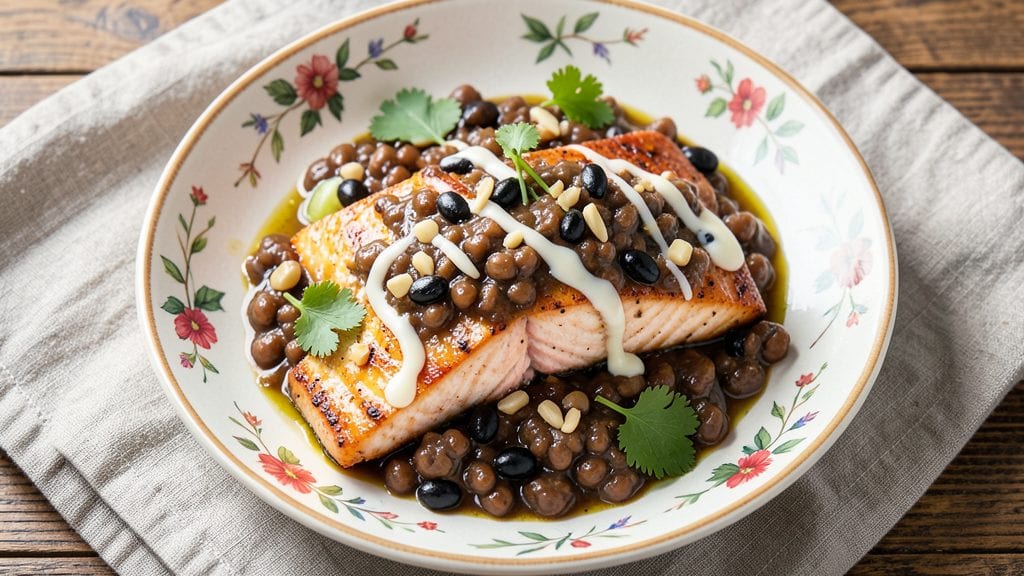
This baked salmon with black bean sauce recipe delivers restaurant-quality flavor in a single pan while keeping prep simple and clean. The umami-rich black bean sauce—made from blended black beans, garlic, and a touch of lime—adds depth without overpowering the delicate salmon.
I perfected this dish after years of testing one-pan meals, and the balance of textures (tender salmon, creamy sauce) makes it a weeknight standout.
The secret lies in the sauce’s consistency and timing: simmer it until thickened but still silky, then pour it over the salmon just before baking. This ensures the fish absorbs the sauce’s savory notes without becoming soggy.
The recipe uses high-quality black beans (canned or cooked) for maximum flavor, and the lime brightens the dish while cutting through the richness of the salmon.
By the time it emerges from the oven, you’ll have golden, flaky salmon with a glossy black bean sauce clinging to every bite—no drippage, no mess. The sauce’s smoky-sweet profile pairs perfectly with the salmon’s natural oils, creating a harmonious bite that’s both elegant and effortless.
Serve it over steamed rice or with a simple green salad for a complete meal.
This dish is foolproof for weeknights but impressive enough for dinner guests, thanks to the sauce’s professional-level depth. The one-pan method means minimal cleanup, and the recipe scales easily for leftovers. Let’s get cooking—your taste buds will thank you.
Ingredients for baked salmon with black bean sauce
Simple, high-impact ingredients for restaurant-style salmon with rich black bean sauce.
| Ingredient | Amount | Notes |
|---|---|---|
| Fresh Salmon Fillets 🐟 | 4 whole | Skin-on, center-cut preferred |
| Black Beans 🫘 | 1 ½ cups | Canned, drained, high-quality |
| Garlic Cloves 🧄 | 4 cloves | Fresh, minced for sauce |
| Lime Juice 🍋 | 2 tbsp | Freshly squeezed, bright flavor |
| Olive Oil 🫒 | 2 tbsp | Extra-virgin, for sauce |
| Coconut Milk 🥥 | ½ cup | Full-fat for creaminess |
| Smoked Paprika 🌶️ | 1 tsp | For smoky depth |
| Ground Cumin 🌿 | ½ tsp | Toasted for warmth |
| Salt 🧂 | 1 tsp | Kosher or sea salt |
| Black Pepper 🌶️ | ½ tsp | Freshly ground preferred |
| Honey 🍯 | 1 tbsp | For subtle sweetness |
| Fresh Cilantro 🌿 | ¼ cup | Chopped, for garnish |
| Jalapeño Pepper 🌶️ | 1 whole | Seeded, minced optional |
The salmon is the star, so prioritize quality—wild-caught, skin-on fillets stay moist and add texture. Look for center-cut pieces at your fishmonger or grocery store seafood counter, as they hold shape better during baking. Trader Joe's and Whole Foods carry excellent options, or opt for frozen salmon if fresh isn't available (thaw overnight in the fridge). The black beans should be low-sodium canned—rinsed thoroughly to remove excess starch. For extra depth, toast the spices (cumin and smoked paprika) in a dry pan for 30 seconds before blending into the sauce.
No fresh cilantro? Dried cilantro or parsley at half the amount works, though it lacks brightness. Substitute coconut milk with Greek yogurt or heavy cream for a tangier sauce, but reduce the liquid by 2 tbsp to maintain consistency. Low-sodium soy sauce or fish sauce can replace honey if you prefer umami over sweetness—start with 1 tsp and adjust to taste. For heat lovers, blend the jalapeño seeds with the sauce; for mild, skip entirely. The lime juice is critical—Mexican or Persian limes add extra zing, but regular limes work fine. If you're short on time, use bottled lime juice (like ReaLime), but freshly squeezed is always better.
Prep the sauce components ahead of time—they keep for 3 days in the fridge. Store the blended sauce in an airtight container with a thin layer of olive oil on top to preserve freshness. The salmon should be baked immediately after sauce application for optimal texture, but you can prep the sauce and fillets separately up to 2 hours ahead. Leftovers? The salmon reheats beautifully in a 350°F oven for 10-12 minutes, while the sauce can be simmered again to restore thickness. Portion into meal prep containers for grab-and-go lunches—just add rice when ready to eat.
Why You'll Love This Recipe
- One-Pan Magic: I swear by this recipe when I’m too tired to scrub pots—just toss the salmon, black beans, and garlic on a sheet pan, drizzle with olive oil, and let the oven do the work. No chopping, no fuss, just hands-off perfection.
- Umami Bomb: That black bean sauce—savory, slightly sweet, with a zing of lime—turns flaky salmon into something ridiculously good. Honestly, the first time I tasted it, I immediately texted my fish-averse friend to try it.
- Weeknight to Dinner Party: Same recipe, totally different vibes: serve it with rice for a lazy Tuesday or swap in fresh cilantro and avocado for a fancier spread. Between us, I’ve pulled this off for date nights and potlucks without breaking a sweat.
- Budget Meal, Big Payoff: Salmon feels fancy, but black beans stretch it into a hearty meal without costing a fortune. Leftovers reheat beautifully (yes, even the next day), and I’ve fed four people for under $20 with this one dish.
Step-by-step instructions for baked salmon with black bean sauce
This one-pan method delivers perfectly baked salmon with a rich, umami-packed black bean sauce.
Prepare the Black Bean Sauce Base
In a medium bowl, combine the 1.5 cups black beans, 0.5 cup coconut milk, 2 tablespoons lime juice, 1 tablespoon honey, 1 teaspoon smoked paprika, 0.5 teaspoon ground cumin, 1 teaspoon salt, and 0.5 teaspoon black pepper. Mash about half of the beans with a fork until you create a thick, chunky texture—this helps thicken the sauce while keeping it vibrant. The mixture should have a smooth yet rustic consistency, with visible bean pieces throughout.
Add the minced 4 cloves garlic and the seeded, finely chopped 1 whole jalapeño pepper to the bean mixture. Stir well to distribute the heat and aroma evenly. Taste and adjust seasoning if needed—this sauce should balance sweet, smoky, and slightly spicy notes. Set the sauce aside while you prepare the salmon, as it will thicken further when baked.
Season and Arrange the Salmon
Preheat your oven to 375°F. Line a large baking sheet with parchment paper or foil for easy cleanup. Place the 4 whole fresh salmon fillets skin-side down on the prepared sheet. The skin will protect the delicate flesh and help create crisp edges.
Drizzle the salmon evenly with the 2 tablespoons olive oil, then spoon about ¼ cup of the black bean sauce over each fillet. This initial layer ensures the salmon absorbs flavor during the early stages of baking. Sprinkle the remaining black bean sauce evenly around the fillets but not directly on top—this prevents the sauce from steaming the salmon skin.
Bake to Perfect Doneness
Transfer the baking sheet to the preheated oven and bake for 12-15 minutes. The salmon is done when it reaches an internal temperature of 145°F and flakes easily with a fork. You'll see the edges begin to crisp slightly, and the sauce around the fillets will bubble and darken to a rich, glossy brown.
During the last 2 minutes of baking, place the remaining 0.25 cup chopped fresh cilantro on top of the salmon fillets. This adds a bright, herbal finish that cuts through the richness of the sauce. The aroma of the cilantro will fill your kitchen, signaling the dish is nearly ready.
Rest and Serve with Sauce
Remove the salmon from the oven and let it rest for 5 minutes on the baking sheet. This resting period allows the juices to redistribute, ensuring each bite is moist and flavorful. While the salmon rests, use a spoon to gently scrape up any sauce that has pooled on the baking sheet and mix it with the sauce around the fillets.
Serve the salmon immediately, spooning the thickened black bean sauce generously over each fillet. The sauce should coat the salmon beautifully, with visible bean chunks adding texture and depth. Pair with steamed vegetables or a simple side salad to complete the meal. The combination of tender, flaky salmon and the umami-rich black bean sauce creates a harmonious balance of flavors in every bite.
Pro Tips For Making Baked Salmon With Black Bean Sauce
- Pat the salmon dry: I learned this the hard way—wet salmon steams instead of browning. Grab a paper towel and press firmly over the fillets before seasoning. The extra 30 seconds guarantees that crispy edge you’re after, especially when baking at 400°F (200°C).
- Sauté garlic until golden: Don’t just smell it—cook the minced garlic in olive oil until it’s actually golden, not just fragrant. That extra 30 seconds transforms the sauce from basic to rich, cutting through the salmon’s richness. (Yes, even if you’re impatient like me.)
- Use canned black beans—drained and rinsed: Fresh black beans? Skip it. Canned beans save time and guarantee consistent texture. Rinse them twice to remove excess sodium, then mash half for thickness in the sauce. No blender needed—just a fork.
- Bake on a wire rack: This isn’t the prettiest method, but it’s the tastiest. Place the salmon on a wire rack over a baking sheet instead of directly on the pan. Air circulates better, so the skin crisps without the sauce making it soggy. (Your future self will thank you.)
Health benefits of this dish
Omega-3 Powerhouse
This dish delivers a massive dose of omega-3 fatty acids—salmon alone provides about 2,500mg per serving, which is nearly double the daily recommended intake.
These essential fats reduce inflammation, support heart health, and improve brain function. The black bean sauce adds plant-based protein while contributing fiber and antioxidants. 💪
Plant-Based Protein Boost
Black beans are a nutritional powerhouse, offering 15 grams of protein per cup along with fiber and complex carbohydrates. When paired with salmon, this creates a complete protein profile, making the dish ideal for muscle repair and satiety.
The sauce's creamy texture also makes it perfect for those looking to increase plant-based intake without sacrificing flavor.
Rich in Antioxidants
The combination of black beans and smoked paprika delivers anthocyanins (from the beans) and polyphenols (from the spices), both potent antioxidants. These compounds help combat oxidative stress and support cellular health.
The lime juice in the sauce adds vitamin C, which enhances iron absorption from the beans while providing immune-boosting benefits.
Heart-Healthy Fats
Salmon's monounsaturated and polyunsaturated fats work synergistically with the black beans' soluble fiber to support cholesterol levels. The coconut milk in the sauce adds medium-chain triglycerides (MCTs), which are metabolized quickly for sustained energy.
This dish is a perfect example of how healthy fats can be both delicious and beneficial for cardiovascular health.
Digestive Benefits
The high fiber content from black beans (about 12 grams per serving) promotes healthy digestion and supports gut microbiome balance. The lime juice in the sauce aids digestion by stimulating stomach acid production. Together, these components make this meal not just flavorful but also excellent for maintaining digestive wellness.
Low-Calorie, High-Nutrient
Despite being packed with flavor, this dish is surprisingly light—each serving contains roughly 350-400 calories while delivering significant protein and micronutrients. The black bean sauce replaces heavy creams or sauces, making it ideal for those watching calorie intake without sacrificing taste or nutrition.
It's a perfect balance of indulgence and health-conscious eating. ✨
Nutrition facts
Frequently asked questions
Can I use canned salmon instead of fresh?
Fresh salmon is ideal for this recipe, but you can use high-quality canned salmon (like wild-caught) if needed. Drain it well and pat dry before baking. For best texture, spread the drained salmon evenly on the baking sheet and bake for 8-10 minutes at 375°F—it won't need the sauce layering since it's pre-cooked. The sauce will still cling beautifully, but the texture will be slightly firmer than fresh.
How do I adjust the sauce for extra heat or mild flavor?
For more heat, add 1-2 extra jalapeños (seeds in for spice) or ½ teaspoon cayenne pepper to the sauce. For milder flavor, reduce the jalapeño to ½ pepper or omit it entirely. Taste the sauce before baking—you can always add more lime juice or honey to balance. The sauce thickens in the oven, so it's better to under-season slightly before baking.
Can I make this dish ahead of time?
Yes! Prep the sauce up to 3 days ahead and store it in an airtight container with a thin layer of olive oil on top. For the salmon, season it and refrigerate uncovered for 2 hours max before baking. Reheat baked salmon in a 350°F oven for 10 minutes—the sauce will thicken again. For meal prep, store components separately and assemble just before serving to keep the salmon moist.
What sides pair best with this dish?
This rich salmon pairs perfectly with steamed jasmine rice or cilantro-lime quinoa to balance the meal. For freshness, add a mixed greens salad with avocado slices and a lime vinaigrette. Roasted asparagus or sautéed zucchini also complement the sauce's smoky-sweet notes. Avoid heavy sides like mac and cheese—they'll overpower the delicate flavors.
Why did my sauce turn out too thin?
This happens if you didn't mash enough beans or overcooked the sauce. Next time, mash half the beans more thoroughly before blending, and reduce the coconut milk by 2 tbsp. If the sauce is too thin after baking, simmer it uncovered on the stovetop for 3-5 minutes to thicken. For extra body, stir in 1 tsp cornstarch mixed with water as a last resort.