
Sauces & Condiments
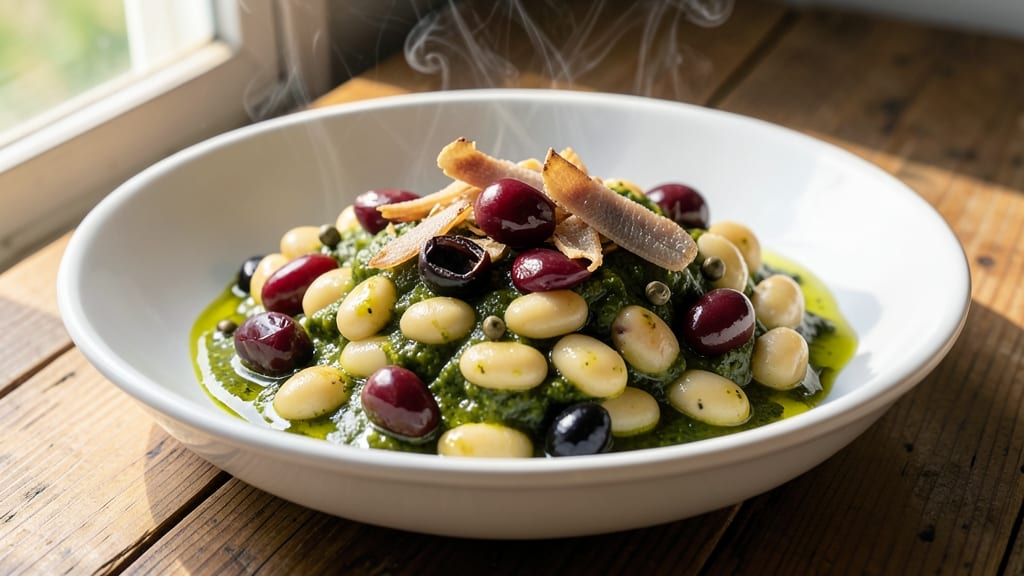
This bean puttanesca recipe delivers the bold, briny depth of Italian coastal cuisine in one satisfying bowl. The marriage of tender beans, capers, olives, and garlic creates a sauce so rich with umami it transforms simple white beans into a restaurant-worthy centerpiece.
I first discovered puttanesca while studying traditional Roman recipes, and this version stays true to its roots while adapting for modern kitchens.
The beauty of this dish lies in its simplicity—just 10 ingredients work together to create layers of flavor. White beans simmer until creamy, while capers, olives, and anchovies (or vegetarian substitutes) infuse the sauce with that signature salty, tangy punch.
A splash of vinegar brightens everything, and fresh basil adds a fragrant finish. The sauce thickens naturally as it cooks, coating each bean perfectly.
What you'll end up with is a dish that's hearty enough for a main course but versatile enough for a side. The beans stay tender yet substantial, the sauce clings to them in a glossy embrace, and every bite delivers that perfect balance of salty, sweet, and tangy.
It's the kind of meal that feels both comforting and sophisticated—ideal for weeknight dinners or special occasions when you want to impress without fuss.
This recipe works beautifully with crusty bread to soak up every last drop of sauce, or served alongside grilled fish for a complete Italian meal. The flavors only deepen as it sits, making it perfect for meal prep. Let's get cooking—your taste buds will thank you.
Ingredients for bean puttanesca
Ten simple ingredients transform into a restaurant-worthy Italian classic.
| Ingredient | Amount | Notes |
|---|---|---|
| Canned White Beans 🥄 | 2 cups | Drained, rinsed, cannellini preferred |
| Extra-Virgin Olive Oil 🫒 | ½ cup | High quality, fruity flavor |
| Garlic Cloves 🧄 | 4 cloves | Peeled, thinly sliced |
| Canned Chopped Kalamata Olives 🫒 | ½ cup | Drained, pitted if needed |
| Nonpareils Capers 🫒 | ¼ cup | Drained, rinsed well |
| Vegetarian Anchovy Fillets 🐟 | 4 pieces | Mashed into paste (or sub 1 tbsp soy sauce) |
| Sun-Dried Tomatoes 🍅 | ¼ cup | Chopped, oil-packed preferred |
| White Wine Vinegar 🍶 | 1 tbsp | White or apple cider |
| Fresh Basil Leaves 🌿 | ¼ cup | Chopped, stems removed |
| Sea Salt 🧂 | 1 ½ tsp | Adjust to taste |
| Black Pepper 🌶️ | ½ tsp | Freshly cracked |
The olives and capers make this dish—look for imported Kalamata olives at Trader Joe's or specialty markets. Their briny depth is unmatched. For capers, nonpareils are ideal (the tiny ones), but regular capers work too. The vegetarian anchovies (or soy sauce) bring that signature umami punch without fish. I always grab extra-virgin olive oil from the bulk section at Whole Foods—it makes a noticeable difference. Fresh basil is a must for that bright finish, but dried oregano works in a pinch if you're short on time.
No vegetarian anchovies? Soy sauce or miso paste works in a bind, though anchovies add that authentic depth. Sun-dried tomatoes? Oil-packed are best—they're more flavorful than the dried ones. Short on white wine vinegar? Apple cider vinegar or lemon juice keeps the tang. The beans can be cannellini, great northern, or even chickpeas if that's what you have. For extra richness, stir in a spoonful of nutritional yeast—it mimics the savory notes of traditional anchovies.
This sauce only gets better with time—4-5 days in the fridge is perfect. Portion it into jars for easy lunches. Freezes beautifully for up to 3 months. For serving, I like to drizzle it over toasted sourdough or serve it alongside crusty bread. The flavors meld together like magic, so don't rush it—let it sit for at least 15 minutes after cooking before serving.
Why You'll Love This Recipe
- Pantry-to-Table Magic: I swear by this one—open a can, chop garlic, toss in olives and capers, and boom. The only thing harder than making it is resisting seconds.
- Briny, Garlicky Bliss: That first bite? The olives and capers bring the tang, the garlic sizzles in the olive oil, and the beans soak it all up like a dream. It’s the kind of flavor that sticks with you.
- Potluck Crowd-Pleaser: Serve it warm in bowls or cold in jars—it’s equal parts impressive and effortless. My in-laws asked for the recipe twice last summer, and that’s saying something.
- Budget-Friendly Leftovers: A single can of beans and a jar of olives stretch across lunches, sandwiches, or even pasta toppings. Honestly, I’ve had it three days in a row and still crave it.
Step-by-step instructions for bean puttanesca
Here's how to create this briny, garlicky masterpiece with rich layers of flavor.
Sauté Garlic in Olive Oil Until Fragrant
Heat the 0.5 cup extra-virgin olive oil in a large skillet over medium heat. Add the 4 peeled, thinly sliced garlic cloves and cook for 2-3 minutes until they turn golden and fragrant—not browned. Watch carefully so they don't burn, as garlic can go from perfect to bitter in seconds.
This step builds the aromatic foundation. The olive oil should shimmer slightly but not smoke. If it starts to smell acrid, reduce the heat immediately. Once the garlic is golden, remove the skillet from heat for now—we'll return to it after preparing the other ingredients.
Combine Anchovies, Capers, and Tomatoes
Return the skillet to medium heat and add the 4 mashed vegetarian anchovy fillets (or 1 tablespoon soy sauce if substituting). Stir until fully melted, about 30 seconds. This creates a salty, umami base for the dish.
Add the 0.25 cup chopped sun-dried tomatoes and 0.25 cup drained, rinsed nonpareils capers. Cook for 1-2 minutes until the tomatoes soften slightly and the capers begin to release their briny punch. Stir occasionally to prevent sticking—this mixture should be well combined but not mushy.
Add Olives and Vinegar for Tangy Depth
Pour in the 0.5 cup drained chopped kalamata olives and 1 tablespoon white wine vinegar. Stir everything together and let it simmer for 2 minutes until the olives are heated through and the vinegar's sharpness mellows slightly. You'll notice the mixture becomes more cohesive and aromatic.
Here's the thing—don't rush this step. The acidity from the vinegar and the saltiness from the capers and anchovies need time to meld. You want the flavors to marry, not compete. Taste a spoonful now—it should be bold, briny, and slightly tangy.
Incorporate the Beans and Season
Add the 2 cups drained, rinsed cannellini beans to the skillet and stir gently to coat them in the olive oil mixture. Sprinkle with 1.5 teaspoons sea salt and 0.5 teaspoon freshly cracked black pepper. Let the mixture simmer for 3-4 minutes until everything is heated through and the beans begin to absorb the flavors.
Real talk: The beans should look glossy from the olive oil, and the sauce should coat them evenly. If it's too thick, add 2-3 tablespoons of water to loosen it slightly. The texture should be creamy but still allow the beans to be visible.
Finish with Fresh Basil and Simmer
Remove the skillet from heat and stir in the 0.25 cup chopped fresh basil leaves. Let the dish sit off the heat for 1-2 minutes—this allows the basil to infuse its bright, fresh flavor without wilting completely. Give it one final taste and adjust the seasoning if needed.
Return the skillet to low heat and simmer gently for 2-3 minutes to let all the flavors meld together. The puttanesca should be vibrant, with bright green basil contrasting against the deep umami of the anchovies and capers. Serve immediately over crusty bread or with grilled vegetables for the full experience.
Pro Tips For Making Bean Puttanesca
- Toast Your Garlic: DESCRIPTION: Don’t just toss raw garlic into the oil—give it 30 seconds in a hot pan until it’s golden and fragrant. I learned this the hard way: skipping this step leaves your puttanesca tasting flat, like someone forgot the soul. The beans and olives need that nutty depth to shine.
- Drain and Rinse Beans: DESCRIPTION: Canned beans are packed in saltwater, and that extra brine makes your sauce watery. Drain them, then rinse under cold water to cut the salt and starch. Trust me, your sauce will stay rich and glossy instead of turning into a thin, sad liquid.
- Simmer, Don’t Boil: DESCRIPTION: Once everything’s in the pot, keep the heat low enough that you see tiny bubbles at the edges—not a rolling boil. I used to crank it up, and the olives and capers would turn bitter. A gentle simmer lets the flavors meld without wrecking the texture.
- Taste Early, Adjust Late: DESCRIPTION: Add salt and acid (like a splash of lemon or vinegar) before the final simmer. Waiting until the end means you’ll either under-season or have to fix a mess. My grandmother’s rule: "If it’s not bright now, it won’t be later." Works every time.
Flavor customization for this dish
Spicy Heat Boost
If you love a little kick, add ½ teaspoon red pepper flakes when sautéing the garlic or sprinkle 1 teaspoon hot honey at the end. For extra heat, stir in 1-2 sliced jalapeños with the olives.
I find that a pinch of cayenne pepper (about ¼ teaspoon) does the trick without overpowering the dish. Balance is key—start small and adjust to taste. 🌶️
Sweet Contrast
Brighten the briny flavors with a touch of sweetness by adding 1 teaspoon honey or 1 tablespoon balsamic glaze when you incorporate the vinegar. For a caramelized depth, stir in 2 tablespoons caramelized onions with the sun-dried tomatoes.
The sweetness enhances the umami while keeping the dish balanced. I often use agave syrup for a neutral sweetness that won't compete with the other flavors.
Smoky Depth
For a smoky twist, add ½ teaspoon smoked paprika when sautéing the garlic or finish with a drizzle of smoked olive oil (about 1 teaspoon). If you have access to a grill, lightly char the garlic cloves before slicing for an extra layer of complexity.
The smokiness pairs beautifully with the briny capers and olives, adding a rustic touch. 🔥
Herb Variations
Swap out the basil for other fresh herbs to change the flavor profile. Try ½ cup chopped parsley for a brighter, fresher taste, or ¼ cup chopped oregano for an earthier note. A mix of both works wonderfully too.
If you're feeling adventurous, add a few sprigs of fresh thyme while simmering for a subtle floral aroma. The herbs should complement, not overpower, the dish's bold flavors.
Citrus Zing
Add a burst of freshness by finishing with 1 teaspoon lemon zest or a squeeze of lemon juice (about 1 tablespoon) right before serving. The acidity cuts through the richness and brightens the entire dish.
I also love adding thinly sliced orange segments for a sweet-tart contrast. The citrus pairs especially well with the olives and capers, creating a well-rounded flavor experience.
Vegetable Additions
For a heartier dish, stir in 1 cup diced roasted red peppers or ½ cup sautéed mushrooms when you add the olives. Roasted garlic or caramelized shallots also work beautifully, adding another layer of texture and flavor.
If you're serving this as a side, consider adding ½ cup chopped artichoke hearts for a Mediterranean touch. The vegetables should be cooked until tender but still hold their shape.
Nutrition facts
Frequently asked questions
What makes this bean puttanesca different from traditional pasta puttanesca?
This recipe focuses on the bean-based sauce as a standalone dish rather than a pasta topping. The beans absorb all the briny, garlicky flavors while staying tender—perfect for a hearty vegetarian meal. Traditional pasta puttanesca uses the same sauce but tosses it with spaghetti or linguine for a lighter dish.
Can I use dried beans instead of canned?
Yes, but soak them overnight first! Use 1.5 cups dried white beans (about 2 cups cooked) and simmer until tender before adding to the sauce. Dried beans need 1-2 hours of cooking time, so plan ahead. The texture will be slightly firmer than canned, but still delicious.
How do I store leftovers?
Let the puttanesca cool completely, then transfer to an airtight container. It keeps in the fridge for 4-5 days, with flavors deepening over time. Freeze for up to 3 months—thaw overnight in the fridge before reheating. The sauce thickens when chilled, so add 1-2 tablespoons water when reheating.
What's the best way to serve this dish?
This puttanesca shines over crusty bread (like sourdough or focaccia) to soak up the sauce. For a complete meal, pair it with grilled fish or roasted vegetables. The beans hold their shape well, so it also works as a vegetarian main course with a side salad.
Why did my puttanesca turn out too salty?
Capers, anchovies, and olives pack serious saltiness—taste as you go! If it's too salty, add 1-2 tablespoons water or a splash of lemon juice to balance. For future batches, reduce salt to 1 teaspoon and adjust after tasting. The beans help dilute the saltiness, but the sauce needs careful seasoning.