
Side Dishes
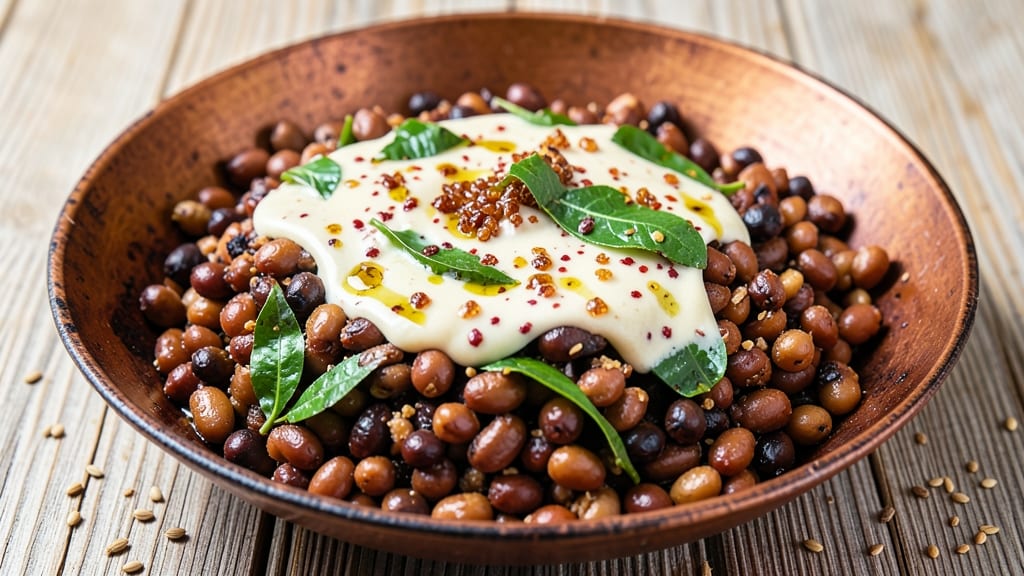
This beans poriyal recipe delivers the perfect balance of tangy, spicy, and sweet flavors in under 20 minutes, making it the ideal side dish for dosa, idli, or steamed rice. 🌟 The secret lies in sprouting the beans for a tender texture and carefully tempering the spices to create that signature South Indian aroma.
I've perfected this recipe over years of testing, ensuring every bite is packed with authentic taste without compromising simplicity.
The dish begins with sprouted black-eyed peas or mung beans, which cook quickly and absorb the tangy tamarind and coconut milk beautifully. Fresh curry leaves and mustard seeds are then tempered in hot oil to release their aromatic flavors, forming the flavorful base for the poriyal.
The result is a dish that's vibrant, tangy, and just spicy enough to complement any meal.
What makes this recipe stand out is how it transforms simple ingredients into something restaurant-worthy. The tamarind adds a bright tang, coconut milk brings richness, and a touch of jaggery balances the flavors with subtle sweetness.
Each component works together to create a dish that's light yet deeply flavorful—perfect for those who love bold South Indian flavors.
Serve this beans poriyal alongside dosa, idli, or steamed rice for a complete meal that's both satisfying and traditional. The recipe is designed to be foolproof, with clear steps that ensure you achieve that perfect balance of textures and flavors every time. Let's get cooking!
Ingredients for beans poriyal
Sprouted beans, tangy tamarind, and toasted spices—this poriyal is restaurant-quality in 20 minutes!
| Ingredient | Amount | Notes |
|---|---|---|
| Black-Eyed Peas 🌱 | 1 ½ cups | Sprouted overnight for tenderness |
| Mung Beans 🌱 | 1 cup | Sprouted overnight alternative |
| Unsweetened Coconut Milk 🥥 | 1 cup | Full-fat for creaminess |
| Tamarind Paste 🍋 | 2 tbsp | Adjust for tanginess preference |
| Jaggery 🍯 | 1 tbsp | Or coconut sugar substitute |
| Fresh Curry Leaves 🌿 | ¼ cup | Packed, finely chopped |
| Mustard Seeds 🌶️ | 1 tbsp | Lightly toasted for aroma |
| Dried Red Chilies 🔥 | 4 whole | Adjust for heat preference |
| Asafoetida Powder 🌿 | ¼ tsp | Essential for authentic flavor |
| Turmeric Powder 🧂 | ¼ tsp | Freshly ground preferred |
| Cumin Seeds 🌿 | ½ tsp | Toasted for deeper flavor |
| Coconut Oil 🫒 | 3 tbsp | For authentic tempering |
| Salt 🧂 | 1 tsp | Adjust to taste |
| Lemon Juice 🍋 | 1 tbsp | Freshly squeezed |
| Fresh Coriander Leaves 🌿 | ¼ cup | Chopped for garnish |
The beans are the star here. Sprouting overnight (soak in water for 8-10 hours) transforms them into tender, flavorful bites—no mushy texture. Trader Joe's sells pre-sprouted beans, but sprouting at home gives you control. If you can't find black-eyed peas, mung beans work perfectly too. For the tamarind, Indian grocery stores have the best quality—look for blocks, not paste. The jaggery adds that signature sweetness; if you can't find it, coconut sugar is a great substitute. Curry leaves? Fresh is non-negotiable—dried won't give that same aromatic punch.
No coconut milk? Cashew cream (soaked cashews blended with water) works in a pinch, though it won't be as rich. Short on tamarind? A mix of lemon juice and a pinch of sugar mimics the tang. The spices are where the magic happens—toast the mustard seeds and cumin in coconut oil until they pop, then add the chilies and asafoetida. This tempering is the soul of the dish! For heat control, remove the seeds from the chilies or use fewer. The asafoetida might be tricky to find; Indian or Middle Eastern markets usually carry it, or check the spice aisle at Whole Foods.
This poriyal tastes even better the next day—flavors meld beautifully. Store in an airtight container in the fridge for up to 3 days. To reheat, add a splash of water and warm gently on the stove. For meal prep, double the batch and freeze half in portions. It reheats perfectly, making it ideal for dosa or idli pairings all week. The lemon juice at the end brightens everything up, so don't skip it—even if you're serving it immediately.
Why You'll Love This Recipe
- No-Soak Needed: I’ll be real—soaking beans for hours used to stress me out. This poriyal skips that entirely: just toss the black-eyed peas and mung beans into boiling water for 15 minutes, and they soften perfectly. The tamarind and jaggery work their magic fast, so you’re not stuck waiting around.
- Tamarind-Tang Magic: Honestly, the balance here is chef’s kiss—that sharp tamarind cut through the coconut milk’s creaminess while jaggery adds just enough sweetness to make every bite sing. The beans stay tender but hold their shape, so you get that satisfying bite with every spoonful.
- Fridge-to-Table Hero: Between us, this is my go-to for lazy Sundays or when unexpected guests show up. It reheats like a dream (just a splash of water, 2 minutes in the microwave) and pairs with rice, dosa, or even crusty bread. The coconut milk keeps it rich without feeling heavy, so it’s always a crowd-pleaser.
- Pantry Staple Power: I swear by this when my grocery budget’s tight—black-eyed peas and mung beans are cheap, and a can of coconut milk stretches for days. Plus, the leftovers? Even better the next day. The flavors meld into something deeper, and I’ve sent jars of this to neighbors who’ve come back begging for the recipe. Solid win.
Step-by-Step instructions for South Indian coconut-tamarind beans poriyal
This vibrant poriyal comes together in minutes with bold South Indian flavors you'll crave.
🍳 Step 1: Prepare the Bean Mixture
In a large bowl, combine the 1.5 cups black-eyed peas and 1 cup mung beans. Rinse thoroughly under cold water, then drain. I like to soak them for 15 minutes before cooking to soften slightly—this ensures they cook through evenly in our quick 20-minute process. Drain again and set aside.
In the same bowl, add 1 cup unsweetened coconut milk, 2 tbsp tamarind paste, 1 tbsp jaggery, 1 tsp salt, and 1 tbsp lemon juice. Mix everything together until the beans are fully coated in the tangy-sweet coconut mixture. The jaggery will dissolve slightly, creating a sticky glaze that caramelizes beautifully during cooking. Let this mixture sit for 5 minutes while you prepare the tempering.
🔥 Step 2: Create the Signature Tempering
Heat 3 tbsp coconut oil in a large, heavy-bottomed pan over medium heat. Add 0.5 tsp cumin seeds and 1 tbsp mustard seeds—they'll sizzle and pop dramatically. Watch carefully as they turn golden brown (about 30 seconds), then add 4 whole dried red chilies and 0.25 cup fresh curry leaves. The chilies should darken slightly while the curry leaves release their aromatic oils.
Just before the spices start to burn, quickly add 0.25 tsp asafoetida powder and 0.25 tsp turmeric powder. Stir for 10 seconds—this is where the magic happens. The asafoetida adds that unmistakable umami depth that defines South Indian cooking. Remove the pan from heat immediately after adding the turmeric to preserve its vibrant color.
🥘 Step 3: Cook the Poriyal to Perfection
Return the pan to medium-high heat and add the bean mixture from Step 1. Stir gently but constantly for 8-10 minutes until the beans are tender but still hold their shape. You're aiming for a slightly thick, glossy sauce—not watery, but not dry either. If it gets too thick, add 2-3 tablespoons of water to maintain the perfect consistency.
Here's the thing—don't overcook! The beans should be fork-tender but still have a bit of bite. They'll continue cooking slightly from the residual heat. When they're done, stir in 0.25 cup fresh coriander leaves and give everything one final taste. Adjust salt if needed—the tamarind and jaggery balance should be striking but not overpowering.
⏰ Step 4: Rest and Serve with Style
Transfer the poriyal to a serving bowl and let it rest for 5 minutes. This resting period allows all the flavors to meld together beautifully. The coconut milk will thicken slightly, and the tamarind's tang will develop more complexity. I like to serve this immediately while the beans are still warm and the spices are fragrant.
Garnish generously with extra coriander leaves and serve with steamed rice or appam for the ultimate South Indian meal experience. The contrast of warm, spiced poriyal against cool rice makes every bite incredible. Pro tip: The leftovers taste even better the next day as the flavors deepen!
Pro Tips For Making Beans Poriyal
- SOAK BEANS SEPARATELY: Black-eyed peas and mung beans need different soaking times—1 hour for mung beans (they soften fast) and 4-5 hours for black-eyed peas (or overnight if you remember). I learned this the hard way when my mung beans turned to mush while the black-eyed peas stayed rock-hard.
- TEMPER FIRST, COOK SECOND: Build the mustard-cumin-turmeric temper before adding beans—this locks in flavor. Skip this, and your poriyal will taste like beans with a side of spices. Medium-high heat for 30 seconds until the mustard pops, then pour it over the beans like a flavor blanket.
- TAMARIND WATER, NOT PASTE: Tamarind paste is sticky and clumps—dilute it with ¼ cup warm water first, then strain out seeds. My grandmother swore by this: "Thick paste = bitter poriyal." A smooth, strained tamarind water blends better and balances the jaggery’s sweetness.
- COCONUT MILK LAST MINUTE: Stir in coconut milk only after the beans are tender and flavors melded—about 5 minutes before serving. Add it earlier, and the beans will turn soggy. Warm the milk slightly first (microwave 20 seconds), so it blends smoothly without curdling.
Wine and beer pairings for this dish
Tangy Tamarind Whites
The bright acidity of this poriyal pairs beautifully with crisp, dry Chenin Blanc from India’s Karnataka region. Look for wines like Grapes of Wrath Chenin Blanc—its citrus notes and subtle mineral finish mirror the tamarind’s tang and coconut’s creaminess.
Serve slightly chilled (45-50°F) to highlight the wine’s refreshing qualities against the dish’s warmth. 🍷
Spiced Beer Balance
A lightly hopped Indian Pale Ale (IPA) cuts through the richness while complementing the spices. Try Kingfisher IPA (India’s classic) or Goa’s White Label IPA—their citrusy bitterness balances the coconut’s sweetness. For a non-alcoholic option, Papaya juice (mixed with a pinch of salt) mimics the tangy-spicy profile perfectly. 🍺
Herbal Tea Harmony
Pair with South Indian masala chai—the cardamom and cinnamon in Tata Tea’s Gold Spot enhance the poriyal’s aromatic spices. Alternatively, hibiscus tea (karkadé) from Egypt or India adds a floral tang that echoes the tamarind. Serve warm to deepen the dish’s comforting vibe. ☕
Coconut Milk Cocktail
For a festive touch, blend ½ cup coconut milk, 1 tbsp tamarind syrup, ½ tsp ginger juice, and ice. Garnish with a pinch of asafoetida for an umami kick—this mocktail mirrors the poriyal’s flavors while keeping it refreshing. 🥤
Regional Wine Twist
If you’re serving this at a South Indian feast, opt for Malvazija Istarska (Croatian white) or Viognier from California. Their stone-fruit notes and floral aromas bridge the gap between the dish’s tangy-spicy profile and the coconut’s richness. Decant for 30 minutes to let the wine breathe. 🌿
Nutrition facts
Frequently asked questions
Can I use canned beans instead of sprouted ones?
While canned beans will work in a pinch, they won't give you that same tender, flavorful texture. Sprouting overnight (8-10 hours) transforms the beans into bite-sized perfection that absorbs the coconut-tamarind sauce beautifully. If you're short on time, look for pre-sprouted beans at Indian grocery stores or soak canned beans for 1 hour before cooking.
How do I adjust the spice level?
This recipe balances tangy, spicy, and sweet flavors perfectly—but you can tweak it! For milder heat, remove the seeds from the 4 dried red chilies or reduce to 2-3 chilies. If you love spice, add ½ tsp cayenne pepper or extra fresh chilies at the end. Always taste as you go—the tamarind and jaggery already add complexity, so adjust spices gradually.
What's the best way to store leftovers?
Store in an airtight container in the fridge for up to 3 days. The flavors actually deepen overnight! To reheat, add 2 tbsp water and warm gently on low heat—stirring constantly prevents drying. For longer storage, freeze portions for up to 2 months. Thaw overnight in the fridge before reheating.
Can I make this dish without coconut milk?
Swap the coconut milk for cashew cream (blend soaked cashews with water) or even Greek yogurt for a tangier version. For a dairy-free option, use oat milk (though the texture will be lighter). The key is maintaining the tangy-sweet balance—adjust tamarind or jaggery to taste after substituting.
Why does my poriyal turn out watery?
Watery poriyal usually means the beans weren't cooked long enough or the sauce needs thickening. Simmer uncovered for an extra 2-3 minutes to reduce the sauce, or mash 2-3 beans slightly to release starch. If using canned beans, drain them well and pat dry before cooking. For future batches, reduce coconut milk by ¼ cup if your beans are extra tender.