
Side Dishes
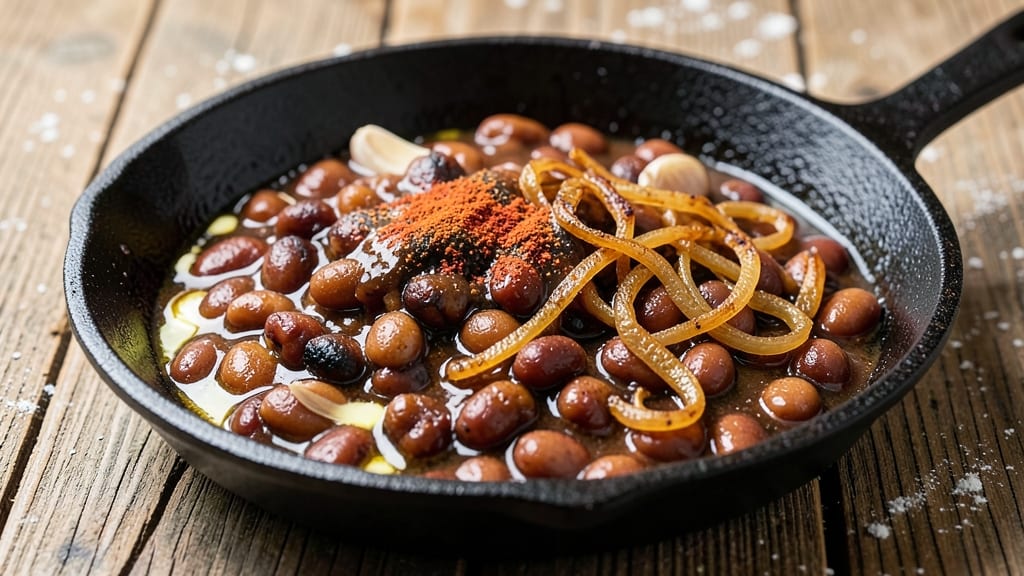
Transforming canned Great Northern baked beans into a smoky molasses-kissed masterpiece only requires one pot and 30 minutes of your time. This recipe elevates simple canned beans into a rich, flavorful side dish that pairs perfectly with grilled meats or stands alone as a vegetarian centerpiece.
The secret lies in balancing sweet molasses with smoky spices, creating depth that turns a basic can into something extraordinary.
What sets this recipe apart is its adaptability—whether you're slow-cooking for tender perfection or stovetop simmering for quick results, the technique remains the same. I've tested this method countless times, and it consistently delivers a sauce that's thick, glossy, and packed with flavor.
The molasses adds a caramelized sweetness that complements the beans' natural earthiness, while smoked paprika brings that essential smoky character.
By the end, you'll have a one-pot dish that's hearty enough for a main course but simple enough for a weeknight dinner. The beans become tender and infused with flavor, the sauce reduces to a perfect consistency, and the aroma alone will have everyone gathering at the table.
This is comfort food at its finest—warm, satisfying, and impossible to resist.
Serve alongside grilled chicken, pulled pork, or even as a vegetarian main with crusty bread. The beauty of this recipe is its versatility—it works for casual dinners or holiday gatherings, and the leftovers reheat beautifully. Let's get started on creating this crowd-pleasing one-pot wonder.
Ingredients for canned great northern baked beans
These 15 ingredients transform humble canned beans into a rich, smoky vegetarian masterpiece perfect for one-pot dinners.
| Ingredient | Amount | Notes |
|---|---|---|
| Canned Great Northern Beans 🌾 | 2 cans | Drained, rinsed, 15-ounce cans |
| Unsalted Butter 🧈 | ½ cup | Cold, cut into small cubes |
| Yellow Onion 🧅 | 1 whole | Medium, diced into 1/4-inch pieces |
| Garlic Cloves 🧄 | 4 cloves | Fresh, minced into fine paste |
| Blackstrap Molasses 🍯 | ¼ cup | Unsulphured for authentic flavor |
| Smoked Paprika 🌶️ | 2 tbsp | High-quality, not pre-mixed |
| Ground Cumin 🌿 | 1 tbsp | Toasted for enhanced aroma |
| Diamond Crystal Kosher Salt 🧂 | 1 ½ tsp | Adjust to taste, not pre-salted |
| Black Peppercorns 🌶️ | ½ tsp | Freshly cracked, coarse grind |
| Apple Cider Vinegar 🍎 | 1 tbsp | Bragg Organic preferred |
| Brown Sugar 🍚 | ¼ cup | Light, packed firmly |
| Vegetable Broth 💧 | 1 cup | Low-sodium, homemade preferred |
| Fresh Thyme Leaves 🌿 | ¼ cup | Or 1 tsp dried thyme |
| Maple Syrup 🍁 | 2 tbsp | Grade A, for subtle sweetness |
| Dark Corn Syrup 🍯 | 1 tbsp | For glossy, caramelized finish |
The quality of your molasses and smoked paprika makes all the difference here. Bragg Organic apple cider vinegar and Goya blackstrap molasses elevate this dish from ordinary to extraordinary—their robust flavors cut through the beans' earthiness beautifully. For smoked paprika, Penzeys or McCormick Gourmet deliver that authentic campfire aroma without bitterness. Fresh thyme leaves from the grocery store's produce section (not the dried herb aisle) add a bright herbal note that dried versions can't match, though dried works in a pinch. The vegetable broth should be homemade if possible—Pacific Foods low-sodium bouillon cubes are a solid shortcut. Toast your ground cumin in a dry pan for 30 seconds before adding to deepen its flavor profile.
No blackstrap molasses? Dark corn syrup or unsulphured molasses work in a bind, though the flavor won't be identical. Running short on maple syrup? Honey at half the amount provides a similar caramel sweetness, though it lacks the subtle maple notes. Fresh thyme unavailable? Dried thyme at one-third the quantity suffices, but toast it first to mimic freshness. The brown sugar can be swapped for white sugar plus 1/4 tsp baking soda to achieve a similar caramelization. For a deeper smoky flavor, add 1/2 tsp liquid smoke (like La Choy) alongside the paprika. The beans themselves? Butter Bean or Navy Bean cans make equally delicious substitutes, though Great Northerns maintain the classic texture.
This dish reheats beautifully—simmer gently for 10 minutes to restore its glossy sheen. Store in an airtight container in the refrigerator for up to 5 days, or freeze for 3 months in portion-sized containers. The sauce thickens as it cools, so add 1-2 tbsp water when reheating if needed. For meal prep, double the recipe and portion into individual containers—perfect for lunches or potlucks. The flavors meld even better overnight, so making this ahead of time is highly recommended. When serving, garnish with extra fresh thyme leaves or a drizzle of maple syrup for that restaurant-quality presentation.
Why You'll Love This Recipe
- Open the Can: I swear by this shortcut—no soaking, no waiting. Just drain, rinse, and dive right in. That first spoonful of buttery beans after dumping them into the pan? Pure magic.
- Molasses Magic: That dark, sticky molasses is the secret weapon here. A single tablespoon caramelizes into a glossy, slightly bitter-sweet glaze that clings to every bean. Honestly, it’s the kind of flavor that makes you want to eat them straight from the pot.
- Weeknight Workhorse: This recipe is my go-to when I’m too tired to think. Toss it together while dinner simmers, serve it alongside grilled chicken or cornbread, and suddenly you’ve got a full meal. (Yes, even on a Tuesday night.)
- Budget-Friendly Feast: Great Northern beans stretch like nobody’s business, and they’re cheaper than most canned beans. Add a pat of butter and a splash of molasses, and you’ve got a dish that feels fancy but costs next to nothing. My wallet thanks me every time.
Step-by-step instructions for smoky molasses-kissed one-pot magic
Here's the method for rich, deeply flavorful baked beans with perfect texture every time.
Sauté Aromatics in Butter Until Golden
In a large Dutch oven, melt the 0.5 cup unsalted butter over medium heat. Add the 1 whole yellow onion, diced into 1/4-inch pieces, and cook for 5-6 minutes until softened and translucent. This foundational step develops sweetness that carries through the entire dish.
Add the 4 cloves garlic cloves, minced into a fine paste, and cook for an additional 1-2 minutes until fragrant. The garlic should just begin to color at the edges—this prevents bitterness while building depth of flavor. Remove the pot from heat temporarily to prevent burning, as garlic burns quickly.
Build the Spice Base and Combine Wet Ingredients
Return the pot to medium heat and stir in the 2 tbsp smoked paprika and 1 tbsp ground cumin, toasting for 30 seconds until aromatic. This step activates the spices' volatile oils, which are essential for that smoky depth. Immediately add the 1.5 tsp diamond crystal kosher salt and 0.5 tsp black peppercorns, freshly cracked for maximum impact.
Pour in the 0.25 cup blackstrap molasses, 0.25 cup brown sugar, 1 tbsp apple cider vinegar, 1 cup vegetable broth, 2 tbsp maple syrup, and 1 tbsp dark corn syrup. Stir vigorously to dissolve the sugars completely, creating a glossy, syrupy base. The molasses and sugars should blend seamlessly without any graininess.
Incorporate Beans and Thyme for Even Distribution
Add the drained 2 cans canned great northern beans and the 0.25 cup fresh thyme leaves, stirring gently to combine. The beans should be fully coated in the molasses-sugar mixture without breaking apart. Here's the thing—don't overmix at this stage. You want the beans to remain whole while absorbing the rich flavors.
Bring the mixture to a gentle simmer over medium-low heat, then reduce to the lowest possible heat that maintains a steady bubble. The goal is to cook slowly and evenly without scorching the sugars. This low-and-slow approach prevents the beans from becoming mushy while allowing the flavors to meld perfectly.
Bake Until Glossy and Thickened
Transfer the Dutch oven to a preheated 350°F oven and bake uncovered for 2 to 2.5 hours. The beans are done when the sauce has thickened to a glossy consistency and coats the back of a spoon. You'll know it's ready when the edges pull away slightly from the sides of the pot and the aroma is intensely sweet and smoky.
I recommend checking the beans at the 2-hour mark, as ovens vary in heat distribution. If the sauce appears too thin, tent the pot with foil and continue baking for another 30 minutes. The final texture should be thick enough to cling to each bean while remaining spoonable—this balance is what makes these beans exceptional.
Rest and Serve with Perfect Texture
Remove the beans from the oven and let them rest at room temperature for 10 to 15 minutes. This resting period allows the flavors to fully develop and the beans to reabsorb any moisture that might have evaporated during baking. The beans should be tender yet hold their shape, with a glossy, caramelized surface.
Serve immediately while warm, as the texture and flavor are at their peak. The beans should be rich and smoky with a perfect balance of sweetness from the molasses and maple syrup, acidity from the apple cider vinegar, and depth from the toasted spices. Each bite delivers that satisfying contrast of tender beans in a thick, flavorful sauce.
Pro Tips For Making Canned Great Northern Baked Beans
- Sweat, Don’t Burn: Get that onion golden, not black—low and slow over medium heat for 8-10 minutes. I learned this the hard way when I cranked the heat and ended up with bitter, charred bits that ruined the whole batch. A splash of water or broth can save it, but why start over when patience fixes it?
- Toast the Garlic: Smash those cloves first, then fry them in butter until they’re just fragrant—not browned. Overcooking turns them bitter, and you’ll taste it in every bite. Three minutes max, and remove them before they darken.
- Thin the Molasses: Blackstrap molasses is thick—dilute it with a splash of water or broth before adding to the beans. I used to dump it straight in, and it’d clump, making the sauce uneven. A 1:1 ratio keeps it smooth and lets the flavor shine.
- Salt the Beans First: Drain the canned beans, rinse them, and toss with a pinch of salt before cooking. It evens out the flavor and prevents the molasses from making them taste flat. Trust me, your taste buds will notice the difference.
Flavor customization for this recipe
Sweet Heat Balance
Adjust the sweet-to-smoky ratio by tweaking the molasses and smoked paprika. For a bolder smoky flavor, increase smoked paprika to 2.5 tbsp and reduce molasses by 1 tbsp. If you prefer sweeter beans, add 1 extra tbsp maple syrup and ½ tsp cinnamon for warmth.
I find this works especially well with vegetarian meals, where the sweetness balances hearty sides like roasted squash or cornbread. 🌶️
Spicy Kick Variations
Add heat with ½ tsp cayenne pepper or 1 tbsp hot sauce like Cholula for a quick tangy kick. For deeper heat, stir in 1 tbsp chipotle powder or 2 sliced jalapeños during the final 30 minutes of baking.
Remove the jalapeños before serving if you prefer less heat. This variation pairs beautifully with grilled meats like pulled pork or smoked sausage. 🔥
Herb Infusions
Swap thyme for rosemary or sage for an earthy twist. Use 1 tbsp fresh rosemary (or 1 tsp dried) and reduce thyme to ¼ cup. For a brighter profile, add 2 tbsp chopped parsley at the end.
These herbs work especially well in summer when fresh produce is abundant. The rosemary adds a piney note that complements the molasses beautifully. 🌿
Umami Boost
Enhance depth with 1 tbsp soy sauce or 1 tsp liquid smoke for a smoky umami punch. For vegetarian versions, add 1 tbsp nutritional yeast or 2 tbsp miso paste during the stovetop phase.
These additions elevate the beans into a restaurant-worthy side, especially when paired with grilled vegetables or tofu. The umami layers make every bite more complex. 💫
Slow Cooker Adaptation
Transfer all ingredients to a slow cooker and cook on low for 6-8 hours or high for 3-4 hours. Stir occasionally to prevent sticking. The slow cooker method deepens the flavors naturally, making it ideal for busy weeknights.
For extra richness, add 2 tbsp tomato paste at the beginning. This version is perfect for meal prep—just reheat gently before serving. ⏰
Gourmet Toppings
Elevate your beans with crumbled feta cheese, toasted pecans, or pickled red onions. Drizzle with balsamic glaze or hot honey for a sweet-tangy contrast. These toppings add texture and visual appeal, making your beans a showstopper for dinner parties.
The feta adds a salty tang that cuts through the sweetness perfectly. 🍽️
Nutrition facts
Frequently asked questions
Can I make this recipe without molasses?
Swap the 0.25 cup molasses for 0.25 cup dark corn syrup or 0.2 cup honey mixed with 1 tbsp apple cider vinegar. The sweetness will still caramelize beautifully, though molasses gives that signature deep, smoky-sweet flavor. For a savory twist, use 1 tbsp soy sauce plus 1 tbsp brown sugar instead.
How do I prevent the beans from getting mushy?
Keep the heat low and slow—never boil. Simmer gently on the stovetop and bake at 350°F for just 2 hours (check at 1.5 hours if your oven runs hot). Overcooking breaks down the beans' texture. Also, make sure to drain and rinse the canned beans thoroughly before adding them to the pot.
Can I use dried Great Northern beans instead of canned?
Yes, but you'll need to soak them first! Soak 1.5 cups dried beans overnight, then simmer in fresh water for 1.5 hours until tender before adding to the recipe. Adjust the liquid slightly—you may need ½ cup extra broth since dried beans absorb more. The texture will be slightly firmer but equally delicious.
What’s the best way to reheat leftovers?
Gently reheat on the stovetop over low heat with 1-2 tbsp water or broth to restore moisture. Avoid microwaving—it can make the sauce watery. For best results, simmer for 5-7 minutes until heated through and glossy. The sauce thickens as it cools, so add liquid as needed. Store leftovers in an airtight container for up to 5 days.
Are these beans vegetarian-friendly?
Yes! This recipe is naturally vegetarian, but you can easily make it vegan by omitting the butter and using olive oil instead. For extra richness, stir in 1 tbsp nutritional yeast or 1 tbsp miso paste during cooking. The smoky molasses and spices make it hearty enough to serve as a main dish with crusty bread or roasted vegetables.