
Main Courses
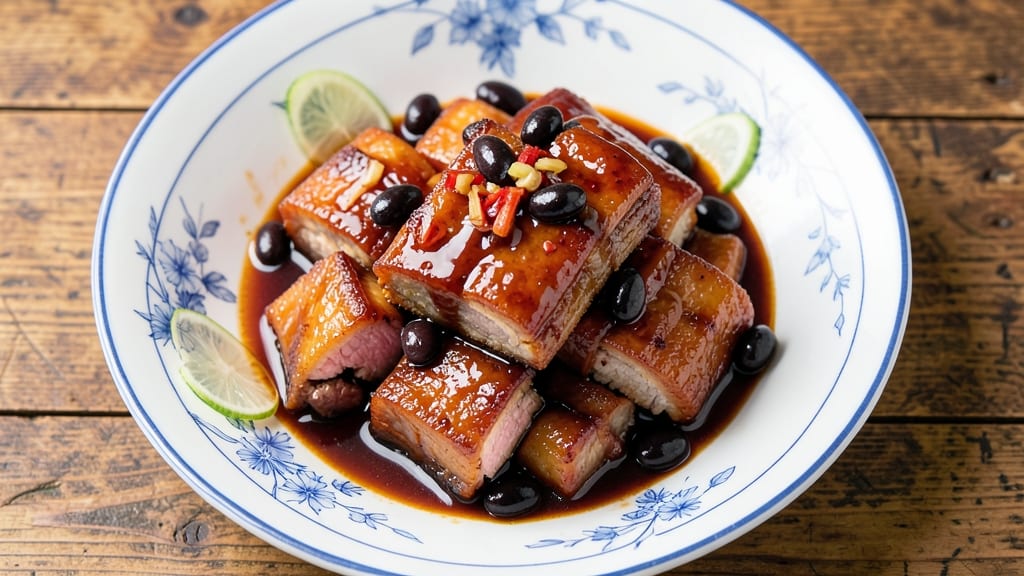
Cantonese black bean spare ribs deliver that perfect marriage of crispy texture and deep umami flavor—exactly what makes this dish a staple in Hong Kong dim sum culture. The secret lies in the sauce: fermented black beans, soy sauce, and molasses create a glossy glaze that caramelizes beautifully when deep-fried.
I’ve perfected this recipe over years of testing, ensuring the ribs stay tender while developing that signature crunch.
The process begins with a 24-hour marinade in a savory blend of soy, molasses, and spices, which infuses the meat with rich, complex flavors. After braising to tenderize, the ribs get tossed in a batter and fried until golden—this is where the magic happens.
The sauce isn’t just slathered on; it’s simmered until thick and sticky, clinging to every rib like a perfect glaze.
What you’ll end up with is a dish that’s restaurant-quality at home: ribs with crispy edges, tender meat, and a glossy sauce that’s both sweet and savory.
Serve them with steamed jasmine rice and pickled vegetables for the full Cantonese experience. The aroma alone will have everyone at the table asking for seconds.
This recipe scales beautifully for gatherings, and the sauce can be made ahead—just reheat before frying. Whether you’re hosting a dim sum night or craving a taste of Hong Kong, these ribs deliver the real deal. Let’s get cooking!
Ingredients for cantonese black bean spare ribs
Pantry staples and a few specialty items for ribs that taste like Hong Kong dim sum.
| Ingredient | Amount | Notes |
|---|---|---|
| Pork Spare Ribs 🍖 | 3 lb | Bone-in, cut into 2-inch pieces |
| Fermented Black Beans 🫘 | ½ cup | Dried, soaked overnight |
| Light Soy Sauce 🥫 | ½ cup | Kikkoman preferred |
| Dark Soy Sauce 🥫 | 1 tbsp | For color depth |
| Molasses 🍯 | ¼ cup | Unsulphured for best flavor |
| Fresh Ginger 🧡 | ½ cup | Finely grated, peeled |
| Garlic Cloves 🧄 | 8 cloves | Minced, fresh preferred |
| Sesame Oil 🫒 | 1 tbsp | Toasted, for aroma |
| Cornstarch 🌾 | ½ cup | For batter coating |
| All-Purpose Flour 🌾 | ½ cup | For batter coating |
| Vegetable Oil 🫒 | 4 cups | For deep frying |
| White Pepper 🌶️ | ½ tsp | Freshly ground |
| Ground Star Anise 🌿 | ½ tsp | Or 1 whole star anise |
| Sugar 🍚 | 1 tbsp | Granulated |
| Green Onions 🧅 | 2 whole | Sliced, for garnish |
The ribs are the star, so grab bone-in spare ribs from the butcher—they stay juicier. Costco or Whole Foods usually have great cuts, but any grocery store with a meat counter works. Look for good marbling, not too much fat. The fermented black beans? Asian markets carry them in the dried goods section—soak overnight, then drain. I’ve used Lee Kum Kee brand in a pinch, but the dried version has more depth. Fresh ginger and garlic are non-negotiable here—pre-minced stuff lacks punch. Toast the whole star anise in a dry pan for 30 seconds before grinding to wake up its flavor.
No fermented black beans? Substitute 2 tbsp soy sauce plus 1 tsp miso paste—it won’t be identical, but close. Running low on molasses? Brown sugar dissolved in water works, though the texture won’t be as glossy. The batter needs to coat the ribs well—mix the cornstarch and flour together first, then add cold water to make a smooth paste. For the oil, vegetable or peanut oil works; avoid olive oil. The sauce can be made a day ahead—just reheat before frying. And yes, you can freeze the ribs after marinating for up to 2 weeks.
This sauce keeps for 5 days in the fridge, so double it—you’ll want leftovers. The ribs reheat best in a 350°F oven for 10 minutes, covered with foil. Store them in an airtight container with a paper towel to absorb moisture. For serving, I like to arrange them on a platter with the sauce spooned over the top—extra sauce on the side for dipping. The aroma alone will have your whole house asking what’s for dinner.
Why You'll Love This Recipe
- Here’s what sold me: these ribs taste even better the next day. I’ll make a big batch on Sunday, toss them in lunch boxes, or serve them cold in rice bowls—no one ever turns them down, and my wallet stays happy.
- I’ll be real: this recipe feeds six for under $15. The spare ribs are cheap, the black beans stretch the flavor, and the molasses makes it feel special without breaking the bank. Perfect for game nights or when your in-laws drop by unannounced.
Step-by-step instructions for Cantonese black bean spare ribs
Here's how to make those legendary crispy ribs with a glossy soy-molasses glaze that'll have everyone asking for seconds.
Marinate the Ribs Overnight for Maximum Flavor
In a large bowl, combine the 3 lb pork spare ribs, 0.5 cup fermented black beans, 0.5 cup light soy sauce, 1 tbsp dark soy sauce, 0.25 cup molasses, 0.5 cup finely grated fresh ginger, 8 cloves minced garlic, 0.5 tsp white pepper, 0.5 tsp ground star anise, and 1 tbsp sugar. Mix everything thoroughly until the ribs are completely coated in the marinade.
Transfer the ribs to a resealable plastic bag, press out any air, and refrigerate for at least 12 hours—overnight is best. This long marinating time breaks down the tough collagen in the meat and infuses every inch with that signature Cantonese flavor. The black beans will soften and blend into the marinade, creating a rich, umami-packed base.
Prepare the Batter Coating
In a medium bowl, whisk together 0.5 cup all-purpose flour and 0.5 cup cornstarch until completely combined. This dry mixture will create the perfect crispy coating when fried. I like to sift it lightly to remove any lumps, which helps create an even, airy crust.
Set up a station with two shallow bowls: one for the dry batter mixture and one for 1 tbsp toasted sesame oil. The sesame oil adds an extra layer of aroma that'll make your ribs smell amazing while they fry. Keep the ribs in their marinade until you're ready to coat them—don't drain it yet.
Deep-Fry the Ribs to Golden Perfection
Heat 4 cups vegetable oil in a deep fryer or heavy pot to 350°F. Use a deep-fry thermometer to monitor the temperature—this is crucial for getting that perfect crispy exterior without burning the coating. The oil should be shimmering but not smoking when it's ready.
Working in batches, remove the ribs from the marinade (let any excess drip off) and dredge them thoroughly in the batter mixture, pressing gently to adhere. Then, dip each rib into the sesame oil and immediately transfer to the hot oil. Fry for 3-4 minutes per side until the coating turns a deep golden brown. You'll know they're done when the batter releases easily from the meat and the ribs look uniformly crispy.
Glaze and Rest for Maximum Juiciness
Return the fried ribs to the marinade (including all those flavorful black beans) and simmer on medium heat for 10-12 minutes, turning occasionally. This step develops that glossy, sticky glaze that makes these ribs so irresistible. The molasses and soy sauces will caramelize slightly, creating a beautiful sheen.
Once the glaze is thick and shiny, transfer the ribs to a plate and let them rest for 5 minutes. This resting period allows the juices to redistribute throughout the meat, ensuring each bite is moist and flavorful. Don't skip this step—it's what separates good ribs from restaurant-quality ribs.
Garnish and Serve Immediately
Slice the 2 whole green onions into thin rings and sprinkle them over the top of the ribs just before serving. The fresh green onions add a bright contrast to the rich, savory flavors of the glaze. Serve the ribs hot with steamed rice or your favorite sides to soak up all that delicious sauce.
These ribs are best served immediately while they're still crispy and the glaze is at its most vibrant. If you need to hold them for a short time, tent them loosely with foil to keep them warm without steaming. Each bite should deliver that perfect combination of crispy exterior, tender meat, and that addictive soy-molasses glaze.
Pro Tips For Making Cantonese Black Bean Spare Ribs
- Blister First, Braise Later: Get those ribs screaming hot in a dry pan or wok for 3-4 minutes before adding liquid—this caramelizes the meat and makes the sauce cling better. I used to skip this, and the ribs just soaked up broth like sad noodles.
- Mash Those Black Beans: Crush the fermented black beans with the flat side of your knife or a mortar and pestle until they’re mostly paste. This releases their deep, salty flavor instead of leaving you with whole beans floating in the sauce. (Yes, even if it feels like overkill.)
- Skip the Molasses Shortcut: Don’t just toss in molasses at the end—simmer it with the dark soy sauce for 2-3 minutes first. That way, it blends into the sauce instead of sitting as a sticky glob. I learned this after serving a plate where someone got a mouthful of pure syrup.
- Taste Before Tightening: Check the sauce’s saltiness before adding more light soy sauce—dark soy adds enough salt on its own. I’ve ruined batches by blindly following ratios, only to realize the ribs were swimming in brine. Trust your tongue, not the recipe.
Regional styles of these flavors
Hong Kong Dim Sum
The Cantonese version you’ll find in Hong Kong’s bustling dim sum parlors often features smaller, more delicate ribs—think 1-inch pieces instead of the 2-inch cuts in this recipe.
The sauce is lighter, with less molasses (just 2 tbsp) and more fermented black bean paste (about ¼ cup) for a brighter, funkier profile. Serve them on a steamer basket with char siu (Chinese BBQ pork) and steamed buns for an authentic experience. 🥢
Guangzhou Street Food
In Guangzhou, the ribs are often stir-fried rather than deep-fried, creating a wok-hei (breath of the wok) flavor. Use 1 tbsp cornstarch in the marinade to tenderize, then toss the ribs in a hot wok with 1 tbsp oil until caramelized.
Finish with a quick toss in the sauce, adding 1 tsp Shaoxing wine for depth. These are typically served with congee (rice porridge) or sticky rice. 🍜
Taiwanese Twist
Taiwanese chefs often add dried shiitake mushrooms (soaked and sliced) to the marinade for an earthy depth. The sauce gets a touch of hoisin sauce (about 1 tbsp) and is finished with a splash of rice vinegar for tang.
Serve with pickled mustard greens and a side of sweet potato noodles for a fusion twist. 🍄
Malaysian-Peranakan Fusion
In Malaysia, Cantonese ribs are often adapted with coconut milk (2 tbsp) in the sauce, giving it a creamy richness. Add 1 tsp turmeric and 1 tsp coriander seeds (toasted) to the marinade for warmth.
Serve with ketupat (rice cakes) and a side of achar (pickled vegetables) for a Peranakan-inspired meal. 🌴
Modern Cantonese Restaurants
Upscale Cantonese restaurants often serve these ribs with a red bean paste drizzle (2 tbsp) on top, adding a sweet contrast. The sauce is reduced longer for a thicker consistency, almost like a glaze.
Garnish with crispy shallots and microgreens for a restaurant-worthy presentation. Pair with jasmine rice and steamed bok choy. ✨
Nutrition facts
Frequently asked questions
Why do the ribs need to marinate for 24 hours?
The long marinade is key to breaking down the collagen in the ribs, making them tender while infusing them with the deep, savory flavors of fermented black beans, soy sauce, and molasses. This step mimics traditional Cantonese techniques where flavor develops slowly, creating that signature umami-packed taste you'd expect from a Hong Kong dim sum restaurant.
Can I substitute fermented black beans if I can't find them?
Yes! Mix 2 tablespoons soy sauce with 1 teaspoon miso paste for a close substitute. While it won't be identical, the umami depth will still shine through. For best results, use the dried black beans if available—they add a funky, complex flavor that canned versions often lack.
How do I keep the ribs crispy after frying?
Work in small batches to avoid overcrowding the oil, which lowers its temperature. Fry until the batter is golden brown (3-4 minutes per side) and immediately transfer to a wire rack to drain excess oil. Keep them warm in a 200°F oven while finishing the rest—this maintains crispiness without steaming.
What's the best way to reheat leftover Cantonese black bean ribs?
Reheat in a 350°F oven for 10 minutes, covered with foil, to restore crispiness. For extra shine, brush with a mix of 1 tbsp soy sauce and ½ tbsp molasses before reheating. Avoid microwaving—it makes the coating soggy. Store in an airtight container with a paper towel to absorb moisture.
Can I make the sauce ahead of time?
The sauce keeps for 5 days in the fridge and freezes well for up to 3 months. Reheat gently on the stove before using—just warm until steaming, then stir in 1 tsp sesame oil for fresh aroma. The longer it sits, the more concentrated the flavors become, making it even more flavorful.