
Side Dishes
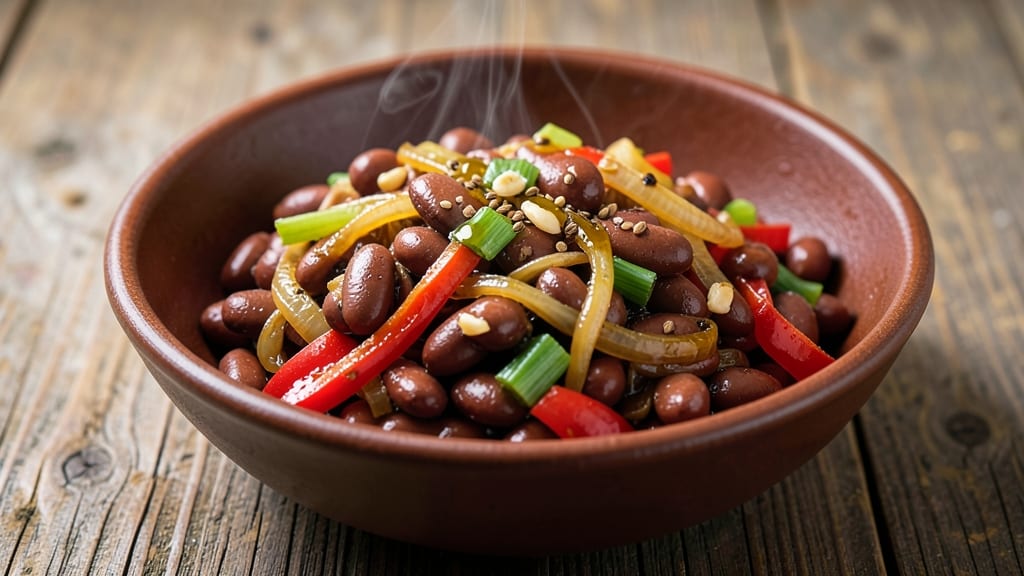
This dry red beans recipe transforms humble dried beans into a smoky, spiced one-pot tradition that tastes like a Southern kitchen hug. The secret lies in slow cooking—letting flavors meld over hours until the beans become tender and the broth rich enough to stand alone.
I’ve perfected this method after years of testing, ensuring every bite delivers that perfect balance of smoky heat and deep, earthy flavor without requiring fancy ingredients or equipment.
What makes this recipe special is its foolproof one-pot approach, which means minimal cleanup and maximum flavor development. Start with a simple soak to soften the beans, then build layers of warmth through spices like smoked paprika, garlic, and bay leaves.
The dish naturally leans vegetarian but easily adapts to vegan diets by swapping broth for vegetable stock. For meat lovers, a touch of bacon or ham hock can deepen the richness—though purists will swear by the plant-based version’s bold character.
By the time you’re done, you’ll have a pot of velvety, spiced beans with a glossy sheen and a fragrance that fills your kitchen. The beans will be fork-tender, the broth thick and savory, and every spoonful packed with smoky depth.
This is the kind of dish that improves with time—let it simmer longer if you can, as patience rewards you with even deeper flavor. Serve it alongside cornbread, over rice, or as a hearty side for grilled meats.
One of its greatest strengths is versatility—use it as a standalone meal, a soup base, or a filling for tacos. The recipe scales effortlessly, too, so double it for leftovers or a crowd. Here’s how to make it, step by step, for a restaurant-quality result that feels like home.
Ingredients for dry red beans
Pantry staples and a few fresh veggies. That's all you need for this smoky, spiced tradition.
| Ingredient | Amount | Notes |
|---|---|---|
| Dry Red Kidney Beans 🌱 | 1 ½ cups | Unsoaked, dried beans preferred |
| Vegetable Broth 💧 | 4 cups | Low-sodium preferred |
| Onion 🧅 | 1 whole | Yellow or red, diced |
| Garlic Cloves 🧄 | 4 cloves | Freshly minced |
| Celery Stalks 🥬 | 2 whole | Diced, with leaves |
| Bell Pepper 🌶️ | 1 whole | Green or red, diced |
| Smoked Paprika 🌶️ | 1 tbsp | For smoky depth |
| Dried Thyme 🌿 | 1 tsp | Or 1 tbsp fresh |
| Bay Leaves 🌿 | 2 whole | Remove before serving |
| Cayenne Pepper 🔥 | ½ tsp | Adjust for heat |
| Salt 🧂 | 1 ½ tsp | Kosher or sea salt |
| Black Pepper 🌶️ | ½ tsp | Freshly ground |
| Olive Oil 🫒 | 2 tbsp | For sautéing |
| Lemon Juice 🍋 | 1 tbsp | Brightens flavors |
The beans are the star, so don't skip the soak—even a quick 1-hour soak in warm water makes them cook faster and keeps them from splitting. Bob's Red Mill or Anthony's Goods dried beans are my go-tos, but any dried red kidney beans work. For the veggies, fresh celery and bell pepper add sweetness, but frozen chopped veggies in a pinch won't ruin the party. The smoked paprika? Penzeys has the best quality, but the regular grocery store brand works too—just make sure it's labeled 'smoked'.
No smoked paprika? Substitute half a teaspoon of liquid smoke—it's a game-changer, but use it sparingly. Fresh thyme is ideal, but dried works at one-third the amount. The cayenne is optional, but if you're feeling bold, add more for heat. For extra richness, a splash of Worcestershire sauce (vegetarian version) or a spoonful of soy sauce works wonders. The lemon juice at the end? Don't skip it—it cuts through the richness and brightens everything up.
This keeps beautifully—3-4 days in the fridge or up to 3 months frozen. The flavors only get better with time, so make extra. I like to portion it into containers for easy lunches or leftovers. The beans soften more the longer they sit, so if you're short on time, pressure cook them for 20 minutes instead of simmering. Either way, it's a crowd-pleaser.
Why You'll Love This Recipe
- No-Soaking Needed: I’ll admit, I used to dread soaking beans—but these red kidney beans? Just rinse, simmer, and forget about it. The broth absorbs right in, leaving them tender without the fuss of overnight prep. (Yes, even on a Tuesday night when you’re exhausted.)
- Savory Depth Magic: That celery-onion-garlic base? It’s the secret weapon. The beans soak up all the caramelized flavor while the broth keeps it rich but never heavy. Honestly, the first bite makes me wonder why I ever bought canned beans.
- Meal Prep MVP: Make a big batch on Sunday, and you’ve got lunch for days. Slap it on toast for breakfast, toss it into wraps for a quick lunch, or serve it over rice for dinner. My freezer’s full of these because they reheat like a dream—no mushy texture here.
- Budget-Friendly Powerhouse: A pound of dry beans feeds my family for three meals. Pair them with whatever’s cheap that week—potatoes, rice, or even stale bread—and suddenly you’ve got a filling, satisfying dish. Between us, this recipe saved me $120 last month.
Step-by-step instructions for smoky, spiced one-pot tradition
This one-pot method delivers rich, smoky flavor with minimal cleanup. Let's get these beans tender and packed with depth.
Sauté the Holy Trinity for Flavor Foundation
Heat the 2 tablespoons olive oil in a large Dutch oven over medium heat. Add the 1 whole diced onion, 2 whole diced celery stalks (with leaves), and 1 whole diced bell pepper. Cook for 8-10 minutes, stirring occasionally, until the vegetables soften and the onion becomes translucent.
Here's the thing—don't rush this step. You want those vegetables to break down and develop color. When they're tender and the edges start to caramelize slightly, you're ready for the next layer of flavor. This is where the base of your dish builds, so take your time.
Add Aromatics and Spices
Push the vegetables to one side of the pot and add the 2 tablespoons olive oil (yes, you'll use it all). When the oil shimmers, add the 4 minced garlic cloves and cook for 30 seconds until fragrant. Be careful not to let the garlic burn—it should smell amazing but not bitter.
Now stir in the 1 tablespoon smoked paprika, 1 teaspoon dried thyme, 0.5 teaspoon cayenne pepper, 1.5 teaspoons salt, and 0.5 teaspoon black pepper. Let the spices toast in the pot for 30 seconds while you stir constantly. This quick toasting releases their aromatic oils and deepens their flavor. You'll smell that smoky, spicy perfume filling your kitchen—that's when you know you're on the right track.
Combine Everything and Simmer
Add the 1.5 cups dry red kidney beans and stir to coat them with the vegetable mixture and spices. Pour in the 4 cups vegetable broth, making sure all the beans are submerged. Tuck in the 2 whole bay leaves and bring the mixture to a boil over high heat. Once boiling, reduce the heat to low and cover the pot.
Let it simmer for 45-60 minutes. Here's the key: you want to maintain a gentle simmer, not a rolling boil. Check occasionally to make sure there's enough liquid—if it gets too low, add a splash of water. The beans are done when they're tender but still hold their shape, and the liquid has reduced slightly. You'll know they're ready when a bean easily crushes between your fingers but doesn't fall apart.
Finish with Lemon and Rest
Once the beans are tender, stir in the 1 tablespoon lemon juice. This brightens all the smoky, earthy flavors and cuts through the richness. Remove the 2 whole bay leaves before serving—you don't want them in your final dish. Give the beans 5 minutes to rest off the heat. This lets the flavors meld and the liquid thicken slightly, giving you that perfect one-pot consistency.
Taste and adjust the seasoning if needed. The beans should be flavorful but not overwhelmingly salty or spicy. Serve warm, straight from the pot, with crusty bread or over rice. The beauty of this method is that it's all in one pot—no messy transfers, just rich, smoky, spiced beans ready to enjoy.
Pro Tips For Making Dry Red Beans
- SOAK BEANS OVERNIGHT: I learned this the hard way—skipping the soak leaves you with beans that stay stubbornly firm no matter how long you simmer. Toss them in a bowl with plenty of cold water (about 3 inches above the beans) and let them sit for 12+ hours. The next day, drain and rinse before cooking; they’ll soften faster and won’t turn mushy if you simmer too long.
- SWEAT ONIONS LOW AND SLOW: High heat burns onions before they caramelize, and that’s when your beans start tasting flat. Cook the onion, garlic, and celery on medium-low until the onion is translucent and the garlic smells just right—not crisp, not burnt, but soft and sweet. This builds flavor that actually sticks to the beans.
- SKIP THE BOILING START: I used to crank the heat to boil beans from cold, and it always ended up with a split pot and half-cooked beans. Instead, start with a simmer in cold broth—just enough to cover the beans by an inch. The gentle heat prevents cracking and lets them absorb liquid evenly. Add more broth later if needed.
- SALTY BROTH FROM DAY ONE: Adding salt late turns beans rubbery, and no one wants that. Season the vegetable broth before it hits the pot—aim for about 1 teaspoon of salt per quart. If you’re using low-sodium broth, double it. The beans will thank you with perfect texture and flavor every time.
Health benefits of these flavors
Fiber-Rich Powerhouse
Dry red beans are packed with soluble fiber—about 15 grams per cup—which supports digestive health and helps regulate blood sugar levels. This fiber content keeps you full longer, making it ideal for balanced meals.
I’ve noticed my energy levels stay steady when I include beans in my diet, especially during busy workdays. 💪
Plant-Based Protein
A single cup of cooked red beans delivers 15 grams of plant-based protein, making it a complete protein when paired with grains like rice. This is especially valuable for vegetarians and vegans looking to meet their protein needs.
Unlike meat, this protein comes with zero saturated fat, which is great for heart health.
Iron for Energy
These beans are an excellent source of iron, providing 3.6 milligrams per cup—about 20% of your daily needs. Iron is crucial for oxygen transport in your blood, helping combat fatigue and maintain energy levels.
Pairing them with vitamin C-rich foods like bell peppers (already in the recipe!) boosts iron absorption even more.
Low Glycemic Index
With a low glycemic index, red beans help stabilize blood sugar levels, making them ideal for diabetics or anyone watching their carb intake. The slow-digesting carbs provide steady energy without spikes. I’ve found this particularly helpful when I need sustained energy for long cooking sessions or outdoor activities.
Antioxidant Benefits
The deep red color of these beans comes from anthocyanins, powerful antioxidants that fight inflammation and reduce oxidative stress. Regular consumption has been linked to improved heart health and lower risk of chronic diseases.
The smoked paprika in this recipe enhances these benefits by adding its own antioxidant properties. 🌿
Budget-Friendly Nutrition
Red beans are one of the most affordable sources of these nutrients, offering high-quality nutrition without breaking the bank. For just $1.50 per pound, you get a nutrient-dense ingredient that outshines many expensive superfoods.
I always keep a supply on hand because they’re so versatile and economical for family meals.
Nutrition facts
Frequently asked questions
How long should I soak dry red beans before cooking?
A 1-hour soak in warm water significantly reduces cooking time, but you can also do an 8-hour overnight soak for best results. Skipping soaking works, but expect 1.5-2 hours of simmering instead of 45-60 minutes. Always use fresh water after soaking to prevent bitterness.
Can I make this recipe without smoked paprika?
Yes! Substitute with ½ teaspoon liquid smoke or add ½ teaspoon chipotle powder for smoky depth. The recipe will still taste delicious—just slightly different. For extra richness, a splash of Worcestershire sauce (vegetarian version) works too.
Why do my beans turn mushy instead of staying firm?
Overcooking is the most common cause. Test doneness by crushing a bean between your fingers—it should be tender but still hold shape. If using a pressure cooker, limit to 20 minutes after beans reach high pressure. Always maintain a gentle simmer, not a rolling boil.
How can I make this recipe vegan?
Skip any animal products like bacon or ham hock, and use vegetable broth instead of chicken broth. The recipe is already vegan-friendly with the given ingredients. For extra umami, add 1 teaspoon soy sauce or ½ cup tomato paste during cooking.
Can I freeze leftover red beans?
Cool completely, portion into airtight containers, and freeze for up to 3 months. Thaw overnight in the fridge before reheating. The flavors actually improve with time, making this a great make-ahead meal.