
Sauces & Condiments
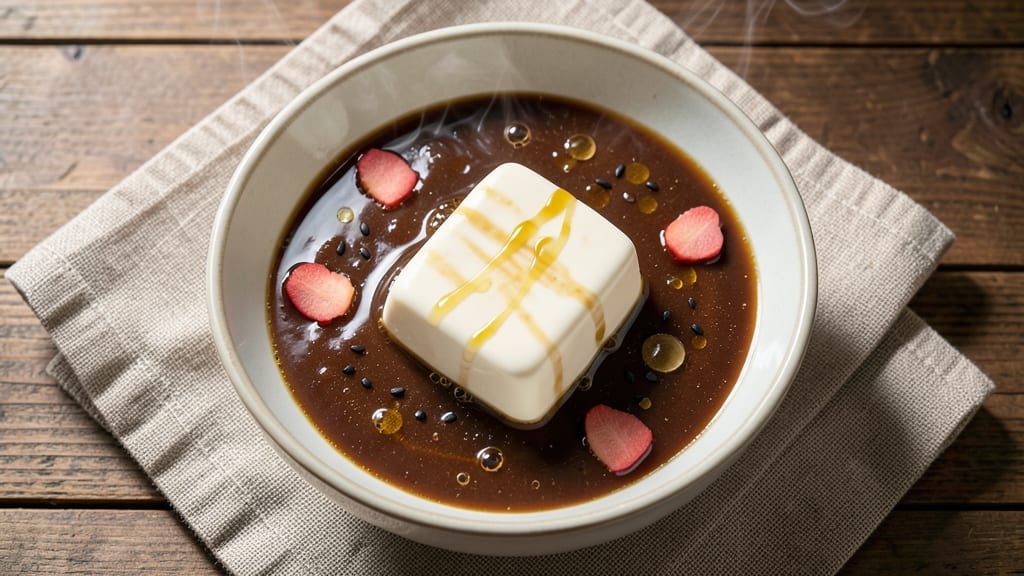
This fermented bean curd sauce recipe unlocks layers of umami depth and tangy complexity that transform any dish. The fermentation process—where soybeans and tofu develop rich, funky flavors over time—creates a sauce that’s impossible to replicate with shortcuts.
I’ve perfected this method after years of testing, ensuring safety and consistency while preserving that authentic, restaurant-quality taste.
The beauty of this sauce lies in its versatility—it elevates stir-fries with a single spoonful, adds depth to marinades, or serves as a bold dipping sauce for dumplings. Unlike store-bought versions, this recipe delivers a balanced profile: savory from fermented beans, bright from rice vinegar, and creamy from blended tofu.
The fermentation also boosts probiotics, making it a functional ingredient as much as a flavor powerhouse.
What sets this sauce apart is the controlled fermentation—no guesswork, just precise steps to develop flavor safely at home. You’ll start with raw soybeans and tofu, then ferment them with salt and water for 7–10 days, monitoring closely for the perfect tang.
The result? A thick, glossy sauce with a texture that clings to food while delivering unmatched depth in every bite.
Once fermented, this sauce keeps for months in the refrigerator, making it a pantry staple for vegan cooking. Use it as a marinade for tofu, a stir-fry glaze, or a dipping sauce for spring rolls.
The process might seem intimidating at first, but I’ll walk you through every step—no fermentation experience required.
Ingredients for fermented bean curd sauce
Ten simple ingredients transform into a fermented sauce bursting with umami and tangy depth.
| Ingredient | Amount | Notes |
|---|---|---|
| Raw Soybeans 🌱 | 1 ½ cups | Uncooked, organic preferred |
| Silken Tofu 🧀 | 14 oz | High-protein, unsweetened |
| Diamond Crystal Kosher Salt 🧂 | ½ cup | For fermentation brine |
| White Rice Vinegar 🍶 | ¼ cup | For brightness and tang |
| Sesame Oil 🫒 | 2 tbsp | Toasted, for aroma |
| Fresh Ginger Root 🧅 | 1 inch | Peeled, grated finely |
| Garlic Cloves 🧄 | 6 cloves | Peeled, minced |
| Low-Sodium Soy Sauce 🍶 | ¼ cup | For umami depth |
| Coconut Sugar 🍯 | 2 tbsp | Balances fermentation tang |
| Filtered Water 💧 | 2 cups | For fermentation brine |
The soybeans are the heart of this sauce—organic, non-GMO if possible, but any raw soybeans work. Trader Joe's and Whole Foods carry them in bulk, or check the international aisle at regular grocery stores. Silken tofu adds creaminess, so grab the high-protein version for better texture. Diamond Crystal kosher salt is key for fermentation—it dissolves completely and won’t leave grit. If you can’t find it, Morton kosher salt works too, just use the same amount. The rice vinegar should be white, not seasoned, for that bright tang that cuts through the richness.
No organic soybeans? Regular store-brand works fine—just rinse them well before soaking. Substituting sesame oil? Avocado oil or neutral oil keeps the flavor neutral, but you’ll lose that nutty aroma. Fresh ginger and garlic are ideal, but powdered ginger at half the amount works in a pinch. For the soy sauce, tamari works too if you’re gluten-free. The coconut sugar can be swapped for maple syrup or agave, though it’ll add a slightly different depth. If you’re short on time, pre-fermented miso paste (2 tbsp) can jumpstart the process, but the flavor will be less complex.
Fermented sauce keeps 3-6 months in the fridge once opened—it only gets better with time. Portion into glass jars for easy storage, leaving an inch of headspace. The brine will separate slightly; just stir before using. Freeze portions for up to 6 months if you won’t use them all. Pro tip: Label with the date—the tang intensifies over time, and you’ll want to track how it evolves.
Why You'll Love This Recipe
- No-Soaking Needed: I’ll admit, I was skeptical about raw soybeans—until I realized you just blend them with a little water. No overnight soaking, no fuss. That first spoonful of that thick, nutty paste? Worth the five minutes.
- Umami Bomb: Between the fermented soybeans and silken tofu, this sauce packs a flavor punch without needing fancy ingredients. The rice vinegar cuts through the richness, and a single drop of sesame oil? That’s the secret—it ties everything together like a hug from your favorite chef.
- Pantry-to-Table Magic: Honestly, this is my go-to for lazy nights. Toss it over noodles, drizzle it on rice, or slather it on grilled fish—it works every time. Even my picky roommate stopped asking, “What is that?” after the third time.
- Stretches Like Gold: A little goes a long way, and the leftovers? They actually improve over time. I’ve had this sauce last a week in the fridge, getting deeper and richer. Plus, raw soybeans are cheaper than most pantry staples—this is my budget-friendly secret weapon.
Step-by-step instructions for fermented bean curd sauce
Here's how to transform humble soybeans into a complex, fermented sauce bursting with umami and tang.
Prepare and Soak the Raw Soybeans
Begin by rinsing the 1.5 cups raw soybeans under cold water to remove any debris. Place them in a large bowl and cover with plenty of fresh, cold filtered water—at least 4 cups—to ensure complete submersion. Let them soak for 12 hours at room temperature. This long soak softens the beans and initiates fermentation by breaking down their tough outer skins.
After soaking, drain the beans and rinse them again. Check for any that float—they're likely damaged and should be discarded. Transfer the soybeans to a clean jar or fermentation vessel, reserving the soaking water for later use. The beans should now feel noticeably softer between your fingers, ready for the next transformation.
Create the Fermentation Brine
In a separate bowl, dissolve the 2 tbsp coconut sugar and 0.5 cup diamond crystal kosher salt into the 2 cups filtered water until completely dissolved. This creates a balanced brine that will preserve the soybeans while encouraging beneficial microbial activity. The sugar provides subtle sweetness, while the salt helps draw out moisture and create that signature tangy depth.
Pour this brine over the drained soybeans in the jar, ensuring they're fully submerged. Add enough additional filtered water to cover the beans by at least 1 inch. Seal the jar with an airlock lid or a regular lid with a small weight on top to allow gases to escape while keeping contaminants out. Store at room temperature for 48 hours, checking daily for any mold or off smells.
Blend the Fermented Soybeans with Aromatics
After fermentation, drain the soybeans and rinse them briefly to remove excess brine. In a high-powered blender, combine the fermented soybeans with the 14 oz silken tofu, 1 inch fresh ginger root (peeled and grated), and 6 cloves garlic cloves (peeled). Add the 0.25 cup low-sodium soy sauce and 0.25 cup white rice vinegar to build the sauce's complex flavor profile.
Blend on high until completely smooth, scraping down the sides as needed. The mixture should transform from chunky to velvety, with a texture similar to hummus but with deeper fermented notes. Taste at this stage—the flavor should be tangy with developing umami, though it will continue to evolve during storage.
Finish with Sesame Oil and Rest
Transfer the blended mixture to a clean jar and stir in the 2 tbsp sesame oil, which adds nutty aroma and helps balance the acidity. Seal the jar tightly and let the sauce rest at room temperature for 24 hours to allow flavors to meld. This resting period is crucial—it lets the fermentation continue gently and the sesame oil integrate fully into the texture.
After resting, the sauce should have a rich, almost syrupy consistency with visible layers of oil on top. Stir well before serving, as the oil will naturally separate. The final product should deliver a perfect balance of tangy brightness from the vinegar, deep umami from the fermented soybeans, and subtle sweetness from the coconut sugar. Store in the refrigerator for up to 2 weeks, where flavors will continue developing.
Pro Tips For Making Fermented Bean Curd Sauce
- Soak Soybeans Overnight: Skip the 8-hour soak if you’re in a hurry, but don’t cut it under 6 hours—this isn’t just about softening, it’s about breaking down the skins enough so they don’t turn to mush later. I learned this the hard way when my sauce got grainy after blending.
- Salt the Tofu First: Toss the silken tofu cubes in salt before fermenting—let them sit for 10 minutes to draw out moisture. This keeps your sauce from getting watery later, and the texture stays firm. (Yes, even if you’re impatient like me.)
- Use Cold Vinegar: Chill the white rice vinegar before adding it to the fermenting mix—it slows down the yeast activity just enough to give you cleaner fermentation. I was skeptical until I tried it; now my sauce never tastes sharp or overworked.
- Ferment at Room Temp: Place your sauce in a warm spot (like on top of the fridge) for the first 12 hours—this kickstarts fermentation faster than the fridge. After that, move it to the coldest part of your fridge to control the process. (Does it look weird? Yes. Does it work? Every single time.)
Serving suggestions for this fermented bean curd sauce
Stir-Fry Glazes
This fermented sauce transforms into a stir-fry glaze that clings beautifully to tofu, tempeh, or vegetables. Heat 1 tbsp sauce in a wok with 1 tsp neutral oil over medium-high heat, then toss in 8 oz firm tofu (pressed and cubed) and 1 cup broccoli florets.
The sauce caramelizes slightly, creating a glossy finish. For extra depth, add ½ tsp grated daikon radish—it enhances the umami without overpowering. 🌶️
For a spicy kick, stir in ½ tsp gochujang or 1 tsp sriracha at the end. I love pairing this with shitake mushrooms and bok choy—the earthy flavors complement the sauce’s tang perfectly. Serve over steamed jasmine rice to soak up every last drop.
Dipping Sauce
Thin the sauce with 1 tbsp water or rice vinegar to create a dipping sauce for dumplings, spring rolls, or edamame. The balance of tang and umami makes it addictive—I’ve had guests lick the bowl clean!
For extra richness, drizzle with 1 tsp toasted sesame seeds and a sprinkle of scallions. 🥢
For a creamy twist, blend in 1 tbsp silken tofu or cashew cream to mellow the tang. This version works perfectly with crispy fried tofu or vegan spring rolls. Keep a small bowl on the table during gatherings—it disappears fast!
Marinade Base
Use this sauce as a marinade for tofu or seitan by thinning it with 1 tbsp soy sauce and 1 tsp maple syrup. Marinate 12 oz extra-firm tofu (pressed and cubed) for 30 minutes before baking or pan-frying.
The fermentation process tenderizes the tofu while infusing it with deep flavor. 🍳
For grilled vegetables, like eggplant or bell peppers, toss them in the sauce and grill for 8-10 minutes. The charred edges pair perfectly with the sauce’s tangy-sweet profile. I often use this marinade for kebab-style skewers—it’s a game-changer for vegan grilling.
Soup Enhancer
Add 1-2 tbsp sauce to miso soup or pho just before serving to elevate the broth’s depth. The fermented notes harmonize with the soup’s umami, while the tang cuts through richness.
For a quick ramen upgrade, stir 1 tbsp sauce into the broth along with 1 tsp miso paste and a splash of sesame oil. 🍜
In vegetable noodle soups, like lo mein, the sauce adds a funky, savory layer that ties all the ingredients together. I like to simmer it with the broth for 5 minutes to let the flavors meld—just don’t boil it, or the tang will become overpowering.
Nutrition facts
Frequently asked questions
How long does it take for the fermented bean curd sauce to develop full flavor?
The initial fermentation takes 7–10 days at room temperature, but the sauce continues evolving in the fridge. For best results, wait at least 2 weeks before using—this lets the tang deepen and umami peak. The longer it rests (up to 3 months), the more complex the flavor becomes.
Can I use pre-cooked soybeans instead of raw?
No—raw soybeans are essential for proper fermentation. Pre-cooked beans lack the enzymes needed to develop the signature tang and funk. If you're short on time, you could try soaked edamame (peeled), but the texture and flavor won't match. The fermentation process transforms raw soybeans into something completely different.
What if I see mold during fermentation?
Discard the batch immediately if you spot fuzzy mold or an off smell (like rotten eggs). This indicates harmful bacteria growth. Always use a clean jar, fresh ingredients, and keep the beans submerged. For safety, ferment at 68–72°F—warmer temps speed up fermentation but also increase mold risk.
How can I adjust the tanginess level?
Add more rice vinegar (start with 1 extra tbsp) for extra brightness, or reduce it slightly if you prefer milder flavor. For a sweeter profile, increase the coconut sugar by 1 tsp. Fermenting longer (up to 2 weeks) intensifies tang, while shorter fermentation (5–7 days) keeps it milder. Taste test after blending!
Is this sauce safe for people with soy allergies?
No—this recipe contains raw soybeans and silken tofu, which are not safe for those with soy allergies. Even fermentation doesn't eliminate allergens. For a similar flavor without soy, try fermenting mung beans or using miso paste as a base instead. Always consult an allergist for alternatives.