
Side Dishes
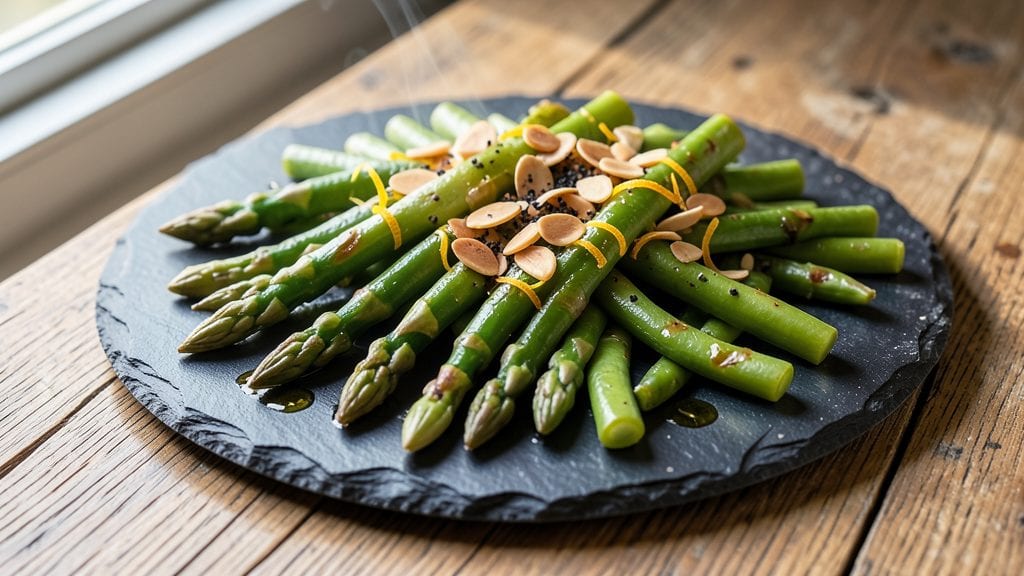
This green beans and asparagus recipe transforms simple vegetables into a restaurant-worthy side with crispy edges and nutty garlic crunch. The secret lies in high-heat blistering, which caramelizes the natural sugars while keeping the centers tender.
I developed this method after struggling to find a vegetarian dish that could stand up to meat-heavy meals—until I discovered the magic of garlic-infused olive oil and toasted almonds.
What makes this recipe special is its balance of textures and flavors: crispy blistered greens contrast with creamy almond crunch, while garlic and lemon brighten every bite. With just 20 minutes of active prep and 15 minutes of cooking, it’s perfect for weeknight dinners or holiday tables.
The dish works equally well as a side or light vegetarian main, especially when paired with grilled chicken or quinoa.
By the end, you’ll have vibrant green beans and asparagus with golden-brown edges, tossed in a garlicky, nutty sauce that clings perfectly. The almonds add a satisfying crunch, while lemon zest lifts the dish without overpowering the natural flavors.
This is the kind of side that turns a simple meal into something memorable—foolproof and full of depth.
Use this recipe as a standalone vegetarian dish or alongside proteins like shrimp, tofu, or grilled fish. The method scales easily, so double the batch for gatherings. Here’s how to make it shine.
Ingredients for green beans and asparagus
Twelve ingredients, two vibrant vegetables, and one transformative technique—blistered greens with nutty garlic crunch await.
| Ingredient | Amount | Notes |
|---|---|---|
| Fresh Green Beans 🌱 | 1 ½ lb | Trimmed, evenly cut into 2-inch pieces |
| Asparagus Spears 🌿 | 1 lb | Woody ends trimmed, spears halved lengthwise |
| Extra-Virgin Olive Oil 🫒 | ½ cup | High-quality, fruity variety for infusion |
| Garlic Cloves 🧄 | 8 cloves | Thinly sliced, skin removed |
| Slivered Almonds 🥜 | ½ cup | Toasted until golden, skin-on preferred |
| Lemon Zest 🍋 | 1 tbsp | Freshly grated, organic preferred |
| Lemon Juice 🍋 | 1 tbsp | Freshly squeezed, seedless |
| Diamond Crystal Kosher Salt 🧂 | 1 ½ tsp | Fine grain for even distribution |
| Freshly Ground Black Pepper 🌶️ | ½ tsp | Coarsely ground for texture |
| Vegetable Broth 💧 | ¼ cup | Low-sodium, homemade or quality brand |
| Fresh Thyme Leaves 🌿 | ¼ tsp | Finely chopped, stems removed |
| Toasted Sesame Oil 🫒 | 1 tsp | For finishing, aromatic depth |
| Crumbled Feta Cheese 🧀 | ¼ cup | High-quality, crumbled by hand |
The quality of your green beans and asparagus is non-negotiable here. Local farmers markets or specialty grocers like Whole Foods Market carry the freshest, most tender varieties—look for bright green beans with crisp stems and asparagus spears that snap easily. If using store-bought, Trader Joe's or Harris Teeter organic selections consistently deliver. For the almonds, skin-on slivered almonds toast to a deeper golden hue, adding visual appeal. Toast them in a dry skillet over medium heat until fragrant—about 3-4 minutes—then set aside. The garlic should be freshly sliced just before cooking to preserve its aromatic oils, which infuse the olive oil during the blistering process.
No slivered almonds? Toasted pine nuts or walnuts work beautifully, though the texture will differ slightly. Substituting dried thyme for fresh? Use one-third the amount—dried herbs are more concentrated. Short on vegetable broth? Water with an extra pinch of salt suffices, though the depth of flavor will be less complex. For the feta, vegetarian-friendly brands like Feta Breeze or BelGioioso melt beautifully and add a tangy contrast. If avoiding dairy entirely, nutritional yeast sprinkled at the end provides a similar umami punch. The sesame oil is optional but recommended—its nutty aroma complements the garlic and almonds perfectly.
This dish shines when made fresh, but components can be prepped ahead for convenience. The almonds and garlic-infused oil keep for up to 1 week in an airtight container in the fridge, while the blistered vegetables are best served immediately for maximum crispness. Store any leftovers in a sealed container for 2-3 days, though the texture will soften slightly. For gatherings, double the batch—this recipe scales effortlessly. Reheat gently in a skillet over low heat with a splash of water to maintain moisture, or serve at room temperature for a vibrant, no-reheat side dish.
Why You'll Love This Recipe
- One-Pan Magic: I swear by this recipe when I’m too tired to scrub pots—just toss everything on a sheet pan, drizzle with olive oil, and let the oven do the work. The asparagus and green beans roast together until crisp-tender, with those almonds adding crunch without extra effort.
- Garlic-Glazed Bliss: That moment when the garlic softens just enough to caramelize? Pure satisfaction. The olive oil pulls all the flavors together—savory, nutty, with a hint of sweetness from the roasted veggies. (Yes, even on a Tuesday night.)
- Meal Prep MVP: Between us, this is my go-to for lunches all week. The flavors actually improve after a day in the fridge—more concentrated, still vibrant. Pack it cold or reheat it, and it’s always a hit. (My daughter picks out the almonds first, but still asks for seconds.)
- Budget Brightener: Fresh green beans and asparagus might sound fancy, but they’re surprisingly affordable this way. Skip the pre-cut shortcuts—just trim the ends and roast—and you’ll save cash while still feeling like you’re serving something special. Plus, the almonds stretch the portion without breaking the bank.
Step-by-step instructions for blistered green beans and asparagus
Master this technique for restaurant-quality blistered greens with crisp edges and vibrant flavors.
Prepare the Vegetables for Perfect Blistering
Trim the tough ends from the asparagus spears and halve them lengthwise, discarding any woody bases. For the fresh green beans, trim the ends and cut them into even 2-inch pieces. Spread both vegetables on separate baking sheets and toss lightly with 1 teaspoon of the extra-virgin olive oil. This pre-coating ensures even browning and prevents sticking during the high-heat sear.
Pat the vegetables dry with paper towels—moisture is the enemy of crisp edges. Arrange them in a single layer on the baking sheets, leaving space between each piece. This allows hot air to circulate, creating those signature blistered spots. For best results, let them sit at room temperature for 15 minutes before cooking, which promotes even heat distribution.
Sear the Vegetables Until Blistered and Charred
Heat a large cast-iron skillet over medium-high heat until it's smoking hot. Add the remaining 0.4 cup extra-virgin olive oil and swirl to coat the pan evenly. Working in batches to avoid crowding, add the green beans and asparagus to the skillet. Let them sear undisturbed for 3-4 minutes until the edges begin to blister and turn golden brown.
Use tongs to carefully flip the vegetables, pressing down gently to ensure even contact with the pan. Cook for another 2-3 minutes until both the green beans and asparagus develop deep char marks and crisp edges. The key here is patience—rushing will result in steamed vegetables instead of blistered perfection. Remove the vegetables to a plate and set aside, keeping them warm.
Build the Garlic-Almond Sauce
In the same skillet, reduce the heat to medium and add the 8 cloves of thinly sliced garlic. Sauté for 30 seconds until fragrant but not browned—this prevents bitterness. Immediately add the 0.5 cup slivered almonds and toast for 1-2 minutes until golden and nutty. Stir in the 0.25 cup vegetable broth, scraping up any browned bits from the bottom of the pan to create a rich, flavorful base.
Add the 0.25 tsp finely chopped fresh thyme leaves and cook for another 30 seconds, allowing the thyme to infuse the sauce with its earthy aroma. Remove the skillet from heat and stir in the 1 tbsp lemon zest and 1 tbsp lemon juice, along with the 0.5 tsp freshly ground black pepper. This brightens the sauce and balances the richness of the almonds and garlic.
Finish with Feta and Sesame Oil
Return the blistered green beans and asparagus to the skillet, tossing gently to coat them in the garlic-almond sauce. Sprinkle the 0.25 cup crumbled feta cheese evenly over the top and drizzle with the 1 tsp toasted sesame oil. The sesame oil adds a delicate nutty aroma and ties all the flavors together. Let the mixture sit for 1 minute to allow the feta to soften slightly and meld with the other ingredients.
Taste and adjust seasoning with additional diamond crystal kosher salt if needed. The dish should be perfectly balanced—savory from the garlic and almonds, bright from the lemon, and creamy from the feta. Serve immediately while the vegetables are still blistered and the sauce is warm, garnished with an extra sprinkle of fresh thyme leaves for a touch of elegance.
Pro Tips For Making Green Beans And Asparagus
- Trim Asparagus Properly: Snap the woody ends by bending each spear until it cracks—don’t cut. I learned this the hard way when I sliced them all and ended up with a pile of useless scraps instead of clean, usable stems. The break point is where you want to start cooking.
- Cook in Two Batches: Crowding the pan steams the veggies instead of searing them. Start with half the green beans and asparagus in a hot skillet, then add the rest once they’ve developed color and space opens up. Trust me, your kitchen will smell like spring in no time.
- Toast Almonds Separately: Slivered almonds burn faster than you’d think. Dry them in a separate pan over medium heat for 2–3 minutes until fragrant, then toss them into the finished dish. This keeps them crisp and prevents the garlic from turning bitter.
- Finish with Lemon Zest: A quick grating of lemon zest at the end brightens the whole dish—no juice needed. I was skeptical until I tried it, and now it’s non-negotiable. The acid cuts through the richness of the olive oil and garlic, making every bite taste fresh.
Dietary considerations for this green beans and asparagus
Vegetarian-Friendly Base
This recipe is naturally vegetarian, relying on plant-based ingredients like green beans, asparagus, and almonds for protein and texture. The feta cheese adds a creamy element, but you can easily substitute vegan feta like Violife or Follow Your Heart for a dairy-free version.
The dish is also gluten-free by default, making it safe for those with celiac disease or gluten sensitivities. 🌱
Nut-Free Adaptations
For nut-free diets, swap the slivered almonds with toasted pumpkin seeds or crispy chickpeas for crunch. Pumpkin seeds toast beautifully in 2-3 minutes over medium heat, adding a subtle earthy flavor.
If avoiding seeds entirely, increase the sesame oil to 1.5 tsp for extra nutty depth without nuts. Always check seed labels for cross-contamination warnings if allergies are severe.
Low-Carb Options
This dish is already low in carbs, with only 8 grams net carbs per serving (without feta). For even fewer carbs, omit the feta entirely and boost flavor with an extra ½ tsp of toasted sesame oil and 1 tbsp lemon zest.
The almonds contribute 3 grams fiber per serving, balancing any minimal carb content. Pair with a cauliflower rice side to keep meals under 10 grams net carbs total.
Protein Boosts
To increase protein content, stir in ½ cup cooked quinoa or ½ cup crumbled tofu (pressed and pan-fried) into the finished dish. Quinoa adds 4 grams protein per ½ cup while maintaining the dish’s texture.
For a savory twist, sprinkle with 1 tbsp nutritional yeast after cooking—it adds 2 grams protein and a cheesy umami flavor without dairy. 💪
Allergen-Friendly Swaps
Watch for potential allergens: the sesame oil and almonds are the primary concerns. For sesame-free versions, use avocado oil instead of sesame oil. If avoiding all nuts/seeds, replace almonds with crispy fried shallots (sautéed in 1 tbsp olive oil until golden).
Always verify ingredient labels, as cross-contamination is common in shared facilities.
Kid-Friendly Adjustments
Make this dish more appealing to kids by reducing the garlic to 4 cloves and omitting the sesame oil. Sweeten the lemon juice slightly with ½ tsp honey (optional) and serve with a side of buttered noodles or rice cakes.
The crispy texture from the blistered edges often wins over picky eaters—just call it "crunchy green magic beans" to spark curiosity. 🥕
Nutrition facts
Frequently asked questions
Why do the green beans and asparagus need to blister?
Blistering creates those signature crispy edges that add texture and depth of flavor. The high heat caramelizes natural sugars in the vegetables, giving them a smoky, slightly charred taste while keeping the centers tender. This technique transforms simple greens into something restaurant-worthy.
Can I use frozen green beans and asparagus instead of fresh?
Fresh is ideal for this recipe, but you can use frozen if needed. Thaw and pat completely dry before cooking, then increase the cooking time by 1-2 minutes per side to ensure proper blistering. The texture won't be quite as crisp, but it'll still taste delicious.
How do I prevent the vegetables from sticking to the pan?
Use a well-seasoned cast-iron skillet and ensure your vegetables are completely dry before cooking. Add the oil when the pan is smoking hot, then work in batches to avoid crowding. A light toss with tongs helps distribute the oil evenly.
What if I don't have slivered almonds?
Toasted pine nuts, walnuts, or even pumpkin seeds make great substitutes. For a nut-free option, try crispy chickpeas or increase the sesame oil to 1.5 tsp for nutty depth. Just adjust the toasting time—pine nuts cook in 1-2 minutes while walnuts need 3-4 minutes for proper browning.
Can I make this dish ahead of time?
The blistered vegetables are best served immediately for maximum crispness, but you can prep components ahead. Toast the almonds and make the garlic-infused oil up to 1 week in advance. Store separately and assemble just before serving. For leftovers, reheat gently in a skillet with a splash of water to maintain texture.