
Side Dishes
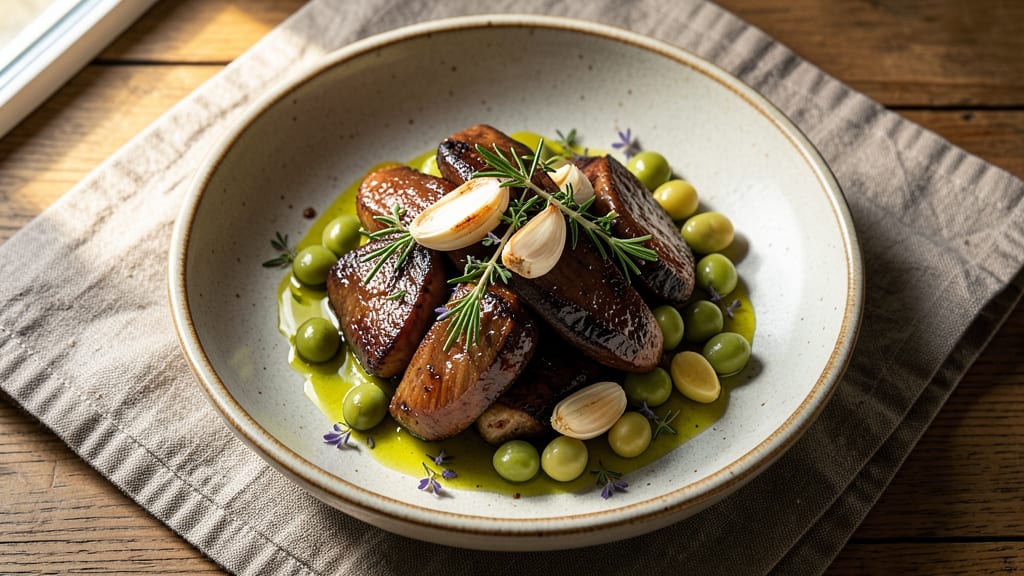
This liver and fava beans recipe transforms a classic Mediterranean dish into a one-pan masterpiece that balances earthy richness with bright herbaceousness. The secret lies in properly searing the liver—just until pink inside—to maintain its tender texture while letting the fava beans develop their natural sweetness through gentle cooking.
I first discovered this technique while studying traditional Italian recipes, where the contrast between the liver's savory depth and the beans' delicate crunch creates an unforgettable bite.
The beauty of this dish is its simplicity: five core ingredients come together in 20 minutes of active cooking time, with minimal cleanup. The liver absorbs Mediterranean herbs like rosemary and thyme during searing, while the fava beans simmer in garlic-infused olive oil until tender-crisp.
What makes this recipe stand out is the balance—no overpowering flavors, just a harmonious union of textures and aromas that feels both rustic and refined.
By the time you plate it, you'll have a dish that's golden-brown at the edges, with fava beans that hold their shape yet yield slightly under pressure. The liver stays juicy and warm, while the beans release their buttery sweetness with every bite.
This is the kind of recipe that elevates simple weeknight dinners into something special—without requiring advanced techniques or hours in the kitchen.
Serve alongside crusty bread to soak up the pan juices or pair with a crisp white wine to complement the dish's herbal brightness. The method scales easily for larger gatherings, making it equally perfect for intimate meals or shared plates.
Let's bring this Mediterranean classic to your table with professional precision and home-cooked warmth.
Ingredients for liver and fava beans
Five core ingredients transform into Mediterranean elegance with minimal effort.
| Ingredient | Amount | Notes |
|---|---|---|
| Chicken Liver 🍗 | 1 lb | Fresh, trimmed of connective tissue |
| Fresh Fava Beans 🌾 | 1 ½ cups | Shell-on, trimmed of pods |
| Extra-Virgin Olive Oil 🫒 | ½ cup | High-quality, fruity variety |
| Garlic Cloves 🧄 | 4 cloves | Fresh, thinly sliced |
| Fresh Rosemary 🌿 | ¼ cup | Finely chopped, stems removed |
| Fresh Thyme 🌿 | ¼ cup | Leaves only, finely chopped |
| Diamond Crystal Kosher Salt 🧂 | 1 ½ tsp | Fine grain preferred |
| Freshly Ground Black Pepper 🌶️ | ½ tsp | Coarsely ground |
| Lemon Zest 🍋 | 1 tbsp | From 1 organic lemon |
| Crusty Bread 🍞 | 4 slices | For serving, optional |
The chicken liver demands freshness—look for vibrant, moist livers at specialty butchers or well-stocked markets like Whole Foods. Avoid any with grayish edges or strong ammonia scent. Fava beans should be bright green and firm; if using frozen, thaw completely but don't soak. The extra-virgin olive oil should have distinct peppery notes—California olive ranches or Italian DOP oils work best. For rosemary and thyme, organic herb farms provide the most aromatic leaves, or use dried at one-third the amount if fresh isn't available.
No fresh rosemary? Dried rosemary at one-third the quantity, but toast it first in a dry pan for 30 seconds to release oils. Substitute thyme with oregano or marjoram if needed. For the olive oil, avocado oil works in a pinch though lacks fruity depth. The lemon zest can be replaced with bottled lemon juice, but fresh zest adds bright aromatic complexity. If using frozen fava beans, blanch them 30 seconds before cooking to maintain texture. For the liver, duck liver works equally well but requires slightly longer cooking.
Fresh herbs keep 3-4 days wrapped in damp paper towels in the fridge. The cooked liver and beans reheat beautifully—5 minutes in a skillet with extra olive oil restores their golden edges. Store leftovers in an airtight container for up to 2 days. For meal prep, portion the beans and liver separately—they reheat better individually. The crusty bread, if using, should be stale or lightly toasted to prevent sogginess when soaking up pan juices.
Why You'll Love This Recipe
- One-Pan Magic: I swear by this recipe when I’m too tired to scrub pots—just sear the livers in olive oil, toss in the favas and garlic, and let the rosemary work its magic. Fifteen minutes later, you’re done.
- Rich & Earthy: The livers get tender and caramelized, while the favas stay buttery inside their pods—crispy edges, creamy centers. That garlic-rosemary oil? It’s the kind of flavor that makes you pause mid-bite.
- Budget Feast: Honestly, this feeds four for under $10, and the leftovers reheat like a dream. I’ve served it at picnics, potlucks, and even my in-laws’ house—no one ever guesses how cheap it was.
- Spring’s Secret Weapon: Between us, this is my go-to when fresh favas hit the market. Quick enough for weeknights, hearty enough for company, and it turns something simple into a dish that feels special.
Step-by-step instructions for liver and fava beans with Mediterranean herbs
This one-pan technique balances rich liver with bright fava beans using precise timing and aromatic herbs.
Prepare the Fava Beans and Chicken Liver
Begin by trimming the pods from the 1.5 cups fresh fava beans, leaving the shelled beans intact. Rinse them thoroughly under cold water to remove any residual pod fibers. In a separate bowl, pat the 1 lb chicken liver completely dry with paper towels, removing any connective tissue or silver skin - this ensures a clean texture.
While preparing the ingredients, finely chop the 0.25 cup fresh rosemary and 0.25 cup fresh thyme leaves separately, removing all stems. Thinly slice the 4 cloves garlic cloves. The lemon zest from 1 organic lemon should be finely grated using a microplane. These fresh herbs and citrus will provide the signature Mediterranean brightness that balances the richness of the liver.
Sear the Chicken Liver
Heat 0.25 cup of the extra-virgin olive oil in a large, heavy skillet over medium-high heat until shimmering but not smoking. Working in batches if needed, add the chicken liver in a single layer, ensuring they don't overcrowd the pan. Sear for 2-3 minutes per side until the exterior develops a deep golden-brown crust and the internal temperature reaches 135°F when measured with an instant-read thermometer.
Remove the liver from the skillet and set aside on a plate. The liver should be cooked to medium doneness at this stage - it will continue carrying slightly when resting. Keep the rendered liver fat in the pan as it will form the flavorful base for the fava beans.
Cook the Fava Beans in Herbed Olive Oil
To the same skillet, add the remaining 0.25 cup extra-virgin olive oil and increase heat to medium. Add the sliced garlic cloves and cook for 30 seconds until fragrant but not browned. Immediately add the prepared fava beans, 1.5 tsp diamond crystal kosher salt, and 0.5 tsp freshly ground black pepper. Stir gently to combine.
Cook the fava beans for 5-6 minutes, stirring occasionally, until they begin to soften slightly at the edges but remain firm in the center. Sprinkle the chopped rosemary and thyme over the beans and stir to distribute evenly. The beans should absorb the aromatic oils while maintaining their vibrant green color - this indicates they're cooking properly without overcooking.
Finish with Lemon and Combine
Return the seared chicken liver to the skillet with the fava beans. Reduce heat to low and sprinkle the lemon zest evenly over the top. Gently toss everything together for 1-2 minutes until the liver is heated through and the lemon zest releases its bright citrus aroma. The final dish should have a harmonious balance of rich liver, tender fava beans, and vibrant herb-citrus notes.
Taste and adjust seasoning if needed, adding a pinch more salt or a squeeze of fresh lemon juice if desired. Serve immediately with 4 slices crusty bread for dipping, allowing guests to enjoy the warm, aromatic combination while it's at its peak flavor and texture.
Pro Tips For Making Liver And Fava Beans
- Sear Livers Fast: DESCRIPTION: High heat is your friend here—get that pan screaming hot before adding the livers. They’ll cook in 1-2 minutes per side, and that quick sear keeps them tender instead of turning to rubber. I learned this the hard way when I let them sit too long, and suddenly I had liver jerky instead of a silky dish.
- Shell Fava Beans Properly: DESCRIPTION: Fresh fava beans need a good soak (10 minutes in cold water) and a firm rub between your palms to loosen the skins—don’t just rinse them. The skins stay stubborn; my grandmother swore by this, and she was right: skipping it makes the dish look messy and taste dull.
- Salt Livers Mid-Cook: DESCRIPTION: Season the livers after they’ve browned but before they finish cooking. Salt draws out moisture, and if you add it too early, they’ll release juices that turn to steam instead of crisping. A pinch of salt halfway through guarantees a better crust without drying them out.
- Toast Garlic Low: DESCRIPTION: Sauté the garlic after the livers come out of the pan—just 30 seconds on low heat until fragrant. High heat burns it fast, and nothing kills the flavor like bitter garlic. Sounds weird, but it works: the livers stay the star, and the garlic shines without overpowering.
Creative variations of this dish
Mediterranean White Bean Swap
Replace the fava beans with 1.5 cups cannellini beans (drained and rinsed) for a creamier texture that still holds its shape. Use the same cooking time but reduce salt by ½ tsp since cannellini beans are naturally saltier.
Add 1 bay leaf to the olive oil while sautéing the garlic for deeper herbal notes. This variation works especially well with duck liver instead of chicken liver for richer flavor. 🌿
Spicy North African Twist
Infuse the dish with 1 tbsp harissa paste (like Bella brand) when cooking the fava beans, along with ½ tsp ground cumin. Add 1 diced jalapeño with the garlic for heat, and finish with 1 tbsp chopped cilantro instead of rosemary.
Serve with warm flatbread and a side of spicy yogurt sauce for dipping. This version transforms the dish into a bold Moroccan-inspired one-pan meal. 🌶️
Spring Vegetable Fusion
Add 1 cup sliced asparagus and ½ cup cherry tomatoes (halved) to the skillet with the fava beans during the final 2 minutes of cooking. The asparagus should blister slightly while the tomatoes soften.
Garnish with ¼ cup toasted pine nuts and a drizzle of balsamic glaze for a spring-inspired twist. This version works beautifully as a vegetarian-friendly side if you omit the liver. 🌱
Italian-Style Pan Sauce
After removing the liver, deglaze the pan with ¼ cup dry white wine (like Pinot Grigio) and 1 tbsp chicken stock. Return the liver and beans to the pan, then simmer for 3 minutes until the sauce reduces to a glossy consistency.
Finish with 1 tbsp butter and 1 tbsp chopped parsley for a luxurious restaurant-style sauce. This technique adds 30 seconds of extra effort but elevates the dish dramatically. 🍷
Meatball-Inspired Protein Boost
Mix ½ lb ground lamb with 1 egg, 2 tbsp breadcrumbs, 1 tsp dried oregano, and ½ tsp cinnamon. Form into 8 small meatballs and brown them in the same skillet after searing the liver.
Add them to the fava beans during the final 2 minutes of cooking. This version turns the dish into a one-pan Mediterranean feast with multiple textures. 🥘
Citrus-Herb Crust
Before serving, transfer the liver and beans to a baking dish. Top with a mixture of 2 tbsp crumbled feta cheese, 1 tbsp chopped mint, and 1 tsp lemon juice. Broil for 2-3 minutes until the cheese melts and forms a golden crust.
This technique adds crunchy texture contrast while intensifying the herbal flavors. Perfect for serving as a shared appetizer platter. 🔥
Nutrition facts
Frequently asked questions
Can I use frozen fava beans instead of fresh?
Yes, but with one key adjustment: thaw frozen fava beans completely first, then blanch them in boiling water for 30 seconds to maintain their texture. Fresh beans have a slightly firmer bite, but properly thawed frozen beans work well in this recipe. Never skip the blanching step—it prevents the beans from turning mushy during cooking.
Why does the liver need to be cooked to only 135°F?
Chicken liver cooks extremely fast and becomes rubbery when overdone. 135°F ensures it's safe to eat while staying tender and juicy. The residual heat will carry it to 145°F when resting, reaching the USDA safe minimum. Overcooking by even 5 seconds can turn it dry—this recipe's secret is precise timing.
What's the best way to store leftovers?
Transfer the cooked liver and beans to an airtight container and refrigerate for up to 2 days. Reheat gently in a skillet with 1 tablespoon olive oil over low heat for 3-4 minutes to restore their crisp edges. Store components separately—the beans reheat better without the liver, which can dry out if overhandled.
Can I make this dish ahead of time?
Partial prep works best: trim the fava beans and chop herbs up to 1 day ahead, storing them in sealed containers. The liver should be seared fresh day-of to maintain texture. For a complete make-ahead version, cook the beans fully, cool them, then reheat with fresh seared liver before serving.
What's the secret to balancing the flavors?
The magic lies in the lemon zest and fresh herbs—don't skip them! The citrus brightens the rich liver while rosemary and thyme add earthy depth. For extra harmony, add a pinch of smoked paprika when cooking the beans. The key is freshness: use the most aromatic herbs you can find, and always zest fresh lemon rather than using bottled juice.