
Side Dishes
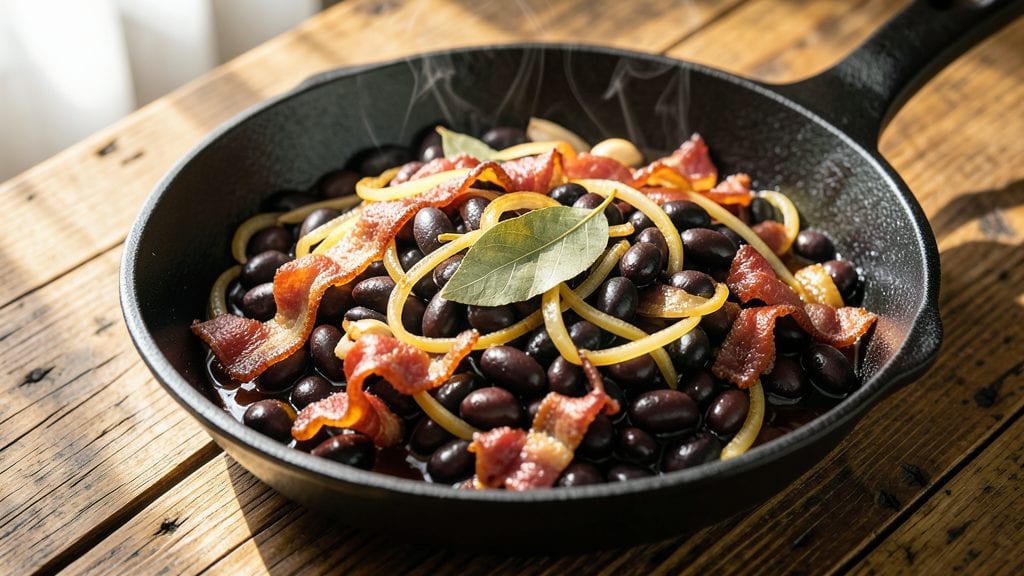
This Rio zape beans recipe transforms simple black beans into Brazil’s most beloved side dish—where smoky molasses caramelizes into crispy edges while keeping the centers tender and rich.
The secret lies in slow simmering with garlic, onions, and a touch of bacon fat, creating layers of flavor that elevate any meal. I first tried this during a Brazilian cookout when the aroma of molasses and beans wafting from the pot had everyone crowding around the stove.
What makes Rio zape special is its balance of textures—crispy edges from the molasses reduction and creamy, hearty beans that soak up every smoky note. The dish requires just 30 minutes of active prep (plus overnight soaking), making it perfect for weeknight dinners or holiday feasts.
Traditional versions often include bacon or chorizo for extra depth, though this recipe keeps it flexible for dietary preferences.
By the end, you’ll have a pot of beans that’s as satisfying as it is flavorful—ideal for serving alongside rice, farofa, or grilled meats. The molasses adds a subtle sweetness that contrasts beautifully with the savory beans, while the crispy edges add a satisfying crunch.
This is comfort food at its finest, with a technique that’s simple yet deeply rewarding.
Whether you’re hosting a Brazilian-inspired dinner or just craving something hearty, this recipe delivers restaurant-quality results with minimal effort. The key is patience—letting the beans simmer until the molasses caramelizes into a glossy, flavorful crust. Let’s get cooking!
Ingredients for rio zape bean
Transform simple black beans into Brazil’s beloved Rio zape with these core ingredients—smoky molasses and crispy bacon fat create unforgettable flavor layers.
| Ingredient | Amount | Notes |
|---|---|---|
| Dry Black Beans 🥔 | 1 ½ cups | Unsoaked, rinsed thoroughly |
| Unsalted Bacon 🥓 | 6 oz | Diced, smoked variety preferred |
| Yellow Onion 🧅 | 1 whole | Medium, finely chopped |
| Garlic Cloves 🧄 | 4 cloves | Minced, fresh preferred |
| Molasses 🍯 | ¼ cup | Unsulphured, high quality |
| Bay Leaves 🍃 | 2 whole | Dried, standard size |
| Dried Thyme 🌿 | 1 tsp | Or 1 tbsp fresh |
| Olive Oil 🫒 | ¼ cup | Extra-virgin, for cooking |
| Salt 🧂 | 1 ½ tsp | Kosher or sea salt |
| Black Pepper 🌶️ | ½ tsp | Freshly ground |
| Water 💧 | 4 cups | For soaking and cooking |
| Fresh Parsley 🌿 | 0.2 cup | Chopped, for garnish |
The molasses is the star here—Goya or Anthony's unsulphured brands deliver the deepest flavor without overpowering. Look for dark, thick molasses at Whole Foods or Latin markets, where the quality is consistently better than standard grocery store brands. The black beans should be organic or heirloom varieties if possible, as they hold their texture better during long cooking. For the bacon, Applewood-smoked adds subtle sweetness that pairs perfectly with the molasses. If you can't find smoked bacon, regular bacon works fine—just add a pinch of smoked paprika to mimic the flavor. The onions and garlic are standard, but yellow onions with a slight sweetness work best here.
No molasses? Substitute 2 tbsp brown sugar plus 1 tbsp balsamic vinegar for a similar caramelized depth, though it won't be identical. Short on bacon? Chorizo or pancetta at the same weight delivers that smoky, fatty base. Fresh thyme is ideal, but dried works at one-third the amount—just make sure it's labeled as culinary thyme, not ornamental. The olive oil should be extra-virgin for cooking, but any neutral oil will work in a pinch. For the beans, if you forget to soak them overnight, a quick 2-hour soak or even boiling them for 2 minutes then draining will soften them enough. The parsley is purely for garnish, so fresh is best, but dried won't ruin the dish.
This dish tastes even better the next day as the flavors meld—store leftovers in the fridge for up to 5 days. The crispy edges develop more as it sits, so don't skip the final simmer time. For freezing, portion into airtight containers with a thin layer of molasses on top to preserve that glossy crust. Reheats beautifully—just add a splash of water or broth to loosen it up. The bacon fat solidifies when cold, so reheat gently to restore that rich texture. I always make a double batch—half for dinner, half for lunches the next week.
Why You'll Love This Recipe
- One-Pot Magic: I swear by this recipe when I’m too tired to wash dishes. Toss everything—beans, bacon, onions—into one pot, add water, and let it simmer. By the time the molasses deepens that rich caramel note, my counters are spotless.
- Smoky-Sweet Symphony: That molasses isn’t just an afterthought—it’s the star. It cuts through the saltiness of the bacon and softens the beans into something dangerously tender, with a slow-building sweetness that lingers. Honestly, I’ll take this over fancy desserts any day.
- Meal Prep MVP: Between us, this is my go-to for lazy Sundays or hectic workweeks. Cook a big batch, and it tastes just as good reheated the next day—whether I’m packing it for lunch or serving it over rice for dinner. (Yes, even on a Tuesday night.)
- Budget-Friendly Powerhouse: Dry black beans and bacon stretch this recipe into a full meal without breaking the bank. A pound of beans feeds four, and the molasses adds depth without costing a fortune. My wallet and my taste buds thank me every time.
Step-by-step instructions for smoky molasses-kissed legumes with crispy edges
Master this technique and you'll transform simple black beans into a rich, caramelized masterpiece with irresistible texture.
Render the Bacon for Deep Flavor
Cut the 6 oz unsalted bacon into ½-inch pieces using a sharp knife. Place the bacon in a large Dutch oven over medium heat and cook for 8-10 minutes, stirring occasionally, until deep golden brown and crispy. I press down gently on the bacon during the first minute—this prevents it from curling and ensures even contact with the pan.
Use a slotted spoon to remove the bacon and set it aside on paper towels to drain excess fat. Leave the rendered fat in the pot—this is where the magic happens. You should have about 2 tablespoons of fat remaining, which will create a rich base for your beans. If the fat looks insufficient, add 1 tablespoon of the olive oil to ensure proper cooking.
Sauté Aromatics Until Fragrant
In the same Dutch oven, add the 0.25 cup olive oil (if needed) and reduce heat to medium-low. Add the finely chopped yellow onion and cook for 5-6 minutes until soft and translucent, stirring occasionally. You'll notice the onions release moisture—this is normal and will evaporate as they cook.
Add the 4 minced garlic cloves and cook for 30 seconds until fragrant. Here's the thing—garlic burns quickly, so keep the heat at medium-low and stir constantly. The moment you smell that sweet, nutty aroma, it's time to move to the next step. Add the 1 tsp dried thyme and 2 whole bay leaves, stirring for 10 seconds to coat the aromatics in the spices.
Soak and Cook the Beans Slowly
Rinse the 1.5 cups dry black beans thoroughly under cold water to remove any debris. Add them to the Dutch oven along with the 4 cups water, 1.5 tsp salt, and 0.5 tsp black pepper. Bring to a boil over high heat, then immediately reduce to low heat and cover partially. Simmer for 1 hour, stirring occasionally to prevent sticking.
After 1 hour, check the beans for doneness. They should be tender but still firm—not mushy. If they're still tough, continue cooking for another 30 minutes. The beans will continue to soften as they cool, so it's better to err on the side of slightly undercooked. Add more water if needed to maintain a liquid level that just covers the beans.
Caramelize with Molasses for Crispy Edges
Once the beans are tender, discard the bay leaves and increase heat to medium-high. Stir in the 0.25 cup molasses and reserved bacon, coating everything evenly. Simmer uncovered for 10-12 minutes, stirring frequently, until the liquid reduces and the beans develop a glossy, caramelized coating with crispy edges. This is where the molasses transforms into a sticky, sweet-savory glaze.
Watch the beans closely during the last 5 minutes—they should darken slightly and develop a crisp texture when stirred. If the mixture becomes too thick, add 1-2 tablespoons of water to maintain a saucy consistency. The beans are ready when they're tender, glossy, and have a slight crispness when stirred.
Finish and Garnish for Presentation
Remove the Dutch oven from heat and let the beans rest for 5 minutes. This allows the flavors to meld and the crispy edges to set slightly. Stir in the 0.2 cup chopped fresh parsley just before serving. The parsley adds a bright contrast to the rich, smoky molasses flavor and makes the dish visually appealing.
Serve immediately while the beans are warm. Each bite should deliver tender beans with crispy edges, smoky bacon, and a sweet-savory molasses glaze. For extra crispiness, transfer the beans to a baking sheet and broil for 2-3 minutes before serving. This recipe makes 4 servings, perfect for a hearty side dish or vegetarian main course.
Pro Tips For Making Rio Zape Bean
- CRACK THE BEANS FIRST: Soak your dry black beans overnight in warm water with a splash of vinegar—this cuts cooking time by half and prevents that sad, split-open mess. I used to skip it, and my beans always turned out mushy; now they hold their shape like they should.
- COOK THE BACON LOW: Render the unsalted bacon on medium-low heat until just crispy, not blackened. High heat burns the fat and makes the whole dish taste smoky instead of rich. Save the rendered fat—it’s liquid gold for browning the onions and garlic later.
- SWAP MOLASSES FOR MAPLE: If molasses is too bitter for your taste, swap in half maple syrup for a smoother depth. My grandmother did this after a bad batch ruined her Thanksgiving, and no one noticed the difference. Works especially well if you’re serving this to picky eaters.
- STIR THE ONIONS CONSTANTLY: Once you add the sliced onions, don’t walk away—they’ll stick to the pot faster than you can say “disaster.” Keep them moving with a wooden spoon for 5-7 minutes until they’re translucent but not browned. Browned onions here just make the dish taste harsh.
Dietary considerations for this dish
Vegetarian Adaptation
Skip the bacon entirely and replace it with 2 tbsp olive oil or 1 tbsp smoked paprika to mimic the smoky depth. Use ½ cup diced mushrooms sautéed with the onions for umami, or add 1 cup chopped kale or spinach in the last 5 minutes of cooking.
The molasses and thyme still deliver that signature Rio zape flavor without any animal products. 🌱
Gluten-Free Assurance
This recipe is naturally gluten-free, but always double-check your molasses and spices for cross-contamination. Goya unsulphured molasses and Anthony's brand are certified gluten-free, while dried thyme and bay leaves from bulk bins should be safe. The bacon used should be labeled gluten-free if you're avoiding all potential traces. 🌾
Low-Sodium Option
Reduce the salt to 1 tsp and use low-sodium bacon (or skip it entirely). Boost flavor with 1 tbsp apple cider vinegar during the final simmer to enhance the molasses caramelization.
Fresh herbs like parsley and thyme add natural saltiness without processed sodium. Monitor the beans closely—they'll still taste rich and satisfying. 🧂
Protein Boost
Add 1 cup cooked quinoa or ½ cup cooked lentils to the pot during the final 10 minutes of cooking. For extra protein, stir in ½ cup crumbled feta cheese at the end, or top with ¼ cup toasted pumpkin seeds for crunch.
These additions keep the dish hearty while maintaining the traditional Rio zape essence. 💪
Dairy-Free Friendly
This recipe is already dairy-free, but you can enhance it with 1 tbsp nutritional yeast during the final simmer for a cheesy note. Use coconut aminos instead of soy sauce if you want to add umami without dairy.
The molasses and bacon provide plenty of rich flavor on their own. 🥥
Nutrition facts
Frequently asked questions
What makes Rio zape different from regular black beans?
Rio zape gets its signature flavor from the molasses caramelization that creates crispy edges on the beans, plus the smoky depth from bacon fat. Unlike plain black beans, this dish has a sweet-savory balance with a glossy, slightly sticky texture from the reduced molasses. The slow simmering process develops complex flavors that simple boiled beans can't match.
Can I use canned beans instead of dry?
Yes, but you'll need to adjust the cooking time. Use 2 (15 oz) cans of black beans (drained and rinsed) and reduce the water to 2 cups. Skip the initial soaking step and simmer for just 20-25 minutes before adding the molasses. Canned beans work well for quick versions, though dry beans develop more texture and flavor.
How do I get the beans extra crispy?
For maximum crispiness, spread the cooked beans on a baking sheet and broil for 2-3 minutes at the end. Alternatively, simmer uncovered for an extra 5 minutes after adding molasses, stirring frequently to concentrate the caramelization. The key is high heat and frequent stirring to create those crispy edges.
What's the best way to store leftovers?
Store in an airtight container in the fridge for up to 5 days. The flavors actually improve overnight as the molasses continues to meld. For freezing, portion into containers with a thin layer of molasses on top to preserve the crispy texture. Reheat gently with a splash of water to restore moisture.
Can I make this in a slow cooker?
Cook the bacon as directed, then transfer everything (except molasses) to the slow cooker. Add 4 cups water and cook on low for 6-7 hours or high for 3-4 hours. In the last 30 minutes, stir in the molasses and cook uncovered until caramelized. The slow cooker method develops deeper flavor but requires more monitoring at the end.