
Side Dishes
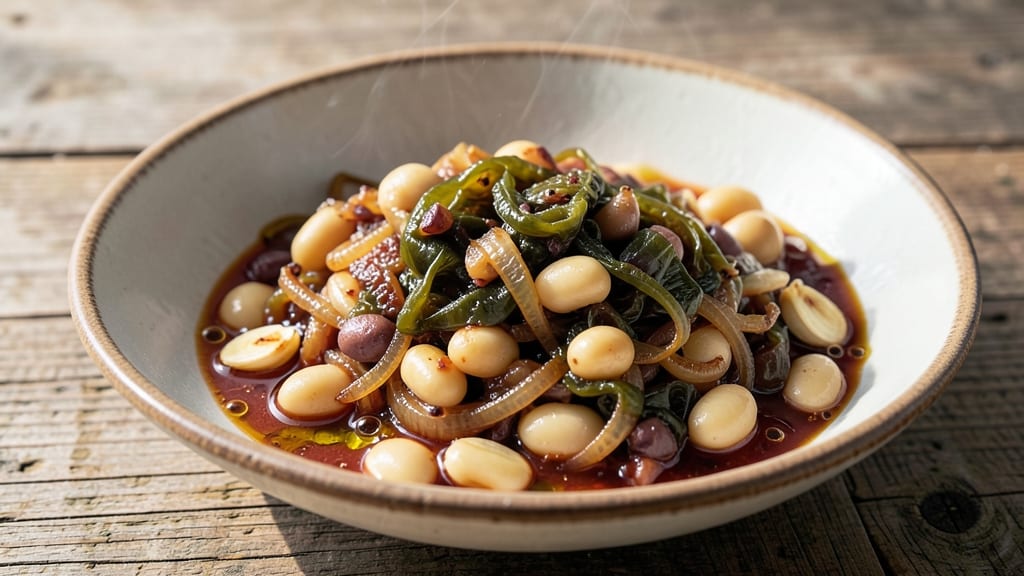
This sauerkraut and beans recipe transforms humble pantry staples into a bold, tangy side dish that pairs perfectly with roasted meats or stands alone as a vegetarian main.
The secret lies in balancing fermented sauerkraut's sharp acidity with the hearty, smoky depth of beans—creating a dish that's both comforting and complex. I developed this version after discovering how a simple simmer could elevate these ingredients into something restaurant-worthy without relying on meat.
The preparation is straightforward but requires patience—30 minutes of active cooking followed by a 15-minute simmer to let flavors meld. You'll start by sautéing onions until golden, then add garlic and sauerkraut to release their natural juices before introducing beans and broth.
The key is letting everything simmer just until the edges of the beans soften slightly, preserving their texture while absorbing the tangy, savory sauce.
What you'll end up with is a dish that's richly aromatic, with crisp-tender beans holding their shape and sauerkraut adding layers of fermented tang. The sauce thickens just enough to coat every bite, creating a perfect balance between sharp, sweet, and umami.
This recipe works equally well as a side for holiday meals or a hearty vegetarian bowl when paired with crusty bread or roasted vegetables.
For those who prefer a smoky twist, you can add a dash of liquid smoke or crispy smoked paprika during the final simmer—though the dish remains delicious and satisfying on its own.
The beauty of this recipe lies in its versatility: it's simple enough for weeknight dinners but impressive enough for gatherings. Let's get started on creating this flavorful, fermented masterpiece.
Ingredients for sauerkraut and beans
Fermented tang meets hearty beans in this vegetarian masterpiece—just 13 ingredients for bold flavor.
| Ingredient | Amount | Notes |
|---|---|---|
| Yellow Onions 🧅 | 1 whole | Thinly sliced, about 1.5 cups |
| Garlic Cloves 🧄 | 4 cloves | Minced, fresh preferred |
| Unsmoked Vegetable Broth 💧 | 2 cups | Low-sodium preferred, homemade or quality brand |
| Unsweetened Tomato Paste 🍅 | 2 tbsp | Squeeze tube or canned |
| Unpasteurized Sauerkraut 🥬 | 2 cups | Packed, with juice |
| Canned Cannellini Beans 🌾 | 2 cups | Drained and rinsed, or cooked dried |
| Smoked Paprika 🌶️ | 1 tsp | For smoky depth (optional) |
| Dried Thyme 🌿 | ½ tsp | Or 1 tsp fresh thyme leaves |
| Diamond Crystal Kosher Salt 🧂 | 1 ½ tsp | Adjust to taste |
| Black Peppercorns 🌶️ | ½ tsp | Freshly cracked |
| Extra-Virgin Olive Oil 🫒 | 2 tbsp | For sautéing |
| Fresh Parsley 🌿 | ¼ cup | Chopped, for garnish |
| Lemon Juice 🍋 | 1 tbsp | Freshly squeezed |
The sauerkraut is the foundation, so choose unpasteurized for authentic tang and probiotic benefits. Trader Joe's and Whole Foods carry excellent brands like Bubbies or local fermented varieties. If using canned beans, opt for no-salt-added to control seasoning. The cannellini beans hold their shape beautifully, but great northerns or navy beans work equally well. Fresh thyme is ideal, but dried works at half the amount—just toast it briefly in a dry pan to deepen the aroma. For the broth, Pacific Foods or Imagine brands offer low-sodium options without artificial additives.
No smoked paprika? Liquid smoke at one-quarter teaspoon delivers a similar depth, though it lacks the paprika's earthy complexity. Substitute dried thyme with rosemary at half the amount for a piney note, though thyme's floral brightness is preferred. The tomato paste can be omitted entirely if you dislike its sweetness, though it helps balance the acidity. For a richer sauce, stir in 1 tablespoon of nutritional yeast during the final simmer—it adds umami without dairy. If you're short on time, pre-cooked beans from the can work, but rinsing removes excess starch that could make the sauce gummy.
Store leftovers in an airtight container for up to 5 days in the refrigerator, though the flavors deepen overnight. For longer storage, freeze portions in glass jars with a layer of broth on top to preserve texture. Reheat gently on the stove with a splash of water to restore moisture. This dish reheats beautifully—ideal for meal prep. Garnish with fresh parsley just before serving to brighten the presentation, and a squeeze of lemon juice adds a refreshing contrast to the smoky, tangy flavors.
Why You'll Love This Recipe
- Five-Ingredient Magic: I swear by this recipe—just onions, garlic, broth, tomato paste, and sauerkraut. That’s it. No fancy prep, no hidden ingredients, just pure, tangy, satisfying flavor with minimal effort.
- Tangy Umami Bomb: The unpasteurized sauerkraut brings that just-right funk—bright but not overpowering—while the tomato paste deepens it into something rich. Honestly, the first bite makes me pause like, "Wait, is this really just beans?"
- Leftovers That Beg: This dish actually improves the next day. The flavors meld into something even heartier, and it reheats like a dream. I’ve had it cold in sandwiches, warmed with toast, even tossed into breakfast eggs—it’s that good.
- Budget-Friendly Powerhouse: Sauerkraut and dried beans stretch a dollar further than you’d think. A single jar and a bag of beans feed my family for days, and the broth adds depth without costing a fortune. My wallet and my taste buds both win.
Step-by-step instructions for fermented sauerkraut and cannellini beans
This method transforms simple pantry staples into a deeply flavorful, smoky-sweet dish with perfect texture balance.
Develop the Flavor Base
Heat the 2 tablespoons extra-virgin olive oil in a large Dutch oven over medium heat until shimmering. Add the 1 whole yellow onions, thinly sliced, and cook for 8-10 minutes until softened and beginning to caramelize at the edges. You'll know it's ready when the onions release easily from the pan and develop a golden hue.
Stir in the 4 cloves minced garlic and cook for 30 seconds until fragrant but not browned. Add the 2 tablespoons unsweetened tomato paste and cook for another 1 minute, stirring constantly. This creates a rich foundation that will carry the fermented tang of the sauerkraut and the earthiness of the beans.
Build Complexity with Spices and Sauerkraut
Reduce heat to medium-low and sprinkle in the 1 teaspoon smoked paprika and 0.5 teaspoon dried thyme, stirring immediately to prevent burning. Cook for 30 seconds until the spices are aromatic and fully incorporated into the oil.
Add the 2 cups unpasteurized sauerkraut (with its juice) and stir well. The sauerkraut's natural acidity will begin to mellow as it cooks, but you'll want to retain some of that bright tang. Cook for 5 minutes until the mixture is heated through and the flavors start to meld together. This is where the dish's signature fermented depth develops.
Incorporate Beans and Broth
Add the 2 cups drained cannellini beans and the 2 cups unsmoked vegetable broth to the pot. Stir gently to combine, then bring to a gentle simmer. The broth should just cover the ingredients, allowing them to cook without steaming. Simmer uncovered for 15 minutes to let the flavors meld and the liquid reduce slightly.
During this time, the beans will absorb the smoky, tangy sauce while maintaining their structure. You'll notice the mixture darkening slightly as the tomato paste and sauerkraut deepen in color. This visual change indicates the flavors are integrating beautifully.
Season and Finish
Remove the pot from heat and stir in the 1.5 teaspoons diamond crystal kosher salt and 0.5 teaspoon freshly cracked black peppercorns. Taste the mixture and adjust the seasoning if needed—this dish benefits from bold, balanced flavors. The salt should enhance the natural tang of the sauerkraut without overpowering it.
Return the pot to low heat and stir in the 1 tablespoon freshly squeezed lemon juice. This final acid note brightens the dish and cuts through the richness of the beans and sauerkraut. Cook for another 2 minutes to ensure everything is heated through and the lemon juice is fully incorporated.
Serve with Fresh Herbs
Transfer the mixture to serving bowls and let it rest for 5 minutes to allow the flavors to settle. Garnish generously with 0.25 cup chopped fresh parsley, which adds a fresh, vibrant contrast to the deep, fermented flavors. The parsley should be finely chopped to distribute evenly and enhance the dish's visual appeal.
Serve immediately while the beans are warm and the sauerkraut's tang is at its peak. This dish pairs beautifully with crusty bread or roasted vegetables, allowing the smoky, tangy flavors to shine. The texture should be a harmonious blend of creamy beans, crisp-tender sauerkraut, and a rich, slightly thickened sauce.
Pro Tips For Making Sauerkraut And Beans
- Sauté Onions Low and Slow: If you rush this, you’ll end up with bitter, charred bits instead of sweet, caramelized flavor. Cook the onions on medium-low heat for at least 10 minutes—stirring occasionally—until they’re soft and golden. (Yes, even if you’re impatient like me.)
- Drain and Rinse Sauerkraut: Unpasteurized sauerkraut is packed with juice, and too much liquid will dilute your dish. Drain it in a colander, then rinse it quickly under cold water to mellow the sharpness—just don’t overdo it, or you’ll wash away the tang.
- Bloom Tomato Paste First: Stir the tomato paste into the pot before adding broth, and let it cook for 2-3 minutes until it darkens slightly. This deepens the flavor way more than just dumping it in cold. (I learned this the hard way—skipping it makes the dish taste flat.)
- Simmer, Don’t Boil: Once everything’s combined, keep the heat at a gentle simmer—not a rolling boil. Too much heat turns the broth cloudy and kills the subtle flavors. A low simmer (tiny bubbles, occasional stir) keeps the dish clean and rich. (Your future self will thank you.)
Regional styles of sauerkraut and beans
German Hearty Style
In Germany, this dish often becomes a main course rather than a side, especially in regions like Bavaria. The traditional approach uses pork sausage (like bratwurst) or smoked bacon, which I omit here for a vegetarian version.
Instead, add 1 cup of cooked smoked tofu or crumbled tempeh during the final 5 minutes of simmering to mimic the smoky depth. Serve with crusty rye bread and a dark lager like Weihenstephaner to cut through the richness. 🍺
Eastern European Fermented Twist
In Poland and Ukraine, this dish leans heavily on fermented flavors with a touch of sweetness. After simmering, stir in 1 tablespoon of honey or 1 teaspoon of maple syrup to balance the tang.
Add 1 teaspoon of caraway seeds (toasted in the oil with the onions) for a signature Eastern European aroma. Garnish with chopped dill instead of parsley for a brighter, herbal note. This version pairs perfectly with pierogi or potato pancakes.
Southern U.S. Smoky Kick
In the American South, this dish gets a bold, smoky twist inspired by barbecue traditions. After sautéing the onions, add 1 tablespoon of liquid smoke (or 1 teaspoon of smoked paprika) and let it bloom for 1 minute before adding the sauerkraut.
Finish with a sprinkle of crushed red pepper flakes for heat. Serve alongside grilled corn on the cob or collard greens for a full Southern spread. 🌶️
Mediterranean Herb Infusion
For a lighter, herb-forward take, swap the thyme for 1 teaspoon of dried oregano and add 1 teaspoon of dried rosemary (toasted in the oil). Stir in 1 minced shallot instead of half the onion for a milder, sweeter base.
Finish with a drizzle of extra-virgin olive oil and a sprinkle of feta cheese (optional) for a Mediterranean flair. This version works beautifully as a vegetarian mezze with warm pita bread.
Modern Vegan Adaptation
To make this dish completely plant-based, ensure all ingredients are vegan—skip the honey and use maple syrup instead. For extra protein, add 1 cup of cooked lentils along with the beans. Boost umami with 1 tablespoon of soy sauce or miso paste during the final simmer.
Garnish with toasted pumpkin seeds for crunch and serve with avocado slices for a fresh contrast. This version is perfect for vegan potlucks or as a protein-rich side dish.
Winter Comfort Bowl
Transform this into a one-bowl meal by adding 1 cup of roasted root vegetables (like carrots, parsnips, or sweet potatoes) during the final 10 minutes of simmering.
Top with crumbled vegan bacon (for a smoky element) and a swirl of cashew cream (blend ½ cup soaked cashews with 2 tablespoons water). This hearty version is ideal for cold-weather dinners and keeps well for 3-4 days in the fridge. ❄️
Nutrition facts
Frequently asked questions
Can I use canned sauerkraut instead of fresh?
Fresh, unpasteurized sauerkraut is ideal for authentic fermented flavor and probiotic benefits, but you can use canned in a pinch. Just drain it well and add 1 teaspoon of apple cider vinegar to mimic the tang. The texture will be slightly softer, but the dish will still taste delicious. Avoid pasteurized sauerkraut—it lacks the beneficial bacteria and sharp flavor.
How do I prevent the beans from getting mushy?
Simmer the beans gently for only 15 minutes after adding them to the pot—never boil vigorously. Use cannellini or great northern beans (they hold their shape better than navy beans). For extra texture, add the beans during the last 10 minutes of cooking instead of at the beginning. Avoid overcrowding the pot to prevent steaming.
What's the best way to store leftovers?
Transfer to an airtight container and refrigerate for up to 5 days. The flavors actually improve overnight! For longer storage, freeze in glass jars with a layer of broth on top. Thaw in the fridge overnight, then reheat gently on the stove with a splash of water to restore moisture. Never microwave—it makes the beans rubbery.
Can I make this dish in a slow cooker?
Sauté the onions, garlic, and spices first, then transfer everything to the slow cooker with 1 cup of broth. Cook on low for 4-5 hours or high for 2-3 hours. The slow cooking enhances the smoky depth. Add lemon juice and parsley at the end to brighten the flavors. The texture will be creamier than stovetop, but equally delicious.
What's the secret to balancing the tangy flavor?
The key is the lemon juice at the end and a touch of sweetness. If the sauerkraut tastes too sharp, stir in 1 teaspoon of honey or maple syrup during the final simmer. For extra depth, add a pinch of smoked paprika or a splash of vegetable broth>—both help round out the acidity without overpowering it.