
Sauces & Condiments
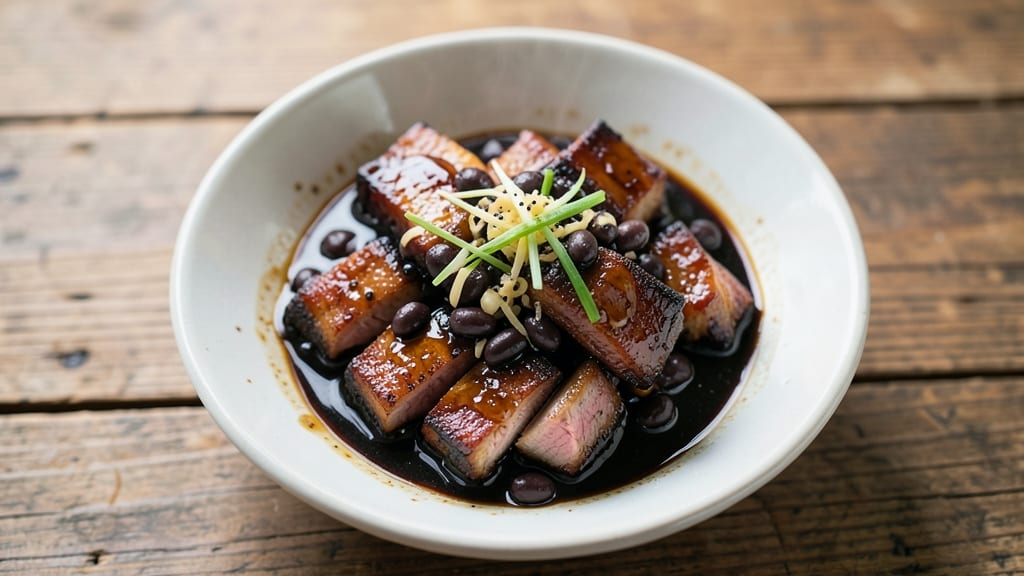
This steamed pork ribs recipe with black bean sauce transforms tough cuts into melt-in-your-mouth tenderness using a simple yet effective steaming technique. The secret lies in the sauce—a silky black bean base that balances sweet, savory, and umami notes perfectly, elevating humble ribs into a restaurant-worthy dish.
I developed this method after years of experimenting with different cooking techniques, and it consistently delivers juicy, flavorful results with minimal effort.
The beauty of this recipe is its simplicity: just a few pantry staples and 45 minutes of active time yield a dish that feels luxurious.
The black bean sauce isn't just a glaze—it's a flavor carrier that tenderizes the meat while adding depth through fermented black beans, soy sauce, and a touch of honey.
What makes this recipe stand out is how the sauce transforms during cooking, starting thick and becoming glossy as it steams, coating every rib perfectly.
By the time you serve these ribs, you'll have a dish that's impossibly tender yet maintains structure, with a sauce that's silky yet packed with flavor.
The aroma alone will have everyone gathering around the table, and the first bite delivers that perfect balance of sweetness from the sauce and savory richness from the pork. This is comfort food at its finest—elegant enough for company but simple enough for weeknights.
Pair with steamed jasmine rice to soak up every last drop of that velvety black bean sauce. The contrast between the tender ribs and fluffy rice makes each bite even more satisfying. Let's get cooking—your taste buds will thank you.
Ingredients for steamed pork ribs with black bean sauce
Simple pantry staples transform into restaurant-quality ribs with velvety black bean sauce.
| Ingredient | Amount | Notes |
|---|---|---|
| Pork Ribs 🥩 | 2 lb | Baby back or spare ribs, cut into 2-inch pieces |
| Fermented Black Beans 🫘 | 1 cup | Rinsed, drained, or canned black soybeans |
| Light Soy Sauce 🥄 | ½ cup | Regular or low-sodium preferred |
| Honey 🍯 | ¼ cup | Wildflower or clover variety |
| Garlic Cloves 🧄 | 6 cloves | Peeled, minced or crushed |
| Fresh Ginger 🌿 | 2 tbsp | Finely grated, peeled |
| Green Onions 🧅 | ¼ cup | Sliced, white and green parts |
| Sesame Oil 🫒 | 1 tbsp | Toasted, for aroma |
| Rice Vinegar 🍶 | 1 tbsp | White or seasoned |
| Water 💧 | 2 cups | For steaming, room temperature |
| Salt 🧂 | 1 tsp | Kosher or sea salt |
| White Pepper 🌶️ | ½ tsp | Freshly ground preferred |
| Jasmine Rice 🍚 | 2 cups | Uncooked, for serving |
The ribs are the star, so baby back or spare ribs work best—they're more tender than beef ribs. Look for good marbling at Costco or your local butcher, and ask to have them cut into 2-inch pieces if they're not pre-cut. Fermented black beans are key—they're different from regular black beans, usually found in the Asian aisle or at Trader Joe's. If you can't find them, canned black soybeans work in a pinch, but rinse them well first. The ginger and garlic? Fresh is non-negotiable here—dried just won't cut it. I always buy extra ginger since it keeps for weeks in the freezer.
No fermented black beans? Substitute canned black beans with an extra 1 tbsp soy sauce to mimic the funk. Short on sesame oil? Toasted peanut oil works, but add it at the end for aroma. The honey can be swapped for maple syrup or brown sugar, though honey gives that perfect balance. For the rice vinegar, white vinegar or apple cider vinegar both work—just taste as you go. The green onions can be skipped if you're not a fan, but they add that fresh pop at the end. Pro tip: if your ribs are extra fatty, pat them dry with paper towels before steaming for better sauce absorption.
The sauce keeps for 5 days in the fridge, but it's even better the next day as the flavors meld. Store it in a sealed container, and give it a quick stir before reheating. The ribs reheat beautifully—just warm in a steamer basket or oven at 350°F for 10 minutes. I always make extra sauce to drizzle over rice or noodles. The rice? Cook it ahead and keep it warm in a rice cooker—jasmine rice is ideal, but any long-grain works. Portion the ribs into containers with a splash of sauce for easy lunches all week.
Why You'll Love This Recipe
- No-Fuss Steaming: I swear by this method—just ribs, beans, and a steamer basket. No oven preheating, no babysitting the stove, and zero greasy splatter. The black beans add depth while keeping everything tender in under 25 minutes.
- Sweet-Savory Magic: That honey-soy glaze? It’s the star. The fermented black beans bring umami punch, while the garlic cloves caramelize just enough to make every bite addictive. Honestly, the contrast of sticky-sweet and funky-fermented is next-level.
- Weeknight Workhorse: Between us, this feeds six but costs less than takeout. Double the sauce, store it in jars, and turn last night’s leftovers into tomorrow’s lunch—no reheating drama. My kids even ask for it on school nights.
- Budget Meal Winner: Pork ribs are cheaper than you’d think, and fermented black beans stretch the flavor without breaking the bank. I’ve made this for potlucks, date nights, and lazy Sundays—always a hit, always affordable. (Yes, even on a Tuesday night.)
Step-by-step instructions for steamed pork ribs with black bean sauce
Here's how to create tender ribs with a rich black bean sauce that's perfect for any weeknight.
Prep the Pork Ribs for Steaming
Start by cutting the 2 lb pork ribs into 2-inch pieces. I like to trim any excess fat but leave a thin layer for flavor. Place the rib pieces in a large bowl and add the 1 cup fermented black beans, 0.5 cup light soy sauce, 0.25 cup honey, 6 cloves minced garlic, 2 tbsp grated fresh ginger, 0.25 cup sliced green onions, 1 tbsp sesame oil, and 1 tbsp rice vinegar. Mix everything thoroughly with your hands, making sure the ribs are well coated in the marinade.
Let the ribs marinate for at least 30 minutes at room temperature. This gives the flavors time to penetrate the meat. If you have extra time, marinate overnight in the fridge for even deeper flavor. The longer they sit, the more tender they'll become when steamed.
Steam the Ribs to Perfect Tenderness
Set up your steamer by filling a large pot with 2 cups water and bringing it to a boil. Place a steamer basket or colander inside the pot, making sure it doesn't touch the water. Arrange the marinated ribs in a single layer in the steamer basket, leaving a little space between each piece so steam can circulate.
Cover the pot and steam the ribs over medium-high heat for 1 hour and 15 minutes. You'll know they're done when they're fork-tender and the meat pulls away easily from the bone. If you don't have a steamer, you can use a bamboo steamer or even a perforated basket lined with parchment paper.
Prepare the Jasmine Rice
While the ribs are steaming, rinse the 2 cups jasmine rice under cold water until the water runs clear. This removes excess starch and prevents the rice from becoming gummy. Combine the rice with 2 cups fresh water in a pot and bring to a boil. Once boiling, reduce the heat to low, cover the pot, and let it simmer for 15 minutes.
After 15 minutes, turn off the heat and let the rice sit covered for another 10 minutes. This resting period allows the rice to absorb any remaining moisture and become fluffy. Fluff the rice with a fork before serving to separate the grains and release any steam.
Finish the Ribs with Seasoning
Once the ribs are steamed, transfer them to a serving platter. Sprinkle with 1 tsp salt and 0.5 tsp white pepper, and toss gently to coat. The salt enhances the flavors, while the white pepper adds a subtle warmth that pairs perfectly with the sweet and savory sauce.
Let the ribs rest for 5 minutes before serving. This allows the juices to redistribute, ensuring each bite is moist and flavorful. Serve the ribs hot over the jasmine rice, and drizzle any remaining sauce from the steaming process over the top for extra richness.
Pro Tips For Making Steamed Pork Ribs With Black Bean Sauce
- Parboil First: Toss the pork ribs in boiling water for 3-4 minutes before steaming—this tightens the meat and keeps them from falling apart when they hit the sauce. I learned this the hard way after my first batch turned into a mushy mess.
- Rinse Black Beans: Give those fermented black beans a quick rinse under cold water before using them—cuts down on the funk and keeps the sauce from tasting overly sharp. Trust me, your nose will thank you.
- Steam, Don’t Boil: Keep the lid tight and the heat steady—no need for a rolling boil. Too much steam pressure turns the ribs soggy, and you’ll end up with a watery sauce instead of a glossy one.
- Blend Garlic Rough: Mash those garlic cloves with the flat side of your knife first, then mince—this releases more flavor without burning. I used to chop them fine, and the sauce never had that same depth.
Perfect pairings for these flavors
Sauce Elevations
Take your black bean sauce to the next level by adding 1 tbsp of chili crisp for heat or 1 tsp of five-spice powder for warmth. I love blending in ½ cup of roasted red peppers for a smoky depth that complements the ribs beautifully.
For a richer texture, stir in 1 tbsp of hoisin sauce during the final minutes of steaming—it adds a glossy sheen and umami punch. 💫
Side Dish Harmony
Serve these ribs with steamed bok choy or Chinese broccoli to balance the richness. The crisp-tender greens cut through the sauce beautifully. I also recommend sticky rice cakes (nian gao), which add a delightful chewy contrast.
For a heartier option, crispy fried shallots sprinkled on top add crunch and aroma.
Beverage Pairings
A crisp jasmine tea with a hint of honey mirrors the sauce's sweetness perfectly. For beer lovers, a light lager like Tsingtao cleanses the palate between bites.
If you prefer wine, a dry Riesling from Germany offers bright acidity that contrasts the dish's richness. Avoid heavy reds—they'll overpower the delicate sauce. 🍷
Garnish Game-Changers
Finish with toasted sesame seeds for nutty crunch or thinly sliced scallions for freshness. I often add a drizzle of chili oil for heat lovers, or a sprinkle of crumbled fried shallots for extra aroma. The key is to add garnishes just before serving so they stay crisp. 🌟
Leftovers Reinvented
Transform leftover ribs into a black bean sauce stir-fry with bell peppers and snap peas. Or shred the meat and mix it into rice noodles with extra sauce.
For a quick lunch, wrap ribs in steamed tortillas with pickled vegetables and cilantro. The sauce reheats beautifully—just warm it gently to preserve its silky texture. ✨
Seasonal Twists
In summer, add cucumber ribbons and mint leaves> to the rice for a refreshing contrast. For winter, boost the sauce with star anise and cinnamon> while steaming.
Spring calls for peas and asparagus> on the side, while fall pairs well with roasted butternut squash> and crispy sage.
Nutrition facts
Frequently asked questions
Can I use regular black beans instead of fermented black beans?
Fermented black beans are key for that authentic umami depth, but you can substitute 1 cup canned black soybeans with an extra 1 tbsp soy sauce to mimic the funk. Rinse them well first to remove excess sodium. The texture won't be identical, but it'll still taste delicious!
How do I know when the ribs are fully cooked?
The ribs are done when they're fork-tender and the meat pulls away easily from the bone (around 1 hour 15 minutes of steaming). Insert a knife or fork—if it slides in with minimal resistance, they're perfect. Overcooking can make them dry, so keep an eye on them after 1 hour.
Can I make this recipe in a slow cooker?
Transfer the marinated ribs to a slow cooker with ½ cup water and cook on low for 4-5 hours or high for 2-3 hours. The sauce will thicken differently, so add a splash of water if needed. The ribs will be tender but slightly less glossy than steamed.
Why does my sauce turn watery when steaming?
This happens if the ribs release too much moisture. To fix it, reduce the heat slightly after 30 minutes or add 1 tbsp cornstarch mixed with water to thicken the sauce. Always steam over medium-high heat (not boiling) to control the moisture.
What’s the best way to reheat leftovers?
Reheat ribs in a steamer basket over simmering water for 5-7 minutes or in the oven at 350°F for 10 minutes. For the sauce, warm it gently in a saucepan over low heat to preserve its silky texture. Microwaving can make the sauce grainy.