
Side Dishes
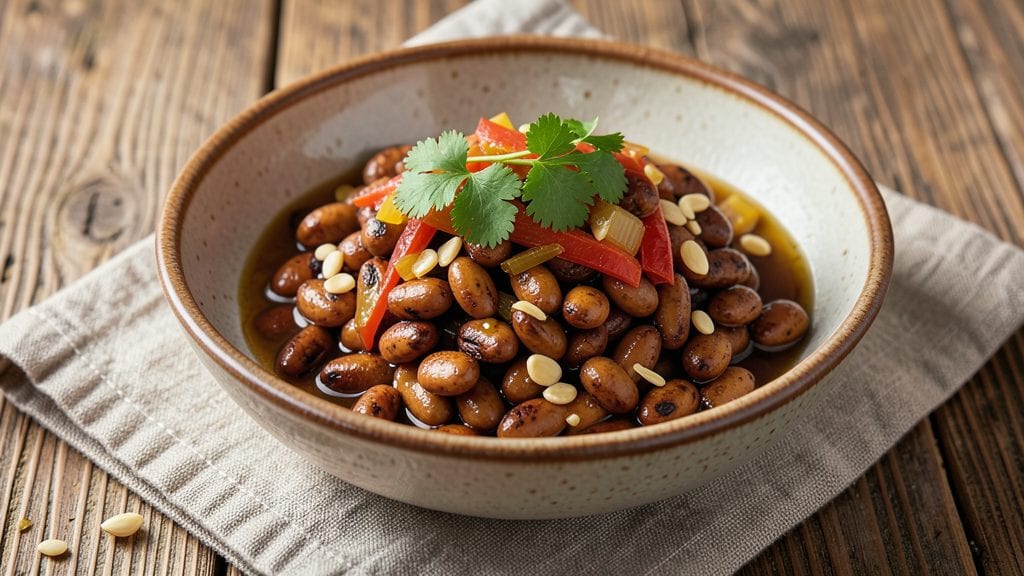
This tepary beans recipe brings the bold, earthy flavors of the Southwest to your table in just 30 minutes—no soaking required. Tepary beans, native to the Sonoran Desert, pack a nutty, slightly sweet crunch that transforms ordinary meals into vibrant, protein-rich dishes.
I discovered their versatility while exploring traditional Native American and Mexican cuisine, and now they’re a staple in my kitchen for their ability to elevate everything from salads to soups.
The beauty of tepary beans lies in their simplicity: just five key ingredients—beans, garlic, onion, broth, and a touch of cumin—come together to create a dish that’s both hearty and adaptable. Unlike other beans, they don’t need soaking, making this a quick, foolproof method perfect for weeknight dinners.
The result is a dish with a satisfying texture—tender yet slightly crisp—and a depth of flavor that pairs beautifully with grilled meats, roasted vegetables, or even as a standalone vegetarian bowl.
What makes this recipe stand out is its traditional roots with modern flexibility. Whether you’re serving them alongside tacos, blending them into a creamy dip, or tossing them into a grain bowl, tepary beans bring a unique, earthy crunch that’s hard to resist.
The secret? Roasting the beans first to enhance their natural nuttiness before simmering them in a savory broth. This method ensures every bite is packed with flavor while keeping the dish light and refreshing.
Ready to try this Southwest-inspired side? The recipe scales easily for crowds, and leftovers reheat beautifully, making it a go-to for meal prep. Let’s get cooking—your taste buds will thank you.
Ingredients for tepary beans
Five core ingredients transform tepary beans into a protein-rich, earthy Southwest masterpiece in minutes.
| Ingredient | Amount | Notes |
|---|---|---|
| Dried Tepary Beans 🌱 | 1 ½ cups | Unsoaked, rinsed thoroughly |
| Yellow Onion 🧅 | 1 whole | Medium size, diced finely |
| Garlic Cloves 🧄 | 4 cloves | Peeled, minced finely |
| Vegetable Broth 💧 | 3 cups | Low-sodium preferred |
| Ground Cumin 🌿 | 1 tbsp | Toasted for depth |
| Extra-Virgin Olive Oil 🫒 | 2 tbsp | High-quality, fruity |
| Salt 🧂 | ¾ tsp | Diamond Crystal preferred |
| Black Pepper 🌶️ | ½ tsp | Freshly ground |
| Lime Juice 🍋 | 1 tbsp | Freshly squeezed |
| Fresh Cilantro 🌿 | ¼ cup | Chopped, stems removed |
| Avocado Oil 🫒 | 1 tbsp | For roasting beans |
Tepary beans are the star—buy them dried from specialty stores like Navajo Trading Post or Amazon for authentic flavor. The beans should be plump and free of debris; rinse thoroughly before use. For the onion, yellow onions work best, but red or white will do in a pinch. Garlic cloves should be firm, not sprouting. The vegetable broth is critical—opt for low-sodium to control seasoning. Toast the cumin seeds in a dry pan for 30 seconds before grinding to deepen their aroma. Extra-virgin olive oil should have a vibrant green hue and peppery finish, indicating high quality. Penzeys or Whole Foods carry excellent options.
No tepary beans? Substitute black beans or pinto beans—they’ll need soaking, but the method remains the same. Swap the onion for 2 tbsp onion powder if needed, though fresh adds texture. Garlic powder at half the amount works, but fresh is superior. For the broth, mushroom or celery broth adds depth. The lime juice can be bottled, but fresh is brighter. Cilantro haters? Substitute parsley at the same amount. Avocado oil is ideal for roasting—light olive oil works too, but it burns faster. Prefer a different fat? Ghee or butter adds richness but alters flavor subtly.
Store cooked beans in an airtight container with 1 tbsp broth—keeps for 5 days in the fridge. For longer storage, freeze in portions for up to 3 months. Reheat gently with a splash of water to retain texture. The roasted beans develop maximum nuttiness when stored in a sealed container at room temperature for up to 2 weeks. Fresh cilantro? Wrap stems in damp paper towels and refrigerate for 1 week. This dish reheats beautifully—add a splash of water or broth to prevent drying.
Why You'll Love This Recipe
- No-Soaking Needed: I’ll admit, I was skeptical at first—dried beans usually mean overnight soaking. But tepary beans? Just a quick rinse and a 45-minute simmer. That’s it. My lazy Sundays just got a whole lot easier.
- Earthy Cumin Magic: That first whiff of toasted cumin and garlic? It’s like a warm hug in a pot. The beans soak up the flavor until every bite has this deep, nutty richness—no fancy spices required, just honest, bold taste.
- Potluck Star: Between us, this dish always gets seconds at gatherings. It’s hearty enough for a main but simple enough to bring—no one will guess it’s just five ingredients. Plus, it reheats like a dream.
- Budget Meal Hero: A pound of dried tepary beans costs less than a fancy salad kit, and it stretches across three meals. I make double batches on Sundays, freeze half, and still have leftovers that taste better day two. Smart, simple, satisfying.
Step-by-step instructions for earthy Southwest crunch with tepary beans
Transform these ancient beans into a vibrant, flavor-packed dish that balances earthy depth with bright Southwest acidity.
Roast the Beans for Intensified Flavor
Preheat your oven to 425°F and line a baking sheet with parchment paper. Spread the 1.5 cups dried tepary beans evenly in a single layer, ensuring they don't overlap. Drizzle with 1 tablespoon avocado oil and toss gently to coat uniformly. Roast for 15 minutes, shaking the pan halfway through, until the beans develop a nutty aroma and take on a golden hue.
This roasting step is crucial—it deepens the beans' natural earthiness and removes any bitterness. You'll know they're ready when they smell rich and toasty, almost like freshly roasted nuts. Don't skip this step; it forms the flavor foundation for the entire dish.
Sauté Aromatics Until Fragrant
While the beans roast, heat 2 tablespoons extra-virgin olive oil in a large skillet over medium heat. Add the 1 whole yellow onion, diced finely, and cook for 5-6 minutes until softened and translucent. Add the 4 cloves garlic cloves, minced, and cook for 30 seconds until fragrant—you should detect a sweet, pungent aroma that fills your kitchen.
Here's where the magic happens: the onions should caramelize slightly at the edges while remaining tender. If they brown too quickly, reduce the heat to medium-low. Add 1 tablespoon ground cumin and toast for 30 seconds until the spices release their aromatic oils. This step builds the complex flavor profile that defines the dish.
Simmer Beans in Spiced Broth
Transfer the roasted beans to the skillet with the sautéed aromatics. Add 3 cups vegetable broth, 0.75 teaspoon salt, and 0.5 teaspoon black pepper. Bring to a boil, then reduce heat to low and simmer uncovered for 20-25 minutes until the beans are tender but still hold their shape. Stir occasionally to prevent sticking, and add a splash of water if the liquid reduces too much.
You'll know the beans are perfectly cooked when they're fork-tender but still maintain a slight bite. The broth should reduce slightly, creating a thick, flavorful sauce that clings to each bean. This simmering process transforms the beans from simple legumes into the star of your dish.
Finish with Bright Acid and Fresh Herbs
Remove the skillet from heat and stir in 1 tablespoon lime juice. The acidity brightens the earthy flavors and balances the dish. Add the 0.25 cup chopped fresh cilantro and toss gently to incorporate. Taste and adjust seasoning—you may need a pinch more salt to enhance the flavors. Let the dish sit for 5 minutes to allow the lime juice to mellow slightly.
This final step is where the dish comes together. The lime juice cuts through the richness of the beans and spices, while the cilantro adds a fresh, herbaceous note. Serve immediately while the beans are warm, allowing the flavors to meld with each bite. The contrast between the earthy beans and bright finish makes this dish uniquely satisfying.
Pro Tips For Making Tepary Beans
- SOAK THE BEANS FIRST: Tepary beans are tougher than pinto or black beans—skip the soak, and you’ll be staring at a pot of sad, half-cooked beans. I learned this the hard way after a 4-hour simmer left them still rock-hard. Soak overnight (or at least 8 hours), then give them a quick rinse before cooking. They’ll soften faster and absorb flavors better.
- SWEAT THE ONIONS LOW: Cranking the heat to sauté onions for tepary beans ruins their sweetness and makes the broth taste harsh. Instead, cook them over medium-low for 8-10 minutes until translucent, stirring occasionally. The slow caramelization builds depth—your beans will thank you with richer flavor.
- DON’T SKIP THE BOIL: After soaking, bring the beans to a full boil for 2 minutes before lowering the heat. This breaks down their skins and tough fibers, so they don’t turn mushy or split open. I used to skip this, and my beans always ended up either undercooked or falling apart.
- TOAST THE CUMIN: Ground cumin loses its punch when bloomed in oil—it just sits there, flavorless. Instead, toast it dry in a separate pan for 30 seconds until fragrant, then stir it into the beans at the end. The aroma jumps off the plate, and the heat awakens its earthy notes. (Yes, even if you’re impatient like me.)
Regional styles of this recipe
Native American Roots
The O'odham and Hopi tribes of the Sonoran Desert have cultivated tepary beans for over 1,000 years, using them as a staple protein in their traditional diets. These ancient beans were often ground into flour or cooked with corn and squash in hearty stews.
I first encountered them through Navajo Trading Post recipes, where they’re still prepared in earthen pits for slow-cooking. The natural drought resistance of tepary beans made them ideal for arid climates—something modern cooks can appreciate for their no-soak, quick-cook convenience. 🌵
Mexican Southwest Fusion
In modern Mexican cuisine, tepary beans have found a home in Sonoran-style dishes, particularly alongside grilled meats and fresh salsas. I love using them in frijoles charros (Mexican cowboy beans) by adding chipotle powder and diced tomatoes to the simmering broth.
They also shine in posole verde, where their nutty flavor complements hominy. For a quick adaptation, toss cooked beans with corn tortillas, avocado slices, and pickled red onions for a vibrant street-food bowl. The key is balancing their earthiness with bright citrus and fresh herbs.
Arizona Desert Adaptations
Arizona ranchers and home cooks often incorporate tepary beans into chili con carne or taco fillings, where their firm texture holds up to slow cooking. I’ve seen them used in green chili stews with Hatch green chiles and ground beef, adding a unique crunch.
For a vegetarian twist, blend cooked beans with roasted red peppers, garlic, and vegetable broth to create a smoky dip perfect with tortilla chips. The desert’s influence is clear—these beans thrive in bold, spicy, and smoky preparations. 🌶️
Modern Vegan Innovations
Tepary beans are gaining traction in vegan kitchens for their high protein content (about 15g per cup) and low glycemic index.
I’ve experimented with them in vegan "tuna" salad by mashing cooked beans with celery, lemon juice, and vegan mayo, then serving on lettuce wraps. They also work beautifully in black bean burgers, where their nutty flavor adds depth.
For a protein-packed bowl, combine them with quinoa, roasted sweet potatoes, and avocado—the result is a complete meal without meat. The versatility is what makes them a modern pantry staple. 💚
Southwestern Fiesta Style
In New Mexico and Texas, tepary beans are often served as a festive side dish during celebrations, particularly at fiestas and holiday gatherings. I’ve seen them transformed into refried beans by mashing them with lard or olive oil and mashed potatoes for a creamy texture.
For a festive touch, top with crumbled cotija cheese and chili crisp. They also pair wonderfully with grilled shrimp skewers or smoked brisket, bridging traditional and contemporary flavors. The secret? Roasting the beans first to intensify their natural nuttiness.
Nutrition facts
Frequently asked questions
Why don't tepary beans need soaking like other dried beans?
Tepary beans have a unique, naturally thin outer skin that absorbs liquid quickly without the need for pre-soaking. Their ancient cultivation in arid climates also makes them more resistant to moisture loss, allowing them to cook faster while retaining their satisfying texture. This makes them perfect for busy weeknight meals!
Can I use tepary beans in place of black beans in traditional recipes?
Tepary beans work beautifully as a substitute, though their firmer texture means they hold up better in dishes like tacos or salads. For refried beans, mash them slightly longer than you would black beans to achieve a similar creaminess. Their nutty flavor adds an exciting twist to classic recipes.
What's the best way to store cooked tepary beans?
Keep cooked beans in an airtight container with 1 tablespoon of broth—this preserves moisture and flavor for up to 5 days in the fridge. For longer storage, freeze in portions for up to 3 months. When reheating, add a splash of water or broth to maintain their tender texture. The roasted beans stay fresh at room temperature for 2 weeks in a sealed container.
How can I make these beans spicier?
Add ½ teaspoon cayenne pepper or 1 teaspoon smoked paprika to the simmering broth for heat. For extra depth, stir in 1 tablespoon chipotle powder or a diced jalapeño pepper during the final 5 minutes of cooking. Finish with a squeeze of lime and fresh cilantro to balance the spice.
Are tepary beans gluten-free and nut-free?
Yes! Tepary beans are naturally gluten-free and nut-free, making them an excellent choice for those with allergies or dietary restrictions. Always check your broth and spices for cross-contamination if needed, but the beans themselves are safe for gluten-free and nut-free diets. Their protein-rich nature also makes them a great plant-based option.