
Side Dishes
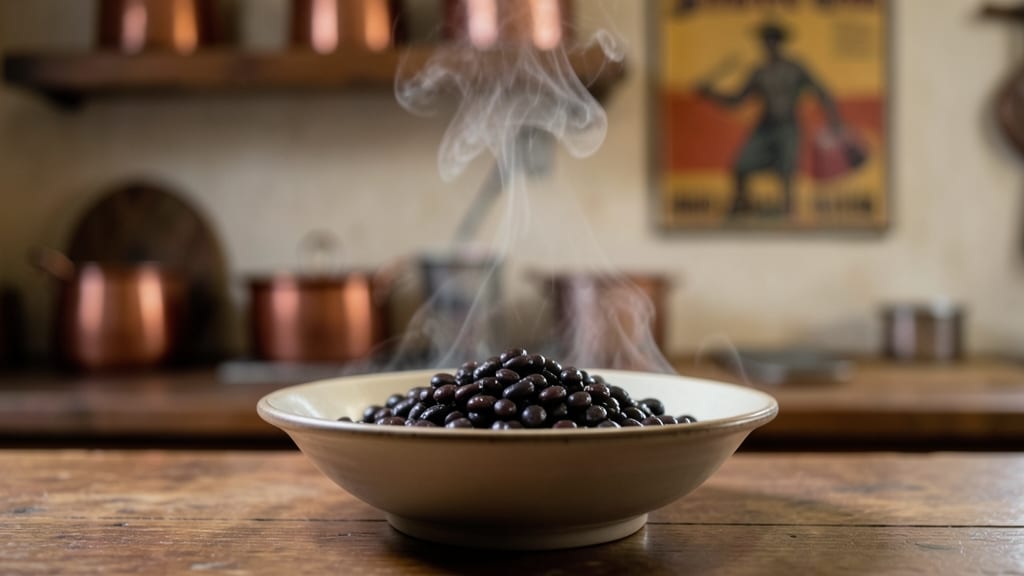
This traditional Cuban black beans recipe brings the soul of a Cuban kitchen to your stove, where smoky sofrito and slow-simmered flavors transform simple beans into a dish worthy of family gatherings. 🌟 I grew up watching my Nonna stir pots of these beans, their rich aroma filling the apartment—this is the recipe I learned on that stool, standing too tall for the counter but determined to help.
The secret lies in the sofrito, that aromatic base of onions, garlic, and bell peppers cooked until deep and sweet, forming the heart of every bite.
What makes these black beans truly special is the balance of spices—cumin for warmth, oregano for earthiness, and bay leaf for depth—all simmered low and slow until the beans are tender yet hold their shape.
The traditional method calls for soaking overnight, which cuts cooking time and ensures the beans break down just enough to create that signature creamy texture without falling apart.
This dish is naturally vegan by default, though many Cuban families add ham hock for depth (simply remove it before serving if preferred).
By the time you serve these beans alongside fluffy white rice or as part of moros y cristianos, you’ll have a dish that tastes like home—smoky, savory, and deeply satisfying.
The sofrito’s aroma alone will have everyone at the table anticipating the first bite, while the beans themselves are rich, flavorful, and perfectly balanced. This is comfort food at its finest, a recipe that carries generations of tradition in every spoonful.
Perfect for meal prep, holiday feasts, or a cozy weeknight dinner, these black beans prove that simple ingredients—when cooked with care—can deliver restaurant-quality results. Let’s get cooking.
Ingredients for traditional cuban black beans
The heart of Cuban flavor starts with these 14 simple ingredients—soaked beans, smoky sofrito, and spices that turn a humble pot into a family feast.
| Ingredient | Amount | Notes |
|---|---|---|
| Dried Black Beans 🌱 | 2 cups | Soaked overnight, drained |
| Yellow Onion 🧅 | 1 whole | Medium, diced |
| Green Bell Pepper 🌶️ | 1 whole | Medium, diced |
| Garlic Cloves 🧄 | 4 cloves | Fresh, minced |
| Extra-Virgin Olive Oil 🫒 | ¼ cup | For sofrito base |
| Ground Cumin 🌿 | 1 tbsp | Toasted for warmth |
| Dried Oregano 🍃 | 1 tbsp | Mexican preferred |
| Bay Leaves 🌿 | 2 whole | Fresh or dried |
| Salt 🧂 | 1 ½ tsp | Kosher or sea salt |
| Black Peppercorns 🌶️ | ½ tsp | Freshly ground |
| Vegetable Broth 💧 | 4 cups | Low-sodium preferred |
| Fresh Cilantro 🌿 | ¼ cup | Chopped, for garnish |
| Lime 🍋 | 1 whole | Juiced, for brightness |
| Smoked Paprika 🌶️ | 1 tsp | For smoky depth |
The beans are non-negotiable—dried black beans give that signature texture. Soak them overnight (or quick-soak with boiling water) to cut cooking time. Trader Joe’s sells them in bulk, but any grocery store’s canned section works too. For the sofrito, fresh bell pepper and onion make all the difference—skip the jarred stuff. The garlic? Freshly minced (not pre-minced jars) adds the most flavor. I usually grab my spices from Penzeys or the bulk bins at Whole Foods, but the regular grocery store stuff works if it’s fresh. Look for Mexican oregano if you can find it—it’s got a different, deeper flavor than Italian oregano.
No smoked paprika? Regular paprika plus a pinch of liquid smoke gets you close. Short on cilantro? Fresh parsley works too. The lime juice is key—Mexican limes are ideal, but regular limes work in a pinch. The bay leaves? Fresh is better, but dried works if that’s what you’ve got. For the broth, low-sodium is crucial—you don’t want to over-salt the dish. The cumin and oregano are the soul of this recipe, so don’t skip them. If you’re feeling adventurous, add a dash of annatto seeds (soaked in warm water) for that classic Cuban color, but it’s totally optional.
These beans taste even better the next day—double the batch and freeze half for later. Store leftovers in the fridge for 5-6 days or freeze for up to 3 months. The sofrito base keeps for 3 days in the fridge if you want to make it ahead. I always portion mine into containers with rice so lunches are sorted for the week. The aroma alone will have everyone asking what’s for dinner.
Why You'll Love This Recipe
- One-Pot Magic: I swear by this recipe—just toss everything into one pot, add water, and let it simmer. No fancy steps, no extra dishes, and the beans practically cook themselves while you chop veggies for the rest of dinner.
- Smoky Depth: The olive oil and garlic caramelize into something rich, while the bell pepper adds a bright, almost sweet contrast. Honestly, the flavor builds as it cooks—simple ingredients, but layers of taste that make it feel special.
- Meal Prep MVP: Make a big batch on Sunday, and you’ve got lunch or a side covered all week. It reheats beautifully, and the beans stay tender—no mushy leftovers here. Plus, it’s the kind of dish that tastes even better the next day.
- Budget-Friendly Staple: Dried beans are cheap, and this recipe stretches them into a hearty portion. I’ll be real: I’ve fed a crowd for under $10 with this, and everyone leaves happy. The onion and garlic bulk it up without breaking the bank.
Step-by-step instructions for traditional Cuban black beans
Here's how to make these smoky, flavorful beans—just like in Cuban homes.
🔥 Step 1: Sauté the Sofrito Base
Heat the 0.25 cup extra-virgin olive oil in a large pot over medium heat. Add the diced yellow onion and green bell pepper, cooking for 5-6 minutes until softened and starting to caramelize. You'll know it's ready when the vegetables smell sweet and the edges turn just slightly translucent.
Stir in the 4 minced garlic cloves, 1 tsp smoked paprika, and 1 tbsp ground cumin. Cook for another 30 seconds until fragrant—this is your sofrito foundation. The paprika will add that signature smoky depth, while the cumin brings warmth. Don't let it burn; keep the heat at medium and stir constantly.
🍳 Step 2: Toast the Spices and Add Beans
Add the 1 tbsp dried oregano, 2 whole bay leaves, 1.5 tsp salt, and 0.5 tsp freshly ground black peppercorns to the pot. Stir everything together for 1 minute to toast the spices—this releases their essential oils and deepens the flavor. You'll smell that earthy, aromatic punch filling your kitchen.
Now add the drained 2 cups dried black beans and stir to coat them completely in the sofrito mixture. The beans should be well-coated with oil and spices. This step ensures every bean gets that smoky, savory crust. Pour in 4 cups vegetable broth and bring the mixture to a gentle boil.
⏰ Step 3: Simmer Until Tender
Reduce heat to low and let the beans simmer uncovered for 1.5 to 2 hours. Stir occasionally and add more broth if the beans look dry—you want them swimming in liquid. The beans are done when they're fork-tender and the skins are slightly split. Real talk: don't rush this step. The longer they simmer, the more flavor they absorb.
Here's the thing—if you're using a pressure cooker, reduce the time to 30-40 minutes on high pressure. But if you're sticking with stovetop, keep that gentle simmer going. You'll know they're ready when a bean easily crushes between your fingers with just light pressure.
🥘 Step 4: Finish with Bright Flavors
Once the beans are tender, remove the bay leaves and stir in the juice of the whole lime. Add the 0.25 cup chopped fresh cilantro and give everything a final taste. You might need to adjust the seasoning—add more salt if needed, or a splash of lime juice for brightness. The lime cuts through the richness of the sofrito, balancing all those deep flavors.
Let the beans sit off heat for 5 minutes to thicken slightly. Serve warm with white rice, grilled meats, or crusty bread. The aroma alone will make your kitchen smell like a Cuban home—smoky, spicy, and full of comfort.
Pro Tips For Making Traditional Cuban Black Beans
- Soak Them Twice: Dried black beans need two soaks for real Cuban texture—first in cold water overnight, then a 30-minute hot soak before cooking. I learned this the hard way after serving mushy beans at a family gathering. The hot soak loosens skins without pre-cooking them, and the overnight break prevents that mealy disaster.
- Sauté Onions Low: Cook the yellow onion until it’s translucent and just starting to caramelize—about 8-10 minutes on medium-low. Rushing this step means your beans will taste raw and bitter. My grandmother swore by this, and she was right: patience here makes the whole dish sing.
- Skip the Crowding: Let the beans simmer uncovered for the first 20 minutes, even if it looks like nothing’s happening. Crowding traps steam and turns your beans into glue. I was skeptical until I tried it—now I double-check my pot’s depth before adding water.
- Add Bell Pepper Late: Stir in the green bell pepper and garlic only in the last 10 minutes of cooking. Early addition makes them turn to mush, and you want those bright, crisp edges. Sounds weird, but it works: the pepper stays vibrant, and the garlic punches through the flavor.
Perfect pairings for this recipe
Rice Pairing Perfection
These black beans are a classic match with fluffy white rice, creating the iconic Cuban dish moros y cristianos ("Moors and Christians"). Use a 1:2 ratio of beans to rice—I like long-grain white rice cooked in broth or water for extra flavor.
For a shortcut, I often cook 2 cups rice in the same pot after draining the beans, adding 3 cups broth and simmering for 15 minutes. The rice absorbs the bean broth beautifully, making every bite richer. 🌟
Protein Pairings
Cuban cuisine often serves black beans alongside grilled pork or pernil (roast pork shoulder). For a vegetarian option, try grilled plantains or tofu marinated in soy sauce and lime.
I’ve also paired these beans with shredded chicken for a lighter take on arroz con pollo. The smoky sofrito complements the savory protein perfectly, balancing the meal.
Fresh Sides
A crisp mango avocado salad adds brightness to the rich beans. Toss 1 ripe mango, 1 avocado, and red onion with lime juice and cilantro. For a heartier option, serve with yuca fries or fried plantains—both add a satisfying crunch.
I once made these beans with roasted sweet potatoes for a fall twist, and it became a family favorite. 🍽️
Beverage Harmony
A cold Cuban mojito (rum, lime, mint, soda) cuts through the beans’ smokiness beautifully. For non-alcoholic options, try hibiscus iced tea (from Trader Joe’s or homemade) or sparkling limeade.
The acidity in these drinks balances the dish’s earthy depth. I always serve a pitcher when hosting—it’s a game-changer for the experience.
Bread & Dips
Warm Cuban bread (like pan de jamón) soaks up the bean juices perfectly. For a dipping sauce, blend 1 cup beans with sour cream, lime juice, and cilantro—this crema de habanero adds a spicy kick.
I also love serving with tostones (twice-fried plantains) for extra crunch. The contrast of textures makes every bite exciting. 🌶️
Make-Ahead Magic
Double the recipe and store leftovers in the fridge for up to 5 days or freeze for 3 months. Reheat with a splash of broth to maintain texture. I often prep these beans on Sunday for 3-4 meals—pair with rice, roasted veggies, or even in breakfast burritos.
The flavors deepen over time, making them even more delicious when reheated. 💡
Nutrition facts
Frequently asked questions
Why do traditional Cuban black beans need to soak overnight?
Soaking reduces cooking time and prevents the beans from staying rock-hard. The overnight soak (or quick-soak with boiling water) softens the beans while keeping their shape intact. This method also helps the beans absorb more of the smoky sofrito flavors during cooking.
Can I use canned black beans instead of dried?
Yes, but the texture and flavor won't be the same. Canned beans are pre-cooked and lack the deep, smoky richness from simmering dried beans in sofrito. If you must use canned, drain and rinse them well, then simmer with the sofrito for 30-45 minutes to absorb the flavors. For best results, stick with dried beans.
How do I fix beans that are too mushy?
If your beans turn mushy, you likely overcooked them. To salvage, stir in 1-2 tablespoons of cornstarch mixed with cold water, then simmer for 5 minutes until slightly thickened. For future batches, reduce simmering time to 1.5 hours and check for tenderness at 1 hour.
What’s the difference between Cuban black beans and other bean recipes?
The secret lies in the sofrito—Cuban beans use a blend of onion, bell pepper, garlic, and smoked paprika cooked until sweet and deep. Unlike Mexican-style beans (with tomatoes) or Puerto Rican (with sofrito but less smoky), Cuban beans rely on cumin, oregano, and bay leaves for that signature earthy warmth.
Can I make this recipe without ham hock?
This dish is naturally vegan. The ham hock (if used) adds depth but isn’t essential. For extra richness, add a 1-inch piece of kombu seaweed during simmering or a splash of liquid smoke. The sofrito and spices alone deliver authentic Cuban flavor without meat.