
Side Dishes
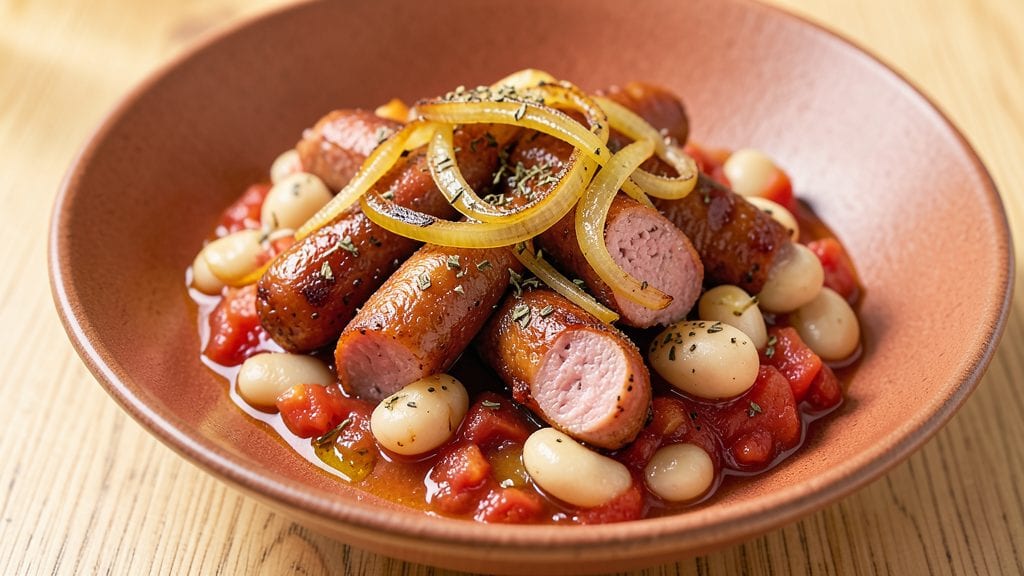
This canned white beans and sausage recipe delivers a one-pot Italian-inspired dish that transforms pantry staples into a hearty, flavorful meal in under 30 minutes.
The combination of canned white beans, Italian sausage, and aromatic herbs creates a dish that’s rich, satisfying, and effortlessly adaptable—whether served as a stew, baked casserole, or over crusty bread.
I’ve perfected this recipe to balance simplicity with depth, ensuring every bite is packed with savory, herby goodness without requiring specialized techniques.
The beauty of this recipe lies in its versatility and minimal prep—no soaking beans or chopping complex ingredients. A simple sauté of Italian sausage releases its natural oils, which form the base for a fragrant, tomato-infused sauce.
The canned white beans absorb the flavors beautifully, while garlic, onions, and herbs add layers of complexity. The result is a one-pot dish that’s hearty enough to stand alone or pair perfectly with rice, roasted vegetables, or a crisp green salad for a complete meal.
What you’ll end up with is a hearty, aromatic dish that’s tender, savory, and impossible to resist. The sausage adds a satisfying bite, while the beans provide a creamy texture that soaks up every drop of the flavorful sauce.
This recipe is designed to be foolproof, ensuring consistent results whether you’re cooking for a weeknight dinner or a gathering with friends. The best part? It’s ready in one pot, meaning less cleanup and more time enjoying the meal.
Serve this dish as a stew-like main course, a baked casserole with a crispy top, or even as a filling for sandwiches the next day.
The flavors only deepen as it sits, making it an ideal make-ahead option. Let’s get started—this recipe is about to become a staple in your rotation.
Ingredients for canned white beans and sausage
Pantry staples meet Italian flavors in this effortless one-pot dish.
| Ingredient | Amount | Notes |
|---|---|---|
| Italian Sausage Links 🌭 | 1 ½ lb | Sweet or spicy, casings removed |
| Canned White Beans 🥫 | 2 cups | Drained, rinsed cannellini or great northern |
| Yellow Onion 🧅 | 1 whole | Medium, finely diced |
| Garlic Cloves 🧄 | 4 cloves | Fresh, minced |
| Canned Crushed Tomatoes 🍅 | 1 can | 28 oz can, high-quality |
| Dried Oregano 🌿 | 1 tbsp | Italian or Mediterranean blend |
| Dried Basil 🌿 | 1 tsp | Or 1 tbsp fresh basil |
| Red Bell Pepper 🌶️ | 1 whole | Medium, diced |
| Extra-Virgin Olive Oil 🫒 | 2 tbsp | For sautéing |
| Chicken Broth 💧 | 1 cup | Low-sodium preferred |
| Salt 🧂 | 1 tsp | Diamond Crystal kosher |
| Black Pepper 🌶️ | ½ tsp | Freshly ground |
| Bay Leaf 🍃 | 1 whole | Fresh preferred |
| Fresh Parsley 🌿 | ¼ cup | Chopped, for garnish |
The Italian sausage is the flavor anchor—sweet or spicy works equally well, but avoid pre-cooked links. Whole Foods or Trader Joe's carry excellent casings-on options if you prefer to brown them whole before removing. For the canned white beans, cannellini or great northern hold their shape best. Drain and rinse thoroughly to remove excess sodium. The crushed tomatoes should be San Marzano if possible—the acidity balances beautifully with the sausage's richness. Fresh herbs elevate this dish, but dried work in a pinch (use one-third the amount).
No Italian sausage? Smoked sausage or ground pork works, though flavor will differ slightly. Substitute canned tomatoes with tomato paste plus water (1 tbsp paste + 1 cup water = 1 can). Fresh basil is ideal, but dried basil or oregano can stand in. The bell pepper adds sweetness—swap for zucchini or carrots if preferred. For extra depth, add a pinch of red pepper flakes. The chicken broth can be replaced with vegetable broth for a vegetarian version, though flavor will be milder.
This dish reheats beautifully—simmer gently on the stove for 3-5 minutes until warmed through. Stores for 4-5 days in the fridge, or freeze portions for up to 3 months. I like to double the batch and freeze half—perfect for lazy weeknights. Garnish with fresh parsley just before serving to brighten the dish. The flavors deepen overnight, making it even more delicious the next day.
Why You'll Love This Recipe
- Pantry Powerhouse: I swear by this one when my fridge is bare—just open cans, chop one onion, and you’re golden. The sausage renders its own fat, so no extra oil needed.
- Garlicky Umami Bomb: That crispy sausage skin crunching into the creamy beans? Absolute magic. The crushed tomatoes add just enough tang to cut through the richness—like a hug in a bowl.
- Lunchbox Hero: Pack it for work or school—it reheats beautifully and keeps well for days. My kids actually eat it cold in wraps (yes, even the picky ones).
- Budget Meal Magic: A can of beans, a pack of sausage, and a few cloves of garlic stretch to feed four for under $10. Leftovers? Even better the next day—if there are any.
Step-by-step instructions for one-pot Italian-style sausage and beans
This method delivers rich, aromatic flavors in a single pot with minimal cleanup.
Sauté the Sausage and Build the Base
Heat the 2 tablespoons extra-virgin olive oil in a large, heavy-bottomed pot over medium-high heat. Add the 1.5 lb Italian sausage links, removing them from their casings if not pre-removed. Cook for 5-6 minutes, stirring occasionally, until the sausage releases its fat and begins to brown in patches. This rendering process creates deep flavor and prevents a dry final dish.
Remove the sausage from the pot and set aside, leaving the rendered fat behind. Add the 1 whole yellow onion and 1 whole red bell pepper, both diced, to the pot. Cook for 4-5 minutes until the vegetables soften and begin to caramelize along the edges. This step develops the dish's foundational sweetness and depth of flavor.
Develop the Aromatics and Seasonings
Reduce the heat to medium and add the 4 minced garlic cloves, stirring for 30 seconds until fragrant. Immediately add the 1 tablespoon dried oregano, 1 teaspoon dried basil, 1 teaspoon salt, and 0.5 teaspoon black pepper, stirring to combine. The spices should bloom and fill the kitchen with their aroma—a key indicator that the flavors are melding properly.
Pour in the 1 can canned crushed tomatoes and the 1 cup chicken broth, scraping up any browned bits from the bottom of the pot. Add the 1 whole bay leaf and bring the mixture to a gentle simmer. This combination of ingredients creates a rich, slightly acidic base that will carry the dish through cooking.
Simmer the Beans and Sausage Together
Return the cooked sausage to the pot and add the 2 cups drained canned white beans. Stir gently to combine, ensuring the beans are fully immersed in the liquid. Bring the mixture to a gentle simmer and cover with a lid, reducing the heat to low. Let it cook for 20-25 minutes, stirring occasionally, until the flavors have melded and the beans are heated through.
During this time, the beans will absorb the sausage's fat and the aromatic vegetables will soften further, creating a cohesive, hearty stew. The dish should develop a thick, velvety texture with just enough liquid to coat the back of a spoon. If it appears too thick, add 1-2 tablespoons water to achieve the desired consistency.
Finish and Garnish for Freshness
Remove the pot from heat and discard the bay leaf. Taste and adjust seasoning if needed, adding a pinch more salt or black pepper as necessary. The dish should be well-balanced, with the sausage's richness complementing the beans' earthiness and the tomatoes' acidity.
Ladle the stew into bowls and garnish each serving with 0.25 cup chopped fresh parsley. The parsley adds a bright, fresh contrast to the rich, savory flavors of the dish. Serve immediately with crusty bread or over polenta for a complete meal.
Pro Tips For Making Canned White Beans And Sausage
- Brown the Sausage First: Cut the links in half and sear them skin-side down in a cold pan—no oil needed. The fat will render out, and you’ll get that deep, caramelized crust that makes the whole dish taste richer. I used to skip this, and the sausage just tasted bland by comparison.
- Drain and Rinse Beans: Canned beans are packed in saltwater, which can make your dish taste flat or overly salty. Drain them, then rinse under cold water for 30 seconds—especially if you’re using low-sodium beans. This small step actually changes the texture and flavor balance.
- Sauté Onions Low and Slow: After browning the sausage, reduce heat to medium-low and cook the onions until they’re soft but not browned—about 8-10 minutes. Rushed onions add bitterness, and that’s the last thing you want in a hearty bean-and-sausage dish. (Yes, even if you’re impatient like me.)
- Crush Garlic with a Knife: Instead of mincing garlic, smash the cloves with the flat side of your knife first—this releases more flavor without burning. Add it to the pan when the onions are halfway done, and let it cook just until fragrant. Overcooking turns garlic bitter, and that’s a waste of good garlic.
Essential equipment for canned white beans and sausage
Heavy-Bottomed Pot
This recipe thrives in a large, heavy-bottomed pot with a capacity of at least 5-6 quarts. I use my All-Clad Stainless Steel Dutch Oven—it distributes heat evenly and prevents scorching.
A Lodge cast iron Dutch oven is another excellent choice, especially if you want to transition this dish into an oven-baked casserole later. The weight helps maintain consistent temperature during simmering, which is critical for even cooking. 🔥
Sharp Chef's Knife
A sharp 8-inch chef's knife is essential for dicing the onion and bell pepper evenly. I recommend the Mercer Culinary Genesis—its precision makes prep faster and safer. Dull knives crush vegetables instead of cutting cleanly, leading to uneven cooking and less appealing textures.
Keep your knife sharp with a Wüsthof honing steel for consistent performance throughout the recipe.
Wooden Spoon
Use a wooden spoon (I prefer Oxo Good Grips) to stir the ingredients without scratching your pot. Wood distributes heat gently and won’t react with acidic ingredients like tomatoes.
Avoid metal utensils when stirring—they can cause the sauce to splatter and create a less polished final texture. A long-handled spoon is ideal for reaching deep into the pot.
Measuring Spoons
Accurate measurements are key for balancing flavors. I use stainless steel measuring spoons from OXO to portion out the 1 tablespoon oregano, 1 teaspoon basil, and other spices precisely.
A kitchen scale can also help for spices if you prefer weight-based measurements. The difference between 1 teaspoon and 1½ teaspoons of dried herbs can noticeably alter the dish’s flavor profile.
Slotted Spoon
A slotted spoon (like the Norpro Tongs & Spoons set) comes in handy for removing the cooked sausage from the pot while leaving the rendered fat behind. It’s also useful for skimming any foam that forms during simmering.
This tool ensures you maintain the rich, flavorful base without losing any of the aromatic oils that develop during cooking.
Fine-Mesh Strainer
If you’re using canned beans with excess liquid, a fine-mesh strainer (I use OXO Good Grips) helps rinse them thoroughly. This step reduces sodium content and prevents a watery final texture.
For draining the beans, I tilt the can over the strainer and let the liquid drain completely before adding them to the pot. A colander works too, but a strainer provides better control for rinsing.
Nutrition facts
Frequently asked questions
Can I use fresh white beans instead of canned?
Fresh white beans will work, but they require soaking for 8-12 hours or quick-soaking in boiling water for 2 minutes before simmering. Since canned beans are pre-cooked and ready to use, they save significant time. If using fresh, expect a longer cooking time (45-60 minutes) to tenderize them properly.
What type of sausage works best in this recipe?
Italian sausage (sweet or spicy) is ideal, but you can substitute with smoked sausage, chorizo, or even ground pork for a different flavor profile. Avoid pre-cooked sausages—they won’t render as much fat, which is key for flavor. For a vegetarian option, use veggie sausage crumbles and extra umami (like soy sauce or mushrooms).
How can I make this dish spicier?
Add ½ teaspoon red pepper flakes when sautéing the sausage, or stir in 1 teaspoon hot sauce at the end. For extra heat, include ½ diced jalapeño with the onions. If you love spice, try ½ teaspoon cayenne pepper—but add it gradually to taste.
Can I bake this instead of simmering?
Transfer the cooked mixture to a greased baking dish and bake at 375°F for 20-25 minutes until bubbly. Top with grated Parmesan for a crispy finish. This method works especially well if you prefer a thicker, more concentrated flavor.
Why did my dish turn out too salty?
Canned beans often contain high sodium levels. To balance it, add 1-2 tablespoons lemon juice or ½ cup tomato paste (which dilutes the saltiness). If using low-sodium broth and rinsing the beans, this issue is less likely. Always taste as you go!