
Side Dishes
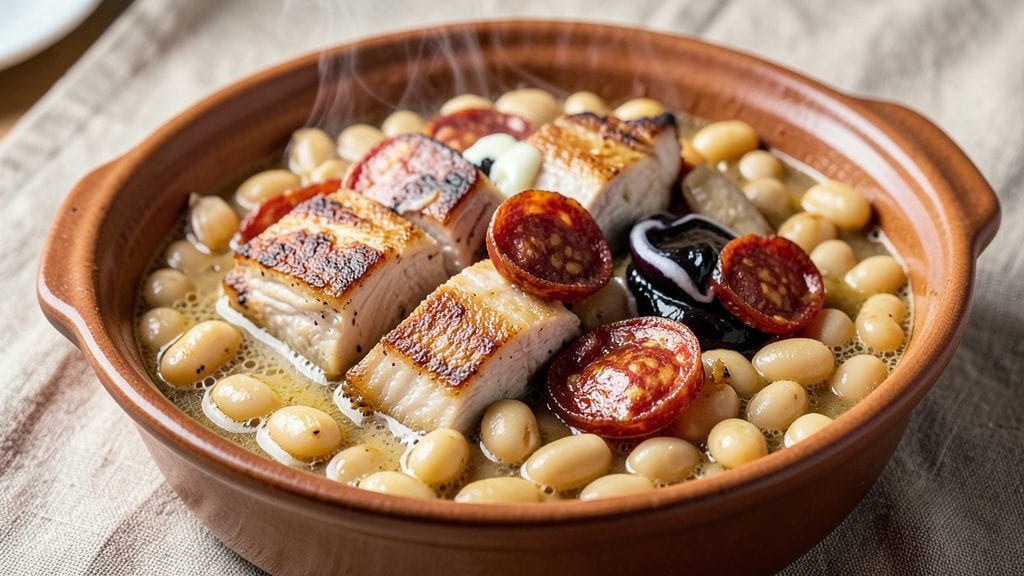
This Goya Roman beans recipe brings the heart of Castilian cuisine to your kitchen, where tender white beans meet crispy pork and smoky chorizo in a rich, molasses-infused sauce.
The dish's origins trace back to Spain's royal kitchens, where it was a staple for its ability to feed crowds with humble ingredients.
What makes it special is the balance of textures—crispy edges on the pork and beans contrast with creamy centers, while the molasses adds a deep, caramelized sweetness that ties everything together.
The traditional method involves soaking beans overnight to ensure they cook through without becoming mushy, then simmering them with pork, chorizo, and morcilla until the flavors meld into a harmonious broth.
The key to achieving that signature crispy texture lies in browning the pork pieces before adding them to the pot—a step that develops a deep, savory crust.
This dish is as much about technique as it is about patience, with layers of garlic, bay leaf, and smoked paprika building complexity over hours of slow cooking.
By the time you serve this dish, your kitchen will smell like a Spanish countryside tavern, and every bite will deliver that perfect contrast of crispy edges and creamy centers.
The molasses-kissed sauce clings to the beans and meats, creating a dish that's hearty enough for a winter meal but versatile enough to pair with grilled fish or crusty bread. It's the kind of recipe that feels like a hug—warm, comforting, and deeply satisfying.
For those looking to modernize the classic, swapping in mushrooms or smoked tofu for the pork keeps the dish vegetarian while preserving its rich, umami depth.
Whether you stick to tradition or adapt it to your tastes, this recipe delivers a taste of Spain that's impossible to resist. Let's get started!
Ingredients for goya roman beans
Sixteen ingredients transform humble white beans into Spain's royal kitchen masterpiece.
| Ingredient | Amount | Notes |
|---|---|---|
| Great Northern White Beans (Dry) 🌱 | 1 ½ cups | Soaked overnight, drained |
| Pork Shoulder 🥓 | 2 lbs | Cut into 1-inch cubes |
| Spanish Chorizo 🌭 | 8 oz | Discarded casing, sliced |
| Spanish Morcilla 🥓 | 6 oz | Blood sausage, sliced |
| Unsalted Butter 🧈 | ½ cup | For browning pork |
| Garlic Cloves 🧄 | 8 cloves | Peeled, thinly sliced |
| Smoked Paprika 🌶️ | 2 tbsp | Sweet or hot variety |
| Bay Leaves 🌿 | 2 whole | Fresh preferred |
| Black Peppercorns 🌶️ | 1 tsp | Freshly cracked |
| Dark Molasses 🍯 | ½ cup | Unsulphured preferred |
| Olive Oil 🫒 | ¼ cup | Extra-virgin for richness |
| Red Wine Vinegar 🍷 | ¼ cup | For balance |
| Chicken Stock 🍲 | 4 cups | Homemade or quality store-bought |
| Salt 🧂 | 1 ½ tbsp | Kosher or sea salt |
| Fresh Thyme Leaves 🌿 | ½ tsp | Dried at 1/3 amount |
The pork shoulder is non-negotiable for that signature crispy texture—Costco or your butcher's counter are best bets. Look for well-marbled cuts, and ask for it cut into 1-inch cubes if possible. Spanish chorizo and morcilla should be sourced from specialty Latin markets or well-stocked grocery stores like Whole Foods—the authentic versions have a deeper, smokier flavor than American substitutes. For the beans, Great Northern is traditional, but cannellini works equally well. Soak them overnight in plenty of water with a pinch of baking soda to prevent gas. The smoked paprika should be Penzeys or La Boîte brand if you want restaurant-quality depth, but McCormick works in a pinch.
No Spanish chorizo? Andouille sausage or Italian sweet sausage provide similar fat content and smokiness, though they lack the paprika intensity. Morcilla can be replaced with blood-free liver sausage or even extra mushrooms for vegetarians (use shiitake for umami). The molasses must be unsulphured—sulphured versions taste bitter. Short on red wine vinegar? Balsamic vinegar at half the amount works, but you'll lose some acidity. For the chicken stock, low-sodium is ideal, but add extra salt to compensate. The olive oil should be Spanish if possible—Goya or Picual varieties add authentic flavor, but any extra-virgin will do. Fresh thyme is best, but dried works at one-third the amount if you're in a hurry.
This dish rewards patience—simmering develops the flavors. Store leftovers in an airtight container for up to 5 days in the fridge, though it tastes even better the next day as flavors meld. For freezing, portion into containers with a layer of olive oil on top to prevent drying. The crispy pork edges will soften when reheated, but the creamy centers of the beans remain intact. Serve with crusty bread to soak up the molasses-kissed sauce, or pair with grilled fish for a lighter meal. The dish keeps its magic for 3 months frozen, though texture may slightly change.
Why You'll Love This Recipe
- One-Pot Magic: I swear by this—just dump everything in a pot, simmer, and walk away. No fancy prep, no chopping marathon, and the beans soften right in the rich pork and chorizo broth. Honestly, my lazy Sundays just got a whole lot easier.
- Porky Perfection: That slow-cooked pork shoulder falls apart like a dream, soaking up all the smoky chorizo and blood sausage flavors. The butter at the end? Pure magic—creamy, rich, and tying everything together in the most satisfying way.
- Weeknight Workhorse: Make a double batch on Sunday, and you’ve got lunch covered for days. Freezes beautifully too, so it’s my go-to when I’m too tired to cook. (Yes, even on a Tuesday night.)
- Budget-Friendly Feast: Dry beans and pork shoulder stretch this dish into a full meal without breaking the bank. I’ve fed six people for under $15—real, honest food that doesn’t skimp on flavor. My wallet thanks me every time.
Step-by-step instructions for molasses-kissed roman beans
This method delivers the perfect balance of crispy edges and creamy texture you're after.
Prepare the Beans and Sauté the Pork
In a large Dutch oven, heat the 0.25 cup olive oil over medium-high heat. Add the 2 lbs pork shoulder, cut into 1-inch cubes, and cook until browned on all sides, about 8-10 minutes. This browning step is critical—it develops deep flavor that carries through the entire dish.
Remove the pork and set aside. In the same pot, add the 8 cloves garlic cloves, sliced, and cook for 1 minute until fragrant. Add the 8 oz Spanish chorizo, sliced, and 6 oz Spanish morcilla, sliced, cooking for 3-4 minutes until the chorizo begins to crisp. This combination of meats adds rich, smoky depth to the dish.
Build the Flavor Base
Stir in the 2 tbsp smoked paprika, 2 whole bay leaves, and 1 tsp black peppercorns (freshly cracked). Cook for 30 seconds to toast the spices—this releases their aromatic oils and intensifies their flavor. Add the 0.5 cup dark molasses and 0.25 cup red wine vinegar, stirring to combine. The molasses will caramelize slightly, adding a deep, sweet contrast to the savory meats.
Pour in the 4 cups chicken stock and bring to a gentle simmer. Return the pork to the pot, along with the 1.5 cups soaked and drained great northern white beans. Add the 1.5 tbsp salt and 0.5 tsp fresh thyme leaves. The beans should be mostly submerged, but don't worry if they're not fully covered—they'll absorb liquid as they cook.
Slow Cook to Tender Perfection
Reduce heat to low and cover the pot. Let the mixture simmer gently for 1.5-2 hours, stirring occasionally. The beans should soften completely, and the pork should become fork-tender. Here's the trick: if the liquid reduces too much before the beans are tender, add hot water 1 cup at a time to maintain the right consistency. The goal is creamy, not watery.
After 1 hour, check the beans for doneness by pressing one gently with a fork. They should be soft but not mushy. If they're still firm, continue cooking. The pork should pull apart easily when pierced with a fork. This slow cooking transforms tough pork into melt-in-your-mouth bites.
Finish with Butter and Crispy Edges
Once the beans and pork are tender, increase heat to medium-high. Stir in the 0.5 cup unsalted butter, allowing it to melt and coat everything evenly. The butter adds richness and helps create those crispy edges you're aiming for. Simmer uncovered for 5-7 minutes, stirring occasionally, until the sauce thickens slightly and the edges of the beans begin to crisp.
Taste and adjust seasoning with additional salt if needed. The molasses should balance the savory pork and chorizo, while the vinegar adds a bright acidity. The final texture should be creamy in the center with crispy, caramelized edges—a perfect contrast of textures. Serve immediately while hot, garnished with extra thyme leaves for freshness.
Pro Tips For Making Goya Roman Beans
- SOAK BEANS OVERNIGHT: Don’t rush the soaking—Great Northerns need at least 12 hours in cool water to soften properly. I learned this the hard way after a recipe fell apart because the beans stayed stubbornly firm; skip this, and you’ll be stirring a mushy, uneven mess later.
- SEAR CHORIZO LAST: Add the chorizo and morcilla after the pork shoulder has rendered its fat, not at the start. Their oils will burn if you toss them in too early, and you’ll lose that smoky, crispy edge that makes this dish sing.
- SIMMER BEANS LOW AND LONG: Once everything’s in the pot, keep the heat at a bare simmer—no boiling. I used to crank it up, thinking it’d cook faster, but that just turns the beans to mush. A gentle roll, 2–3 hours minimum, lets the flavors meld without falling apart.
- USE BUTTER AT THE END: Stir in that unsalted butter only in the last 5 minutes, off the heat if possible. It’ll coat the beans and meat in a silky finish, but add it too soon, and it’ll burn before the dish is ready—wasting good butter and good vibes.
Health benefits of this dish
Protein Powerhouse
This dish delivers a substantial 25-30 grams of protein per serving, thanks to the combination of pork shoulder, chorizo, and morcilla. The Great Northern white beans add another 15 grams of plant-based protein per serving, making this a complete protein source when paired with whole grains like crusty bread.
The pork's high-quality protein supports muscle repair and keeps you full for hours—perfect for a hearty meal. 💪
Fiber-Rich Beans
The star of this dish is the 1.5 cups of white beans, which provide 12-15 grams of dietary fiber per serving. This fiber content aids digestion, helps regulate blood sugar levels, and supports gut health by promoting beneficial gut bacteria.
The slow cooking process preserves the beans' natural fiber, unlike canned varieties that often lose nutrients during processing.
Rich in Iron
Both the beans and the morcilla (blood sausage) contribute significant amounts of iron to this dish. A serving delivers about 3-4 milligrams of iron, which is essential for oxygen transport in your blood and preventing fatigue.
The morcilla's dark color comes from its high iron content, making it a unique and nutritious addition to traditional Spanish cuisine.
Antioxidant Boost
The smoked paprika and dark molasses in this recipe pack antioxidant benefits that fight cellular damage. Smoked paprika contains capsaicin, which has anti-inflammatory properties, while molasses provides magnesium and calcium along with antioxidants. Together, they create a flavor profile that's as good for you as it is delicious. 🌿
Heart-Healthy Fats
The combination of olive oil and unsalted butter used in this recipe provides heart-healthy monounsaturated fats that support cardiovascular health. The olive oil, in particular, contains polyphenols that help reduce LDL ("bad") cholesterol.
While the dish is rich, the fats are balanced by the fiber-rich beans, creating a meal that's satisfying without being overly heavy.
Energy-Boosting Carbs
The beans and molasses provide complex carbohydrates that serve as a slow-release energy source. These carbs fuel your body efficiently, preventing energy crashes that often come from refined sugars.
The combination of protein, fiber, and complex carbs in this dish makes it an excellent choice for sustained energy throughout the day or evening. Perfect for a cozy winter meal! ❄️
Nutrition facts
Frequently asked questions
Can I make this recipe without pork for a vegetarian version?
Replace the pork shoulder with 2 lbs extra-firm tofu or portobello mushrooms for a meaty texture. Use 12 oz smoked tofu or shiitake mushrooms for the chorizo and morcilla, and add 1 tbsp soy sauce to mimic the umami depth. The beans will still be the star, with the same creamy texture and molasses-kissed sauce.
Why do the beans need to soak overnight?
Soaking reduces cooking time by 30-50% and prevents gas-causing compounds in beans from forming. The overnight soak in water with a pinch of baking soda softens the beans and ensures they cook evenly without becoming mushy. For a quicker option, use the quick-soak method: boil beans for 2 minutes, then let them sit off heat for 1 hour before draining.
What's the secret to getting crispy edges on the pork?
The key is browning the pork thoroughly in hot oil before adding liquids. Cook the cubes until deeply golden—8-10 minutes—and don't crowd the pan. For extra crispiness, finish with 5 minutes uncovered on medium-high heat after adding butter. This caramelization creates that satisfying contrast with creamy centers.
Can I use canned beans instead of dry?
Yes, but with adjustments: use 2 (15 oz) cans of white beans, drained and rinsed. Add them with the pork and simmer for only 30-45 minutes to avoid mushiness. The texture will be slightly softer, but the flavor remains rich. For best results, choose low-sodium brands and add extra salt to taste.
How can I make this dish ahead of time?
This recipe tastes even better the next day! Let it cool completely, then store in an airtight container in the fridge for up to 5 days. Reheat gently on low heat with a splash of water or broth to restore moisture. For freezing, portion into containers with a layer of olive oil on top—it preserves the crispy edges better than plain storage. Thaw overnight in the fridge before reheating.