
Side Dishes
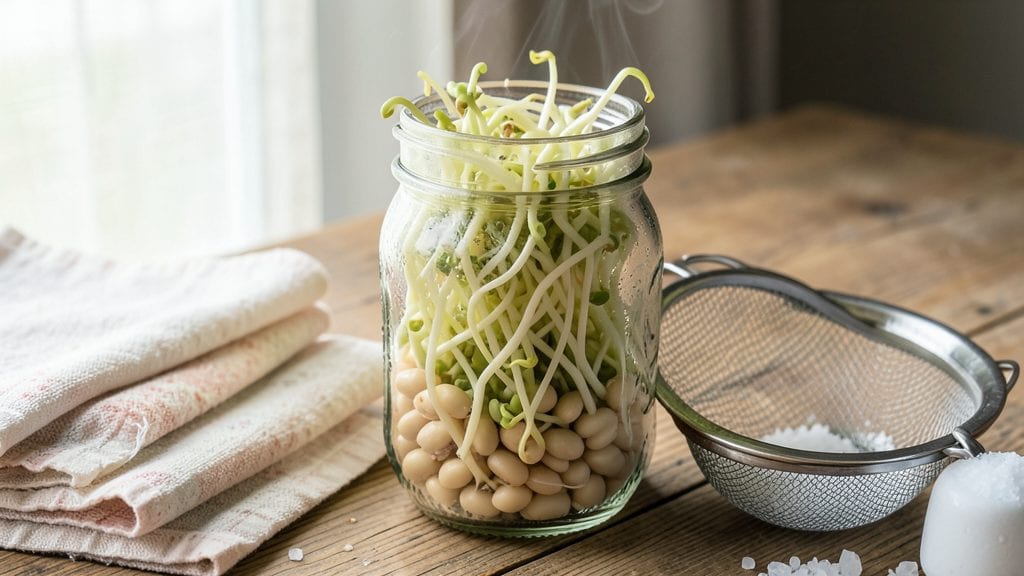
Transforming simple soybeans into vibrant, crunchy soy bean sprouts is one of the fastest ways to elevate any dish in just 10 minutes. This recipe delivers restaurant-quality freshness without requiring a garden—just a jar, water, and a little patience.
I’ve perfected the method for achieving that signature snap and bright flavor that makes these sprouts a staple in stir-fries, salads, and bowls.
The key lies in proper soaking and rinsing techniques, which ensure your sprouts grow evenly and stay crisp. No special equipment is needed—just a clean jar, a fine-mesh strainer, and a kitchen towel.
This method works for both beginners and experienced cooks, delivering vegan-friendly results that add texture and nutrition to any meal.
By the end, you’ll have a jar of bright green, crunchy sprouts ready to toss into stir-fries, wrap in fresh spring rolls, or serve as a refreshing salad base.
The process is simple, but the payoff is a burst of freshness that transforms simple dishes into something extraordinary. Let’s get started!
These sprouts pair beautifully with Asian-inspired dishes, grain bowls, or even as a topping for tacos. The best part? You can grow them in bulk and store them for up to a week, making them a convenient and healthy addition to your kitchen. Ready to try this foolproof method?
Ingredients for soy bean sprout
Simple organic soybeans and basic kitchen tools transform into crisp, vibrant sprouts in minutes.
| Ingredient | Amount | Notes |
|---|---|---|
| Organic Soybeans 🌱 | ½ cup | Uncooked, dried, non-GMO preferred |
| Filtered Water 💧 | 4 cups | Room temperature preferred |
| Fine-Mesh Strainer 🧽 | 1 whole | Non-reactive metal preferred |
| Kitchen Towels 🧻 | 2 whole | Clean, lint-free cotton |
| Glass Mason Jar 🍶 | 1 whole | Quart-sized with airtight lid |
| Diamond Crystal Kosher Salt 🧂 | ¼ tsp | For final seasoning |
| Fresh Lime Juice 🍋 | 1 tbsp | Brightens flavor profile |
| Extra-Virgin Olive Oil 🫒 | 1 tbsp | For post-harvest dressing |
| Sesame Seeds 🌾 | 1 tsp | Toasted for garnish |
| Fresh Cilantro 🌿 | ¼ cup | Chopped, optional garnish |
| Garlic Cloves 🧄 | 1 whole | Minced, optional seasoning |
The quality of your soybeans determines the final texture. Organic, non-GMO soybeans from bulk bins at stores like Whole Foods or Sprouts Farmers Market yield the best results—avoid pre-soaked varieties, which often contain preservatives. Look for beans that are uniformly sized and free of debris. A quart-sized glass jar is ideal for batch growing, though smaller jars work for individual servings. The fine-mesh strainer should be non-reactive metal to prevent any metallic taste transfer during rinsing. For optimal freshness, store your dried soybeans in an airtight container in a cool, dark place—they'll keep for up to 12 months.
No organic soybeans? Regular dried soybeans from the grocery store work fine, though they may lack the same crispness. Short on lime juice? Fresh lemon juice works equally well, though lime adds a brighter citrus note. The sesame seeds can be omitted if you're allergic, but toasting them in a dry pan for 30 seconds before adding enhances their nutty flavor. For a more robust garlic profile, mince 2 cloves instead of 1. The olive oil should be extra-virgin—cheaper varieties can impart a bitter aftertaste. If you're growing sprouts for the first time, start with a smaller batch to perfect the technique before scaling up.
Freshly harvested sprouts should be stored in an airtight container lined with a damp paper towel in the refrigerator. They'll maintain their crispness for 5-7 days, though flavor peaks at 3-4 days. For longer storage, freeze in ice cube trays with a light olive oil spray—thaw and rinse before use. When ready to serve, toss your sprouts with a drizzle of extra-virgin olive oil, a squeeze of lime, and a sprinkle of toasted sesame seeds. This simple dressing elevates their natural flavor and adds a restaurant-quality finish. The garlic and cilantro can be added fresh at the last minute for maximum aroma impact.
Why You'll Love This Recipe
- Five-Minute Setup: I swear by this method—just soak the organic soybeans overnight, rinse them twice in the morning, and pop them in a jar with a damp towel. No fancy tools, no fuss, and honestly? The waiting time is the hardest part.
- Crunchy Magic: That first bite—tender, fresh, with a satisfying snap—is what keeps me coming back. No wilting, no mushiness; these little guys stay crisp until you eat them all, which, between us, happens fast.
- Meal Prep MVP: I toss them into salads, stir-fries, or even as a snack with a sprinkle of salt. They last a solid week in the fridge, so I batch-make them and forget about grocery runs for protein. My lunchbox’s new best friend.
- Budget Superstar: A jar of organic soybeans costs less than a salad kit, and they multiply into a mountain of sprouts. I’ve fed my whole family for days on this—zero waste, maximum flavor, and my wallet thanks me every time.
Step-by-step instructions for crispy soybean sprouts
A quick, nutrient-packed method that delivers vibrant, crunchy sprouts in under 10 minutes without specialized equipment.
Soak the Organic Soybeans
Place the 0.5 cup organic soybeans in the quart-sized glass mason jar and cover with 4 cups filtered water at room temperature. Seal the jar tightly and let it soak for 8 hours at room temperature or overnight in the refrigerator. The beans will absorb moisture and begin to soften—you'll notice a slight increase in volume and a slight cloudiness in the soaking water.
I prefer soaking overnight for maximum hydration, but if you're short on time, 8 hours still yields tender sprouts. Avoid using tap water if it's heavily chlorinated, as chlorine can inhibit sprouting. After soaking, drain the water completely through the fine-mesh strainer, shaking gently to remove any debris. This step is critical—any remaining soaking water will accelerate bacterial growth during sprouting.
Rinse and Sprout for 8 Hours
Return the drained soybeans to the jar and rinse them thoroughly under cool running water for 30 seconds. Shake the jar gently to ensure all beans are exposed to water, then drain again. This initial rinse removes residual soaking water and prepares the beans for germination. Wrap the jar loosely with 2 kitchen towels (secured with a rubber band) to allow airflow while containing the beans. Place the jar in a dark, warm spot—such as a kitchen counter away from direct sunlight.
Leave the soybeans to sprout for 8 hours, rinsing them every 4 hours with cool water and draining thoroughly each time. During these rinses, you'll feel the beans begin to soften and develop tiny white sprouts. The towels help maintain humidity while preventing mold growth. If you notice any slimy residue or foul odor at any point, discard the batch immediately—this indicates bacterial contamination. Proper airflow and frequent rinsing are key to safe, crisp sprouts.
Final Rinse and Seasoning
After the 8-hour sprouting period, give the soybeans a final rinse under cool water for 30 seconds, then drain completely. Transfer the sprouts to a colander or clean bowl and pat them dry with a kitchen towel to remove excess moisture. This step ensures your final product stays crisp rather than soggy. While the sprouts are still damp, add the minced garlic cloves and toss gently to distribute evenly. The garlic adds subtle depth without overpowering the fresh, bean-forward flavor.
In a small bowl, whisk together the 1 tablespoon extra-virgin olive oil, 1 tablespoon fresh lime juice, and 0.25 teaspoon diamond crystal kosher salt. Drizzle this dressing lightly over the sprouts and toss again until evenly coated. The acidity of the lime brightens the earthy soybeans, while the olive oil adds a silky finish. Let the dressed sprouts sit for 5 minutes to allow flavors to meld before serving. This timing prevents the lime from over-acidifying the delicate sprouts.
Garnish and Serve Immediately
Transfer the dressed sprouts to a serving bowl and sprinkle with 1 teaspoon toasted sesame seeds and 0.25 cup chopped fresh cilantro. The sesame seeds add a nutty crunch, while the cilantro introduces a fresh herbal note that balances the dish. Serve the sprouts immediately while still crisp—this recipe yields 4 servings of vibrant, nutrient-dense bites perfect for salads, wraps, or as a standalone snack.
For maximum freshness, consume within 24 hours of preparation. Store any leftovers in an airtight container in the refrigerator, but note that texture will degrade after the first day. The key to success lies in the 8-hour soaking and sprouting time—rushing this process risks underdeveloped sprouts, while exceeding it may lead to bitterness. When properly prepared, these sprouts deliver a satisfying crunch and a clean, fresh flavor profile that elevates any dish.
Pro Tips For Making Soy Bean Sprout
- Soak Overnight: DESCRIPTION: I used to rush this step and end up with uneven sprouts—some still rock-hard, others overgrown. Organic soybeans need 8-12 hours in filtered water (not tap, which can contain chlorine). Cover the jar loosely with a kitchen towel so air circulates, but keep it out of direct sunlight. Trust me, skipping this wait turns your sprouts into a textural disaster.
- Rinse Like You Mean It: DESCRIPTION: After soaking, drain and rinse the soybeans three times in your fine-mesh strainer—each time swirling them under cold water to remove debris. I learned this the hard way when a single missed rinse left gritty bits in my final sprouts. Use a spray attachment if you’re impatient, but don’t skip the final shake to break up clumps.
- Drape, Don’t Stack: DESCRIPTION: After rinsing, spread the soybeans in a single layer on your kitchen towel, then fold the edges to create a loose pouch. Stacking them traps moisture and breeds mold faster than you’d believe. Prop the jar upside down at a slight angle (I use a canning ring) so excess water drains completely—no soggy messes here.
- Check Humidity Daily: DESCRIPTION: Soybeans sprout best in warmth and consistent moisture, but if your kitchen feels like a desert, they’ll shrivel. Mist them lightly with filtered water twice daily (morning and evening) if they’re drying out—just enough to keep the towel damp, not soaked. I keep my jar on the counter near the stove where it’s naturally warmer, and my sprouts reach perfect crunch in 3-4 days.
Troubleshooting perfect results
Sprouts Too Slimy
If your sprouts develop a slimy texture or foul odor, it’s a sign of bacterial contamination. This usually happens when beans aren’t rinsed frequently enough or the jar lacks proper airflow. Always rinse your sprouts every 4 hours during the 8-hour sprouting period and drain thoroughly each time.
Use a clean, non-reactive metal strainer and avoid overcrowding the jar—beans should have room to breathe. If you notice any sliminess, discard the batch immediately to prevent foodborne illness. 🚨
Underdeveloped Sprouts
If your sprouts remain tiny and underdeveloped, the soaking or sprouting time was likely insufficient. The beans need a full 8 hours of soaking followed by 8 hours of sprouting for optimal growth.
If you’re short on time, soak the beans for 12 hours (overnight) and sprout for 6 hours instead—this maintains tenderness while encouraging sprouting. Avoid using pre-soaked beans, as they often contain preservatives that inhibit proper germination. 🌱
Moldy or Fuzzy Growth
White or fuzzy mold indicates mold growth, which can occur if the jar isn’t rinsed frequently enough or if humidity levels are too high. Always wrap the jar loosely with 2 kitchen towels (secured with a rubber band) to allow airflow while maintaining moisture.
Store the jar in a warm, dark place (like a kitchen counter) and rinse every 4 hours. If you see any mold, discard the batch immediately—mold can produce toxins even if the sprouts look edible. 🧼
Bitter Taste
If your sprouts taste bitter, they’ve likely been sprouting for too long. The ideal sprouting time is 8 hours—any longer and the beans may develop an off-flavor. To fix this, reduce the sprouting time to 6 hours and rinse more frequently.
Additionally, avoid using tap water with high chlorine levels, as it can affect flavor. For a brighter taste, add a splash of fresh lime juice or lemon juice to your dressing, as the acidity helps balance any bitterness. 🍋
Soggy Texture
Soggy sprouts usually result from excess moisture during storage. After sprouting, pat the beans dry with a clean kitchen towel and store them in an airtight container lined with a damp paper towel (not soaked).
If they’ve already become soggy, toss them with a little extra-virgin olive oil and a pinch of kosher salt to help crisp them up. For future batches, avoid over-rinsing during the final stages and store them in the fridge for no more than 5-7 days. ❄️
Nutrition facts
Frequently asked questions
Can I use regular dried soybeans instead of organic?
Yes, but organic soybeans yield the best texture and flavor. Regular dried soybeans from grocery stores work fine, though they may lack the same crispness. For optimal results, choose uniformly sized beans without debris. If you're short on time, 12 hours of soaking (overnight) followed by 6 hours of sprouting still produces excellent results with standard beans.
How do I store fresh soybean sprouts to keep them crisp?
Store your sprouts in an airtight container lined with a damp (not soaked) paper towel. Keep them refrigerated for up to 5-7 days, though texture peaks at 3-4 days. For longer storage, freeze them in ice cube trays with a light olive oil spray—thaw and rinse before using. Never store them in water or a sealed container without airflow.
What are the best ways to use soybean sprouts in meals?
These sprouts shine in Asian-inspired dishes, grain bowls, and fresh salads. Toss them into spring rolls, stir-fries, or tacos for added crunch. They also make a great topping for sandwiches or sushi rolls. For extra flavor, mix them with toasted sesame seeds, chopped cilantro, and a drizzle of soy sauce or lime juice.
Why do my sprouts taste bitter?
Bitterness usually means your sprouts were left too long during the 8-hour sprouting period. Reduce sprouting time to 6 hours and rinse more frequently. Also, avoid using chlorinated tap water—filtered or boiled water works better. A splash of fresh lime juice in your dressing can also balance any bitterness.
Can I grow soybean sprouts without a mason jar?
Use a clean bowl with a fine-mesh strainer or a sprouting lid if you have one. Just ensure your container allows proper drainage and airflow. For a DIY solution, wrap a kitchen towel around the strainer to contain the beans while they sprout. Rinse and drain as directed—this method works just as well!