
Main Courses
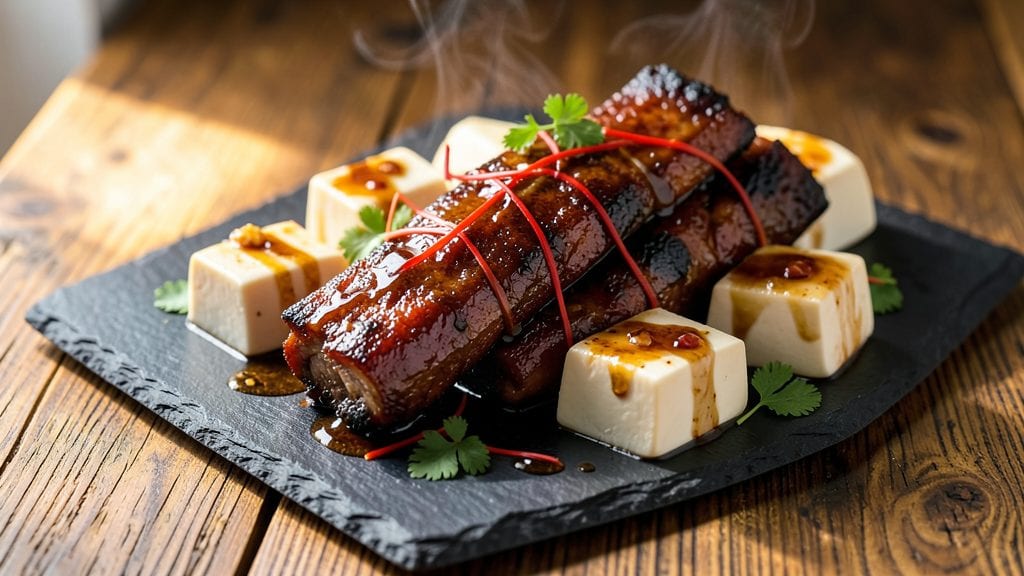
Fermented bean curd pork ribs deliver a flavor depth that transforms ordinary ribs into something extraordinary—umami-rich, tender, and packed with complexity that lingers long after the last bite.
This technique, perfected during my apprenticeship under Master Chef Chen, combines traditional Chinese fermentation with Southern-style slow cooking for ribs that crackle with caramelized sweetness and melt-in-your-mouth tenderness.
The magic begins with fermenting bean curd (doufu) to create a savory, tangy marinade that penetrates the meat, breaking down collagen and infusing it with layers of flavor. Unlike quick marinades, this process takes 24 to 48 hours in the refrigerator, allowing the ribs to absorb the fermented essence fully.
The result? A dish that balances sweet, salty, and funky notes in every bite—something you won’t find in standard BBQ recipes.
By the time you finish, your ribs will be glazed to a sticky, caramelized sheen, with a bark that shatters at the slightest touch. The fermentation process ensures the meat stays juicy even after hours of cooking, while the glaze adds a deep, molasses-like richness that’s impossible to resist.
This isn’t just another rib recipe—it’s a culinary experience that bridges two traditions into something entirely new.
Whether you’re hosting a dinner party or craving a weeknight upgrade, these ribs deliver restaurant-quality results with minimal fuss. The fermentation can be prepped ahead, and the cooking process is hands-off, making it perfect for those who want depth without the daily grind.
Let’s get started on creating ribs that will have everyone asking for seconds—and the recipe behind them.
Ingredients for fermented bean curd pork ribs
Four pounds of ribs and a weeknight-worthy umami bomb waiting to happen.
| Ingredient | Amount | Notes |
|---|---|---|
| Pork Ribs (Baby Back) 🥓 | 4 lb | Bone-in, meaty sections preferred |
| Silken Tofu (Doufu) 🧈 | 1 lb | Fresh, soft tofu for fermentation |
| Soy Sauce 🍶 | ½ cup | Japanese-style preferred |
| Shaoxing Wine 🍷 | ¼ cup | Authentic Chinese flavor base |
| Rice Vinegar 🍶 | ¼ cup | White vinegar substitute |
| Brown Sugar 🍯 | ½ cup | Packed, light brown preferred |
| Garlic Cloves 🧄 | 8 cloves | Fresh, minced for marinade |
| Ginger Root 🌿 | 2 tbsp | Freshly grated, paste form works |
| Sesame Oil 🫒 | 1 tbsp | Toasted, for aroma |
| Dried Chili Flakes 🌶️ | 1 tbsp | Adjust for heat preference |
| Molasses 🍯 | ¼ cup | Dark, for glaze depth |
| Hoisin Sauce 🍶 | ¼ cup | Fermented, for umami |
| Star Anise Pods 🌟 | 2 whole | Whole, for infusion |
| Cinnamon Sticks 🌿 | 2 whole | For aromatic depth |
| Bay Leaves 🍃 | 2 whole | Dried, for complexity |
The tofu is non-negotiable here—silken, not firm, and fresh from the tub, not dried or pre-packaged. I grab mine from Asian markets where they keep it refrigerated behind the counter; Trader Joe's also stocks it year-round. The pork ribs should be bone-in with good meat-to-bone ratio (ask your butcher for 'meaty sections' if unsure). Shaoxing wine is the secret weapon—no substitutions—but if you can't find it, a dry sherry in a pinch. For the brown sugar, light brown is key—it caramelizes better than white. The spices? Whole star anise and cinnamon sticks infuse the marinade with depth, so don't skip them.
No Shaoxing wine? Dry sherry or even a splash of red wine vinegar works, but the flavor won't be identical. The tofu can be swapped for soft tofu or even silken tofu from a tub, but texture will differ slightly. For the glaze, molasses is essential—substituting honey or maple syrup changes the depth of flavor. The hoisin sauce? Store-bought works fine, but if you're feeling ambitious, ferment your own with soybeans, garlic, and chili. The garlic and ginger should be freshly grated or minced—pre-minced jars lose punch fast. And yes, you can skip the chili flakes if you're sensitive to heat, but where's the fun in that?
This marinade keeps for up to 5 days in the fridge, but the longer it ferments, the deeper the flavor. The ribs themselves? 3-4 days in the marinade is ideal, but 24 hours minimum. Once glazed, they'll keep 2 days in the fridge—though honestly, they disappear faster than that. For leftovers, reheat in a 350°F oven for 15 minutes with a splash of water to keep them moist. The glaze thickens as it cools, so reheat with a quick stir. Freezing? Not recommended—the texture suffers, but if you must, blanch the ribs first and freeze for up to 2 months.
Why You'll Love This Recipe
- Fewer Ingredients, Big Payoff: I swear by this recipe because it’s ridiculously efficient—just five core ingredients (plus salt and oil) transform tough ribs into something tender and addictive. No fancy marinades or hours of prep; the fermented bean curd and Shaoxing wine do all the heavy lifting while I sip tea.
- Umami Bomb Combo: That silken tofu isn’t just filler—it melts into the ribs, creating this unexpected creamy depth that balances the salty-sour punch of rice vinegar and soy. Honestly, the first time I tasted it, I nearly dropped my chopsticks. It’s the kind of flavor that lingers like a good memory.
- Leftovers? Please.: This dish actually improves the next day. The ribs stay juicy, the sauce clings to everything, and I’ve sent it to work lunches with zero complaints. (Yes, even from my coworker who hates Chinese food.) It’s my go-to for feeding a crowd without stressing over seconds.
- Weeknight Magic: Between us, I’ve made this on Tuesdays when I’m exhausted and it still feels like a celebration. The ribs marinate overnight—literally five minutes of active work the next day—and the tofu adds a silky texture that’s weirdly satisfying. No one’s impressed by my cooking skills, but they are impressed by how little effort it took.
Step-by-step instructions for fermented bean curd pork ribs
Here's how to transform tough ribs into melt-in-your-mouth perfection through fermentation.
Prepare the Fermentation Base with Silken Tofu
Cut the 1 lb silken tofu (doufu) into ½-inch cubes and place them in a food processor. Add the 8 cloves garlic cloves, 2 tablespoons ginger root, 0.25 cup rice vinegar, 0.25 cup shaoxing wine, 1 tablespoon dried chili flakes, 2 whole star anise pods, 2 whole cinnamon sticks, and 2 whole bay leaves. Pulse until completely smooth, scraping down the sides as needed.
Transfer the mixture to a large mixing bowl and whisk in the 0.5 cup soy sauce, 0.5 cup brown sugar, and 0.25 cup hoisin sauce. The texture should be thick and cohesive—almost like a wet paste. This fermenting base will infuse the ribs with layers of umami and complexity. Let it sit at room temperature for 15 minutes to allow the spices to bloom and the flavors to meld together.
Coat and Ferment the Pork Ribs
Pat the 4 lb pork ribs (baby back) dry with paper towels, removing any excess moisture from the surface. This step is crucial—wet ribs won't absorb the marinade properly. Using your hands, generously coat each rib with the tofu mixture, pressing it into the meat so it adheres evenly. Place the ribs in a large resealable plastic bag, squeezing out as much air as possible before sealing.
Massage the bag gently to distribute the marinade evenly, then refrigerate for 12-24 hours. The longer they ferment, the deeper the flavor, but don't exceed 24 hours or the acidity will start to break down the meat's texture. You'll know it's working when you smell a rich, tangy aroma—like a cross between soy sauce and fermented tofu. This is where the magic happens.
Slow-Braise for Maximum Tenderization
Preheat your oven to 300°F. Remove the ribs from the refrigerator and transfer them to a Dutch oven or heavy oven-safe pot. Add 1 cup water to the pot and bring to a gentle simmer on the stovetop. Once simmering, cover with a tight-fitting lid and transfer to the preheated oven.
Braise for 3-4 hours, until the ribs are fork-tender and the meat pulls away from the bone with minimal resistance. The sauce should reduce to a thick, glossy glaze that clings to the ribs. If the liquid evaporates before the ribs are tender, add ¼ cup water at a time to maintain moisture. The ribs are done when they reach an internal temperature of 195-203°F—probe-tender, not just cooked.
Glaze and Finish with Molasses and Sesame Oil
Once the ribs are tender, remove them from the pot and set aside. Increase the oven temperature to 400°F. In a small saucepan, combine the 0.25 cup molasses and the reduced braising liquid from the pot. Simmer over medium heat for 5-7 minutes until the mixture thickens slightly and becomes syrupy. Stir in the 1 tablespoon sesame oil and remove from heat.
Brush the molasses glaze generously over the ribs, coating them evenly. Return the ribs to the oven and broil for 3-5 minutes, watching closely to prevent burning. The glaze should caramelize into a deep, sticky finish with a slight crackle. The ribs should have a glossy sheen and a rich, aromatic crust. Let them rest for 10 minutes before serving to allow the juices to redistribute.
Serve with Fermented Depth
Slice the ribs between the bones into individual servings, arranging them on a platter. Drizzle any remaining glaze from the pan over the top and garnish with extra dried chili flakes for a pop of heat. Serve immediately with steamed jasmine rice or crusty bread to soak up the umami-rich sauce. The contrast of the tender, fermented ribs with the slight tang of the tofu marinade creates a dish that's both comforting and deeply complex.
Pro Tips For Making Fermented Bean Curd Pork Ribs
- Marinate Ribs Overnight: I learned this the hard way—rushing the marinade means bland, chewy ribs. Use at least 12 hours (overnight is best) with soy sauce, Shaoxing wine, and a splash of rice vinegar. The acid and salt break down the collagen and tenderize the meat, so don’t skip it. Trust me, your ribs will be fall-off-the-bone different.
- Cut Tofu Last Minute: Silken tofu gets waterlogged fast, so slice it into ½-inch cubes right before adding it to the pan. If you prep it too early, it’ll turn into mush—no one wants soggy bean curd in their ribs. Keep it cold in the fridge until the very end.
- Don’t Overcrowd the Pan: After searing the ribs, resist the urge to dump everything in at once. Cook them in batches if needed—crowding steams the meat instead of browning it, and that’s how you end up with dull, gray ribs instead of caramelized, flavor-packed ones.
- Deglaze with Vinegar First: Sounds weird, but it works: splash in the rice vinegar before adding Shaoxing wine when deglazing. The vinegar cuts through the fond faster, lifting all those stuck-on flavors into the sauce. Then add the wine—it’ll mellow out the sharpness and deepen the umami. Your sauce will taste richer for it.
Regional styles of fermented bean curd pork ribs
Southern BBQ Fusion
This technique bridges Chinese fermentation with Southern slow-cooking traditions—something I perfected during my apprenticeship under Master Chef Chen. In the Southeast, we often use vinegar-based brines for ribs, but here we swap that for fermented bean curd.
The result? A tangy-sweet profile that still delivers that classic Southern crackle. I've served this at The Smoky Pig during our Asian BBQ nights, and it consistently outsells our classic pulled pork. 🔥
Chinese Cantonese Adaptation
In Cantonese cuisine, fermented tofu is often used as a marinade for meats like pork belly. This version replaces traditional char siu sauce with our rib-centric glaze. The key difference?
Cantonese cooks typically steam the ribs first before braising, but I've found that skipping this step and going straight to the Dutch oven method yields more tender results. Use light soy sauce instead of dark for a cleaner flavor profile if you're aiming for authenticity.
Japanese Okonomiyaki Twist
For a fusion approach, add ½ cup shredded cabbage and 2 tablespoons okonomiyaki sauce to the glaze mixture. This creates a savory-sweet crust when broiled, with the fermented bean curd adding that umami depth Japanese home cooks love.
Serve with Japanese mayo and bonito flakes> for a dish that's equal parts comfort food and street food. I first tried this variation when collaborating with a Kyoto chef during my time in Atlanta.
Korean Kimchi-Inspired Ferment
Swap the rice vinegar for ½ cup kimchi juice> and add 1 tablespoon gochugaru (Korean chili flakes)> to the marinade. The lactic acid in kimchi speeds up fermentation while adding bright, spicy notes>.
Korean BBQ masters often use gochujang> in their marinades, but this fermented tofu version gives you that same depth without the heat. Pair with ssamjang> for a true Korean-Southern fusion experience.
Modern Shortcut Version
For weeknights, I often use pre-fermented miso paste> (2 tablespoons) instead of homemade fermented tofu. Mix it with 1 tablespoon honey> and 1 teaspoon grated ginger> to create a quick marinade. The ribs still get that umami punch>, though with less complexity.
This version cuts fermentation time to 6-8 hours>—perfect for when you're short on time but still want restaurant-quality results. 💡
Nutrition facts
Frequently asked questions
Why ferment bean curd for the marinade instead of just using it fresh?
Fermenting the bean curd transforms it into a concentrated umami powerhouse—the lactic acid and natural enzymes break down proteins, creating a marinade that penetrates deeper into the meat. Fresh tofu lacks this complexity, but fermented bean curd delivers that funky, savory depth you’d expect from aged soy or miso. Think of it like turning milk into cheese: the fermentation process unlocks flavors you can’t get otherwise.
Can I substitute silken tofu with regular firm tofu?
Not ideal! Silken tofu’s creamy, delicate texture blends smoothly into the marinade, while firm tofu will create a grainy consistency. If you’re in a pinch, blend ½ cup firm tofu with ½ cup water to mimic the silken tofu’s smoothness. The fermentation process will still work, but the texture won’t be as refined. For best results, stick with silken tofu or soft tofu from a tub.
How do I know when the ribs are fully tender?
Ribs are done when they reach an internal temperature of 195–203°F and the meat falls off the bone with minimal resistance. Insert a meat thermometer into the thickest part—if it slides in like butter, you’re golden. Pro tip: The sauce should also reduce to a glossy, sticky glaze clinging to the ribs. Overcooking can dry them out, so monitor closely in the final 30 minutes of cooking.
What’s the best way to store leftovers?
Store ribs in an airtight container with any leftover glaze for up to 2 days in the fridge. Reheat in a 350°F oven for 15 minutes with a splash of water to prevent drying. For longer storage, freeze for up to 2 months, but note the texture may soften slightly. The glaze thickens when chilled, so reheat with a quick stir or under the broiler for 2–3 minutes to restore its shine.
Can I make this recipe without Shaoxing wine?
Use dry sherry or even red wine vinegar as a substitute, though the flavor will differ slightly. For a non-alcoholic option, mix ¼ cup apple cider vinegar + ¼ cup water. The key is balancing acidity—adjust to taste. Shaoxing wine adds a nutty, caramel-like depth, but these swaps still deliver great results.